
 By admin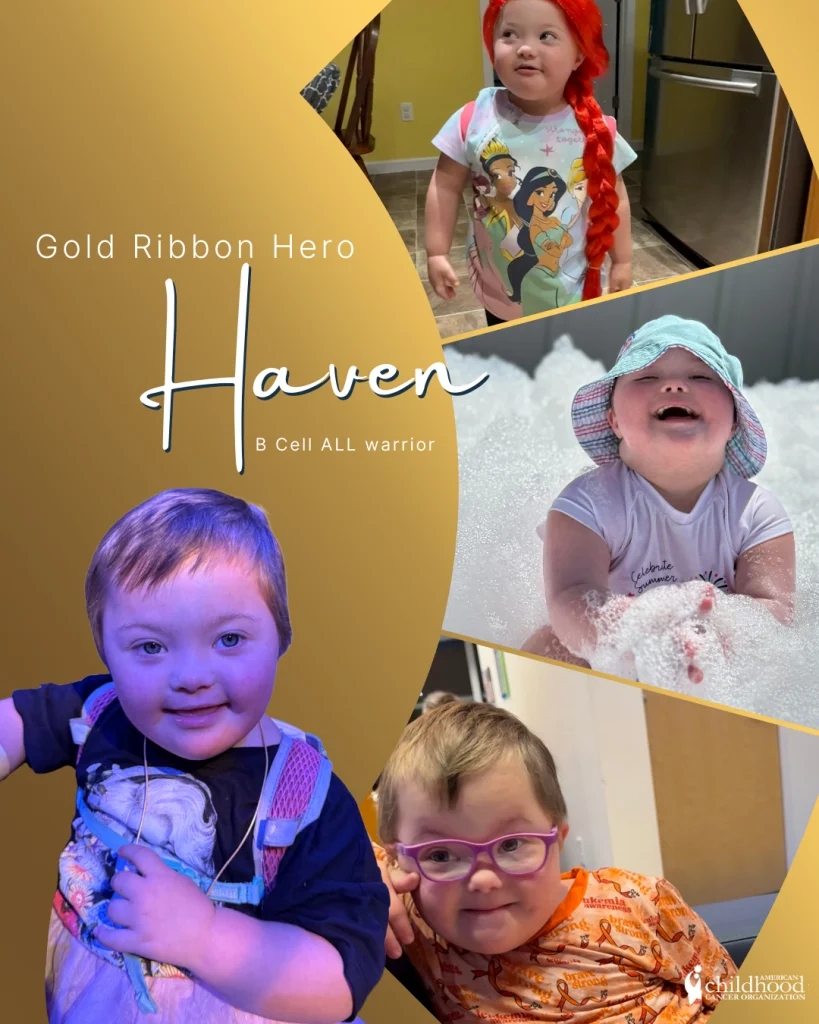
The intersection of pre-existing genetic conditions and pediatric oncology presents a complex set of challenges for both medical professionals and families, a reality recently highlighted by the story of Haven, a four-year-old girl diagnosed with B-cell Acute Lymphoblastic Leukemia (ALL). Diagnosed just one week prior to her fourth birthday, Haven’s journey from a suspected viral infection to a cancer diagnosis underscores the critical importance of parental intuition and the specialized care required for children with Down syndrome who face a leukemia diagnosis. Six months into an intensive treatment regimen, Haven has reached the milestone of clinical remission, a development that was celebrated during her recent appearance as an ambassador for the American Childhood Cancer Organization (ACCO) at the Grand Ole Opry in Nashville, Tennessee.
The Clinical Onset and Path to Diagnosis
The progression of Haven’s illness began subtly, mimicking common childhood ailments that often complicate early detection of pediatric malignancies. Initially, her symptoms were consistent with a standard virus, followed by what appeared to be a routine gastrointestinal disturbance. However, as the third week of illness approached, the clinical picture shifted significantly. Haven exhibited profound paleness and extreme lethargy—symptoms that often indicate a severe reduction in red blood cell counts, a hallmark of leukemia as cancerous cells crowd out healthy marrow.
Haven’s medical history already included hypothyroidism, a condition where the thyroid gland does not produce enough crucial hormones. Recognizing that her daughter was "a different child," Skyler Wells, Haven’s mother, requested that a routine appointment with an endocrinologist be moved forward. This decision proved pivotal. While the initial focus was on potential thyroid dysfunction, the comprehensive blood work ordered by the specialist revealed anomalies far beyond hormonal imbalances.
The diagnostic process culminated in a rapid series of events. Following the discovery of elevated thyroid levels and, more critically, alarming results in her complete blood count (CBC), the family was directed to report immediately to the hematology and oncology department. This transition from a routine specialist visit to a pediatric oncology ward is a traumatic hallmark of the pediatric cancer experience, characterized by the sudden necessity of an overnight stay and the immediate commencement of surgical interventions, including the placement of a chemo-port.
Medical Context: B-Cell ALL and the Trisomy 21 Connection
B-cell Acute Lymphoblastic Leukemia is a type of cancer in which the bone marrow makes too many immature lymphocytes, a type of white blood cell. It is the most common form of childhood cancer, representing approximately 75% to 80% of all pediatric leukemia cases. While the overall five-year survival rate for pediatric ALL has seen remarkable improvements, reaching nearly 90% in recent decades, the management of the disease in children with Down syndrome (Trisomy 21) requires a highly nuanced approach.
Statistically, children with Down syndrome have a significantly higher predisposition to developing leukemia compared to the general pediatric population. Research indicates that children with Trisomy 21 have a 10-fold to 20-fold increased risk of developing either Acute Lymphoblastic Leukemia or Acute Myeloid Leukemia (AML). The biological reasons for this increased susceptibility involve the extra copy of chromosome 21, which can lead to the overexpression of certain genes that regulate cell growth and blood cell development.
Furthermore, the treatment of leukemia in children with Down syndrome is complicated by an increased sensitivity to the toxicity of certain chemotherapeutic agents. Clinical data suggests that these patients are at a higher risk for severe infections, gastrointestinal complications, and methotrexate-induced toxicity. Consequently, oncology protocols for patients like Haven must be meticulously balanced to ensure the eradication of leukemic cells while minimizing life-threatening side effects—a delicate clinical tightrope that necessitates specialized pediatric care.
The Psychosocial Impact on the Family Unit
The diagnosis of a life-threatening illness in a child creates an immediate and profound crisis for the family structure. For Haven’s family, the initial three-week hospitalization meant a forced separation. While Skyler remained with Haven in the hospital, Haven’s father and her two siblings, Mason and Hadley, had to navigate the emotional and logistical challenges of a household divided by medical necessity.
The emotional toll on parents in these circumstances often includes a period of intense questioning and "survivor’s guilt," even when the illness is entirely outside of their control. Skyler Wells articulated this sentiment, describing the diagnosis as a "slap in the face" that eclipsed the initial challenge of learning about Haven’s Down syndrome diagnosis at birth. The psychological burden of pediatric cancer often involves a search for cause—questions of "Why us?" or "What could I have done to prevent it?"—despite the medical reality that pediatric ALL is not linked to lifestyle or environmental factors controlled by parents.
Support systems, such as those provided by organizations like the ACCO, are essential in addressing these psychosocial needs. These organizations provide resources that help siblings understand the illness and offer parents a community of individuals who have navigated similar diagnostic paths.
Chronology of Treatment and Achievement of Remission
Haven’s treatment began with the "Induction" phase, the primary goal of which is to achieve remission by eliminating the vast majority of leukemia cells in the blood and bone marrow. This phase typically lasts four to five weeks and involves intensive chemotherapy. For Haven, this period was particularly grueling due to the inherent risks associated with her genetic profile.
Despite the heightened risk of complications, Haven’s medical team successfully navigated the initial phases of her protocol. Six months into the journey, she was officially classified as being in remission. In the context of leukemia, remission means that there is no longer evidence of the disease in the bone marrow, the blood counts have returned to near-normal levels, and there are no physical signs of the cancer.
However, achieving remission is not the end of the journey. For B-cell ALL, the "Maintenance" phase of treatment can last for two to three years to ensure that any residual, undetectable leukemic cells are eradicated, preventing a relapse. Haven’s progress at the six-month mark represents a significant clinical victory and a transition into a phase where the family can begin to reintegrate into social and community activities, albeit with continued medical vigilance.
Advocacy and Community Engagement: The Grand Ole Opry Chili Cook-Off
In a move to raise awareness and provide Haven with a positive experience outside of the clinical environment, she was selected as an ambassador for the American Childhood Cancer Organization. This role led to her participation in the Grand Ole Opry Chili Cook-Off in Nashville, Tennessee. The event, part of the broader "Go Gold" initiative for childhood cancer awareness, serves as both a fundraiser and a platform for families to share their stories.
During the event, Haven and her family were given a comprehensive tour of the historic Grand Ole Opry facilities and were invited to watch the show. The employee chili cook-off serves as a grassroots fundraising mechanism, where proceeds are directed toward supporting research and providing resources for families currently in the midst of treatment.
The involvement of high-profile venues like the Grand Ole Opry is significant for the pediatric cancer community. It brings mainstream visibility to the "Go Gold" movement, which seeks to elevate childhood cancer to the same level of public consciousness as adult cancers. For Haven, the transition from a "cancer patient" to an "ambassador" represents a powerful reclamation of identity, allowing her to be celebrated for her resilience rather than defined solely by her diagnosis.
Broader Implications and the Future of Pediatric Oncology
Haven’s case highlights several critical areas for the future of pediatric healthcare. First, it emphasizes the necessity of integrated care models where endocrinologists, hematologists, and geneticists work in tandem. As children with Down syndrome continue to see increased life expectancy due to medical advancements, the management of co-morbidities like leukemia becomes a more prominent aspect of their long-term care.
Second, the story underscores the ongoing need for research into "targeted therapies" that can treat leukemia without the high toxicity of traditional chemotherapy. This is especially vital for the Down syndrome population, where traditional treatments can be disproportionately harsh.
Finally, the role of community-based fundraising and awareness cannot be overstated. With pediatric cancer research receiving a relatively small fraction of federal cancer funding compared to adult cancers, the burden of funding new treatments often falls on non-profit organizations and events like the Nashville chili cook-off.
As Haven continues her maintenance therapy, her story remains a testament to the efficacy of modern pediatric oncology and the importance of parental advocacy. While the road ahead remains long, the milestone of remission and her role as a national ambassador provide a beacon of hope for other families facing the daunting intersection of genetic conditions and childhood cancer. The "warrior" moniker often given to children like Haven is not merely a term of endearment; it is a reflection of the immense physical and psychological fortitude required to face a diagnosis that transforms a birthday season into a battle for survival.
