
 By Budi Oetomo Narendra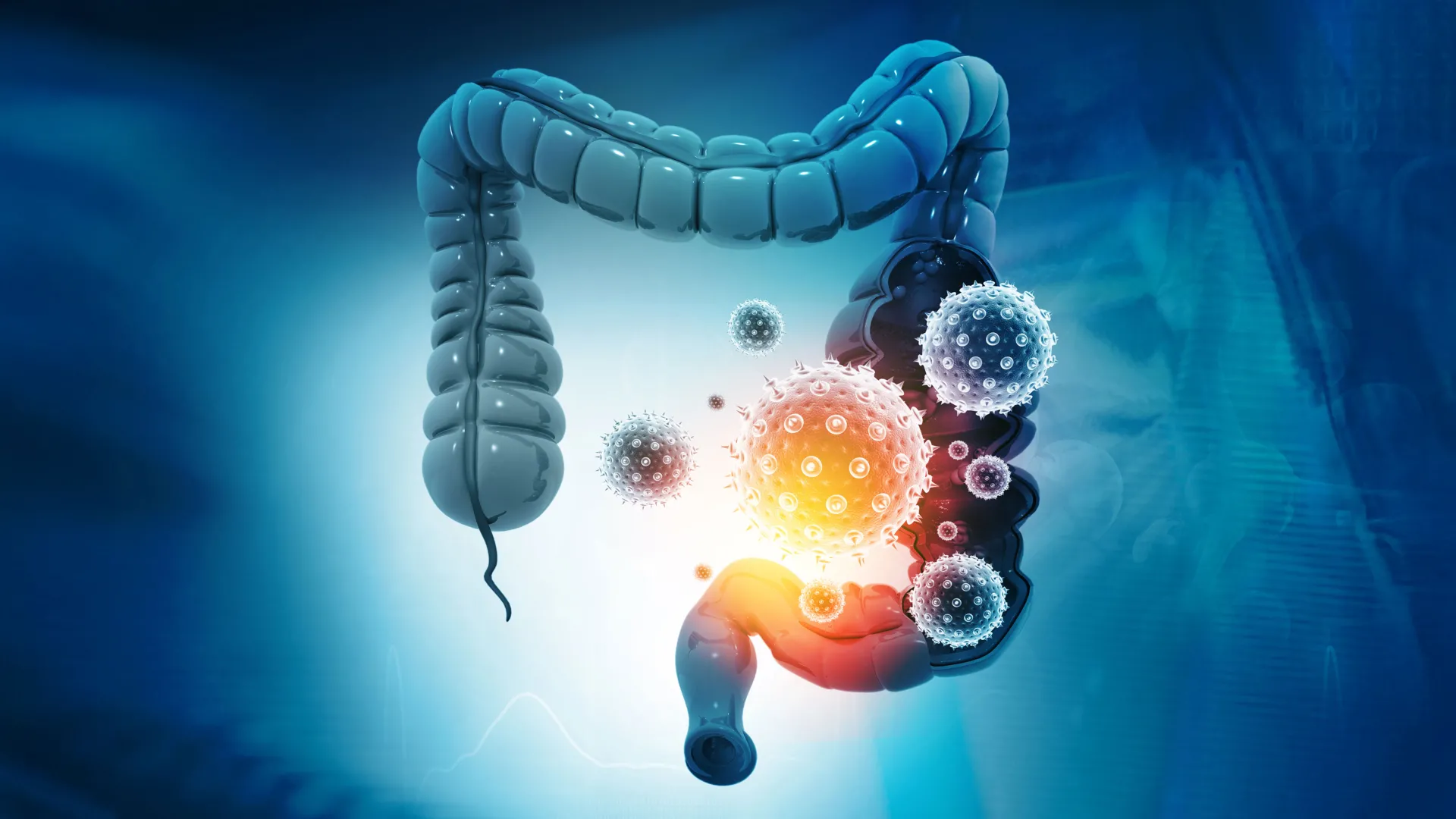
Groundbreaking research from the University of East Anglia (UEA) has unveiled a surprising distinction in the microbial landscape of colorectal cancer, suggesting it possesses its own unique and identifiable microbial "fingerprint." This pivotal discovery, published in the esteemed journal Science Translational Medicine, challenges a long-held scientific assumption that every cancer type harbors a distinct microbial signature. Instead, the study posits that among the diverse range of malignancies investigated, only colorectal tumors consistently display such specific microbial communities, a finding that promises to fundamentally reshape the understanding, diagnosis, and treatment of this prevalent disease. The implications extend beyond colorectal cancer, offering enhanced diagnostic precision for other conditions and shedding new light on the complex interplay between microbes and human health.
A Paradigm Shift in Cancer Microbiome Research
For years, the scientific community has been fascinated by the potential role of the microbiome – the vast ecosystem of bacteria, viruses, fungi, and other microorganisms inhabiting the human body – in the development and progression of various diseases, including cancer. Early studies often hypothesized that each distinct cancer type would be associated with a unique microbial profile, a sort of "signature" that could differentiate it from others. This new research, however, indicates a more nuanced reality. By analyzing an unprecedented volume of whole genome sequencing (WGS) data from over 9,000 cancer patients, the UEA-led team found that while microbes are indeed present across various tumor types, their distinctiveness as a diagnostic or prognostic marker is far from universal.
Dr. Abraham Gihawi, the lead researcher from UEA’s Norwich Medical School, emphasized the transformative nature of these findings: "This study changes how we think about the role of microbes in cancer." The revelation that colorectal cancer stands alone in its microbial specificity is a significant departure from previous generalized theories, redirecting future research efforts towards understanding this unique relationship. Colorectal cancer, which is the fourth most common cancer in the UK and the second leading cause of cancer-related death globally, presents a substantial public health challenge. With approximately 1.9 million new cases diagnosed worldwide in 2020, and projections indicating a rise to 3 million cases by 2040, any advancement that can improve its detection, risk stratification, or treatment efficacy is profoundly impactful.
Unraveling Microbial DNA: A Methodological Breakthrough
The success of this study hinges on a sophisticated methodological approach to analyze tumor microbes. The research team examined DNA sequence data from an extensive repository: 11,735 cancer samples spanning 22 different cancer types, all sourced from Genomics England. Genomics England, a company owned by the UK Department of Health and Social Care, plays a crucial role in delivering genomic medicine and has amassed a vast dataset through initiatives like the 100,000 Genomes Project, which aimed to sequence 100,000 genomes from NHS patients with rare diseases and cancer. This wealth of data provided an unparalleled opportunity for comprehensive analysis.
"When you collect cancer DNA sequences, you also gain information from the DNA of microbes contained within the samples," Dr. Gihawi explained. The challenge, however, lies in distinguishing this microbial DNA from the overwhelming amount of human DNA. To overcome this, the researchers developed specialized computer programs designed to meticulously remove human DNA sequences, allowing them to isolate and precisely analyze the remaining microbial genetic material. This innovative bioinformatics pipeline enabled the team to determine the exact DNA composition of microbes present in each sample. Subsequently, this microbial information was correlated with detailed clinical data from the patients, including their specific cancer type, stage, and clinical outcomes, providing a holistic view of the microbe-cancer interaction.
This approach not only yielded critical insights but also demonstrated a cost-effective strategy for future research and clinical applications. By leveraging existing whole genome sequencing data – a technology becoming increasingly common in hospitals for cancer diagnostics and treatment planning – the study showcased how "looking at the microbes in tumor samples could become a powerful tool for improving cancer care at little extra cost." This highlights the burgeoning potential of integrated genomic analysis, where a single sequencing run can provide a multi-layered diagnostic profile, encompassing both human genetic mutations and the microbial landscape within the tumor microenvironment.
The Distinct Microbial Signature of Colorectal Cancer
The core finding of the study revolves around the remarkable specificity of the microbial communities found in colorectal tumors. Among all the cancer types investigated, only colorectal tumors consistently displayed a unique and distinctly identifiable microbial composition. This finding holds immense promise for advancing diagnostic capabilities. "Our results show that only colorectal tumors possess distinctly identifiable microbial communities," stated Dr. Gihawi. "We found that these microbial signatures were so specific that they could accurately distinguish colorectal tumors from other tumors."
This level of specificity could pave the way for more precise diagnostic tools for colorectal cancer. Current diagnostic methods often involve colonoscopy, imaging, and biopsy, which, while effective, can be invasive or lack the early detection sensitivity needed for optimal outcomes. A non-invasive test based on microbial signatures, perhaps detectable through stool samples or liquid biopsies, could revolutionize early detection efforts, particularly for individuals at higher risk or in screening programs. Furthermore, understanding these specific microbial communities can empower researchers to delve deeper into the mechanistic roles these microbes play in the initiation, progression, and metastasis of colorectal cancer. Previous research has implicated specific bacteria, such as Fusobacterium nucleatum, in promoting colorectal tumor growth and resistance to chemotherapy. This new study provides a broader, more granular view of the entire microbial ecosystem, opening new avenues for targeted therapeutic interventions.
Beyond CRC: Broadening Diagnostic Horizons with WGS
While colorectal cancer emerged as the standout in microbial distinctiveness, the study also revealed significant broader clinical applications of the WGS approach, particularly in the accurate detection of viruses linked to other cancers. In the analysis of oral cancers, for instance, researchers found that certain oncogenic viruses, such as Human Papillomavirus (HPV), could be detected with greater accuracy than some current diagnostic tests. HPV is a well-established cause of various cancers, including cervical, anal, and a growing number of oropharyngeal cancers. Improved detection through WGS could lead to earlier intervention and better prognoses for these patients.
Moreover, the team identified rare but dangerous viruses that might otherwise go undetected, including Human T-Lymphotropic Virus-1 (HTLV-1). HTLV-1 is a retrovirus that can remain dormant in the body for decades before contributing to the development of adult T-cell leukemia/lymphoma (ATL) and other inflammatory diseases. Its accurate detection through WGS represents a crucial step in identifying at-risk individuals and potentially intervening before cancer manifests. This demonstrates the utility of WGS as a comprehensive surveillance tool, capable of unmasking hidden pathogens that contribute to oncogenesis, thereby enhancing patient care across a spectrum of malignancies.
Microbes as Prognosticators and Modulators of Treatment Response
The study’s findings extend beyond diagnosis, hinting at a profound role for microbes in influencing patient prognosis and response to treatment. The presence and composition of microbial communities within tumors appear to be linked to how patients fare, adding another layer of complexity to cancer biology and personalized medicine. "We found that certain types of bacteria were associated with poorer survival rates in some cases of sarcoma," Dr. Gihawi revealed. Sarcomas are a diverse group of rare cancers that arise in bone and soft tissues. This discovery could prompt additional research into these bacterial species, potentially leading to novel therapeutic targets or adjunctive treatments aimed at modifying the tumor microenvironment.
Perhaps even more intriguing was the observation that, in some sarcoma cases, the presence of specific bacteria was linked to better survival rates. This counter-intuitive finding underscores the dual nature of microbes, which can act as both detrimental and beneficial agents within the tumor ecosystem. "This suggests that microbes might one day help doctors predict how well a patient will respond to treatment and open up new approaches to treatment," Dr. Gihawi added. The concept of using microbial signatures as predictive biomarkers for treatment response is gaining traction. For example, the gut microbiome has been shown to influence the efficacy and toxicity of immunotherapy drugs like checkpoint inhibitors. If similar relationships exist within the tumor microbiome, manipulating these microbial communities could become a powerful strategy to enhance treatment outcomes or mitigate adverse effects, ushering in an era of microbiome-based precision oncology.
The Indispensable Role of Whole Genome Sequencing in Precision Medicine
Experts are increasingly recognizing the transformative potential of whole genome sequencing in modern medicine, and this study provides compelling evidence of its expanding utility. Professor Daniel Brewer, also from UEA’s Norwich Medical School, underscored this point: "This study highlights the growing clinical value of whole genome sequencing in identifying pathogenic organisms such as HTLV-1 and papillomavirus, which may otherwise go undetected." The ability of WGS to provide a comprehensive genetic blueprint, encompassing both host and microbial DNA, positions it as an unparalleled diagnostic and prognostic tool.
"By revealing these hidden infections and providing insight into cancer prognosis – particularly in sarcomas – it demonstrates how genomic analysis is becoming an an indispensable tool in precision medicine," Prof. Brewer stated. Precision medicine aims to tailor medical treatment to the individual characteristics of each patient, and genomic profiling is central to this paradigm. The study further suggested that "oral cancer, in some cases, may be a close diagnostic consideration, further emphasizing the importance of comprehensive genomic profiling in clinical decision-making." This holistic approach, integrating microbial data with human genomic information, promises a more complete understanding of each patient’s unique cancer profile, enabling clinicians to make more informed and targeted therapeutic choices. The evolution of WGS technology, from an expensive, labor-intensive research tool to a more accessible and routine clinical application, marks a significant milestone in the journey towards truly personalized healthcare.
A Collaborative Endeavor and Future Horizons
The success of this extensive project is a testament to the power of multidisciplinary collaboration. The study was spearheaded by UEA researchers but involved a broad consortium of institutions from across the UK and internationally. Collaborating partners included the University of Leeds, the Quadram Institute, Oxford Nanopore Technologies, the Institute of Cancer Research in London, the University of Manchester, the National Institute for Health and Care Research (NIHR) Manchester Biomedical Research Centre, the University of Athens (Greece), the University of Liverpool, Cambridge University Hospitals NHS Foundation Trust, University College London, the University of Southampton, the University of North Carolina (US), and the Earlham Institute. This wide-ranging partnership highlights the complex expertise required to conduct such large-scale genomic and bioinformatics analyses.
Crucially, the funding for this groundbreaking research was provided by the Big C Cancer Charity and Prostate Cancer UK. These charitable organizations play a vital role in advancing cancer research, often supporting innovative projects that might struggle to secure traditional government funding in their early stages. Their investment in this study has yielded insights with far-reaching implications for multiple cancer types.
Looking ahead, the findings open numerous avenues for future research. The next steps will likely involve validating these microbial signatures in larger, independent cohorts to confirm their diagnostic and prognostic utility. Mechanistic studies will be essential to understand how these specific microbial communities influence cancer biology – whether they directly promote tumor growth, modulate the immune response, alter drug metabolism, or contribute to metastatic potential. This deeper understanding could lead to the development of novel microbiome-targeted therapies, such as specific probiotics, prebiotics, fecal microbiota transplantation, or antimicrobial treatments, designed to rebalance the tumor microenvironment for better patient outcomes. The integration of microbial data into routine clinical genomics is no longer a distant prospect but an imminent reality, poised to transform cancer care in the coming decade.
