
 By Gabriel Paijo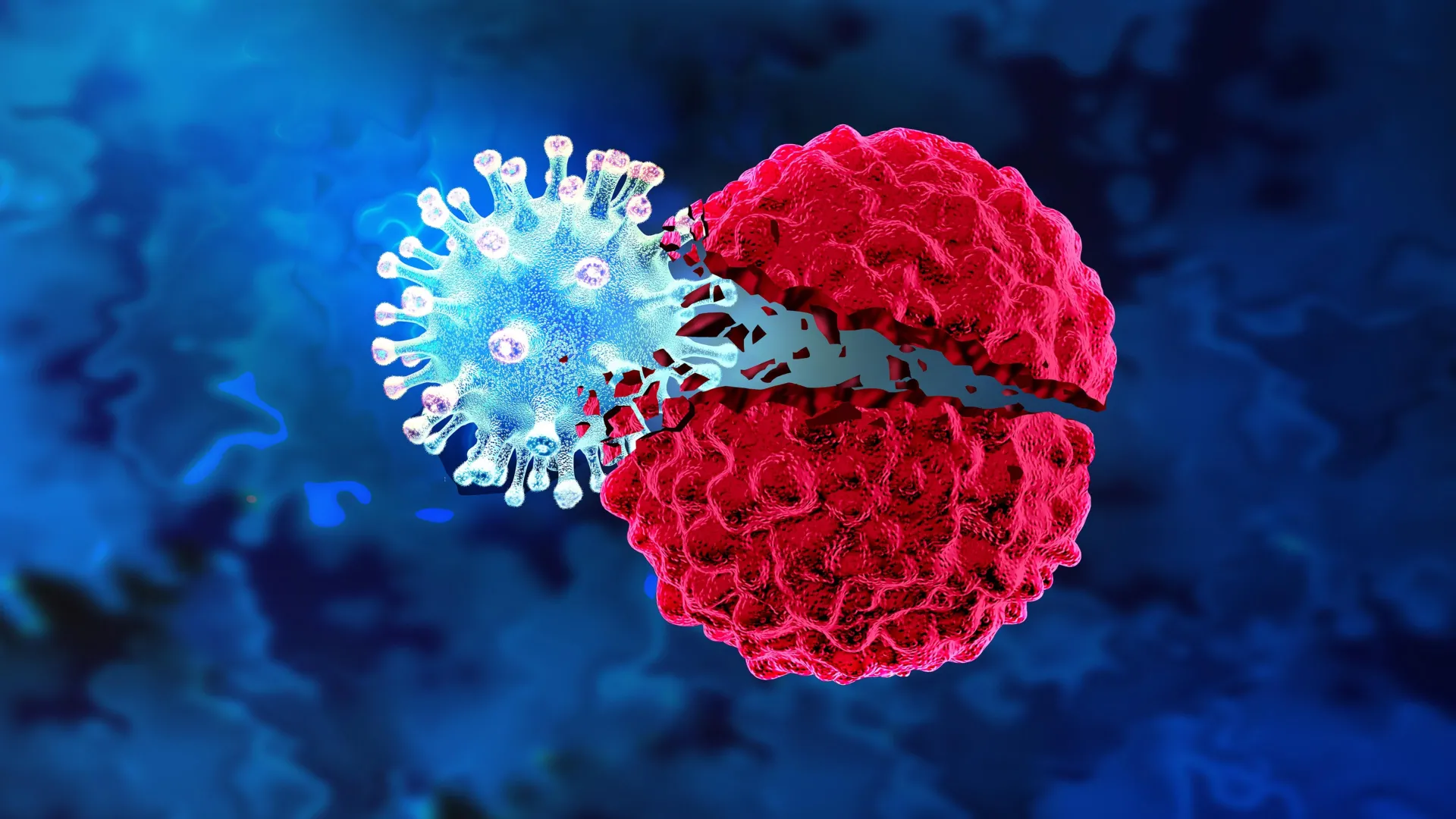
In a significant advancement for the field of synthetic biology and oncology, researchers at Columbia Engineering have engineered a sophisticated cancer therapy that facilitates a synergistic partnership between bacteria and viruses. This novel system, detailed in a study recently published in the journal Nature Biomedical Engineering, utilizes a "Trojan Horse" strategy to overcome some of the most persistent hurdles in modern cancer treatment. By encasing a therapeutic virus within a tumor-seeking bacterium, the research team from the Synthetic Biological Systems Lab has successfully demonstrated a method to smuggle viral payloads past the human immune system, ensuring their direct release within the heart of cancerous tumors.
The platform, designated as CAPPSID—an acronym for Coordinated Activity of Prokaryote and Picornavirus for Safe Intracellular Delivery—represents a landmark achievement in multi-organism therapy. Led by Tal Danino, an associate professor of biomedical engineering at Columbia, the project was a collaborative effort involving Charles M. Rice, a Nobel laureate and virology expert at The Rockefeller University. The study marks what researchers believe is the first instance of a directly engineered cooperation between bacteria and cancer-targeting viruses, moving beyond the limitations of single-agent microbial treatments.
The Dual-Microbe Strategy: Overcoming the Delivery Crisis
For decades, scientists have explored the potential of oncolytic viruses—viruses that specifically target and kill cancer cells—as a viable alternative to traditional chemotherapy and radiation. However, the primary obstacle to the widespread clinical adoption of oncolytic viruses has been the human immune system itself. Because many therapeutic viruses are derived from strains to which humans are naturally exposed, many patients possess pre-existing antibodies. These antibodies often neutralize the virus before it can reach the tumor site, rendering the treatment ineffective.
The CAPPSID system sidesteps this immunological barrier by utilizing the unique biological properties of Salmonella typhimurium. This specific strain of bacteria has a natural propensity to seek out the low-oxygen, nutrient-rich environments found within the necrotic centers of solid tumors. By programming these bacteria to carry the viral genome, the researchers created a biological "invisibility cloak."
"The bacteria act as a shield, hiding the virus from circulating antibodies and ferrying it directly to the site of the disease," explained Zakary S. Singer, a co-lead author of the study and former postdoctoral researcher in the Danino lab. This approach ensures that even patients with high levels of viral immunity could potentially benefit from oncolytic therapies, as the virus remains sequestered within the bacterial host until it reaches the intracellular environment of the tumor.
Technical Engineering and the Protease "Lock and Key"
The engineering of the CAPPSID platform involved complex genetic programming to ensure both efficacy and safety. The researchers utilized Salmonella typhimurium not just as a transport vehicle, but as a sophisticated delivery and activation hub. The bacteria were programmed to invade cancer cells and subsequently undergo lysis—a process of self-destruction—once inside the tumor environment. This lysis releases the viral RNA directly into the cytoplasm of the cancer cell.
Once the viral genome is released, it initiates the production of viral particles that infect and destroy the host cancer cell. However, a critical concern with any live virus therapy is the risk of "runaway" infections, where the virus might escape the tumor and begin attacking healthy tissue. To prevent this, the Columbia team implemented a sophisticated molecular safeguard.
The engineered virus was designed to be dependent on a specific enzyme—a protease—that is produced only by the engineered bacteria. Without this protease, the virus cannot complete its maturation process or form infectious particles. Because the bacteria are specifically localized within the tumor, the necessary "machinery" for viral replication is absent in healthy parts of the body. This synthetic dependence creates a localized cycle of infection that is confined strictly to the malignant mass.
"Spreadable viral particles could only form in the vicinity of bacteria," Singer noted, emphasizing that this double-layered control mechanism is essential for the eventual transition of these "living medicines" into human clinical trials.
Data and Validation in Preclinical Models
The efficacy of the CAPPSID system was validated through extensive testing in mouse models of various solid tumors. The data collected during these trials indicated that the combined bacteria-virus approach was significantly more effective than either agent used in isolation. While bacteria alone can target tumors, they often fail to eliminate every cancer cell. Conversely, while viruses are highly efficient at killing cells, they struggle with delivery and penetration.
In the study’s mouse models, the CAPPSID platform demonstrated:
- Enhanced Tumor Penetration: The bacteria successfully navigated to the deep, hard-to-reach core of the tumors, which are typically resistant to conventional drugs due to poor blood flow.
- Reduced Off-Target Toxicity: The protease-dependent maturation safeguard successfully prevented the virus from replicating in the liver, lungs, or other vital organs, even when trace amounts of the virus entered the bloodstream.
- Sustained Therapeutic Impact: The localized replication cycle allowed the therapy to persist within the tumor for a longer duration than traditional viral injections, leading to more significant tumor regression.
These results provide a robust proof-of-concept for the "toolkit" approach to cancer therapy, where different microbes are selected based on the specific requirements of the patient’s tumor type.
Collaborative Research and Official Responses
The success of the CAPPSID project is attributed to the interdisciplinary collaboration between Columbia Engineering and The Rockefeller University. By combining Danino’s expertise in synthetic biology and bacterial engineering with Rice’s deep understanding of viral replication, the team was able to solve problems that have plagued the field for years.
Jonathan Pabón, an MD/PhD candidate at Columbia and co-lead author, highlighted the clinical motivation behind the research. "As a physician-scientist, my goal is to bring living medicines into the clinic," Pabón stated. He emphasized that the current efforts are focused on translating this technology from the laboratory bench to the patient’s bedside.
The researchers have already filed a patent application (WO2024254419A2) with the U.S. Patent and Trademark Office, signaling their intent to move toward commercial development and clinical testing. The team is currently evaluating the platform’s compatibility with other bacterial strains that have already undergone safety testing in human clinical trials, which could accelerate the regulatory approval process.
Historical Context: From Coley’s Toxins to Synthetic Biology
The use of bacteria to treat cancer is not a entirely new concept, but the CAPPSID platform represents its most advanced iteration. In the late 19th century, Dr. William Coley, often called the "Father of Immunotherapy," noticed that some cancer patients experienced remission after developing bacterial infections. He developed "Coley’s Toxins," a mixture of killed bacteria, to stimulate the immune system against tumors.
While Coley’s work fell out of favor with the rise of radiation and chemotherapy, the last two decades have seen a resurgence of interest in microbial therapy. Modern synthetic biology has allowed researchers to move beyond using "wild" bacteria and instead design "programmable" microbes that can produce drugs, sense biomarkers, or, as in the case of CAPPSID, serve as a delivery system for even more potent agents.
The integration of virology into this framework represents the next logical step in this evolution. While oncolytic viruses like T-VEC (Talimogene laherparepvec) have already received FDA approval for specific cancers like melanoma, their delivery remains a challenge for internal solid tumors. The Columbia study suggests that the future of oncology may lie not in a single "magic bullet" drug, but in a coordinated ecosystem of engineered organisms working in tandem.
Broader Implications for the Future of Oncology
The implications of the CAPPSID study extend beyond the immediate results in mouse models. This research paves the way for a new class of "multi-organism" therapies that could potentially be applied to other diseases beyond cancer, such as autoimmune disorders or chronic infections where localized drug delivery is required.
Furthermore, the "toolkit" concept mentioned by the research team suggests a future of personalized medicine. Doctors could potentially "mix and match" different bacterial carriers and viral payloads based on a genomic analysis of a patient’s tumor. For example, a specific bacterium could be chosen for its ability to thrive in a particularly hypoxic lung tumor, while the viral payload could be engineered to express a specific cytokine that recruits the patient’s own T-cells to the site.
As the team moves toward clinical translation, they are expanding their testing to include a wider range of cancer types and more complex mouse models that better mimic the human immune environment. The goal is to refine the "sensing and responding" capabilities of the microbes, ensuring they can adapt to the shifting conditions inside a growing tumor.
In summary, the development of the CAPPSID platform by Columbia Engineering researchers marks a paradigm shift in how scientists view microbial therapy. By transforming bacteria from potential pathogens into sophisticated delivery vehicles, and viruses into precision-guided munitions, this research offers a promising new strategy in the ongoing battle against solid tumors. The successful integration of safety safeguards and immune-evasion tactics addresses the primary criticisms of living therapies, setting the stage for a new era of biological medicine.
