
 By Suherman Candra Maholtra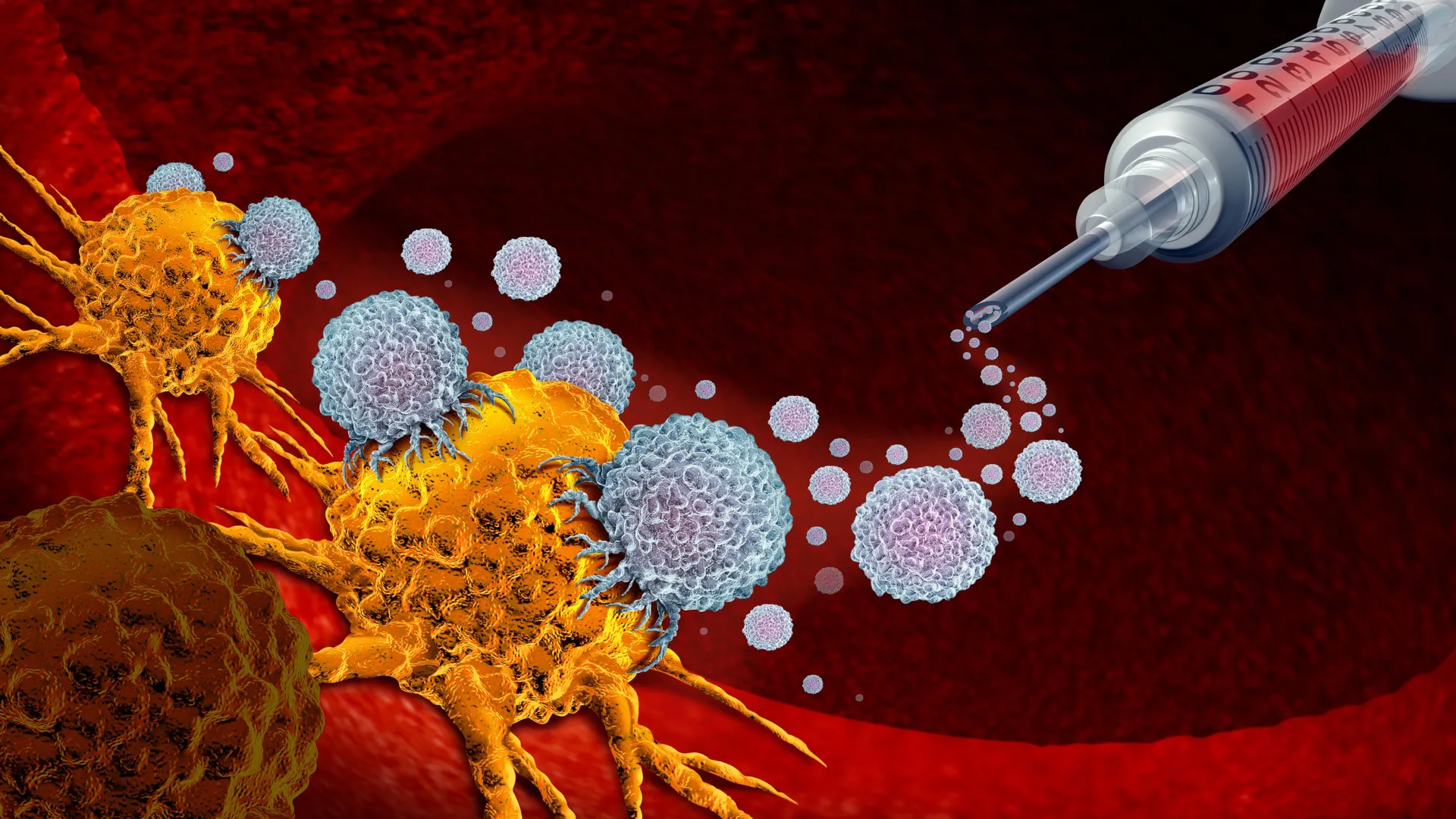
Researchers at the University of Florida have unveiled a groundbreaking study demonstrating that an experimental mRNA vaccine can significantly enhance the tumor-fighting capabilities of existing immunotherapies. Published in the journal Nature Biomedical Engineering, the study marks a pivotal advancement in oncology, moving the scientific community closer to a "universal" cancer vaccine designed to systematically alert the immune system to the presence of malignant cells. By pairing this novel vaccine with immune checkpoint inhibitors—standard anticancer drugs—the research team achieved a synergistic "one-two punch" effect that triggered a robust and sustained antitumor response in preclinical models.
The study, led by senior author Elias Sayour, M.D., Ph.D., a pediatric oncologist at UF Health, suggests a departure from traditional vaccine development strategies. Rather than engineering a vaccine to target a specific protein unique to a tumor, the UF team focused on a generalized approach that stimulates the immune system to react as if it were defending the body against a viral infection. This systemic "revving up" of the immune response was found to increase the expression of a protein called PD-L1 within the tumors themselves. While PD-L1 is often used by cancer cells to evade detection, its increased expression in this context paradoxically made the tumors more vulnerable to checkpoint inhibitor drugs, which are designed to block the "cloaking" mechanisms of cancer.
A Paradigm Shift in Cancer Vaccination
For decades, the development of cancer vaccines has followed two primary trajectories. The first involves identifying a "shared antigen"—a specific protein expressed by many different patients with the same type of cancer. The second is a personalized approach, where a vaccine is custom-tailored to the unique genetic mutations found within an individual patient’s tumor. While both methods have shown promise, they face significant hurdles, including the high cost of customization and the ability of tumors to mutate and "hide" their targeted antigens.
The University of Florida study introduces what co-author Duane Mitchell, M.D., Ph.D., describes as a "third emerging paradigm." This approach utilizes a non-specific mRNA vaccine to create a heightened immunologic environment throughout the body. By inducing a generalized state of alert, the vaccine appears to sensitize the immune system to the specific, yet unidentified, markers of the patient’s own tumor. This finding suggests that a single, standardized vaccine could potentially be used across a wide spectrum of cancer types, offering an "off-the-shelf" solution that eliminates the need for expensive and time-consuming personalization.
"This paper describes a very unexpected and exciting observation: that even a vaccine not specific to any particular tumor or virus—so long as it is an mRNA vaccine—could lead to tumor-specific effects," said Sayour, who serves as the principal investigator at the RNA Engineering Laboratory within UF’s Preston A. Wells Jr. Center for Brain Tumor Therapy.
Technical Mechanism: Waking Up "Cold" Tumors
The primary challenge in modern immunotherapy is the existence of "cold" tumors—malignancies that the immune system simply does not recognize as foreign. Because these tumors do not elicit an inflammatory response, T cells (the body’s primary cancer-fighting cells) do not infiltrate the tumor site. The UF research team utilized lipid nanoparticles to deliver mRNA instructions into the body, a delivery system similar to that used in COVID-19 vaccines. However, instead of coding for a viral spike protein, this formulation was engineered to trigger a broad inflammatory signal.
In mouse models of melanoma, bone cancer, and brain cancer, the researchers observed that the vaccine prompted previously dormant T cells to multiply and aggressively attack the tumors. By stimulating the production of PD-L1 inside the tumor microenvironment, the vaccine essentially "primed" the cancer cells to be destroyed by PD-1 inhibitors. PD-1 inhibitors are a class of monoclonal antibodies that prevent cancer cells from "turning off" T cells. When the vaccine and the inhibitor were used in tandem, the results were transformative, with some models showing the complete elimination of treatment-resistant tumors.
Chronology of Discovery and Clinical Evolution
The current breakthrough is the result of over eight years of dedicated research at the University of Florida. The timeline of this discovery reflects a steady progression from basic molecular biology to complex clinical applications:
- 2016–2020: Dr. Elias Sayour and his team began pioneering the use of lipid nanoparticles combined with mRNA to reprogram the immune system. Early studies focused on the fundamental mechanics of how RNA could serve as a blueprint for protein production within the immune microenvironment.
- 2023: The lab achieved a major milestone with a first-in-human clinical trial. In this trial, a personalized mRNA vaccine was administered to four patients suffering from glioblastoma, a notoriously aggressive and lethal form of brain cancer. The results showed that the vaccine could quickly reprogram the immune system to reject the tumor cells, providing a critical proof of concept for the mRNA delivery platform.
- 2024: The team shifted focus to the "generalized" vaccine approach. By moving away from the need for patient-specific tumor cells, they sought to create a more scalable and rapid treatment option. The findings published in Nature Biomedical Engineering represent the culmination of this transition, proving that the generalized vaccine can be just as effective—if not more so—than personalized versions when paired with immunotherapy.
Supporting Data and Preclinical Success
The efficacy of the universal vaccine was tested across several rigorous animal models. In studies involving melanoma, which is often resistant to conventional therapies once it metastasizes, the combination of the mRNA vaccine and PD-1 inhibitors led to a significant increase in survival rates compared to the use of either treatment alone.
Data from the bone and brain cancer models were equally compelling. In these instances, the mRNA formulation was tested as a monotherapy. Researchers found that even without the addition of checkpoint inhibitors, the vaccine was capable of inducing a strong enough immune response to shrink or entirely eradicate tumors in certain subjects. The key finding was the activation of T cells that were previously "exhausted" or non-functional. The vaccine essentially provided the necessary biological "noise" to alert these cells to the presence of the tumor, which they then targeted with high specificity.
The research received substantial backing from several high-profile institutions, including the National Institutes of Health (NIH) and various private foundations. This level of support underscores the scientific community’s interest in mRNA technology as a versatile tool for non-communicable diseases.
Official Responses and Strategic Implications
The implications of this research extend far beyond the laboratory. Duane Mitchell, who directs the UF Clinical and Translational Science Institute, emphasized the potential for this discovery to change the standard of care for cancer patients globally.
"It could potentially be a universal way of waking up a patient’s own immune response to cancer," Mitchell stated. "And that would be profound if generalizable to human studies."
Medical experts not directly involved in the study have noted that if these results are replicated in humans, it could solve one of the greatest logistical challenges in oncology: the time-to-treatment gap. Personalized vaccines often require weeks or months to manufacture, during which time a patient’s cancer may progress. An off-the-shelf universal vaccine could be administered immediately upon diagnosis, providing a critical head start in the battle against aggressive malignancies.
Furthermore, the study provides a new lens through which to view the role of PD-L1. Traditionally, high PD-L1 expression was seen as a hurdle to overcome; however, the UF study suggests that by intentionally inducing its expression via a vaccine, clinicians can make tumors more "visible" to the very drugs designed to target that pathway.
Future Outlook and Human Clinical Trials
With the success of the mouse models and the preliminary data from the four-patient glioblastoma trial, the University of Florida team is now focused on accelerating the transition to larger human clinical trials. The next phase of research will involve refining the mRNA formulations to ensure maximum safety and potency in humans.
The goal is to determine if the "generalized" vaccine can effectively treat a variety of human cancers, including those that have historically been resistant to immunotherapy. If successful, this could lead to a new era of "combination biologics," where mRNA vaccines are routinely prescribed alongside monoclonal antibodies to provide a comprehensive attack on cancer.
As the research moves forward, the scientific community remains cautiously optimistic. While mouse models do not always translate perfectly to human outcomes, the fundamental biological mechanism—using mRNA to simulate a viral threat and thereby unmask a tumor—represents a robust and logical evolution of immunotherapy. For patients with treatment-resistant cancers, this "universal" approach offers a new glimmer of hope in a field that has long searched for a way to turn the body’s own defenses against its most elusive internal enemy.
