
 By admin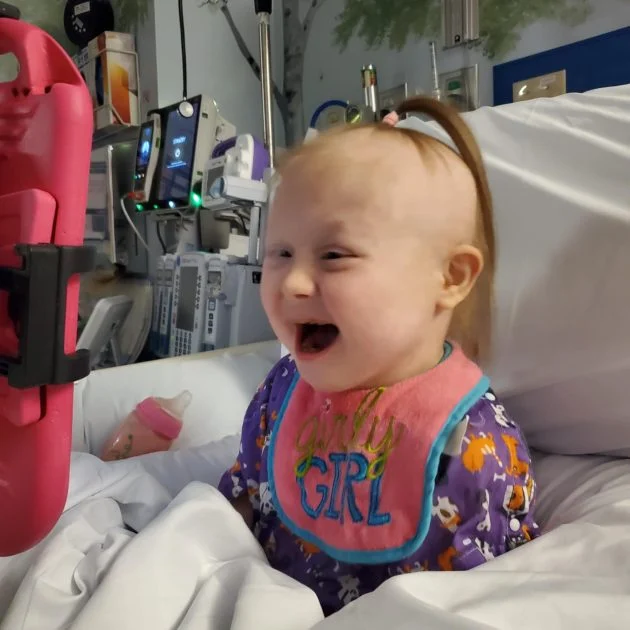
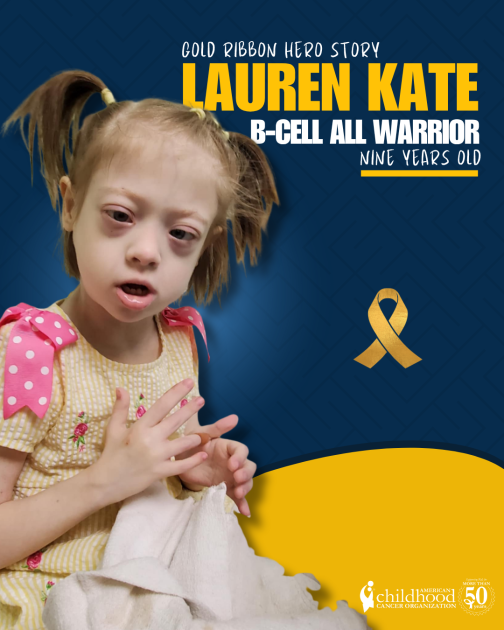
The intersection of pediatric oncology and genetic predispositions presents a complex landscape for medical professionals and families alike, as evidenced by the recent diagnosis of nine-year-old Lauren Kate with B-Cell Acute Lymphoblastic Leukemia (ALL). Already navigating the complexities of Down syndrome, Lauren Kate’s transition into the role of a "cancer warrior" began following a series of alarming physical symptoms that prompted immediate medical intervention in late 2025. Her case highlights not only the individual resilience of pediatric patients but also the broader clinical challenges associated with treating leukemia in children with chromosomal abnormalities.
Clinical Presentation and the Path to Diagnosis
The onset of Lauren Kate’s illness was characterized by subtle but persistent changes in her baseline behavior and physical condition. According to her family, the first indicators were a marked increase in lethargy and a departure from her usual vibrant personality. These symptoms were soon accompanied by the appearance of significant lymphadenopathy—large, palpable bumps under her neck. Recognizing these as red flags, her mother sought an urgent consultation with their primary care physician.
During the initial examination, clinical observations and preliminary blood work revealed a highly abnormal white blood cell count, a classic hallmark of hematologic malignancy. The urgency of the situation necessitated an immediate transfer to East Tennessee Children’s Hospital, a specialized facility equipped to handle complex pediatric oncology cases. Following an intensive battery of diagnostic tests, including blood smears and imaging, the formal diagnosis was delivered on September 23, 2025: B-Cell Acute Lymphoblastic Leukemia.
The diagnosis of ALL-B Cell leukemia represents a critical turning point for any family. For Lauren Kate’s relatives, the news was met with a combination of shock and disbelief, yet it immediately galvanized a support network dedicated to her recovery. The clinical team at East Tennessee Children’s Hospital moved swiftly to stabilize the patient and initiate a rigorous treatment protocol designed to address the aggressive nature of B-cell proliferation.
Understanding B-Cell Acute Lymphoblastic Leukemia (ALL)
Acute Lymphoblastic Leukemia is a type of cancer that originates in the bone marrow, the soft inner part of the bones where new blood cells are produced. It is characterized by the overproduction of immature lymphocytes, known as lymphoblasts. In Lauren Kate’s specific case, the malignancy affects the B-cells, which are responsible for producing antibodies and maintaining the body’s immune response.
B-cell ALL is the most common subtype of leukemia in children. While advancements in medical science have significantly improved the prognosis for pediatric ALL—with five-year survival rates now exceeding 90% in many demographics—the journey remains arduous. The disease progresses rapidly, requiring immediate and intensive therapy to prevent the "blasts" from crowding out healthy red blood cells, white blood cells, and platelets.
For a patient like Lauren Kate, the diagnosis is further complicated by her pre-existing condition of Down syndrome (Trisomy 21). Medical literature has long established a statistical link between Down syndrome and an increased risk of developing leukemia. Research suggests that children with Down syndrome are approximately 10 to 20 times more likely to develop ALL than their peers without the condition. This correlation is attributed to genetic mutations within the hematopoietic cells that occur more frequently in the presence of an extra 21st chromosome.
The Intersection of Down Syndrome and Pediatric Oncology
The clinical management of leukemia in children with Down syndrome requires a nuanced approach. While these patients often show a high sensitivity to certain chemotherapeutic agents—which can sometimes lead to better clearance of the cancer cells—they also face a higher risk of treatment-related toxicities.
Physicians must strike a delicate balance, ensuring the treatment is aggressive enough to achieve remission while monitoring for complications such as infections, mucositis, and gastrointestinal issues, which can be more severe in children with Trisomy 21. Lauren Kate’s medical team is tasked with tailoring a regimen that accounts for these physiological variables. Her journey involves not just the eradication of malignant cells but the careful preservation of her overall health and developmental progress.
Chronology of Treatment and Medical Procedures
Since her diagnosis in September 2025, Lauren Kate has undergone an intensive series of medical interventions. The standard of care for B-cell ALL typically begins with an "induction phase," a period of high-intensity chemotherapy aimed at achieving complete remission.
To facilitate the delivery of these potent medications, Lauren Kate underwent a surgical procedure for a port insertion. An implanted port allows medical staff to administer chemotherapy, fluids, and nutrition directly into the bloodstream without the need for repeated needle sticks in the arms or hands. It also simplifies the process of frequent blood draws, which are essential for monitoring her response to treatment.
In addition to systemic chemotherapy, Lauren Kate has required several lumbar punctures, also known as spinal taps. These procedures are vital in pediatric ALL treatment to check for the presence of leukemia cells in the cerebrospinal fluid and to administer "intrathecal" chemotherapy. This targeted delivery ensures that the central nervous system is protected from the disease, as many standard chemotherapy drugs cannot cross the blood-brain barrier.
The diagnostic and monitoring process has also included bone marrow aspirations and biopsies. These procedures involve taking samples of the marrow to assess the percentage of leukemic blasts remaining in the body. For a nine-year-old, the frequency of these invasive procedures is a testament to her endurance and the dedication of her care team.
The Impact on Family and the Role of Support Systems
The logistical and emotional burden of a pediatric cancer diagnosis extends far beyond the patient. For Lauren Kate’s family, the months following the diagnosis have been defined by countless days away from home and the disruption of daily routines. The family has had to navigate the complexities of hospital stays, the management of side effects, and the constant vigilance required when caring for an immunocompromised child.
Despite the clinical environment, the family has made concerted efforts to maintain a sense of normalcy for Lauren Kate. Her interests, such as watching her favorite television program, Bubble Guppies, and spending time with her sister, Emma, serve as vital emotional anchors. These moments of joy are not merely distractions; they are essential components of holistic care, supporting the mental health of the patient during prolonged hospitalizations.
Support organizations, such as the American Childhood Cancer Organization (ACCO), play a pivotal role in these scenarios. By providing resources, advocacy, and community connections, these organizations help families navigate the healthcare system and find solidarity with others facing similar challenges. The ACCO’s emphasis that "kids can’t fight cancer alone" resonates deeply in Lauren Kate’s case, where a multidisciplinary team of doctors, nurses, and family members must work in unison.
Broader Implications for Pediatric Cancer Research
Lauren Kate’s story is a microcosm of the ongoing battle against childhood cancer in the United States. While survival rates have improved, cancer remains the leading cause of death by disease for children past infancy. Cases like Lauren Kate’s highlight the need for continued research into targeted therapies that reduce long-term side effects and address the specific needs of children with genetic predispositions.
Data from the National Cancer Institute (NCI) indicates that while pediatric cancers are relatively rare, the "years of life lost" and the long-term health implications for survivors are significant. Many survivors of childhood ALL face "late effects," including cardiac issues, secondary malignancies, and cognitive challenges. Research focusing on the unique biological markers of B-cell ALL in children with Down syndrome is particularly crucial for developing "precision medicine" approaches that could minimize these risks.
Furthermore, the role of regional centers like East Tennessee Children’s Hospital is vital. These institutions provide specialized care that allows families to stay closer to their communities while receiving world-class treatment. The availability of pediatric-specific oncology units ensures that the unique physiological and psychological needs of children are met in a way that adult facilities cannot replicate.
Conclusion: A Testament to Courage
As of late 2025, Lauren Kate remains in the midst of her treatment journey. Her path has been marked by significant medical milestones—from the initial shock of the white blood cell reports to the endurance required for chemotherapy and bone marrow procedures. Her status as a "warrior" is defined not just by the medical treatments she receives, but by her ability to find happiness in the company of her sister and her favorite shows despite the rigors of her condition.
The case of Lauren Kate serves as a reminder of the resilience inherent in pediatric patients and the critical importance of early detection and specialized care. While the road ahead for any ALL patient is long, the combination of medical expertise, family devotion, and community support provides a framework for hope. As the medical community continues to refine its understanding of the link between Down syndrome and leukemia, Lauren Kate’s journey will contribute to the collective knowledge that helps protect and heal future generations of children.
The fight against childhood cancer is a collective endeavor. Through the support of research, the dedication of healthcare professionals, and the advocacy of organizations like the ACCO, the goal remains clear: to ensure that every child, regardless of their genetic starting point, has the opportunity to overcome their diagnosis and return to a life defined by joy rather than illness.
