
 By admin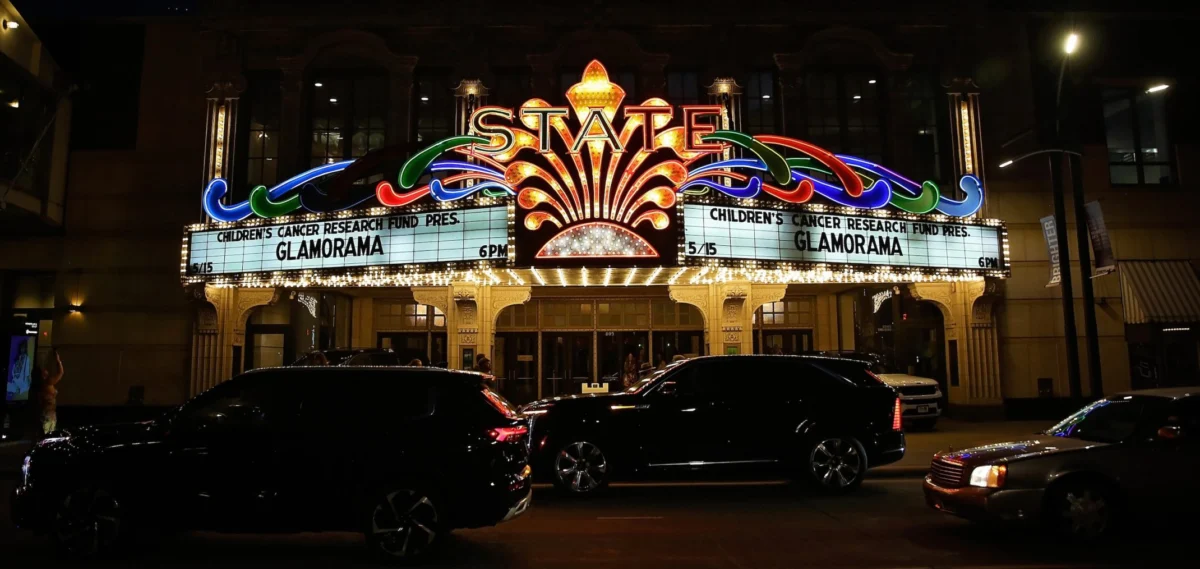
The cultural landscape of the Twin Cities witnessed a significant revival this week as Glamorama, the storied fashion extravaganza that defined Minneapolis social calendars for decades, made its official return after a ten-year hiatus. Staged at the historic State Theatre in downtown Minneapolis, the event transcended the traditional runway format, evolving into a multi-sensory immersion designed to generate critical funding and awareness for the Children’s Cancer Research Fund (CCRF). The evening served as both a nostalgic nod to the event’s prestigious history and a forward-looking manifesto for pediatric cancer advocacy, blending high-concept couture with the urgent realities of medical research.
The Resurrection of a Minneapolis Institution
For those familiar with the Twin Cities’ retail and social history, the return of Glamorama marks the restoration of a local landmark. Originally launched by the Dayton’s department store and later carried on by Marshall Field’s and Macy’s, Glamorama was once a touring spectacle that visited major hubs like Chicago and Los Angeles, with Minneapolis serving as its spiritual home. At its height, the show was known for its high production values, celebrity appearances, and its role as the primary fundraiser for CCRF.
The event’s disappearance in 2014, following shifts in corporate retail strategies, left a void in the local philanthropic scene. Its return in 2024, however, was characterized by a shift toward a more intimate yet immersive experience. Rather than a standard catwalk, the State Theatre was transformed into a series of "imagination worlds," a creative choice that organizers indicated was intended to bridge the gap between the sophisticated world of high fashion and the vibrant, resilient spirits of the children the event serves.
A Vision Driven by Young Survivors
The thematic core of the evening was rooted in the personal narratives and imaginations of five local children currently or formerly battling cancer: Fritz, Isaac, Valerie, Anikah, and Alice. These "visionaries" served as the primary inspiration for the night’s creative direction, overseen by Grant Whittaker, a longtime stylist and creative director who has been a staple of the Twin Cities fashion community for years.
"This night was inspired by five incredible kids," stated Kenna Dooley, Chief Development Officer of the Children’s Cancer Research Fund, during the event’s opening remarks. Dooley emphasized that the textures, colors, and choreography presented on stage were not merely aesthetic choices but were "their worlds—their imaginations—brought to life."
By centering the production on the perspectives of children, the event successfully avoided the common pitfall of philanthropic galas becoming detached from their cause. Each segment of the show represented a different facet of childhood wonder, translated through the lens of avant-garde fashion and professional choreography. This approach provided a tangible link between the donors in the audience and the beneficiaries of the research being funded.
Musical Heritage and High-Energy Performance
To amplify the "glam" in Glamorama, the production leaned heavily into the history of house and dance music, securing three of the most influential voices of the 1990s: CeCe Peniston, Crystal Waters, and Robin S. The choice of performers was strategic, appealing to a demographic of long-term CCRF supporters while providing a high-energy backdrop for the fashion segments.
CeCe Peniston, best known for the anthem "Finally," delivered a performance that resonated with the themes of celebration and resilience. Crystal Waters brought a sophisticated, rhythmic energy to the stage, while Robin S., whose hit "Show Me Love" remains a staple of fashion runways globally, provided a powerful vocal climax to the evening. These performances were integrated directly into the fashion experiences, moving away from the "intermission performance" model and instead creating a seamless flow where music, movement, and clothing functioned as a single narrative unit.
The Critical State of Pediatric Cancer Research
While the evening was a celebration of style, the underlying data regarding pediatric cancer provided a sobering context for the festivities. According to the National Cancer Institute, while survival rates for many childhood cancers have improved significantly over the last 50 years, cancer remains the leading cause of death by disease for children in the United States.
Elizabeth Allen, CEO of the Children’s Cancer Research Fund, addressed the necessity of private funding in her remarks. "Only through bold support can we change what’s possible for kids and families facing cancer," Allen stated. She noted that federal funding for cancer research often prioritizes adult cancers, leaving pediatric research heavily dependent on organizations like CCRF.
The Children’s Cancer Research Fund has historically focused its efforts on funding "seed grants"—initial investments in innovative research projects that might be considered too "high-risk" for federal funding. These grants allow researchers to gather the preliminary data necessary to qualify for larger government grants from the National Institutes of Health (NIH). Since its inception in 1981 at the University of Minnesota, CCRF has contributed over $200 million to research, education, and family support services.
Corporate and Community Synergy
The return of Glamorama was made possible through a coalition of local and national sponsors, reflecting a broad base of community support. Key sponsors included 50th and France, Grethen House, Fashion Avenue, Kowalski’s, Landscape Structures, Martha Dayton Design, MartinPatrick 3, Opitz, Odele, and Park Chrysler Jeep.
The involvement of local boutiques like MartinPatrick 3 and Grethen House underscored the event’s commitment to the Twin Cities’ own fashion ecosystem. By featuring local retailers alongside international couture, the event highlighted the economic and creative vitality of the Minneapolis-St. Paul metro area. Furthermore, the inclusion of non-fashion sponsors like Kowalski’s (a regional grocer) and Landscape Structures (a playground equipment manufacturer) demonstrated the cross-sector appeal of the CCRF mission.
Chronology of the Evening: From Red Carpet to Runway
The event followed a structured timeline designed to maximize engagement and storytelling:
- The Arrival: Guests arrived at the State Theatre for a red-carpet entry that channeled the "Old Hollywood" glamour of the venue, which opened in 1921.
- Opening Plenary: Remarks from CCRF leadership established the night’s goals and introduced the "Five Visionaries" (the children) whose stories anchored the production.
- The Immersive Experience: The main program consisted of thematic segments. Unlike traditional shows where models walk a straight line, this production utilized the entire stage and parts of the house, incorporating textured sets and digital projections.
- Musical Interludes: CeCe Peniston, Crystal Waters, and Robin S. performed throughout the night, with their sets synchronized to specific fashion collections.
- The Final Walk: A collective finale featured all models and performers, culminating in a call to action for continued support of the research fund.
Analysis of Social and Economic Impact
The revival of Glamorama is significant for several reasons. Socially, it signals a renewed interest in large-scale, in-person philanthropic events in the post-pandemic era. For the Twin Cities, it serves as a morale booster for the downtown district, which has been working to regain its status as a premier destination for entertainment and culture.
Economically, the event serves as a major fundraising engine. While the final totals for the 2024 event have yet to be fully audited, historical data suggests that Glamorama has the potential to raise seven-figure sums in a single evening. These funds are vital for sustaining the University of Minnesota’s position as a global leader in pediatric blood and marrow transplantation research.
Furthermore, the "Glamorama" brand carries significant weight. Its return suggests that the Children’s Cancer Research Fund is looking to capitalize on "nostalgia marketing" to re-engage a donor base that remembers the event’s heyday, while simultaneously introducing a new generation of philanthropists to the cause through modern, immersive production techniques.
Looking Toward the Future
As the curtains closed on the State Theatre stage, the message from CCRF leadership was clear: this is not a one-off revival, but a strategic rebuilding of a movement. Elizabeth Allen emphasized that Glamorama is "more than one night of giving." It is a platform intended to spark meaningful connections and build "lasting momentum" for childhood cancer research.
The success of the evening will likely be measured not just in dollars raised, but in the sustained engagement of the community. By blending the high-stakes world of medical research with the vibrant world of high fashion, Glamorama has once again positioned itself as a unique and essential component of the Twin Cities’ philanthropic identity.
In an era where charitable giving is increasingly digital and transactional, the return of a physical, experiential event like Glamorama serves as a reminder of the power of collective experience. As research continues to advance toward more effective treatments and, eventually, cures for pediatric cancers, the support generated by such events remains a cornerstone of medical progress. For the families of Fritz, Isaac, Valerie, Anikah, and Alice, the night was more than a fashion show—it was a public validation of their courage and a promise of a future where childhood cancer is a thing of the past.
