
 By admin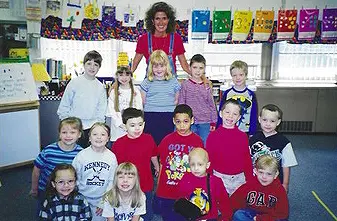
In August, two women will embark on a 25.5-mile journey across the rugged terrain of Minnesota’s Superior Hiking Trail, driven by a bond forged in a kindergarten classroom more than two decades ago. Michele Benyo, a mother who lost her son to cancer, and Alicia Gossen, a childhood friend of that son, are participating in the CureSearch Ultimate Hike. This endurance event serves as both a fundraiser for pediatric cancer research and a poignant memorial for David Benyo, whose battle with rhabdomyosarcoma ended in 2000. Their story highlights the enduring impact of childhood illness on families and communities, as well as the critical need for continued investment in specialized pediatric oncological treatments.
The Life and Medical Journey of David Benyo
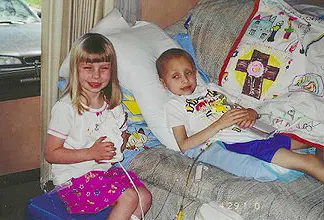
The narrative begins in December 1997, when David Benyo’s parents first observed symptoms that led to a diagnosis of rhabdomyosarcoma. David was only four years old at the time. Rhabdomyosarcoma is a rare type of cancer that forms in soft tissue—specifically skeletal muscle tissue or sometimes hollow organs such as the bladder or uterus. In David’s case, the initial tumor was described as being the size of a grapefruit, a staggering physical burden for a preschool-aged child.
For the next two and a half years, David underwent an aggressive regimen of treatments that were standard for high-risk pediatric cases in the late 1990s. This included intensive chemotherapy, surgical intervention to remove the primary tumor, and numerous blood transfusions. Despite the grueling nature of the treatment, David was noted for his resilient spirit, often identifying himself as a "cheetah" to the nursing staff at Minneapolis Children’s Hospital—a metaphor for his perceived strength and speed in the face of adversity.
The initial phase of treatment appeared successful. David entered a period of remission, allowing his family to participate in a trip to Disney World sponsored by the Make-A-Wish Foundation. However, the respite was brief. Shortly after returning, clinicians discovered the cancer had metastasized to his bone marrow. The medical team responded with escalated measures, including high-dose chemotherapy and radiation. David became one of the first pediatric patients at Minneapolis Children’s Hospital to undergo a stem cell transplant, a procedure that was then on the cutting edge of pediatric oncology. While he achieved a second remission, the cancer returned for a third time. At the age of six, facing a terminal prognosis and the exhaustion of available medical options, David and his family chose to transition to palliative care. He passed away in May 2000.
Longitudinal Impact: The Story of Alicia Gossen
The death of a child creates a ripple effect that extends far beyond the immediate family. Alicia Gossen, then a kindergarten classmate of David, was among those deeply affected. Alicia and David shared a connection that spanned their school hallways and their local church, where Alicia’s mother served as David’s Sunday school teacher. The loss of David marked Alicia’s first significant encounter with death, leading to a long-term aversion to the subject of cancer—a common psychological response in children who experience the loss of a peer.
Despite the pain associated with the memory, Alicia maintained a consistent relationship with Michele Benyo. This connection culminated in a significant gesture during Alicia’s high school graduation. Alicia invited Michele to the ceremony and presented her with a locket containing David’s photograph and the inscription, "We remember." Alicia stated at the time that David "walked across the stage" with her, symbolizing the persistent presence of his memory in the lives of his peers.
Today, Alicia serves as a special needs teacher at the same elementary school she and David attended. Her commitment to the Benyo family was further solidified following the recent death of her own mother—David’s former Sunday school teacher—to cancer. This double loss served as the catalyst for Alicia to join Michele in the CureSearch Ultimate Hike, transforming personal grief into philanthropic action.
Understanding Rhabdomyosarcoma and Pediatric Oncology Data
David’s diagnosis of rhabdomyosarcoma (RMS) places him within a specific demographic of pediatric oncology. According to the American Cancer Society, RMS accounts for approximately 3% to 4% of all childhood cancers. There are about 400 to 500 new cases diagnosed each year in the United States in children and adolescents under the age of 20.
While survival rates have improved significantly since the 1970s, the prognosis for patients with metastatic or recurrent disease remains challenging. For children with localized RMS, the five-year survival rate is currently estimated at approximately 70% to 90%. However, if the cancer has spread to distant parts of the body at the time of diagnosis, the five-year survival rate drops to roughly 20% to 30%. In the late 1990s, when David was undergoing treatment, many of the targeted therapies and immunotherapies available today were still in early developmental phases or non-existent.
The clinical path David followed—chemotherapy, surgery, and stem cell transplantation—represents the traditional "three-pillar" approach to aggressive pediatric cancer. The fact that he was among the first to receive a stem cell transplant at his facility underscores the role that regional children’s hospitals play in advancing clinical trials and high-stakes interventions.
The CureSearch Ultimate Hike: Mission and Logistics
The event that Michele and Alicia are preparing for is the CureSearch Ultimate Hike, a signature fundraising initiative for CureSearch for Children’s Cancer. CureSearch is a national non-profit organization that focuses on accelerating the development of new, less toxic treatments for pediatric cancer. Their primary goal is to bridge the gap between laboratory research and clinical trials, ensuring that promising discoveries reach patients more quickly.
The Superior Hiking Trail (SHT) in Minnesota provides a grueling backdrop for this mission. The trail follows the rocky ridgeline overlooking Lake Superior, characterized by steep elevation changes, exposed roots, and jagged "sawtooth" topography. Michele and Alicia will cover 25.5 miles in a single day. This distance is more than a physical challenge; it is designed to mirror the endurance required of families navigating a cancer diagnosis.
Fundraising from the Ultimate Hike series is directed toward several key areas:
- Accelerating Clinical Trials: Funding the infrastructure necessary to move drugs from the lab to the hospital.
- Young Investigator Grants: Supporting the next generation of pediatric oncologists to ensure continued innovation in the field.
- Targeted Research: Focusing on cancers that have seen little improvement in survival rates over the last few decades, including high-risk rhabdomyosarcoma.
Analysis of Implications: The Importance of Pediatric-Specific Research
The story of David Benyo highlights a critical issue in the medical community: the disparity between adult and pediatric cancer research. Historically, pediatric oncology has received significantly less federal funding compared to adult cancers. This "funding gap" often means that children are treated with "off-label" drugs originally designed for adults, which can lead to severe long-term side effects, including secondary cancers, heart disease, and cognitive impairments.
Advocacy groups like CureSearch argue that children’s bodies require different therapeutic approaches because their cells are dividing more rapidly and their organs are still developing. The move toward "precision medicine"—where treatments are tailored to the genetic makeup of a specific tumor—is particularly vital in pediatric cases.
By participating in the Ultimate Hike, Michele and Alicia are contributing to a shift in how these diseases are funded. Their efforts emphasize that while David’s story ended in 2000, the data gathered from his treatment and the awareness raised by his legacy continue to inform modern medicine. The participation of a childhood friend, decades later, also underscores the sociological importance of "legacy projects" in the healing process for grieving communities.
Conclusion: A Path Toward Hope
As Michele Benyo and Alicia Gossen prepare for their August trek, they carry the weight of two decades of history. For Michele, the hike is a continuation of her role as David’s advocate. For Alicia, it is a way to honor both a childhood friend and her late mother.
The 25.5 miles of the Superior Hiking Trail represent a physical manifestation of a long journey through grief and toward a future where pediatric cancer is no longer a terminal diagnosis. Through the efforts of CureSearch and individual hikers like Benyo and Gossen, the goal remains clear: to fund the breakthroughs that will allow future "cheetahs" to not only fight their battles but to survive them and walk across their own graduation stages.
For those interested in supporting the cause or participating in future events, CureSearch provides resources and registration details on their official platform, maintaining the momentum for research that David Benyo’s story helped ignite more than 25 years ago.
