
 By Lina carolina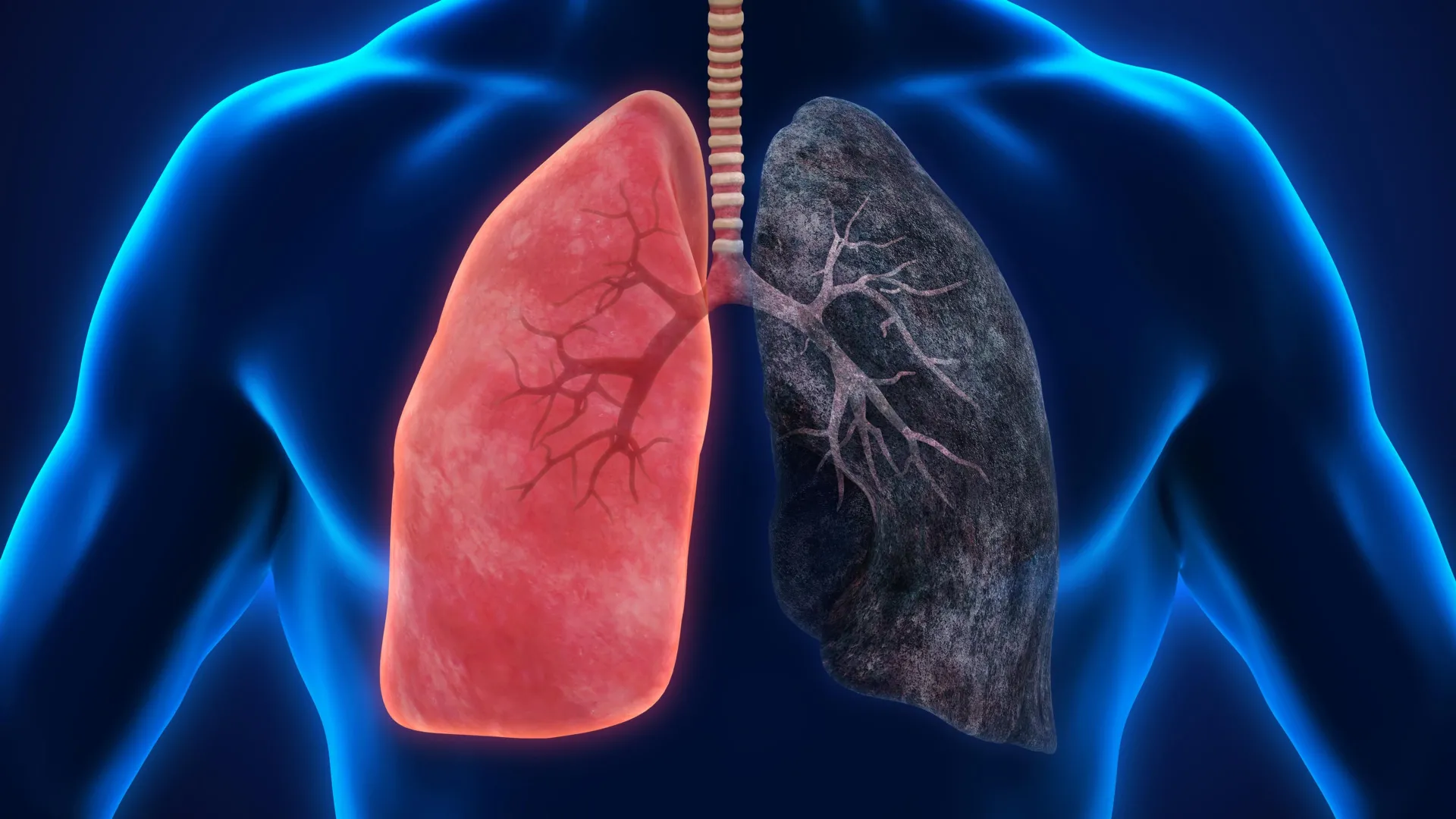
As the legal status of cannabis shifts across the United States, moving from a strictly prohibited substance to a regulated commodity in numerous states, a widespread perception of relative safety has taken root. However, when examining the complex relationship between marijuana and cancer, the scientific picture remains decidedly less clear and significantly more nuanced than this popular assumption suggests. While the causal link between tobacco smoking and lung cancer has been definitively established over decades of rigorous research, scientists are still actively engaged in unraveling the intricate ways in which cannabis consumption might influence an individual’s cancer risk. This ongoing investigation is critical for public health messaging and individual decision-making as the accessibility of marijuana continues to expand.
Unpacking the Growing Body of Evidence
Researchers are persistently probing the question of whether smoking marijuana elevates the likelihood of developing various forms of cancer. A significant contribution to this ongoing dialogue comes from a recent study conducted by Keck Medicine of USC. This research, spearheaded by Dr. Niels Kokot, an otolaryngologist affiliated with the USC Caruso Department of Otolaryngology—Head and Neck Surgery, identified a concerning trend: individuals who reported smoking substantial quantities of marijuana appeared to face a demonstrably higher risk of both small cell lung cancer (SCLC) and non-small cell lung cancer (NSCLC). This finding is particularly salient given the millions of Americans who now have legal access to cannabis for medical or recreational purposes.
Further reinforcing the potential links between heavy cannabis use and malignancy, Dr. Kokot and his research team published findings from another study that indicated a striking correlation. Their report revealed that individuals who engaged in daily marijuana use were between 3.5 and 5 times more likely to develop head and neck cancers compared to those who abstained from cannabis. These head and neck cancers encompass a range of malignancies affecting critical anatomical regions, including the oral cavity, pharynx, larynx, oropharynx (which involves the tongue, tonsils, and the posterior wall of the throat), and adjacent salivary glands. The implications of these findings are substantial, particularly for communities where high rates of cannabis consumption are observed.
Defining "Heavy Use": A Critical Threshold
A central question that continues to elude definitive answers is the precise quantity of marijuana consumption that constitutes a tipping point, beyond which the risk of developing cancer begins to escalate. While the evidence linking heavy marijuana smoking to an increased cancer burden is steadily accumulating, the exact dose-response relationship remains an active area of scientific inquiry.
Dr. Brooks Udelsman, a thoracic surgeon with USC Surgery at Keck Medicine of USC, articulates this uncertainty, stating, "What we don’t know right now is the dose relationship. So, if someone smokes marijuana occasionally once a week, once a month or a few times a year, do they still have that same risk? My suspicion is that there is probably minimal risk. All we know right now is that people who smoke a lot of marijuana—to the point that they develop a dependency on it or require hospital care or evaluation for it—do appear to have a higher cancer risk." This distinction between occasional and chronic, heavy use is crucial for public health advisement.
The scientific community is also extending its investigative gaze to other potential cancer types that may be associated with heavy marijuana use. Investigations are underway to determine whether significant cannabis consumption is linked to an increased incidence of bladder cancer and various gastrointestinal cancers.
"With tobacco, we do see an increased prevalence of bladder cancer. Whether that relationship is also the same for heavy marijuana smoking, we don’t know," Dr. Udelsman elaborates. "That’s why we’re trying to determine what the risks are so that people can know what risks they’re taking." This commitment to understanding and disseminating risk information underscores the evolving nature of cannabis research and its imperative to inform public health strategies.
The Evolving Understanding of Cannabis Consumption Methods
Beyond the act of smoking, the landscape of marijuana consumption has diversified significantly. Edibles, tinctures, and concentrates have become increasingly popular alternatives. When considering cancer risk, a key question arises: are these non-smoking methods equally concerning, particularly regarding lung cancer?
Current evidence suggests that non-smoking methods, such as the ingestion of edibles, are unlikely to contribute to an increased risk of lung cancer. "Probably not," asserts Dr. Udelsman. "The risk is harder to track because there isn’t a lot of data on it yet, but as of now there does not seem to be a relationship between edibles and lung cancer. We don’t yet know if there is a link to other types of cancers, however." This distinction is important, as it highlights that the mode of delivery may significantly alter the associated health risks.
The Biological Mechanisms: Why Smoke Might Pose a Risk
The potential for marijuana smoke to increase cancer risk is rooted in its chemical composition and its physiological effects. According to Dr. Udelsman, any substance that induces prolonged inflammation within the body can, over time, elevate the risk of developing cancer. Tobacco smoke, a well-documented carcinogen, contains a complex cocktail of over 7,000 chemicals, with approximately 70 of these being definitively linked to cancer. Significantly, some of these same carcinogenic compounds are also present in marijuana smoke.
Furthermore, Dr. Udelsman points to the role of THC (tetrahydrocannabinol), the primary psychoactive component of cannabis. THC has been associated with the conversion of polycyclic aromatic hydrocarbons (PAHs) into more potent forms. PAHs are known environmental pollutants that can trigger inflammatory responses and directly damage DNA. "Anytime inflammation and changes to DNA occur, you’re at risk for developing cancer," he explains, underscoring the fundamental biological processes involved.
Secondhand Smoke: A Lingering Question
The impact of secondhand marijuana smoke on cancer risk remains an area where scientific certainty is limited. While definitive evidence establishing a causal link to lung cancer is currently lacking, Dr. Udelsman suggests that a potential risk cannot be entirely dismissed. The concern stems from the possibility that individuals exposed to secondhand marijuana smoke may inhale inflammatory particles, which are believed to play a role in cancer development. This parallels concerns surrounding secondhand tobacco smoke, which has been unequivocally linked to numerous health problems, including cancer.
Specific Lung Cancers and Their Association with Marijuana
Lung cancer is broadly categorized into two primary types: small cell lung cancer (SCLC) and non-small cell lung cancer (NSCLC). Historically, SCLC has shown a particularly strong association with tobacco smoking. However, emerging research indicates a potential link between marijuana smoking and this aggressive form of lung cancer. "It’s almost unheard of to get small cell lung cancer without some type of inhalational injury," Dr. Udelsman notes, implying that inhaled irritants, including those found in marijuana smoke, could contribute to its development.
Similarly, NSCLC also appears with greater frequency among individuals who smoke marijuana. "We also see an increase in non-small cell lung cancer in smokers of both tobacco and marijuana, so both types are increased when compared to nonsmokers," he adds. This observation suggests that while tobacco remains the dominant risk factor, cannabis smoke may also contribute to the incidence of both major lung cancer subtypes.
Vaping Marijuana: Emerging Concerns and Unknowns
The advent of electronic cigarettes and vaping devices has introduced new avenues for substance consumption, including marijuana. Initially, vaping tobacco was promoted as a safer alternative to traditional smoking. However, medical professionals are now observing a rise in severe inflammatory lung diseases linked to vaping, although a direct causal link to cancer has not yet been established. "But we are starting to see some very severe inflammatory diseases—not cancers, but benign diseases—from vaping," Dr. Udelsman states.
Given that vaping has only been a widespread phenomenon for approximately 15 years, researchers have not had sufficient time to conclusively determine its long-term impact on lung cancer risk. This same uncertainty extends to the vaping of marijuana. "The data on vaping is very new, so we don’t know yet, but I’d worry about anything you’re breathing into your lungs because it infiltrates the cells and air sacs in your lungs, which can cause damage and put you at a higher risk for cancer," Dr. Udelsman warns. This cautionary stance emphasizes the unknown long-term consequences of inhaling aerosolized substances into the delicate lung tissue.
The Crucial Distinction: Occasional vs. Heavy Use
Despite the emerging data highlighting potential risks, Dr. Udelsman expresses a measured perspective regarding the broader public health implications. He does not anticipate that widespread recreational marijuana use will trigger an epidemic of lung cancer. His concern is primarily directed towards chronic, heavy consumption. "I worry less about occasional use and the slight inflammation that it might cause for a temporary period. Your body probably recovers from that very quickly, with very little damage," he clarifies. "I’m more worried about chronic, heavy exposure: people who are using marijuana every day, multiple times a day. That’s where I think you can start to build up injury. Those are the people data today shows are at risk for developing cancer, similar to tobacco."
This nuanced perspective underscores the importance of personalized risk assessment. Individuals who identify as heavy marijuana users are strongly encouraged to engage in open discussions with their healthcare providers. A medical professional can offer a comprehensive evaluation of personal cancer risk, potentially recommend tailored screening protocols, and guide appropriate follow-up care. As the legal and social acceptance of cannabis continues to evolve, so too must our understanding of its complex health implications, demanding ongoing research and informed public discourse. The scientific community’s diligent work in this area is vital for ensuring that individuals can make informed decisions about their health in the context of this rapidly changing landscape.
