
 By George Ongkojoyo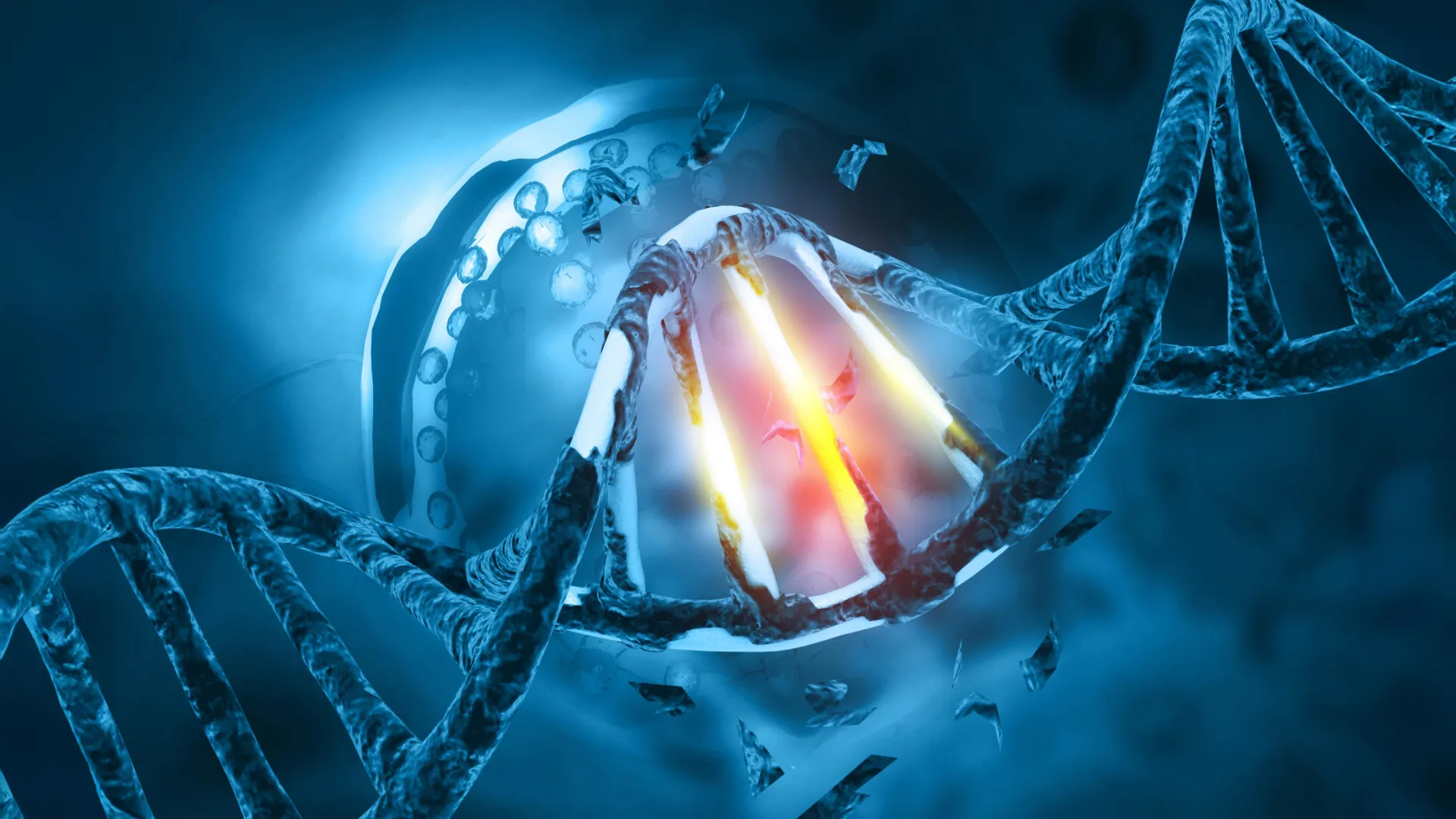
The fundamental understanding of oncology has long rested on the premise that tumor suppressor genes and DNA repair proteins act as the body’s primary line of defense against the cellular chaos that leads to malignancy. These biological agents are tasked with the meticulous maintenance of the genome, repairing the thousands of DNA lesions that occur daily within a single cell. However, a groundbreaking study from the Penn State College of Medicine has challenged the traditional "more is better" view of DNA repair. The research, recently published in the prestigious journal Nature Communications, reveals that an overabundance of a specific repair protein, EXO1, can actually subvert the body’s protective mechanisms, driving the very genomic instability it is meant to prevent.
This discovery introduces a significant shift in how researchers view the mechanics of cancer development and, more importantly, how clinicians might identify candidates for specialized therapies. By demonstrating that excessive EXO1 activity mimics the effects of BRCA mutations—even in patients who do not possess such mutations—the study opens the door for a much broader application of targeted cancer drugs that were previously reserved for a narrow subset of the patient population.
The Paradox of DNA Repair and Genomic Instability
In a healthy cellular environment, EXO1 (Exonuclease 1) functions as a pair of "molecular scissors." Its role is highly specific: it trims and processes DNA ends to facilitate the repair of double-strand breaks and other genetic errors. When functioning at baseline levels, EXO1 is a critical component of the DNA mismatch repair (MMR) and homologous recombination (HR) pathways. However, the Penn State team, led by George-Lucian Moldovan, a professor of molecular and precision medicine, found that when the gene responsible for EXO1 is overexpressed, the protein’s activity becomes indiscriminate.
Instead of performing surgical repairs, the excess EXO1 begins to erode DNA structures that should remain intact. This process leads to the breakdown of the genome, creating "toxic lesions" and double-strand breaks. This state of genomic instability is a hallmark of cancer, providing the genetic flexibility that allows tumors to grow, adapt, and resist standard treatments. The paradox lies in the fact that a protein designed to ensure genetic fidelity becomes the primary agent of its destruction when its concentration exceeds a certain threshold.
Chronology of the Discovery and Research Methodology
The investigation began with a comprehensive analysis of large-scale genomic data. The research team utilized The Cancer Genome Atlas (TCGA), a landmark program managed by the National Cancer Institute and the National Human Genome Research Institute, which contains the genetic profiles of thousands of tumor samples across dozens of cancer types.
By mining this data, the researchers identified a recurring pattern: EXO1 was not just occasionally elevated; it was consistently overexpressed in a significant portion of several major cancers. Specifically, the data indicated that 20% to 30% of breast and ovarian cancers exhibited high EXO1 levels. The trend extended to melanoma, testicular cancer, cervical cancer, and hepatobiliary cancers (including those of the liver, gallbladder, and bile duct).
Following the data-mining phase, the team moved into the laboratory to establish a causal link between EXO1 levels and DNA damage. Using commercially available human cancer cell lines, the researchers artificially induced high levels of EXO1 production. To ensure that the resulting damage was due to the protein’s enzymatic activity rather than its physical presence, they also created a "kinase-dead" or disabled version of the protein. This control group produced the protein but lacked its "cutting" ability. The results were definitive: only the cells with high levels of active EXO1 suffered from the destabilized genomes, confirming that the protein’s biochemical function was the source of the damage.
The Mechanism: Inducing a State of "BRCAness"
One of the study’s most significant findings is the relationship between EXO1 and the BRCA pathway. BRCA1 and BRCA2 are well-known tumor suppressor genes. When they function correctly, they protect the replication forks—the structures formed when DNA is being copied—from being degraded. Mutations in these genes are famous for significantly increasing the risk of breast and ovarian cancers, a condition often referred to as "hereditary breast and ovarian cancer syndrome."
The Penn State research demonstrated that excess EXO1 can overwhelm these protective mechanisms even when the BRCA genes are perfectly healthy. Mechanistically, EXO1 works in tandem with another protein, MRE11, to expand single-stranded DNA gaps and degrade "reversed replication forks." This degradation mimics the exact cellular environment found in BRCA-mutant cells, a phenomenon the researchers describe as "BRCAness."
"Mechanistically, this overexpression does exactly what the loss of the BRCA pathway does in BRCA-mutant tumor cells," Moldovan explained. This insight is crucial because it suggests that the vulnerability of a tumor is determined by the balance of these proteins, rather than just the presence or absence of a single mutation.
Implications for Precision Medicine and Targeted Therapy
The clinical implications of identifying EXO1 as a driver of "BRCAness" are profound. Currently, certain classes of drugs, such as PARP (poly ADP-ribose polymerase) inhibitors, are primarily approved for patients with confirmed BRCA mutations. These drugs work through a principle called "synthetic lethality." In cells where one DNA repair pathway is already compromised (like the BRCA pathway), the drug blocks a second repair pathway (PARP), leaving the cancer cell unable to fix its DNA and causing it to die.
The research team tested olaparib, a leading PARP inhibitor, on cells overexpressing EXO1. They found that these cells were highly sensitive to the drug, responding in a manner nearly identical to BRCA-mutant cancers. This suggests that the 20% to 30% of breast and ovarian cancer patients who do not have BRCA mutations but do have high EXO1 levels could potentially benefit from PARP inhibitors.
"The same drugs that are reserved for treating BRCA-mutant tumors and that have fewer side effects could potentially be used to treat EXO1 overexpressing tumors," said Moldovan. "It would expand the applicability of those drugs."
Furthermore, the study found that EXO1-overexpressing tumors showed increased sensitivity to cisplatin, a common chemotherapy agent. Because these tumors are more vulnerable to DNA damage, the researchers hypothesize that lower doses of cisplatin could be used to achieve the same therapeutic effect, thereby reducing the severe side effects—such as kidney damage and hearing loss—often associated with the drug.
Supporting Data and Statistical Prevalence
The prevalence of EXO1 overexpression across different cancer types suggests it may be a more common biomarker than BRCA mutations themselves. While BRCA1/2 mutations are found in approximately 5% to 10% of breast cancers, EXO1 overexpression was found in up to 30%. In aggressive forms of the disease, such as basal-like breast cancer (often overlapping with triple-negative breast cancer), the association with elevated EXO1 was even stronger.
The distribution of EXO1 overexpression observed in the study includes:
- Breast and Ovarian Cancers: 20–30% of cases.
- Hepatobiliary Cancers: Significant elevation in liver and bile duct tumors.
- Melanoma and Cervical Cancers: Consistent patterns of overexpression linked to genomic instability.
Unlike BRCA mutations, which can be germline (inherited from a parent), EXO1 overexpression appears to be a somatic change—something that occurs within the tumor itself during its development. While researchers do not yet know if EXO1 overexpression is a primary "driver" that causes cancer to start, its presence clearly dictates how the cancer behaves and how it responds to medical intervention.
Expert Reactions and the Path Toward Clinical Trials
The lead author of the study, Alexandra Nusawardhana, who completed her doctorate at Penn State College of Medicine this year, emphasized the "toxic" nature of the lesions created by EXO1. "Regardless of which pathway, EXO1 overexpression leads to the generation and accumulation of toxic lesions in DNA, such as double strand breaks," she stated. This accumulation is what ultimately renders the tumor susceptible to specific chemical interventions.
The medical community has reacted with cautious optimism to these findings. The potential to use EXO1 as a biomarker aligns with the broader movement toward precision oncology. Instead of treating a patient based on the location of the tumor (e.g., "breast cancer" or "liver cancer"), doctors are moving toward treating the "genetic landscape" of the tumor.
"We shouldn’t treat cancers based on what tissue they come from but based on the landscape of the genetic mutations present in the tumors," Moldovan noted. "That would result in high-efficiency treatment. That’s the future of cancer treatment."
Conclusion and Future Outlook
The Penn State study, supported by the National Institutes of Health and the Four Diamonds fund, marks a critical step forward in the identification of new biomarkers for cancer treatment. By redefining EXO1 from a simple repair protein to a potential driver of genomic instability, the researchers have provided a new roadmap for personalized medicine.
The next phase of this research will involve moving from the laboratory to the clinic. The team plans to initiate clinical trials to validate EXO1 as a biomarker in human patients. If successful, testing for EXO1 levels could become a standard part of cancer diagnostics, allowing thousands of patients who currently lack targeted treatment options to access life-saving therapies like PARP inhibitors.
As oncology continues to evolve, the story of EXO1 serves as a reminder that in the complex world of genetics, balance is everything. The very tools the body uses to preserve life can, under the right circumstances, be the very things that jeopardize it—but in that vulnerability lies a new opportunity for cure.
