
 By Billy Candra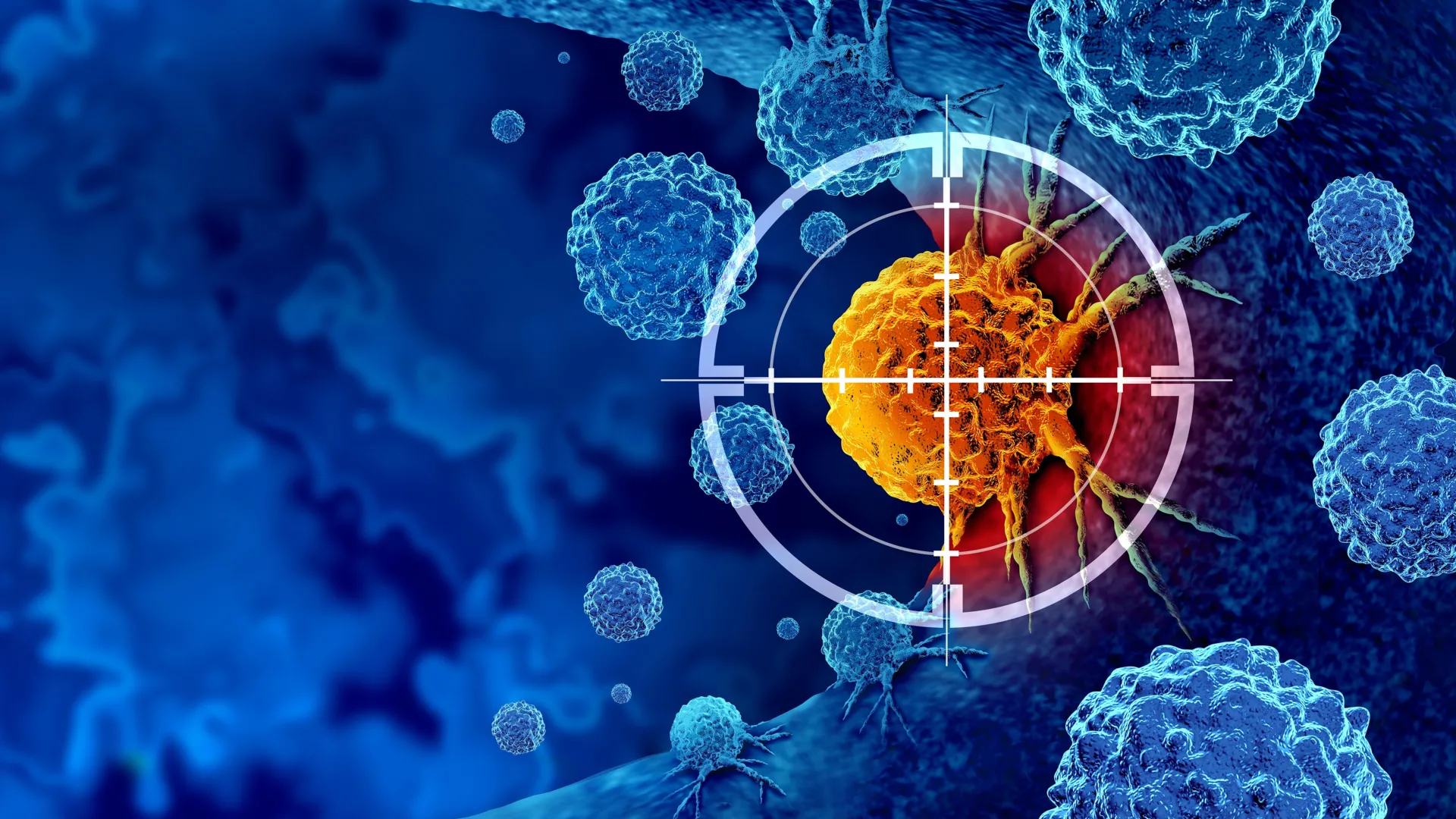
A groundbreaking, federally funded clinical trial, the first of its kind, has achieved a significant breakthrough in breast cancer management. Researchers have successfully demonstrated the ability to identify breast cancer survivors who harbor dormant cancer cells, which are responsible for future relapses, and to effectively eradicate these cells using existing, repurposed drugs. This pioneering research, spearheaded by scientists from the Abramson Cancer Center of the University of Pennsylvania and Penn’s Perelman School of Medicine, was published today in the prestigious journal Nature Medicine, marking a potential paradigm shift in preventing breast cancer recurrence.
This monumental discovery addresses one of the most persistent and devastating challenges in oncology: the unpredictable and often incurable return of breast cancer after initial treatment. While significant advancements in early detection and therapeutic strategies have dramatically improved breast cancer survival rates over the past few decades, a substantial percentage of patients – approximately 30 percent of women and men – will unfortunately experience a relapse. For these individuals, recurrence often leads to metastatic disease, which remains incurable, necessitating continuous and indefinite treatment that can only manage, but not eliminate, the cancer completely. The fear of this recurrence casts a long shadow over survivors, impacting their quality of life long after active treatment concludes.
The timeline for breast cancer recurrence varies widely depending on the subtype. Aggressive forms such as triple-negative breast cancer (TNBC) and HER2-positive breast cancer frequently recur within a few years of initial diagnosis and treatment. In contrast, estrogen receptor-positive (ER+) breast cancers, while often having a more favorable initial prognosis, can lie dormant for extended periods, sometimes recurring decades later. Until now, clinicians lacked a reliable method to identify these high-risk survivors in real time or to intervene therapeutically to prevent an otherwise incurable relapse. This study introduces a novel strategy that promises to fill this critical void.
The randomized phase II clinical trial involved 51 breast cancer survivors. The results were remarkably encouraging: existing, repurposed drugs were capable of clearing dormant tumor cells from an impressive 80 percent of the study participants. The clinical efficacy was further underscored by the survival rates: after a significant follow-up period, the three-year survival rate without any disease recurrence stood above 90 percent for patients who received monotherapy with one of the study drugs, and a perfect 100 percent for patients who received combination therapy with both study drugs. These figures represent a substantial leap forward in preventing recurrence and improving long-term outcomes for breast cancer survivors.
Dr. Angela DeMichele, MD, MSCE, FASCO, the principal investigator and the Mariann T. and Robert J. MacDonald Professor in Breast Cancer Research, articulated the profound impact of these findings. "The lingering fear of cancer returning is something that hangs over many breast cancer survivors after they celebrate the end of treatment," Dr. DeMichele stated. "Right now, we just don’t know when or if someone’s cancer will come back – that’s the problem we set out to solve. Our study shows that preventing recurrence by monitoring and targeting dormant tumor cells is a strategy that holds real promise, and I hope it ignites more research in this area." Her statement underscores the emotional burden faced by patients and highlights the urgent need for proactive interventions.
Seizing a Window of Opportunity to Wipe Out Cancer While It’s Sleeping
This landmark study builds upon extensive prior research that has meticulously detailed how dormant tumor cells persist in certain patients long after their initial breast cancer treatment. These elusive "sleeper cells," scientifically referred to as minimal residual disease (MRD), possess the insidious ability to reactivate years, or even decades, after seemingly successful therapy. The inherent challenge with MRD lies in its stealthy nature: because these cells are not actively proliferating or forming detectable masses, they do not appear on standard imaging tests such as mammograms, CT scans, or PET scans, which are conventionally used to monitor for breast cancer recurrence. Consequently, by the time these sleeper cells begin to expand, circulate in the bloodstream, and manifest as metastatic breast cancer, the disease has often progressed to an advanced and intractable stage. Patients diagnosed with MRD are statistically at a significantly higher risk of experiencing breast cancer recurrence and, subsequently, have a decreased overall survival rate.
Dr. Lewis Chodosh, MD, PhD, Chair of Cancer Biology and senior author of the study, has been at the forefront of this research for years. His earlier work was instrumental in identifying the specific molecular pathways that enable dormant tumor cells to survive undetected in patients for extended periods. This foundational understanding was crucial for developing targeted therapeutic strategies.
"Our research shows that this sleeper phase represents an opportunity to intervene and eradicate the dormant tumor cells before they have the chance to come back as aggressive, metastatic disease," Dr. Chodosh explained. He added a surprising revelation: "We’ve found that certain drugs that don’t work against actively growing cancers can be very effective against these sleeper cells. This tells us that the biology of dormant tumor cells is very different from active cancer cells." This insight is profound because it suggests that conventional cancer treatments, designed to target rapidly dividing cells, are ineffective against dormant cells, necessitating a distinct therapeutic approach. The realization that dormant cells possess a unique biological fingerprint opens new avenues for drug development and repurposing.
In the preclinical phase of this research, Dr. Chodosh’s team conducted a series of sophisticated experiments using mouse models to unravel the intricate underlying mechanisms governing tumor dormancy. These studies were critical in identifying potential therapeutic targets. Their investigations revealed that two distinct drugs, already approved by the FDA for treating other medical conditions, could effectively clear MRD in mice. This resulted in significantly longer survival periods without cancer recurrence in the animal models. The researchers pinpointed autophagy and mTOR signaling as key cellular mechanisms that allow tumor cells to maintain their dormant state. By targeting these pathways, the repurposed drugs effectively disrupted the cells’ ability to "sleep," forcing them out of dormancy or eliminating them entirely. The use of FDA-approved drugs is a significant advantage, as their safety profiles are well-established, potentially accelerating their transition into clinical practice for new indications.
Translating Science into Original Clinical Trials: The CLEVER Study
The journey from preclinical discovery to clinical application culminated in the CLEVER clinical trial. Dr. DeMichele’s team meticulously designed a two-stage process. Initially, breast cancer survivors who had completed their primary treatment within the last five years and had clear scans were enrolled in a screening study. The objective of this preliminary phase was to actively look for dormant tumor cells, specifically in the participant’s bone marrow, a known sanctuary site for MRD. This screening step was a critical innovation, as it allowed for the precise identification of patients who were truly at higher risk of recurrence due to the presence of these elusive cells.
Upon identification of dormant tumor cells, eligible patients were then invited to enroll in the Phase II CLEVER clinical trial. This trial employed a randomized design, assigning patients to receive six cycles of either monotherapy with one of the two study drugs or combination therapy with both drugs. The treatment regimen was carefully monitored. The results indicated that the therapeutic intervention successfully cleared dormant tumor cells in the majority of patients within a timeframe of six to twelve months. Following treatment, patients were closely monitored. After a median follow-up period of 42 months (approximately 3.5 years), an exceptionally low recurrence rate was observed, with only two patients on the study experiencing a cancer recurrence. This robust outcome provides compelling evidence for the efficacy of this novel strategy.
"We want to be able to give patients a better option than ‘wait and see’ after they complete breast cancer treatment," Dr. DeMichele emphasized, highlighting the clinical and psychological impact of the traditional approach. "We’re encouraged by these results that we’re on the right track." This sentiment resonates deeply with patients and oncologists alike, as it offers a proactive measure against a formidable foe.
Broader Impact and Implications: A New Era in Breast Cancer Prevention
The implications of this research extend far beyond the immediate success of the CLEVER trial. It signifies a fundamental shift in the approach to breast cancer management, moving from a reactive "wait and see" strategy to a proactive, preventive intervention. For hundreds of thousands of breast cancer survivors globally, this research offers a beacon of hope, promising to alleviate the pervasive anxiety of recurrence and potentially transform their long-term prognosis.
Personalized Medicine and Patient Quality of Life: The ability to identify high-risk individuals through MRD detection paves the way for truly personalized medicine in breast cancer. Instead of blanket surveillance for all survivors, resources can be directed towards those most likely to benefit from preventive therapy. This targeted approach not only optimizes treatment efficacy but also minimizes unnecessary interventions and their associated side effects for lower-risk patients. Furthermore, knowing that active steps are being taken to eliminate dormant cells can significantly improve the mental and emotional well-being of survivors, allowing them to move forward with their lives with greater confidence and reduced fear.
Economic Advantages of Repurposed Drugs: The use of existing, FDA-approved drugs presents significant economic and logistical advantages. Developing new cancer drugs is an incredibly costly and time-consuming process, often spanning over a decade and costing billions of dollars. By repurposing existing medications, researchers can leverage known safety profiles, manufacturing processes, and supply chains, leading to faster availability, lower costs, and quicker regulatory pathways. This aspect alone could make such preventive treatments more accessible to a wider patient population, including those in low-resource settings, much sooner than entirely new drug discoveries.
Validation of Academic Research and Federal Funding: The success of this trial also underscores the critical importance of sustained federal funding for basic and translational research. The National Cancer Institute (NCI) and the Department of Defense (DoD) were key funders, alongside vital support from various philanthropic organizations like the V Foundation, Breast Cancer Research Foundation, QVC "Shoes on Sale," Avon Foundation, and the Raynier Institute & Foundation. Such collaborative funding mechanisms are essential for tackling complex diseases like cancer, enabling scientists to pursue innovative ideas that may not immediately attract commercial investment but hold immense potential for public health.
Global Impact: Breast cancer remains the most common cancer among women worldwide, and its incidence continues to rise. A strategy that can prevent recurrence has the potential for global impact, particularly in regions where access to advanced diagnostic tools and treatments for metastatic disease may be limited. By stopping recurrence at an earlier, "dormant" stage, this approach could reduce the global burden of advanced breast cancer.
The Road Ahead: Confirming and Expanding the Findings
Recognizing the immense potential of these initial findings, the research team is not resting on its laurels. They are already actively enrolling patients in two larger, ongoing studies designed to confirm and further extend the results observed in the CLEVER study. These include the Phase II ABBY clinical trial and the Phase II PALAVY clinical trial, both of which are available at multiple cancer centers across the country. These subsequent trials are crucial for validating the findings in larger and more diverse patient cohorts, establishing optimal dosing regimens, and potentially comparing the efficacy of different therapeutic combinations. The ultimate goal is to move towards larger Phase III trials, which are typically required for new treatments to gain widespread clinical adoption and regulatory approval.
For breast cancer survivors and their families, these ongoing efforts represent continued progress toward a future where the specter of recurrence can be effectively managed, and eventually, perhaps, eliminated. Patients interested in learning more about these or other breast cancer clinical trials at Penn Medicine are encouraged to contact [email protected] for further information.
The publication of these results in Nature Medicine follows Dr. DeMichele’s earlier presentation of interim outcomes data from the study at the European Society for Medical Oncology (ESMO) Congress 2023, where it garnered significant attention and optimism from the international oncology community. This comprehensive approach, from foundational research to preclinical validation and successful clinical translation, represents a monumental stride forward in the enduring fight against breast cancer.
