
 By Suherman Candra Maholtra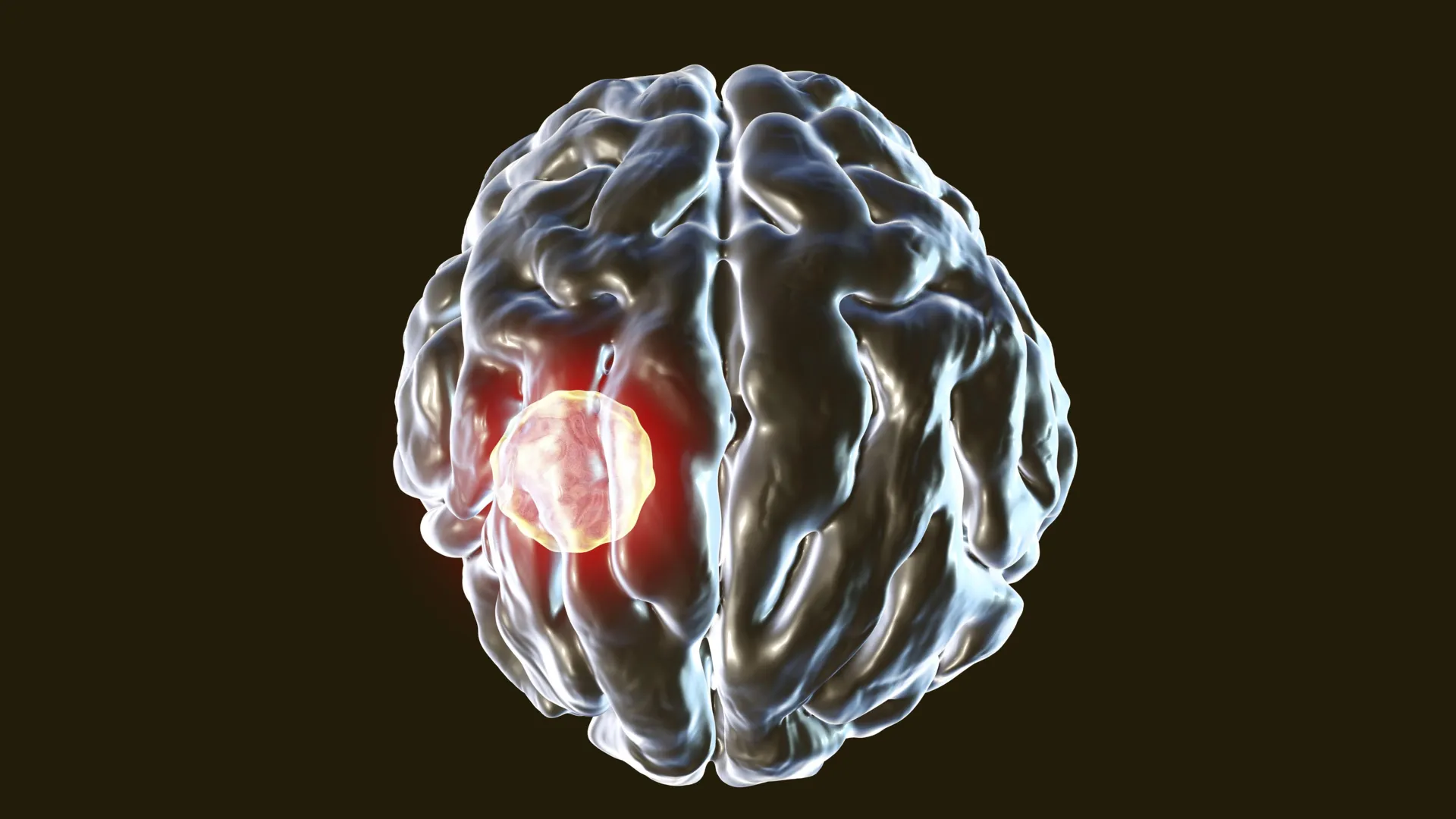
The human brain, long considered an "immune-privileged" organ protected by a formidable blood-brain barrier, is the primary battleground for one of the world’s most successful and pervasive parasites. Toxoplasma gondii, a microscopic protozoan capable of infecting nearly all warm-blooded animals, has evolved sophisticated methods to infiltrate the central nervous system, where it can remain dormant for the duration of a host’s life. While the medical community has long recognized the critical role of the immune system in keeping this parasite in check, new research from the University of Virginia School of Medicine has unveiled a previously unknown defensive maneuver. The study, led by Tajie Harris, PhD, reveals that specialized immune cells known as CD8+ T cells utilize a "self-destruct" mechanism to prevent the parasite from hijacking them, a discovery that fundamentally alters our understanding of how the body defends the brain against chronic infection.
The Biology of a Global Pathogen
Toxoplasma gondii is estimated to infect approximately one-third of the global population, with prevalence rates varying significantly by geography and cultural practices. In the United States, the Centers for Disease Control and Prevention (CDC) estimates that over 40 million people carry the parasite. While the majority of these individuals remain asymptomatic, the parasite poses a severe threat to those with compromised immune systems—such as patients with HIV/AIDS, those undergoing chemotherapy, or organ transplant recipients—and can cause devastating congenital defects if a woman is first infected during pregnancy.
The lifecycle of T. gondii is complex. Felids, including domestic cats, are the only definitive hosts in which the parasite can undergo sexual reproduction, shedding oocysts in their feces. Humans are typically exposed through the ingestion of these oocysts via contaminated water, soil, or unwashed produce, or by consuming undercooked meat containing tissue cysts. Once inside the human host, the parasite transitions into a rapidly dividing form called a tachyzoite, which spreads throughout the body before eventually forming slow-growing bradyzoite cysts, primarily in the muscles and the brain.
The Paradox of the Infected Defender
The primary line of defense against the spread of T. gondii is the CD8+ T cell, often referred to as the "killer T cell." These cells are the elite soldiers of the adaptive immune system, programmed to identify and destroy cells that have been compromised by viruses or intracellular parasites. Historically, scientists believed that CD8+ T cells controlled Toxoplasma by secreting signaling molecules like interferon-gamma, which activates other immune cells to kill the parasite, or by directly lysing (bursting) infected host cells.
However, the UVA research team, based at the Center for Brain Immunology and Glia (BIG Center), identified a startling vulnerability: the CD8+ T cells themselves can become targets of the parasite. This creates a dangerous biological paradox. If the very cells designed to eliminate the infection are successfully invaded by the pathogen, the parasite could theoretically use the immune system as a "Trojan Horse" to move undetected through the body and into the brain.
"We know that T cells are really important for combatting Toxoplasma gondii, and we thought we knew all the reasons why," explained Tajie Harris, PhD, Director of the BIG Center. "We found that these very T cells can get infected, and, if they do, they can opt to die. Toxoplasma parasites need to live inside cells, so the host cell dying is game over for the parasite."
Caspase-8: The Biochemical Trigger for Cellular Suicide
The mechanism behind this tactical retreat is a powerful enzyme known as caspase-8. In the field of molecular biology, caspases are recognized as the primary executioners of programmed cell death, or apoptosis. When a cell detects internal damage or infection that cannot be repaired, caspase-8 initiates a cascade of biochemical events that dismantle the cell from the inside out in a controlled manner.
The UVA study, published in the journal Science Advances, utilized sophisticated laboratory models to isolate the role of this enzyme. The researchers compared standard mice with a control group of genetically modified mice that lacked the ability to produce caspase-8 specifically within their T cells.
The results were definitive and visually striking. In mice with functioning caspase-8, the immune system successfully managed the T. gondii infection, preventing it from overwhelming the brain. However, in the mice lacking the enzyme, the parasite proliferated uncontrollably. These mice exhibited significantly higher parasitic loads in their brain tissue, leading to severe neurological symptoms and, eventually, death. Despite the fact that these mice still produced a high volume of T cells and other immune responses, the inability of the T cells to "self-destruct" upon infection left a critical gap in the body’s defenses.
Chronology and Methodology of the UVA Research
The journey to this discovery involved several years of meticulous investigation within the UVA Department of Neuroscience. The research team, which included Lydia A. Sibley, Maureen N. Cowan, and several other collaborators, began by observing how T. gondii interacted with various immune cell populations in the brain.
- Initial Observation: The team noted that while CD8+ T cells were present in high numbers in infected brain tissue, some of these cells appeared to be carrying the parasite rather than just attacking it.
- Hypothesis Formulation: The researchers hypothesized that the survival of the parasite within these T cells was dependent on the cell’s internal signaling pathways—specifically those governing cell survival and death.
- Genetic Testing: Using Cre-Lox recombination technology, the team generated mice where the caspase-8 gene was "knocked out" only in T cells. This allowed them to observe the enzyme’s specific impact on this cell type without affecting the rest of the mouse’s biology.
- Infection Monitoring: The mice were exposed to a controlled strain of T. gondii. Over several weeks, the researchers monitored the mice for weight loss, behavioral changes, and survival rates.
- Histological Analysis: Post-mortem analysis of brain tissue using high-resolution microscopy confirmed that without caspase-8, CD8+ T cells became "incubators" for the parasite, allowing it to multiply and spread to adjacent healthy brain cells.
Broader Scientific Implications and Reactions
The discovery that caspase-8 acts as a fail-safe against T-cell infection has sent ripples through the fields of immunology and infectious disease. For decades, the scientific community has struggled to explain why so few pathogens are capable of successfully infecting T cells, unlike macrophages or dendritic cells, which are frequently targeted.
"We scoured the scientific literature to find examples of pathogens infecting T cells. We found very few examples," Harris noted. "Now, we think we know why. Caspase-8 leads to T cell death. The only pathogens that can live in CD8+ T cells have developed ways to mess with Caspase-8 function."
This finding suggests that the "self-destruct" mechanism is likely an ancient evolutionary defense. Pathogens like HIV, which successfully infect and deplete T cells, have specifically evolved to bypass or subvert these death pathways. By understanding how Toxoplasma interacts with caspase-8, researchers may be able to develop new therapeutic strategies to bolster the immune response in patients where this pathway is naturally weaker.
Independent observers in the field of neuroimmunology have noted that this research highlights the unique challenges of treating brain infections. Because the brain has limited regenerative capacity, the immune system must balance the need to kill pathogens with the need to preserve delicate neural architecture. The use of apoptosis—a "clean" form of cell death that does not cause widespread inflammation—is an ideal way for the body to handle infected T cells within the brain’s sensitive environment.
Funding and Collaborative Efforts
The study was a multidisciplinary effort, drawing on expertise from various departments within the University of Virginia. The research was supported by extensive funding from the National Institutes of Health (NIH), reflecting the high priority placed on understanding parasitic infections of the central nervous system. Grants from the National Institute of Neurological Disorders and Stroke (NINDS) and the National Institute of Allergy and Infectious Diseases (NIAID) provided the necessary resources for the complex genetic modeling and high-containment laboratory work required for the study.
The research team also received support from internal UVA initiatives, including the Pinn Scholars Award and the Strategic Investment Fund, highlighting the university’s commitment to advancing "big-picture" neuroscience. The authors reported no financial conflicts of interest, underscoring the objective nature of the findings.
Future Directions: From Lab to Clinic
While the UVA study provides a breakthrough in basic science, the ultimate goal is to translate these findings into better clinical outcomes for patients. Currently, toxoplasmosis is treated with a combination of pyrimethamine and sulfadiazine, drugs that target the parasite’s metabolism. However, these treatments can have significant side effects and are often unable to fully clear the latent bradyzoite cysts from the brain.
Future research will likely focus on several key areas:
- Pharmacological Modulation: Can we develop drugs that enhance caspase-8 activity specifically in T cells during an active infection?
- Diagnostic Markers: Could the levels of caspase-8 or related enzymes serve as a biomarker to predict which immunocompromised patients are at the highest risk for severe toxoplasmosis?
- Broader Applications: Does this same caspase-8 mechanism protect against other intracellular threats, such as Listeria or certain viral infections that attempt to utilize T cells for transport?
Conclusion
The work of Dr. Tajie Harris and her team at UVA Health provides a vivid reminder of the ongoing arms race between host and pathogen. Toxoplasma gondii is a master of evasion, capable of hiding in the most protected organ of the human body for decades. Yet, the discovery of the caspase-8 "self-destruct" mechanism reveals a hidden layer of resilience in the human immune system. By choosing to die, the infected T cell performs a final, selfless act that ensures the survival of the host and the protection of the brain. As science continues to peel back the layers of this complex interaction, the path toward more effective treatments and a deeper understanding of our own biological defenses becomes increasingly clear.
