
 By admin
Twelve-year-old Isaac is a young man defined by his motion, whether he is sprinting down a basketball court, rounding the bases in a baseball game, or executing a play on the football field. However, the trajectory of his life was nearly halted seven years ago by a diagnosis that redirected his family’s path from local sports arenas to the sterile corridors of specialized medical facilities. In 2018, Isaac was diagnosed with leukemia, a form of pediatric cancer that remains the leading cause of disease-related death among children in the United States. His journey from a high-risk patient to a thriving survivor and a featured participant in the upcoming Glamorama event serves as a significant case study in the efficacy of modern immunotherapy and the critical importance of long-term survivorship care.
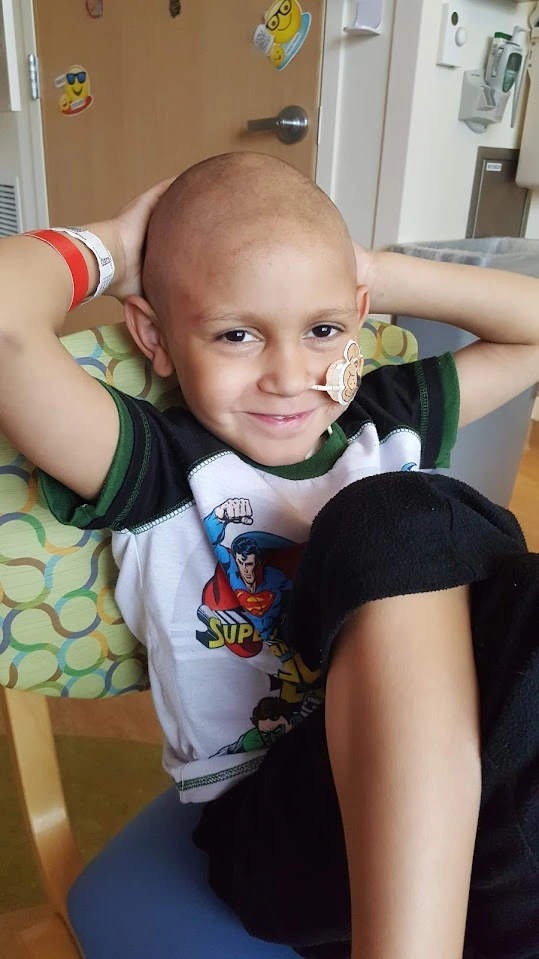
The narrative of Isaac’s illness began with subtle, non-specific symptoms that initially masked the severity of the underlying condition. When his mother, Jennifer, sought medical attention for him in 2018, the transition from a routine check-up to an oncology ward occurred with jarring speed. Within hours of their arrival at the hospital, the family was informed that Isaac had leukemia. For many families, the reality of a cancer diagnosis is punctuated by specific, indelible moments; for Jennifer, that moment was the sight of the seventh-floor elevator doors opening to reveal the words "Hematology/Oncology." This floor, dedicated to the study of blood and the treatment of tumors, represents the epicenter of pediatric cancer care, where the gravity of the situation becomes physically manifest through the presence of other young patients undergoing intensive therapy.
A Chronology of Treatment and the High-Risk Designation
Isaac’s initial treatment protocol followed the standard of care for pediatric leukemia, which typically begins with high-dose chemotherapy designed to induce rapid remission. However, the medical team soon encountered a significant obstacle: Isaac’s cancer did not respond to the initial rounds of treatment as expected. In the field of oncology, "remission" refers to the absence of detectable cancer cells. When a patient fails to achieve this milestone within the standard timeframe, they are reclassified as "high-risk," a designation that necessitates more aggressive and often more experimental interventions.
For Isaac, this reclassification led to an grueling period of medical endurance. His regimen expanded to include weeks of intensive chemotherapy, frequent needle pokes for blood draws and medication administration, and prolonged periods of medical isolation to protect his compromised immune system. The physical toll was compounded by severe allergic reactions to certain medications, a common but dangerous complication in pediatric oncology that limits the available options for clinicians. As traditional methods reached their limits, the medical team at the University of Minnesota turned to the frontier of cancer research: immunotherapy.
Immunotherapy represents a paradigm shift in cancer treatment. Unlike chemotherapy, which targets rapidly dividing cells (both cancerous and healthy), immunotherapy leverages the body’s own immune system to identify and destroy malignant cells. At the time of Isaac’s treatment, a specific immunotherapy drug had been approved for use in adults but had not yet received full pediatric clearance. Under the guidance of specialists, this treatment was adapted for Isaac’s use. The results were transformative. After four rounds of this targeted therapy, Isaac finally entered remission. This window of stability allowed him to undergo a life-saving bone marrow transplant, a procedure that replaces a patient’s diseased bone marrow with healthy stem cells to restart the production of healthy blood cells.

The Role of Pediatric Cancer Research and Statistical Context
Isaac’s recovery is not merely a personal victory but a reflection of broader trends in pediatric oncology. According to the National Cancer Institute, the five-year survival rate for children with the most common form of leukemia, Acute Lymphoblastic Leukemia (ALL), has risen from approximately 10% in the 1960s to over 90% today. However, these statistics can be misleading, as they mask the difficulties faced by high-risk patients who do not respond to primary treatments.
The adaptation of adult medications for pediatric use, as seen in Isaac’s case, is a critical area of ongoing research. Because pediatric cancers are biologically distinct from adult cancers, drugs cannot always be administered in the same dosages or with the same expectations of efficacy. Organizations such as the Children’s Cancer Research Fund (CCRF) emphasize that only about 4% of federal funding for cancer research is specifically dedicated to childhood cancers. This funding gap makes private philanthropy and specialized research institutions, like the University of Minnesota, essential for developing the "lifeline" treatments that saved Isaac.
The evolution of Isaac’s care also highlights the necessity of "Precision Medicine." By analyzing the genetic makeup of a patient’s tumor, doctors can select therapies that are most likely to work for that specific individual. In Isaac’s case, the failure of chemotherapy signaled a need for a different biological approach, leading to the successful application of immunotherapy. This transition from a "one-size-fits-all" model to a personalized treatment plan is the current gold standard in high-risk pediatric oncology.
Long-Term Survivorship and the University of Minnesota Model
The conclusion of active treatment—chemotherapy, immunotherapy, and transplants—does not mark the end of the medical journey for childhood cancer survivors. Today, Isaac continues to receive specialized "survivorship care" under the supervision of Dr. Karim Sadak, the Senior Medical Director of Pediatrics at the University of Minnesota. Dr. Sadak’s work focuses on the "late effects" of cancer treatment, which can manifest years or even decades after a patient is declared cancer-free.
Survivorship care is a multidisciplinary field that monitors several key areas:
- Physical Health: Monitoring for cardiovascular issues, secondary cancers, or endocrine disruptions caused by intensive chemotherapy and radiation.
- Cognitive Health: Tracking academic performance and neurological function, as "chemo brain" or treatment-related neurotoxicity can affect a child’s learning and development.
- Mental Health: Addressing the psychological trauma associated with long-term hospitalization and life-threatening illness.
Dr. Sadak’s oversight ensures that Isaac is not just surviving, but thriving. This proactive approach to health management allows for the early detection of complications, ensuring that the life saved by research is a life of high quality. For Isaac, this means he can focus on being a twelve-year-old: exploring street-style fashion, learning the nuances of cooking, and re-establishing the social bonds that were interrupted by his years in the hospital.
The Return of Glamorama and Its Social Impact
As Isaac continues his transition back into a "normal" life, he is set to participate in the return of Glamorama. Originally a high-profile fashion event hosted by Macy’s to benefit the Children’s Cancer Research Fund, Glamorama became a staple of the Twin Cities’ social and philanthropic calendar before going on a hiatus. Its return signifies a revitalized effort to bring public awareness to the realities of childhood cancer through the lens of creativity and resilience.
Isaac will join other survivors on stage, not as patients, but as symbols of what is possible when medical science is adequately funded. The event serves several purposes: it raises necessary funds for the next generation of clinical trials, provides a platform for survivors to share their stories, and celebrates the "unstoppable" nature of children who have overcome significant adversity. For Isaac, participating in Glamorama is an opportunity to step into a different kind of spotlight—one defined by fashion and courage rather than clinical observation.
Broader Implications and the Future of Oncology
Isaac’s story underscores a critical fact in modern medicine: research is the direct precursor to survival. The immunotherapy that facilitated his remission was once a theoretical concept in a laboratory. The bone marrow transplant protocols that stabilized his system were refined through decades of clinical trials.
However, the medical community acknowledges that the work is far from finished. While survival rates have improved, the toxicity of current treatments remains high. The goal of future research is to develop "kinder" treatments that eliminate cancer without the long-term side effects that require the lifelong monitoring Isaac now undergoes. Scientists are currently exploring CAR-T cell therapy and other advanced biologics that promise to further increase the precision of pediatric care.
The case of Isaac also highlights the importance of the University of Minnesota’s role as a leader in pediatric health. By integrating research with clinical practice, institutions of this caliber ensure that breakthroughs in the lab are quickly translated into bedside care. For patients like Isaac, who was once out of standard options, this proximity to cutting-edge research was the difference between a terminal prognosis and a future on the football field.
As Isaac prepares for his appearance at Glamorama, his journey stands as a testament to the resilience of the human spirit and the transformative power of medical innovation. From the moment the elevator doors opened on the seventh floor in 2018 to his current life as a multi-sport athlete and fashion enthusiast, Isaac’s trajectory illustrates the profound impact of community-supported research. His story is a call to action for continued investment in pediatric oncology, ensuring that the next child who faces a high-risk diagnosis has access to the same life-saving "lifelines" that allowed Isaac to reclaim his childhood.
