
 By admin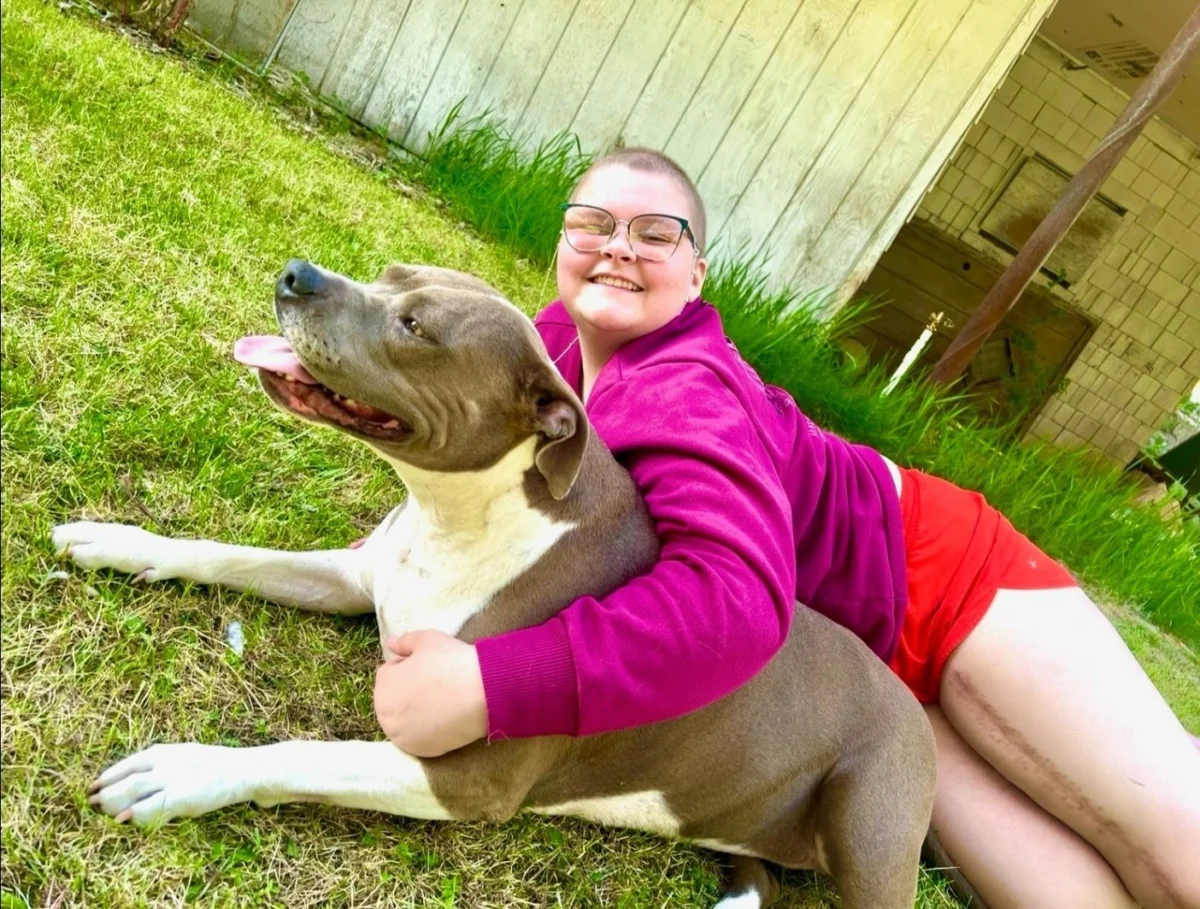
The final drop of chemotherapy sliding through an intravenous line often symbolizes the end of a grueling marathon for pediatric cancer patients, yet for fourteen-year-old Madelyn and her family, that moment in early 2025 was merely the transition into a new, equally complex phase of survival. While the immediate celebration—marked by jumping, dancing, and the ecstatic realization of having completed 30 rounds of intensive treatment—provided a brief reprieve, the subsequent year has highlighted a growing national conversation regarding the "late effects" of childhood cancer. As Madelyn navigated the physical toll of a titanium femur replacement and the psychological burden of re-entering a world that no longer felt familiar, her story became emblematic of the thousands of survivors who discover that "cancer-free" does not mean "struggle-free."
The Genesis of a Diagnosis: From Softball to Osteosarcoma
The trajectory of Madelyn’s medical journey began in the summer of 2024, a period initially defined by the typical milestones of adolescence. As a dedicated softball player, Madelyn attributed emerging leg pain to the physical rigors of learning how to slide into bases. This diagnostic overshadowing—where symptoms are attributed to common injuries rather than underlying pathology—is a frequent hurdle in pediatric oncology. When the pain escalated to a debilitating level a month later, clinical intervention revealed a much more somber reality.
An X-ray confirmed the presence of a tumor that had compromised the structural integrity of her femur, the human body’s longest and strongest bone. The diagnosis was osteosarcoma, a primary bone malignancy that most commonly affects children and young adults during periods of rapid growth. According to the American Cancer Society, osteosarcoma accounts for about 2% of childhood cancers, but it represents a significant portion of bone tumors in adolescents. The aggressive nature of the disease required an immediate and multi-pronged clinical approach, involving high-dose chemotherapy and complex limb-salvage surgery.
Clinical Challenges and the Failure of Prosthetic Integration
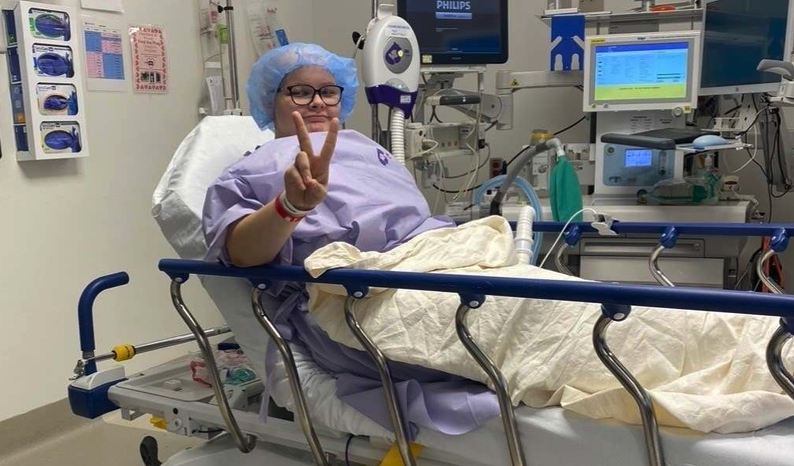
Madelyn’s treatment protocol was rigorous, involving 30 rounds of chemotherapy designed to eradicate systemic micrometastases. The physiological impact was profound, characterized by severe nausea and total alopecia. However, the surgical aspect of her recovery proved to be an unprecedented hurdle. To avoid amputation, surgeons opted for a limb-salvage procedure, replacing the cancerous bone and the adjacent knee joint with titanium prosthetics.
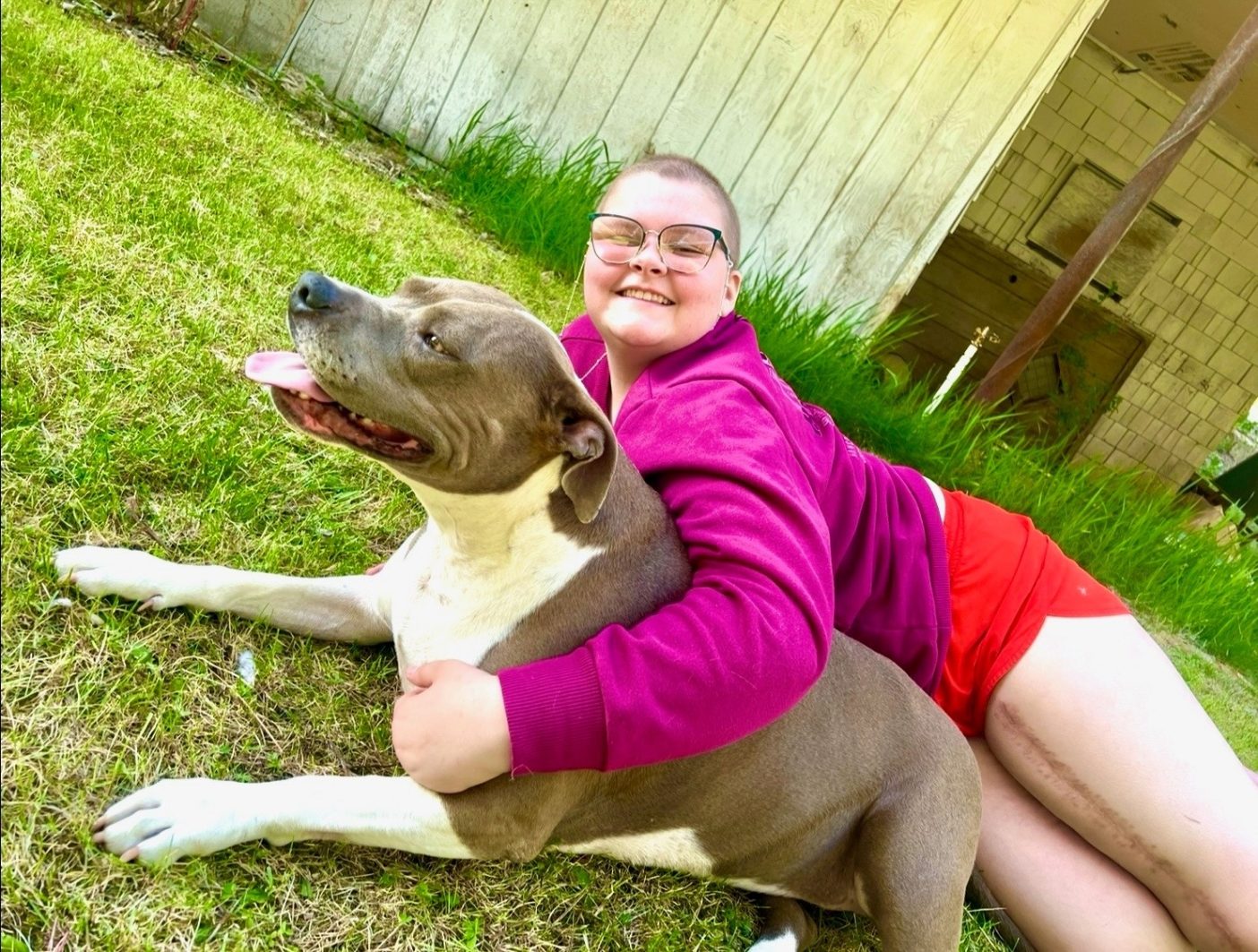
The recovery was stalled by repeated mechanical failures. The custom-made titanium components, which must be precision-engineered to match the patient’s skeletal structure, failed during the production and testing phases. According to Madelyn’s mother, Toni, three different prototypes were pressure-tested and subsequently failed, a process that extended Madelyn’s period of immobility to ten months. This delay highlights a critical challenge in pediatric orthopedics: the necessity for durable, biocompatible materials that can withstand the stresses of an active adolescent life. It was only after four surgeries that a successful configuration—including a titanium femur, knee, and hip component—was successfully integrated, allowing Madelyn to begin the arduous process of physical rehabilitation.
The Psychological Aftermath: The "Alien" Phenomenon in Re-entry
By March 2026, Madelyn had achieved the milestone of being one year cancer-free. However, the transition from "patient" to "student" revealed a profound psychological rift. This phenomenon, often described by survivors as feeling like an "alien" in their own lives, stems from the radical divergence in life experience between a cancer survivor and their healthy peers. While her classmates were focused on social hierarchies and extracurricular activities, Madelyn had faced mortality, chronic pain, and significant physical disability.
Toni noted that Madelyn’s maturity level far exceeded that of her peers, creating a social barrier that contributed to feelings of isolation. This is supported by data from the Journal of Pediatric Psychology, which indicates that childhood cancer survivors are at a significantly higher risk for social withdrawal and difficulties in peer relationship formation. The trauma of treatment often manifests as heightened anxiety and symptoms of Post-Traumatic Stress Disorder (PTSD). For Madelyn, this manifested as a desire to remain at home, a "safe zone" where the unpredictability of the outside world—and the potential for further medical trauma—could be mitigated.
The Caregiver’s Burden and the Shift in Family Dynamics
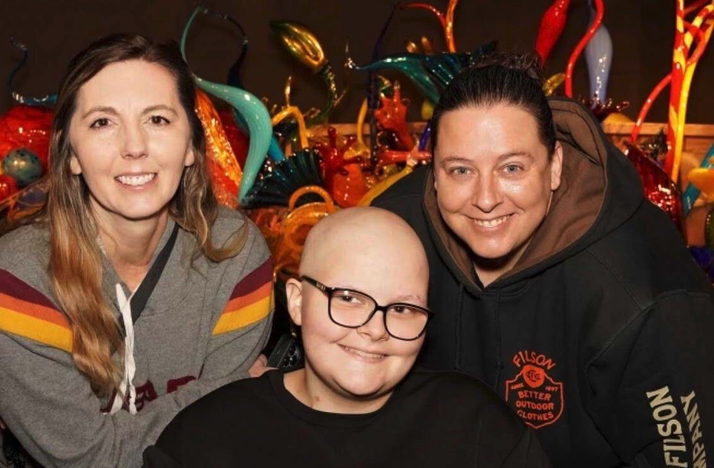
The impact of pediatric cancer extends beyond the patient to the primary caregivers, who often operate in a state of sustained "fight mode" for the duration of the treatment. Toni’s experience reflects a common trend among parents of survivors: the emotional collapse that occurs only after the immediate crisis has passed. Upon returning to the workforce, Toni found that colleagues often assumed life had returned to normal simply because the active treatment had concluded. This lack of societal understanding regarding the long-term emotional toll of caregiving can lead to professional and personal strain.
The experience has also fundamentally altered the parenting dynamic. Toni reports a shift toward increased patience and an understanding of Madelyn’s occasional impatience. Having faced an uncertain future, both mother and daughter have developed a heightened awareness of the fragility of time. This "existential maturity" is a hallmark of families who have navigated life-threatening illnesses, often leading to deeper bonds but also a persistent, underlying vigilance regarding health and safety.
Data and Implications: The Necessity of Survivorship Research
Madelyn’s case underscores the vital importance of survivorship research, a field dedicated to the long-term health and quality of life of cancer survivors. The Children’s Cancer Research Fund (CCRF) emphasizes that as survival rates for pediatric cancers improve—now exceeding 85% for many diagnoses—the focus must shift toward the "cure" beyond the biology.
Current data suggests that:
- Approximately 60% to 90% of childhood cancer survivors develop at least one chronic health condition as a result of their treatment.
- Survivors are nearly twice as likely to suffer from anxiety and depression compared to their siblings or peers.
- The risk of secondary malignancies and cardiovascular issues remains a lifelong concern for those who underwent intensive chemotherapy or radiation at a young age.
Research initiatives are currently focusing on "resilience-building" interventions for teenagers. These programs aim to provide adolescents with the cognitive tools to process their trauma and bridge the social gap created by their time away from traditional developmental milestones.
Resilience in Practice: Madelyn’s Path Forward at Fifteen
Despite the physical and emotional hurdles, Madelyn’s current trajectory is one of remarkable adaptation. Now 15, she has utilized her experiences to foster leadership and creative expression. When she returned to her school’s marching band, she assumed the role of drum major, initially leading from a wheelchair and later with the assistance of a crutch. Her educators describe her as a "natural leader," a trait likely forged in the necessity of advocating for herself during months of hospitalization.
Madelyn has also found agency through creative outlets, including a food vlog and experimenting with her physical appearance through vibrant hair colors—a common way for survivors to reclaim autonomy over a body that was once controlled by medical protocols. These activities represent more than just hobbies; they are essential components of identity reconstruction in the wake of a life-altering illness.
Conclusion: The Five-Year Horizon and the Definition of "Cured"
In the clinical world, Madelyn will not be considered "cured" until she reaches the five-year mark of being cancer-free. Until then, her life is punctuated by regular surveillance scans and the persistent shadow of potential recurrence. However, her story serves as a critical reminder to the public and the medical community alike: the end of chemotherapy is not the end of the journey.
True recovery for pediatric cancer survivors requires a comprehensive support system that addresses the titanium in their limbs and the trauma in their minds with equal urgency. As Madelyn continues to walk across theater stages and lead her band, she does so not just as a survivor of a biological disease, but as a pioneer in the complex, ongoing process of reclaiming a life interrupted. The broader implication for society is a call for sustained empathy and specialized psychological support for survivors who, like Madelyn, are working to find their place in a world that moved on while they were fighting to stay in it.
