
 By Budi Oetomo Narendra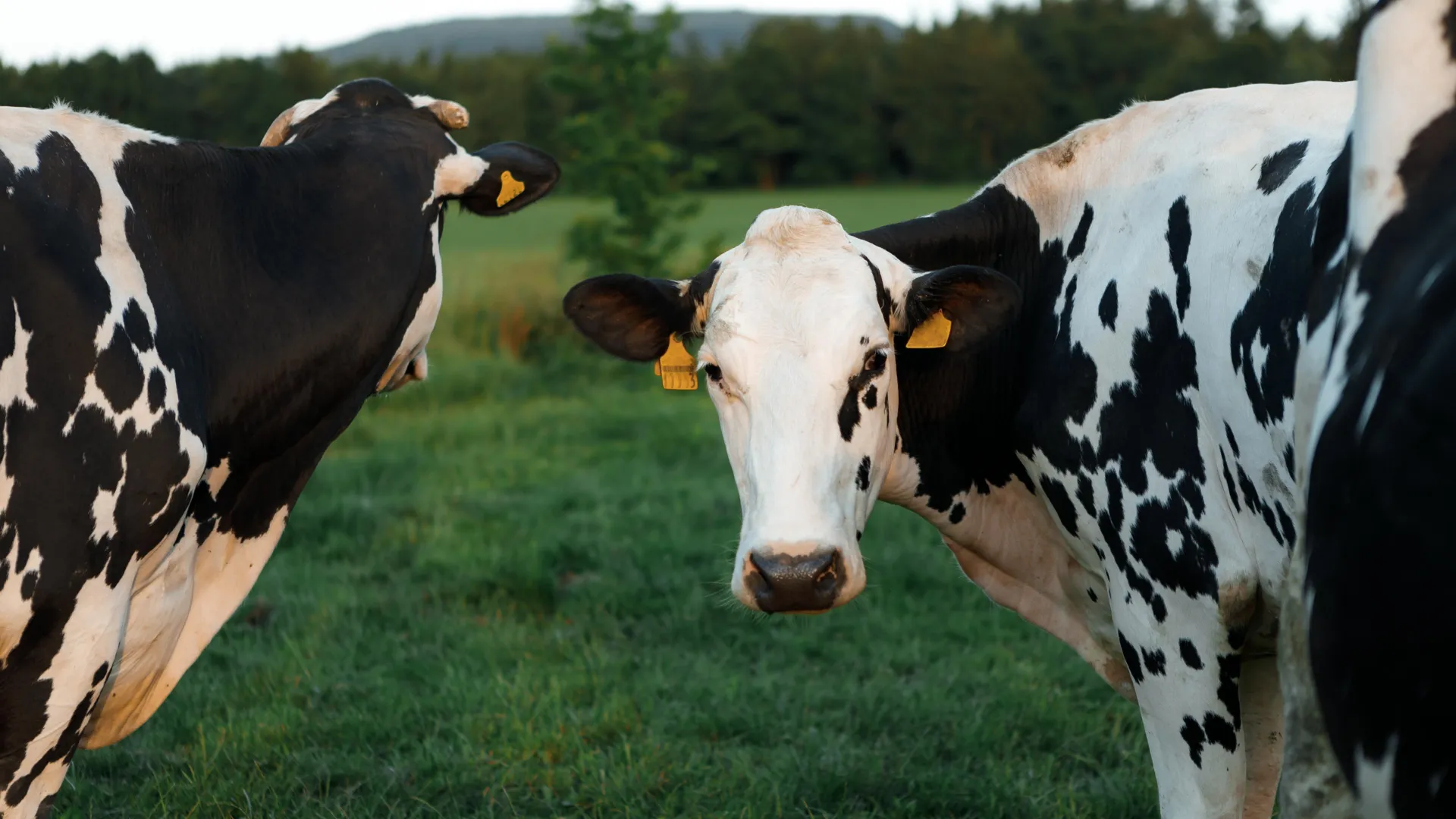
When highly pathogenic avian influenza (HPAI) A(H5N1) began infecting U.S. dairy cattle in early 2024, veterinarians and public health experts were met with an unprecedented puzzle. The virus, typically associated with severe respiratory illness in poultry and other mammals, manifested primarily as an inflammatory disease of the mammary glands in cows, causing significant economic disruption and raising new concerns about zoonotic transmission. Now, groundbreaking research from the University of Pittsburgh School of Public Health has provided the first detailed biological explanation for this unusual pathology, pinpointing why H5N1 chose the udders as its primary target, leaving the respiratory system largely unaffected. Their findings, published in the prestigious journal Science Advances, not only illuminate the current outbreak but also offer a crucial framework for anticipating the virus’s behavior should it jump to other species.
The Unexpected Emergence of H5N1 in Dairy Herds
The H5N1 virus, a strain of avian influenza, has long been a subject of intense scientific scrutiny due to its potential to cause widespread disease in bird populations and its occasional, albeit rare, spillover into humans and other mammals. Since its initial identification in poultry in 1996 and subsequent human infections in 1997, H5N1 has evolved into numerous clades, with the current dominant clade 2.3.4.4b responsible for a global panzootic in wild birds and poultry since 2020. This widespread circulation significantly increased the risk of mammalian spillover events.
In late February and early March of 2024, dairy farmers in the Texas Panhandle began reporting a mysterious illness among their herds. Cows exhibited reduced milk production, lethargy, decreased feed intake, and thick, discolored milk, symptoms indicative of severe mastitis—an inflammation of the mammary gland. Veterinarians initially suspected common bacterial pathogens, which are frequent causes of mastitis in dairy animals. However, standard treatments proved ineffective, and the disease quickly spread within and between herds, causing alarm.
The U.S. Department of Agriculture (USDA) Animal and Plant Health Inspection Service (APHIS) and state veterinary diagnostic laboratories swiftly initiated investigations. By late March, H5N1 was identified as the causative agent, marking a significant and unexpected development in the virus’s epidemiological profile. This discovery was a profound surprise to the veterinary and public health communities. Dr. Suresh Kuchipudi, Ph.D., chair of Infectious Diseases and Microbiology at Pitt Public Health and senior author of the Science Advances study, remarked on the initial confusion: "Mastitis is a classic disease in milk-production animals, and veterinarians were dutifully looking to all the usual suspects for the source, like bacterial pathogens. When the real culprit turned out to be bird flu, everyone in the field was caught completely by surprise. We hadn’t even remotely considered that cattle could be a host for H5N1."
Chronology of the Outbreak and National Response
The initial detection in Texas quickly led to confirmed cases in other states, including Kansas, New Mexico, Michigan, Idaho, and North Carolina, demonstrating rapid interstate transmission, likely facilitated by the movement of infected cattle or contaminated equipment. As of mid-2024, the USDA has confirmed H5N1 in dairy herds across at least twelve states, impacting hundreds of thousands of animals and causing significant financial strain on the affected farms due to decreased milk production and potential culling of severely ill animals.
The unusual presentation of H5N1 in cattle—targeting udders rather than the respiratory tract—posed immediate challenges for surveillance and risk assessment. The virus was shed in high concentrations in raw milk, raising concerns about potential occupational exposure for farm workers and the safety of consuming unpasteurized dairy products. Dr. Kuchipudi highlighted this risk, stating, "If a cow is infected, it sheds a lot of virus into the milk. This raised concerns about occupational risk for farm workers." He also pointed to documented instances of secondary spillover: "There is a habit of feeding raw milk to domestic pets, like cats, and there have been instances of cats dying, which we studied previously." These instances underscore the importance of public health messaging, with authorities like the Food and Drug Administration (FDA) and Centers for Disease Control and Prevention (CDC) consistently emphasizing that pasteurization effectively inactivates the virus, making commercially available milk and dairy products safe for consumption.
In response to the escalating situation, federal and state agencies mobilized a comprehensive strategy. The USDA issued federal orders requiring mandatory testing for H5N1 in dairy cattle moving across state lines and mandated reporting of positive cases. Enhanced biosecurity measures were recommended for dairy farms, and surveillance efforts were intensified across the country to monitor the virus’s spread and evolution. The CDC began monitoring farm workers and others with potential exposure, issuing guidance on personal protective equipment (PPE) and symptom monitoring, while reassuring the public that the risk of human-to-human transmission remains low.
Unraveling the Biological Mystery: The Pitt Study’s Breakthrough
The discrepancy between H5N1’s typical respiratory tropism and its novel udder-centric infection in cattle presented a critical scientific question. Dr. Kuchipudi’s long-standing research career has focused on influenza viruses, specifically how receptor biology dictates host and tissue tropism—the specific cells or tissues a virus can infect. Influenza viruses initiate infection by binding to specific sugar-based molecules called glycans on the surface of host cells, acting like a lock-and-key mechanism.
Prior research from other groups had indicated the presence of flu-related glycan receptors in the respiratory tracts of cattle, suggesting that a respiratory illness would be the expected outcome. The absence of such symptoms in infected cows signaled that a more nuanced understanding of glycan biology was needed. "Glycan biology is very complex," explained Dr. Kuchipudi. "We realized that, to understand what was really going on, we would need to use more innovative technologies and map out the fine-detailed architecture that enables the virus to bind to cells."
To address this complexity, Dr. Kuchipudi collaborated with Dr. Lauren E. Pepi, Ph.D., a glycomics expert from Harvard Medical School. Their interdisciplinary team employed a sophisticated arsenal of techniques, including binding experiments, advanced staining approaches, and ultra-high-resolution imaging, to meticulously examine how H5N1 interacts with different tissues within cattle.
Their meticulous analysis yielded a pivotal discovery: not all glycan receptors are equally permissive to H5N1 infection. The virus demonstrated a highly specific affinity, binding only to a particular subtype of receptors known as N-linked sialic acid receptors. Crucially, these specific receptors were found to be abundantly present throughout the udder tissue of cattle, creating an ideal environment for viral replication. Conversely, these N-linked sialic acid receptors were nearly absent in the airway tissue. This stark difference in receptor distribution provided the conclusive biological explanation for why H5N1 caused severe mastitis in dairy cattle rather than the anticipated respiratory illness. According to Dr. Kuchipudi, this made the mammary glands a "perfect breeding ground for the virus."
Implications of the Scientific Discovery: A Blueprint for Future Preparedness
The findings from the University of Pittsburgh team extend far beyond explaining the current cattle outbreak. This research offers a powerful new methodology that could revolutionize how scientists predict the behavior of H5N1 and other emerging zoonotic pathogens.
For Veterinary Science and Animal Health: The study significantly advances the understanding of H5N1 pathogenesis in cattle, paving the way for improved diagnostic tools and targeted veterinary interventions. Knowing the specific cellular targets allows for more precise surveillance and potentially the development of new therapeutics or vaccines tailored to the bovine immune response in mammary glands. This could mitigate economic losses for dairy farmers, who have faced significant challenges including reduced milk yield, increased veterinary costs, and potential culling of severely affected animals. The USDA, in its ongoing updates, has noted the economic impact and the need for robust scientific understanding to support the industry.
For Public Health and Zoonotic Disease Preparedness: The ability to map specific receptor architectures in different tissues and species offers a proactive approach to pandemic preparedness. As Dr. Kuchipudi articulated, "We can preemptively screen different species and different tissues within them for susceptibility. For example, would they exhibit respiratory symptoms? Would they show only mastitis, as in cows? Or would they show neurological disease, as our team has shown in cats? The lessons learned could potentially help prevent us from being caught by surprise again." This predictive capability is vital for assessing the risk of H5N1 jumping to other livestock species, wildlife, or even humans, and for anticipating the clinical presentation of such infections. The CDC continuously monitors the human health risk, and such predictive tools can help them refine surveillance strategies and public health advisories. The single confirmed human case of H5N1 in a dairy worker in Texas, who experienced only mild conjunctivitis, further underscores the varied manifestations of the virus and the need for comprehensive understanding of its tropism.
For Food Safety and Occupational Health: The research reinforces the critical importance of established food safety practices, particularly pasteurization. The FDA has conducted studies confirming that pasteurization effectively inactivates H5N1 in milk, ensuring the safety of the commercial dairy supply. However, the high viral load in raw milk necessitates continued public education against its consumption. Furthermore, the understanding of udder-specific infection highlights the occupational risks for farm workers. Agencies like the CDC and OSHA (Occupational Safety and Health Administration) can leverage this knowledge to issue more specific guidance on PPE, hygiene protocols, and symptom monitoring for individuals working closely with infected animals, minimizing their exposure and preventing potential spillover.
Broader Impact: A One Health Imperative
This research underscores the interconnectedness inherent in the "One Health" approach, which recognizes that the health of people is closely connected to the health of animals and our shared environment. The H5N1 cattle outbreak is a stark reminder that animal health events can have profound implications for human health, food security, and economic stability.
The Pittsburgh study, supported by Pitt Public Health and the U.S. Department of Agriculture’s National Institute of Food and Agriculture, exemplifies the collaborative, multidisciplinary scientific effort required to address complex global health challenges. As H5N1 continues to circulate widely in wild bird populations globally, its potential to adapt and infect new hosts remains a significant concern. The ability to predict which tissues and species are vulnerable, and how the virus might manifest, is an invaluable tool in the ongoing battle against emerging infectious diseases. It moves the scientific community from a reactive stance to a more proactive one, enabling earlier detection, more targeted interventions, and ultimately, better preparedness for future zoonotic threats. The insights gleaned from this work are not merely academic; they are a critical component of a global strategy to safeguard public health and ensure the resilience of our food systems in an increasingly interconnected world.
