
 By admin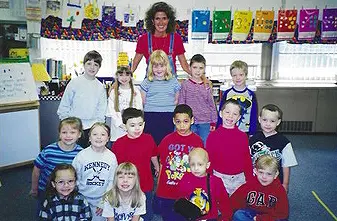
In August, two women will navigate 25.5 miles of the rugged Superior Hiking Trail in Minnesota, motivated by a bond forged in a kindergarten classroom more than a quarter-century ago. Michele Benyo and Alicia, a former classmate of Michele’s late son, David, are participating in the CureSearch Ultimate Hike, an endurance event designed to raise funds for pediatric cancer research. Their journey is the culmination of a story that began in 1997, involving a rare cancer diagnosis, a pioneering medical procedure, and a lifelong commitment to ensuring other families do not endure the same loss.
The upcoming hike serves as both a memorial and a philanthropic effort, highlighting the long-term impact of childhood illness on families and communities. For Michele, it is a continuation of her son’s legacy; for Alicia, it is a tribute to a childhood friend and her late mother, who also succumbed to cancer. The event underscores a critical gap in medical funding and the reliance on grassroots endurance challenges to bridge the financial divide in pediatric oncology.
The Medical Battle of David Benyo: 1997–2000
The narrative began in December 1997 when David Benyo, then four years old, was diagnosed with rhabdomyosarcoma. Rhabdomyosarcoma (RMS) is a highly aggressive form of cancer that develops from mesenchymal cells that have failed to fully differentiate into skeletal muscle myocytes. According to the American Cancer Society, RMS accounts for approximately 3% of all childhood cancers, with about 350 new cases diagnosed in the United States annually.
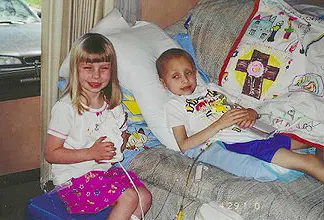
David’s initial presentation involved a grapefruit-sized tumor, a common clinical manifestation of the disease when it originates in the soft tissues. The following year was defined by a rigorous treatment protocol involving systemic chemotherapy, surgical intervention to debulk the primary tumor, and frequent blood transfusions to combat the myelosuppressive effects of the drugs. Medical staff at the time noted David’s resilience, characterized by his self-identification as a "cheetah," a metaphor for the strength and speed he brought to his recovery efforts.
By late 1998, the primary tumor had regressed, and David entered a period of remission. During this interval, the family participated in a Make-A-Wish trip to Disney World, a standard psychosocial intervention for children facing life-threatening illnesses. However, the reprieve was short-lived. Shortly after the trip, clinical evaluations confirmed that the cancer had returned, having metastasized to his bone marrow.
In response to the relapse, David underwent a high-dose chemotherapy and radiation regimen, followed by a pediatric stem cell transplant at Minneapolis Children’s Hospital. This procedure was among the first of its kind performed at the facility in the late 1990s, representing the cutting edge of pediatric oncology at the time. Despite an initial successful engraftment and a second brief remission, the cancer returned for a final time. In May 2000, at the age of six, David Benyo passed away, choosing to cease aggressive treatments in his final weeks to spend his remaining time at home with his family.
The Enduring Impact on Classmates and Community
The loss of David Benyo left a profound void in his local community, particularly among his peers. Alicia, a classmate in David’s kindergarten class, experienced the loss of her friend as her first encounter with death. Their connection extended beyond the classroom; Alicia’s mother was David’s Sunday school teacher, further intertwining the two families’ lives.
Psychological studies on childhood bereavement suggest that the loss of a peer can have lasting effects on a child’s development and worldview. For Alicia, the grief manifested as a long-term avoidance of the topic of cancer. However, the relationship between the families remained intact. When Alicia graduated from high school years later, she invited Michele Benyo to the ceremony, presenting her with a locket containing David’s photograph as a symbol that he had "walked across the stage" with her.
Today, Alicia serves as a special needs teacher at the same elementary school she and David attended. Her return to the school environment brought the story full circle, but recent personal tragedy provided a new impetus for action. Alicia’s mother—the woman who had taught David in Sunday school—recently passed away from cancer. This second loss transformed Alicia’s decades-old grief into a proactive mission, leading her to join Michele in the CureSearch Ultimate Hike.
Pediatric Cancer: The Research and Funding Gap
The participation of Michele and Alicia in the Ultimate Hike highlights a systemic issue in the medical research landscape: the disparity in funding between adult and pediatric cancers. While significant strides have been made in oncology, pediatric research often lags behind due to the smaller market size for pharmaceutical companies and a historical lack of federal prioritization.
Data from the National Cancer Institute (NCI) indicates that while cancer is the leading cause of death by disease among children in the United States, pediatric cancer research receives only a small fraction of the NCI’s annual budget—historically cited around 4%. This funding gap necessitates the involvement of organizations like CureSearch for Children’s Cancer, which focuses specifically on accelerating the development of new treatments with fewer long-term side effects.
Rhabdomyosarcoma, the disease David fought, remains a focus of intense study. While the five-year survival rate for localized RMS is approximately 70% to 90%, that figure drops significantly—to below 30%—once the cancer has metastasized to the bone marrow or other distant sites, as was the case with David. The treatments used in the late 1990s, such as the high-dose radiation and chemotherapy David received, often carry a high "toxicity burden," leading to secondary health issues for survivors. Modern research aims to develop targeted therapies that can neutralize cancer cells without damaging developing pediatric tissues.
The CureSearch Ultimate Hike: A Physical and Philanthropic Challenge
The CureSearch Ultimate Hike is not a traditional charity walk. It is an endurance event that requires participants to complete 25.5 miles of rugged terrain in a single day. The Superior Hiking Trail in Minnesota, where Michele and Alicia will hike, is known for its steep elevation changes, rocky paths, and unpredictable weather.
The physical demands of the hike are intended to mirror the endurance required by children undergoing cancer treatment. Participants undergo months of training and are required to meet specific fundraising goals before they set foot on the trail. Since its inception, the Ultimate Hike program has raised millions of dollars to fund clinical trials and laboratory research.
For Michele Benyo, the hike represents a tangible way to process the "unending" nature of her grief. By converting loss into a 25.5-mile trek, she and Alicia are contributing to a fund that supports the Next Generation of pediatric oncology researchers. The funds raised are directed toward:
- Phase I and Phase II Clinical Trials: Ensuring that new, promising drugs move from the lab to the bedside more quickly.
- International Research Collaborations: Pooling data from around the world to study rare pediatric cancers like RMS.
- Survivorship Studies: Researching ways to mitigate the long-term health effects of harsh treatments like radiation and chemotherapy.
Analysis of Broader Implications
The story of David, Michele, and Alicia illustrates the evolving nature of "charity" in the 21st century. The shift toward "challenge-based" fundraising allows participants to find personal healing through physical exertion while providing necessary capital for specialized medical research.
Furthermore, this event highlights the importance of "legacy" in pediatric oncology. For parents like Michele, the goal is often to ensure that the medical data gathered during their child’s treatment contributes to a future where other children have higher survival rates. David was a pioneer in pediatric stem cell transplantation; the lessons learned from his case at Minneapolis Children’s Hospital in 1999 contributed to the institutional knowledge that informs current transplant protocols.
From a journalistic perspective, the collaboration between a mother and her son’s childhood friend underscores the long-term social fabric of a community affected by illness. It demonstrates that the impact of a pediatric cancer diagnosis extends far beyond the immediate family, affecting peers, educators, and the local healthcare system for decades.
Conclusion and Future Outlook
As August approaches, Michele Benyo and Alicia continue their training for the Superior Hiking Trail. Their goal is to raise both funds and awareness, emphasizing that while David’s story ended in 2000, the work to cure rhabdomyosarcoma and other pediatric cancers is ongoing.
The CureSearch Ultimate Hike remains a vital pipeline for research funding. For those interested in the progress of pediatric oncology, the event serves as a reminder that medical breakthroughs are often fueled by the persistence of those who have lost the most. By lacing up their boots, Michele and Alicia are ensuring that the "cheetah" spirit David Benyo exhibited as a four-year-old continues to drive the search for a cure.
The organization continues to seek participants and donors for its various regional hikes. Information regarding registration, training schedules, and the specific research projects funded by the 2024 hikes is available through official CureSearch channels. As medical technology advances, the hope is that the 25.5-mile journey will eventually lead to a destination where pediatric cancer is no longer a terminal diagnosis.
