
 By admin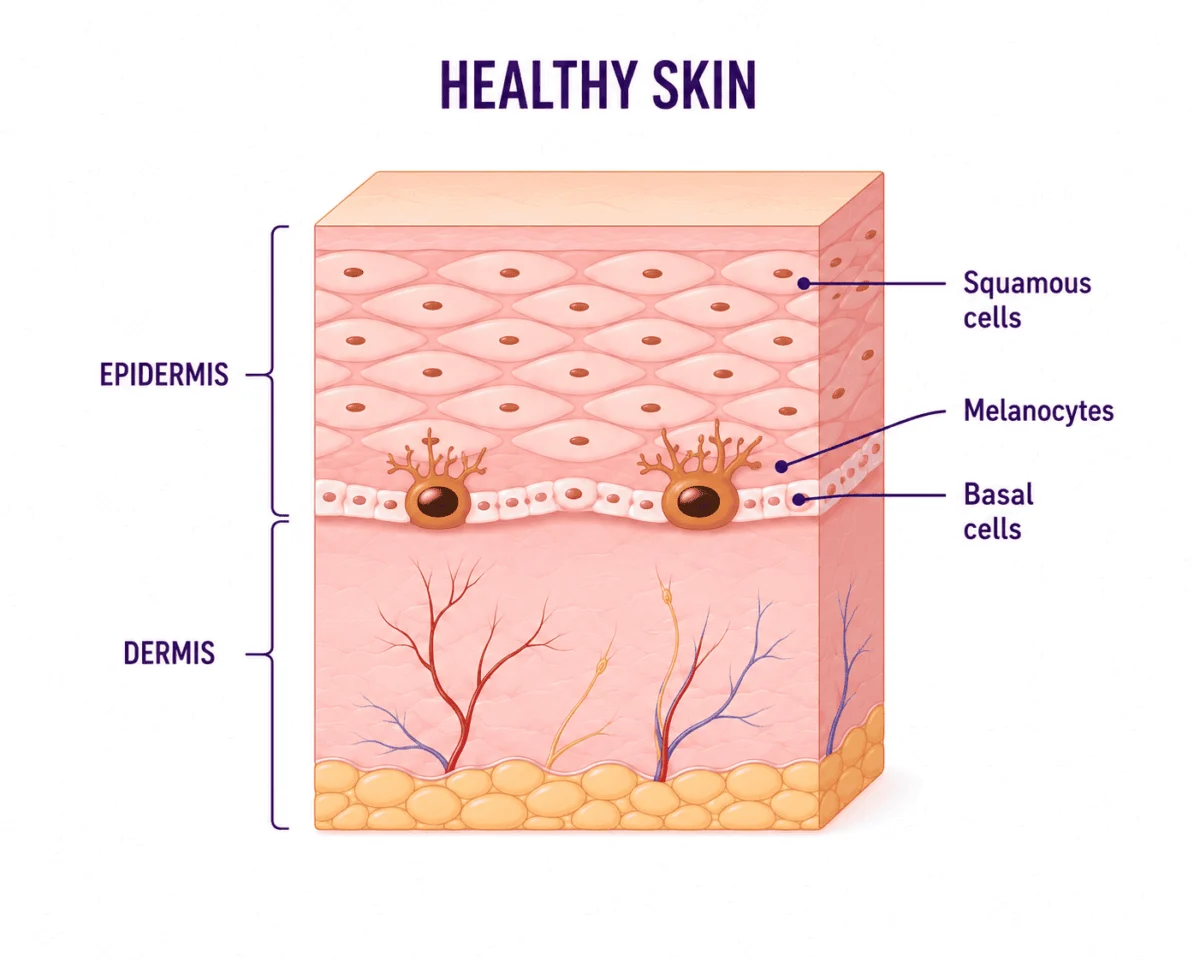
As July unfolds, the Cancer Research Institute (CRI) joins health organizations worldwide in observing Ultraviolet (UV) Radiation Safety Awareness Month, a critical period dedicated to highlighting the paramount importance of protecting the body’s largest organ: the skin. This annual observance serves as a vital reminder that while the sun offers warmth and light, its invisible UV rays pose significant health risks, primarily leading to skin cancer. Fortunately, the vast majority of skin cancers are preventable through simple, consistent protective measures, a message the CRI is keen to amplify alongside updates on revolutionary advancements in treatment, particularly in the realm of immunotherapy.
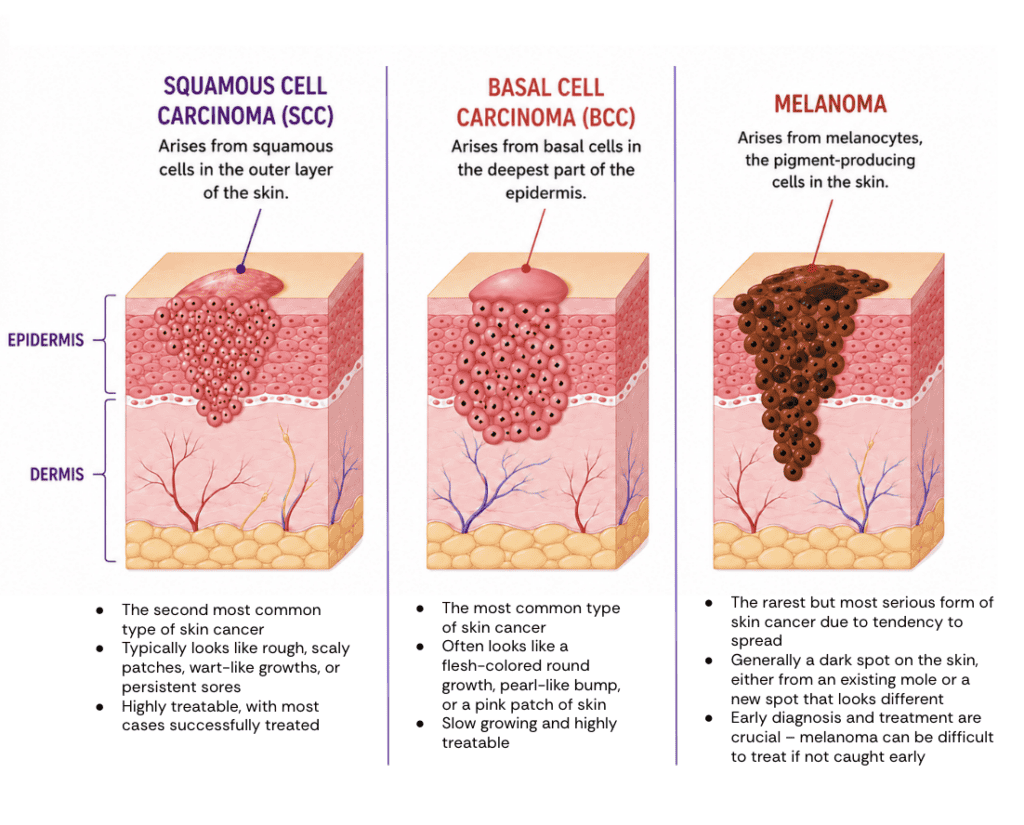
Skin cancer remains the most common form of cancer globally, with staggering statistics underscoring the urgency of prevention. According to the American Academy of Dermatology (AAD), one in five Americans will develop skin cancer in their lifetime. More than 2 million people are diagnosed with basal cell carcinoma (BCC) and squamous cell carcinoma (SCC) annually in the U.S., while melanoma, though less common, is the deadliest form, projected to affect over 100,000 Americans in 2024. The cumulative nature of UV damage means that sun exposure over years builds up, increasing risk, emphasizing that protective habits formed early can yield lifelong benefits.
Understanding the Invisible Threat: Ultraviolet Radiation
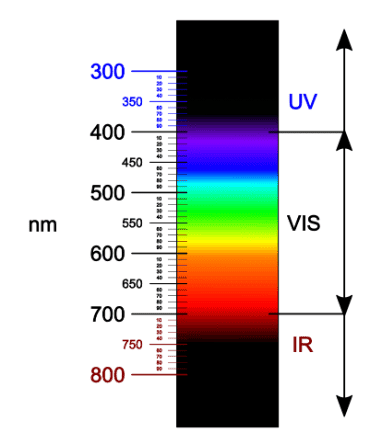
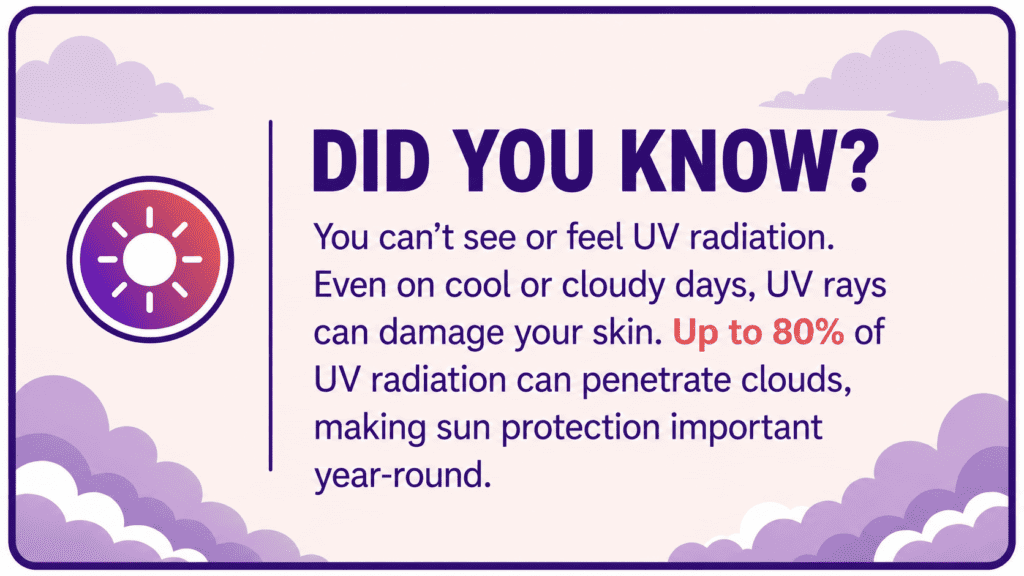
Ultraviolet radiation, a component of the electromagnetic spectrum, is invisible to the human eye, possessing wavelengths between 100 and 400 nanometers—shorter than visible light but longer than X-rays. While naturally emanating from the sun, UV radiation can also originate from artificial sources, most notably tanning beds, which are classified as carcinogens by the World Health Organization (WHO).
UV radiation is broadly categorized into three types:
- UVA (320-400 nm): Penetrates deeply into the skin, contributing to premature aging, wrinkles, and playing a significant role in skin cancer development. It is present with consistent intensity throughout the day and year, even penetrating clouds and glass.
- UVB (290-320 nm): Primarily responsible for sunburns and direct DNA damage, a key driver of skin cancer. UVB intensity varies by season, time of day, and geographic location, being strongest between 10 AM and 4 PM from spring to fall.
- UVC (100-290 nm): The most dangerous type, but fortunately, the Earth’s ozone layer absorbs virtually all UVC radiation, preventing it from reaching the surface.
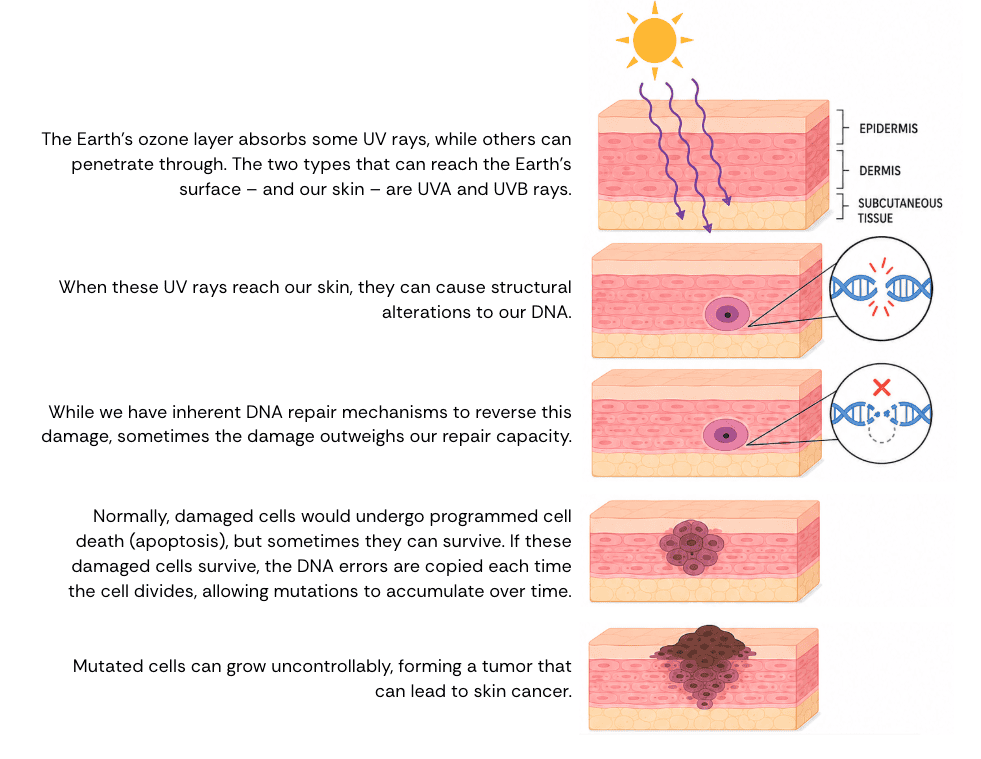
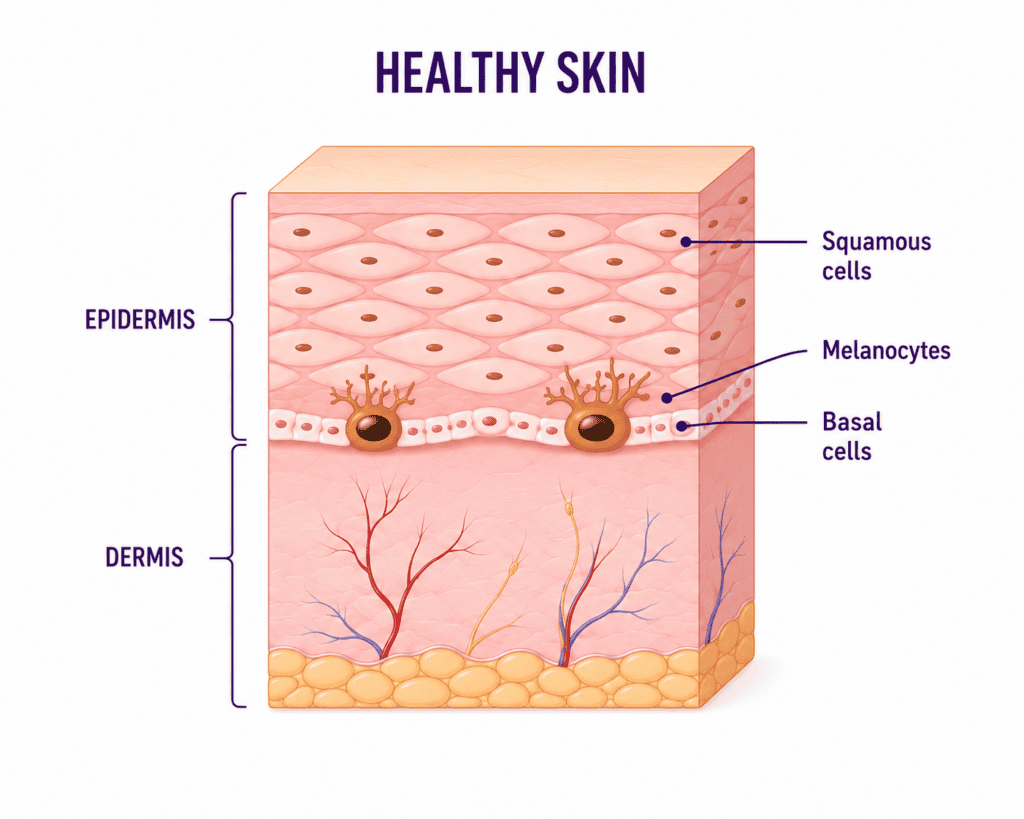
The mechanism by which UV radiation causes skin cancer is rooted in cellular damage. When UV photons strike skin cells, they can directly damage the DNA within these cells. This damage often manifests as pyrimidine dimers, where adjacent DNA bases become abnormally linked. While cells possess repair mechanisms, repeated and extensive exposure can overwhelm these systems, leading to unrepaired DNA mutations. These mutations can then trigger uncontrolled cell growth, forming cancerous lesions. The "cumulative" aspect means that each exposure, whether it results in a sunburn or not, contributes to this genetic damage over time, explaining why individuals with a history of significant sun exposure, even in childhood, face an elevated risk later in life.
Preventive Strategies: Your First Line of Defense
Given that most skin cancers are preventable, adopting proactive measures is the most effective defense. The CRI, aligned with leading dermatological associations, advocates for a multi-faceted approach to sun safety:
-
Seek Shade: This is one of the simplest and most effective ways to reduce UV exposure, especially during peak hours when the sun’s rays are strongest (typically 10 AM to 4 PM). Utilizing natural shade from trees or creating it with umbrellas and canopies can significantly lower your risk.
-
Wear Protective Clothing: Long-sleeved shirts, pants, and wide-brimmed hats offer a physical barrier against UV rays. Look for clothing with an Ultraviolet Protection Factor (UPF) label, indicating how much UV radiation the fabric blocks. A UPF of 30 or higher is recommended for effective protection.
-
Apply Broad-Spectrum Sunscreen Diligently: Use a broad-spectrum sunscreen with an SPF of 30 or higher daily, even on cloudy days. "Broad-spectrum" indicates protection against both UVA and UVB rays. Apply generously to all exposed skin 15-30 minutes before going outdoors and reapply every two hours, or more frequently after swimming or sweating.
-
Avoid Tanning Beds and Sunlamps: These artificial sources emit concentrated UV radiation and significantly increase the risk of melanoma and other skin cancers. There is no such thing as a "safe" tan from these devices.
-
Wear UV-Blocking Sunglasses: Protect your eyes and the delicate skin around them from UV damage, which can lead to cataracts and other eye conditions. Look for sunglasses that block 99% or 100% of both UVA and UVB rays.
-
Perform Regular Skin Self-Exams and Professional Screenings: Become familiar with your skin and routinely check for any new moles, growths, or changes in existing lesions. The "ABCDE" rule can help identify suspicious moles: Asymmetry, Border irregularity, Color variation, Diameter (larger than 6mm), and Evolving (changing in size, shape, or color). Schedule annual professional skin exams with a dermatologist, especially if you have risk factors such as a history of sunburns, numerous moles, or a family history of skin cancer. Early detection significantly improves treatment outcomes.
When Prevention Isn’t Enough: The Dawn of Immunotherapy
Despite robust prevention efforts, skin cancer can still develop. For decades, advanced melanoma, the most aggressive form of skin cancer, carried a grim prognosis, often resistant to conventional treatments like chemotherapy. However, a revolutionary shift began to emerge from the late 20th century, culminating in groundbreaking immunotherapy approaches that have dramatically altered the landscape for many patients.
The timeline of immunotherapy’s rise for melanoma is a testament to persistent scientific inquiry. Early attempts at harnessing the immune system against cancer date back to the late 19th century, but it wasn’t until significant breakthroughs in understanding immune regulation that true therapeutic potential was realized. A pivotal moment came with the work of Dr. James P. Allison, PhD, Director of CRI’s Scientific Advisory Council. In the mid-1990s, Dr. Allison identified CTLA-4 as a "brake" on T-cell activation, recognizing that blocking this protein could unleash the immune system to attack cancer. This discovery paved the way for the development of immune checkpoint inhibitors (ICIs).
ICIs represent a class of immunotherapies that essentially "release the brakes" on the immune system, enabling it to detect and destroy cancer cells that had previously evaded surveillance. Tumors often exploit immune checkpoints—proteins on immune cells that, when activated, prevent an immune response—to disguise themselves from attack. By blocking these interactions, ICIs allow the immune system to regain its full anti-cancer potency.
Examples of ICIs that have revolutionized melanoma treatment include:
- Ipilimumab (anti-CTLA-4): The first ICI approved for advanced melanoma, demonstrating improved overall survival in clinical trials, initially approved by the FDA in 2011.
- Nivolumab (anti-PD-1): Targeting the PD-1 checkpoint, this drug showed even greater efficacy and was approved in 2014.
- Pembrolizumab (anti-PD-1): Another highly effective anti-PD-1 therapy, also approved in 2014.
- Combinations of these therapies, such as nivolumab and ipilimumab, have shown even better response rates for some patients.
The profound impact of this research was recognized globally when Dr. Allison, alongside Tasuku Honjo, PhD, was awarded the Nobel Prize in Physiology or Medicine in 2018 for their independent discoveries of immune checkpoint therapy.
A Patient’s Journey: Sharon Belvin’s Enduring Legacy
The success of these scientific endeavors is perhaps best illustrated through the lives transformed. Sharon Belvin’s story stands as a powerful testament to the life-changing potential of immunotherapy. Diagnosed with Stage 4 melanoma at the age of 22, Sharon faced a dire prognosis, akin to what countless patients before her had experienced. "Hearing the words ‘You have cancer’ carries a weight that’s almost impossible to describe," Sharon recounted. "I remember the fear, the uncertainty, and the question that echoed in my mind every single day: How much time do I really have left?"
With conventional options exhausted, Sharon’s oncologist enrolled her in one of the early clinical trials for immune checkpoint inhibitors. What followed was nothing short of miraculous. To this day, over two decades later, Sharon Belvin remains cancer-free. Her remarkable recovery not only provided hope to future patients but also offered a deeply personal connection to the research; Dr. Allison himself officiated her wedding, a poignant symbol of the direct human impact of his scientific contributions. Sharon’s enduring health underscores how decades of fundamental immunology research, often conducted quietly in laboratories, can translate into decades of life for individuals battling aggressive cancers.
The Frontier of Discovery: Enhancing Immunotherapy Response
While immunotherapy has ushered in an era of unprecedented success for many melanoma patients, it is not a universal cure. A significant challenge remains: between 30% and 50% of patients with advanced melanoma do not respond to ICIs. This critical gap drives ongoing research efforts, as scientists strive to understand the underlying reasons for non-response and develop strategies to extend the benefits of immunotherapy to a broader population.
Dr. Katie Campbell, PhD, a former CRI Postdoctoral Fellow and an adjunct assistant professor at UCLA, is at the forefront of this crucial research. Her work focuses on unraveling the complex interactions within tumor microenvironments, specifically examining not just which immune cells are present within tumors, but also their spatial arrangement and architectural organization. Dr. Campbell describes these intricate groupings as "cellular neighborhoods," regions where cancer cells, various immune cells, and the blood vessels that act as "immune highways" are in constant, dynamic communication.
A key innovation in Dr. Campbell’s approach involves studying biopsies taken both before and during treatment. This longitudinal analysis provides a dynamic "picture of the immune system in motion," rather than a static snapshot. "It’s like taking a picture of a bike race before it starts," Dr. Campbell explains. "Before the race, you can just say there’s a bunch of bikes. Once they’re moving, you can say which cyclists are at the front of the pack versus the back – and you can do a lot more inference about what’s happening." By observing these changes, her team aims to identify predictive biomarkers—specific patterns or cell arrangements—that can indicate whether a patient is likely to respond to a particular immunotherapy.
The broader vision underpinning Dr. Campbell’s research is the development of smarter, earlier intervention strategies. In current practice, patients who do not respond to initial immunotherapy may undergo multiple rounds of different treatments, losing precious time and potentially diminishing their overall capacity to respond. Dr. Campbell’s hope is that these advanced analytical approaches will eventually enable clinicians to identify the most effective therapy for an individual patient much sooner, thereby optimizing treatment pathways and improving outcomes for those currently unresponsive to ICIs. This move towards personalized medicine holds the promise of sparing patients from ineffective treatments and maximizing their chances of long-term survival.
A Dual Commitment: Protecting Skin Today, Advancing Treatments for Tomorrow
As July’s UV Radiation Safety Awareness Month concludes, the message is clear and dual-pronged: vigilance in prevention and relentless pursuit of scientific breakthroughs. Most skin cancers, including the vast majority of non-melanoma types, are largely preventable through conscious, consistent habits that minimize UV exposure. Simple actions such as applying broad-spectrum SPF 30+ sunscreen, wearing protective clothing, seeking shade during peak hours, and avoiding tanning beds are immensely powerful tools for safeguarding health. Regular self-skin checks and professional dermatological screenings complete this protective framework, ensuring early detection when prevention fails.
Simultaneously, for those diagnosed with skin cancer, particularly advanced melanoma, decades of dedicated research have indeed transformed what is possible. Immunotherapy has rewritten the outlook for countless individuals, transitioning once-limited treatment options into the reality of long-lasting, disease-free survival for many patients. Organizations like the Cancer Research Institute continue to champion and fund cutting-edge research, building upon the successes of pioneers like Dr. James P. Allison and supporting the innovative work of scientists like Dr. Katie Campbell. Their collective efforts are paving the way toward a future where more patients not only benefit from these life-saving therapies but also receive treatments tailored precisely to their unique biological profiles.
Whether through individual responsibility in daily sun protection or collective support for the scientific endeavors driving tomorrow’s medical breakthroughs, every step forward contributes to a world where fewer people develop skin cancer, and a greater number of those who do are able to survive and thrive. The ongoing synergy between public health awareness and advanced scientific discovery is the most powerful weapon in the fight against this prevalent disease.
