
 By Billy Candra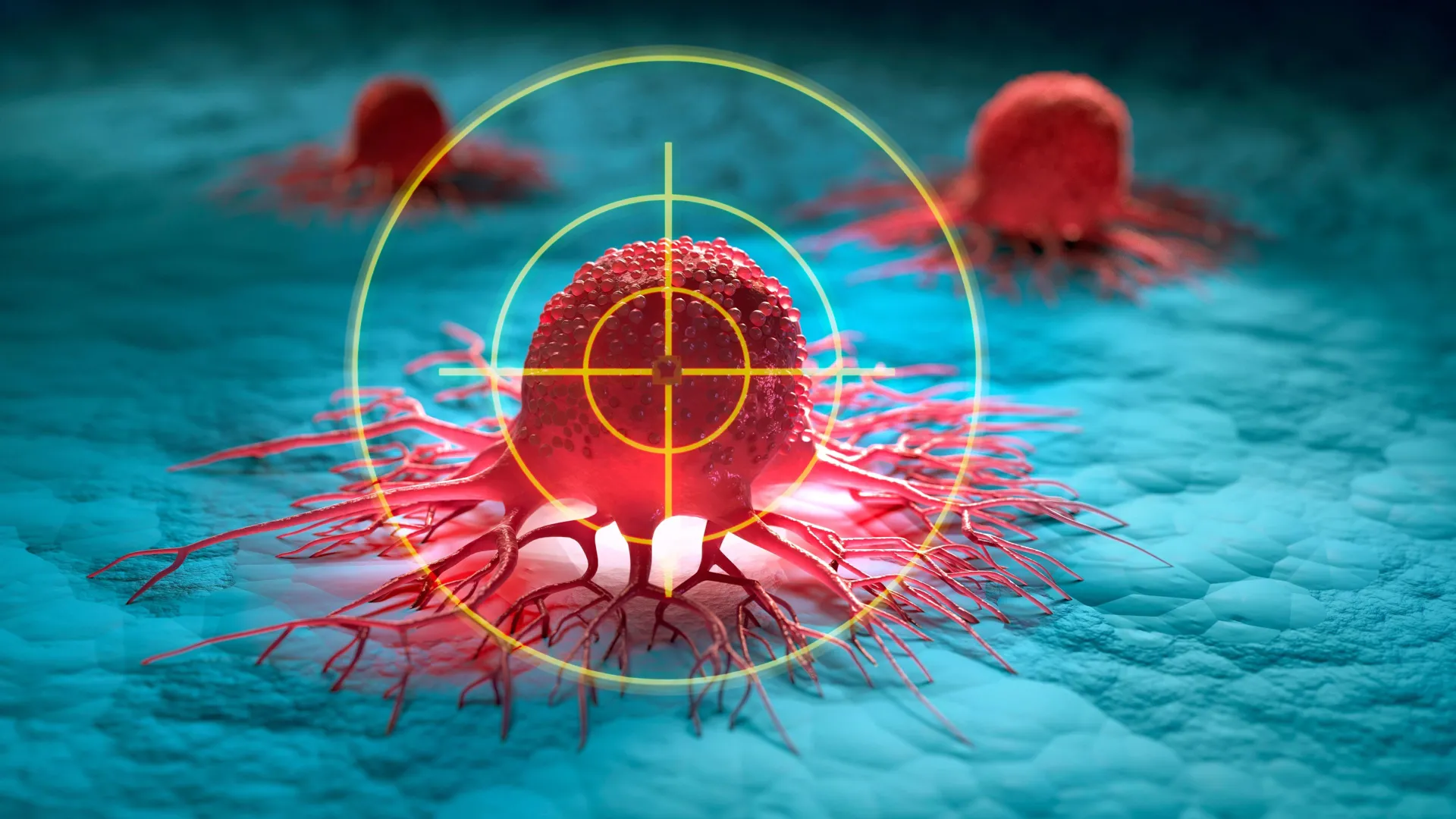
Scientists at the Icahn School of Medicine at Mount Sinai have unveiled an experimental immunotherapy that marks a significant departure from conventional approaches to combating metastatic cancer. Instead of directly targeting and destroying cancer cells, this innovative treatment focuses on the intricate network of supportive cells that surround and protect tumors, effectively dismantling their defenses from within. This paradigm shift, leveraging the body’s own immune system in a novel way, offers a beacon of hope for advanced solid tumors that have historically resisted existing therapies.
A New Angle on an Old Foe: The Challenge of Metastatic Cancer
Metastatic cancer, the spread of cancer cells from the primary tumor to distant sites in the body, remains the leading cause of cancer-related deaths worldwide. According to the World Health Organization, cancer is a leading cause of death globally, accounting for nearly 10 million deaths in 2020, with metastatic disease being the primary culprit in the vast majority of these fatalities. Solid tumors, such as lung and ovarian cancers, are particularly aggressive once they metastasize, posing immense challenges to clinicians and researchers alike.
Current immunotherapies, while revolutionary for some cancer types, often face formidable barriers when confronted with advanced solid tumors. Chimeric Antigen Receptor (CAR) T cell therapy, for instance, has achieved remarkable success in treating certain blood cancers like leukemia and lymphoma. This personalized treatment involves genetically engineering a patient’s own T cells to recognize and attack cancer cells. However, its efficacy in solid tumors has been limited. The reasons are multifaceted: solid tumors often lack unique, uniformly expressed surface markers that CAR T cells can reliably target without harming healthy tissue; they present physical barriers that prevent T cell infiltration; and, crucially, they cultivate a highly immunosuppressive microenvironment that deactivates incoming immune cells.
This immunosuppressive environment, often described as a "walled fortress," is a complex ecosystem where cancer cells recruit and reprogram various immune and stromal cells to serve their nefarious agenda. These recruited cells not only shield the cancer from immune attack but also actively promote tumor growth, angiogenesis (formation of new blood vessels), and further metastasis. It is this intricate, protective shield that Mount Sinai’s researchers have set out to dismantle.
Unveiling the Trojan Horse Strategy: Targeting Tumor Macrophages
The breakthrough, detailed in the January 22 online issue of Cancer Cell, a Cell Press Journal, proposes a "Trojan horse" strategy. Rather than attempting a direct assault on the heavily guarded cancer cells, the therapy cunningly targets the very "guards" of this fortress: tumor-associated macrophages (TAMs). Macrophages are a type of white blood cell that play a critical role in the immune system, acting as first responders to infection and injury, clearing cellular debris, and initiating tissue repair. In healthy tissues, they are beneficial. Within the hostile microenvironment of a tumor, however, these same cells are hijacked and reprogrammed.
"What we call a tumor is really cancer cells surrounded by cells that feed and protect them. It’s a walled fortress," explains lead study author Jaime Mateus-Tique, PhD, a faculty member in Immunology and Immunotherapy at the Icahn School of Medicine at Mount Sinai. "With immunotherapy, we kept running into the same problem – we can’t get past this fortress’s guards. So, we thought: what if we targeted these guards, turned them from protectors to friends, and used them as a gateway to bring a wrecking force within the fortress."
These reprogrammed TAMs become critical enablers of cancer survival and progression. They suppress beneficial anti-tumor immune responses, promote the growth of new blood vessels to feed the tumor, facilitate tumor invasion into surrounding tissues, and aid in the spread of metastatic cells. They essentially form a protective barrier, actively shielding cancer cells from the body’s natural defenses and therapeutic interventions.
Re-engineering CAR T Cells for a Paradigm Shift
The Mount Sinai team’s innovation lies in its ingenious re-engineering of CAR T cells. Traditionally, CAR T cells are designed to recognize specific antigens (protein markers) on the surface of cancer cells and directly kill them. This approach, while effective for some liquid tumors, falters in solid tumors due to antigen heterogeneity and the lack of universally expressed, tumor-specific targets. To circumvent these limitations, the researchers redirected their CAR T cells to recognize and eliminate TAMs instead of the cancer cells themselves.
The re-engineered CAR T cells were further modified to be "armored." This means they were equipped to release interleukin-12 (IL-12), a potent immune-stimulating cytokine, directly within the tumor microenvironment. IL-12 is a critical regulator of immune responses, known for its ability to activate killer T cells and natural killer (NK) cells, thereby enhancing anti-tumor immunity. However, systemic administration of IL-12 has historically been associated with severe toxicity, limiting its clinical utility. By localizing its release directly at the tumor site via the CAR T cells, the Mount Sinai team aimed to maximize its therapeutic impact while mitigating systemic side effects.
Preclinical Triumph: Dramatic Results in Aggressive Models
The efficacy of this novel "armored macrophage-targeted CAR T cell" therapy was rigorously tested in aggressive preclinical models of metastatic ovarian and lung cancer. These models are designed to closely mimic the complex and challenging nature of human metastatic disease. The results were nothing short of dramatic. Mice treated with the engineered cells lived significantly longer—months longer, a substantial duration in mouse lifespan—compared to untreated control groups. Remarkably, a considerable number of these animals achieved complete cures, demonstrating the profound therapeutic potential of this approach.
To understand the mechanisms underpinning these impressive outcomes, the researchers employed advanced spatial genomics techniques. These cutting-edge analyses allowed them to visualize and map the cellular landscape within the tumors at a molecular level. The findings were compelling: the treatment fundamentally reshaped the tumor microenvironment. It effectively removed the immunosuppressive TAMs, thereby lifting the "brake" on the immune system. Concurrently, the localized release of IL-12 attracted and activated a surge of tumor-killing immune cells, transforming the hostile tumor environment into an immune-active battleground conducive to cancer eradication.
A particularly significant implication of these findings is the "antigen-independent" nature of the therapy. Because it targets the supportive macrophages rather than specific cancer cell markers, the strategy holds promise for broad applicability across a wide spectrum of cancers, including those that have proven refractory to traditional immunotherapy due to their heterogeneous antigen profiles. The success observed in both lung and ovarian cancer models underscores this potential, suggesting that the fundamental principles of TME modulation could be applied to numerous solid tumor types.
Expert Insights and the Broader Landscape of Cancer Research
"Macrophages are found in every type of tumor, sometimes outnumbering the cancer cells. They’re there because the tumor uses them as a shield," states senior author Brian Brown, PhD, Director of the Icahn Genomics Institute, Vice Chair of Immunology and Immunotherapy, Associate Director of the Marc and Jennifer Lipschultz Precision Immunology Institute, and Mount Sinai Professor of Genetic Engineering, at the Icahn School of Medicine at Mount Sinai. "What’s so exciting is that our treatment converts these cells from protecting the cancer to killing it. We’ve turned foe into ally."
This research resonates deeply within the wider oncology community, which has increasingly recognized the critical role of the tumor microenvironment in cancer progression and resistance to therapy. For years, the focus has predominantly been on directly attacking cancer cells. However, the consistent failures in solid tumors have prompted a paradigm shift towards understanding and manipulating the complex interplay between cancer cells and their surrounding stromal and immune cells. This Mount Sinai study provides compelling proof-of-concept that targeting non-malignant components of the tumor, specifically TAMs, can be a highly effective strategy to overcome immune suppression and unleash potent anti-tumor responses.
The concept of "reprogramming" the tumor microenvironment is gaining significant traction. This study contributes a powerful new tool to this arsenal, demonstrating a precise and potent way to flip the script on tumor-promoting immune cells. Patient advocacy groups, while cautiously optimistic, will undoubtedly view these preclinical results as a significant step forward, offering renewed hope for individuals battling advanced and metastatic cancers for which current treatment options are limited.
The Path Forward: From Preclinical Promise to Human Trials
While the preclinical results are undeniably exciting and establish a "new way to treat cancer," as Dr. Brown emphasizes, the researchers are quick to underscore that studies in humans are still critically needed. The journey from laboratory discovery to a clinically approved therapy is long and arduous, typically involving several phases of rigorous clinical trials.
The immediate next steps involve further refining the approach in mouse models, with a particular focus on precisely controlling the location and kinetics of IL-12 release within tumors. This is crucial for maximizing therapeutic efficacy while ensuring safety, as IL-12, despite its immune-stimulating properties, can lead to significant systemic toxicity if not carefully managed. Researchers will need to develop strategies to minimize potential off-target effects and mitigate risks such as cytokine release syndrome (CRS) and neurotoxicity, which are known complications of CAR T cell therapies.
Following these refinements, the team will need to submit an Investigational New Drug (IND) application to regulatory bodies like the U.S. Food and Directory Administration (FDA) to initiate human clinical trials. Phase 1 trials will primarily assess the safety and optimal dosing of the therapy in a small group of patients. If deemed safe, subsequent phases will evaluate its efficacy against specific cancer types and compare it to existing standards of care. This meticulous process can take many years, but the foundational work laid by Mount Sinai offers a strong impetus for its progression.
Beyond lung and ovarian cancer, the researchers envision this strategy forming the basis for a new generation of CAR T therapies that reshape tumors by targeting their support cells, rather than solely focusing on the cancer cells themselves. This broad applicability could potentially unlock treatment options for numerous cancer types that currently lack effective immunotherapies. The ability to render a tumor "antigen-independent" and transform its microenvironment could revolutionize how we approach the treatment of solid tumors, moving towards a more holistic and systemic attack on the cancer ecosystem.
This groundbreaking work was supported by essential funding from NIH grants (U01CA28408, R01CA254104), the Alliance for Cancer Gene Therapy, the Feldman Family Foundation, and the Applebaum Foundation, highlighting the critical role of collaborative research and philanthropic support in driving medical innovation. The study’s authors, including Jaime Mateus-Tique, Ashwitha Lakshmi, Bhavya Singh, Rhea Iyer, Alfonso R. Sánchez-Paulete, Chiara Falcomata, Matthew Lin, Gvantsa Pantsulaia, Alexander Tepper, Trung Nguyen, Angelo Amabile, Gurkan Mollaoglu, Luisanna Pia, Divya Chhamalwan, Jessica Le Berichel, Hunter Potak, Marco Colonna, Alessia Baccarini, Joshua Brody, Miriam Merad, and Brian D. Brown, have collectively opened a promising new chapter in the fight against metastatic cancer.
