
 By admin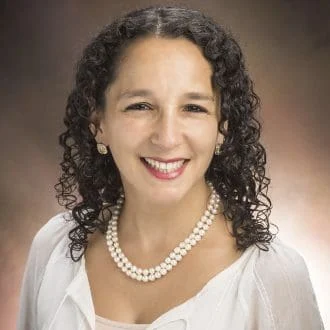
CureSearch for Children’s Cancer, a leading national non-profit organization dedicated to accelerating the development of safe and effective treatments for pediatric malignancies, has officially announced a $1 million Acceleration Initiative Award to Dr. Yael Mossé of the Children’s Hospital of Philadelphia (CHOP). This substantial funding is designated to advance a pioneering treatment strategy for high-risk neuroblastoma, an aggressive form of cancer that remains one of the most significant challenges in pediatric oncology. The grant represents a critical investment in precision medicine, aiming to bridge the gap between laboratory discovery and clinical application for a patient population that currently faces limited therapeutic options and high mortality rates.
The Critical Challenge of High-Risk Neuroblastoma
Neuroblastoma is a complex cancer that arises from immature nerve cells, known as neuroblasts, which are part of the sympathetic nervous system. It is most commonly found in the adrenal glands, which sit atop the kidneys, but can also develop in the abdomen, chest, neck, and near the spine. As the most common extracranial solid tumor in childhood, neuroblastoma accounts for approximately 8% to 10% of all pediatric cancer diagnoses. More distressingly, it is responsible for roughly 15% of all childhood cancer-related deaths, highlighting the disproportionate impact it has on pediatric mortality.
The disease is categorized into risk groups based on factors such as age at diagnosis, the stage of the cancer, and specific genetic markers, most notably the amplification of the MYCN oncogene. Patients diagnosed with "high-risk" neuroblastoma face a particularly daunting prognosis. Despite intensive multi-modal therapy—which often includes high-dose chemotherapy, surgery, radiation, stem cell transplants, and immunotherapy—the five-year survival rate for high-risk cases remains approximately 50%. Furthermore, survivors often suffer from long-term "late effects" caused by the toxicity of conventional treatments, including hearing loss, cardiac issues, and secondary cancers.
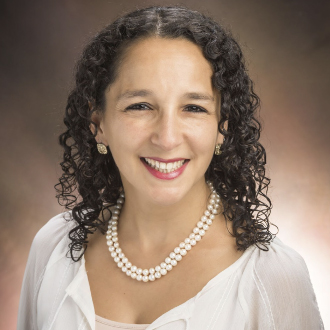
Dr. Yael Mossé, a Professor of Pediatrics at the Perelman School of Medicine at the University of Pennsylvania and a physician-scientist at CHOP’s Cancer Center, has dedicated her career to understanding the genetic drivers of this disease. Her research specifically targets the Anaplastic Lymphoma Kinase (ALK) gene, which her team previously identified as a major driver of both hereditary and sporadic neuroblastoma. The $1 million award from CureSearch will allow her team to refine and accelerate a precision-based therapeutic approach that targets these cancer-driving mutations while minimizing damage to healthy tissues.
The Acceleration Initiative: Bridging the Translational Gap
The grant was awarded through CureSearch’s Acceleration Initiative, a highly selective program designed to fund research with the highest potential for near-term clinical impact. Unlike traditional academic grants that may focus on basic biological exploration, the Acceleration Initiative targets "late-stage" pre-clinical projects. The goal is to propel promising science through the "valley of death"—the difficult phase in drug development where many potential therapies stall due to a lack of funding for the rigorous testing required to reach Phase I clinical trials.
The selection process for this award is rigorous, involving a comprehensive peer-review by a Scientific Advisory Council composed of international experts in pediatric oncology and drug development. Projects are evaluated not only on their scientific merit but also on their "deliverability"—the likelihood that the research will result in a new treatment available to children within a three- to five-year window.
Dr. Mossé’s project stood out for its focus on precision oncology. By utilizing advanced molecular targeting, the research aims to inhibit the specific proteins that allow neuroblastoma cells to proliferate. This "smart" approach to cancer therapy represents a paradigm shift from traditional cytotoxic chemotherapy, which attacks all rapidly dividing cells indiscriminately, leading to the severe side effects commonly associated with cancer treatment in children.
Chronology of Neuroblastoma Research and the Path to Precision Medicine
The path to this $1 million award is rooted in decades of incremental scientific progress and institutional collaboration. Understanding the timeline of these developments provides context for why Dr. Mossé’s current work is considered a high-priority breakthrough.
- 1980s – 1990s: Researchers identified the MYCN gene amplification as a primary indicator of high-risk neuroblastoma. This allowed for better risk stratification but did not immediately lead to targeted therapies.
- 2008: In a landmark study published in Nature, Dr. Mossé and her colleagues at CHOP identified mutations in the ALK gene as the cause of most cases of inherited neuroblastoma and a significant driver in non-inherited cases. This discovery identified ALK as a "druggable" target.
- 2010 – 2015: Initial clinical trials began using first-generation ALK inhibitors, such as crizotinib, which had already been approved for certain adult lung cancers. While showing promise, researchers found that neuroblastoma cells often developed resistance to these early-generation drugs.
- 2016 – 2022: Dr. Mossé’s lab focused on developing next-generation ALK inhibitors and combination therapies designed to overcome drug resistance and penetrate the blood-brain barrier, a common site for neuroblastoma relapse.
- 2024: CureSearch awards the $1 million Acceleration Initiative grant to Dr. Mossé to finalize the pre-clinical data necessary to launch a definitive clinical trial for a novel, more potent therapeutic agent.
Supporting Data and the Funding Landscape
The necessity of private funding from organizations like CureSearch is underscored by the current state of federal research allocations. While the National Cancer Institute (NCI) provides substantial funding for cancer research, only about 4% of the federal budget for cancer research is dedicated specifically to pediatric cancers. This disparity leaves a significant gap, particularly for rare or high-risk subtypes of childhood cancer that may not attract the same level of investment from large pharmaceutical companies as adult cancers do.
Data from the American Cancer Society indicates that while survival rates for many childhood cancers have improved significantly since the 1970s, progress for high-risk neuroblastoma has been slower. The "all-cancers" pediatric survival rate is now over 80%, but the 50% survival rate for high-risk neuroblastoma highlights a critical area of unmet need.
Furthermore, the economic impact of pediatric cancer is profound. A study published in the Journal of Clinical Oncology suggests that the lifetime productivity loss and healthcare costs associated with a single pediatric cancer diagnosis can reach millions of dollars. By investing in precision treatments that are both more effective and less toxic, organizations like CureSearch and institutions like CHOP are not only saving lives but also potentially reducing the long-term economic and social burden of childhood cancer.
Official Responses and Collaborative Support
Upon receiving the award, Dr. Mossé emphasized the transformative nature of the funding. "This award provides an unprecedented opportunity to streamline the overall development of a novel therapy for patients with neuroblastoma by accelerating the entire drug development process," she stated. "This translation of our science could not be possible without the support of CureSearch."
The grant is supported in part by the Norcross Foundation, a philanthropic organization with a long history of supporting medical research and community health initiatives. The involvement of the Norcross Foundation illustrates the importance of multi-sector collaboration in the fight against pediatric cancer, where private family foundations, national non-profits, and academic research centers align their resources to achieve a common goal.
CureSearch leadership noted that Dr. Mossé’s work exemplifies the type of "high-impact" science the organization seeks to champion. By focusing on the specific genetic mutations that drive a child’s individual tumor, the research moves away from a "one-size-fits-all" model toward a future of personalized pediatric oncology.
Broader Impact and Future Implications
The implications of Dr. Mossé’s research extend beyond neuroblastoma. The methodologies developed in her lab for targeting ALK mutations and overcoming drug resistance provide a blueprint for treating other pediatric cancers driven by similar genetic alterations. Furthermore, the success of the Acceleration Initiative serves as a model for how venture philanthropy can effectively de-risk early-stage drug development, making it more attractive for future commercial investment and large-scale clinical trials.
In the coming months, Dr. Mossé’s team will utilize the $1 million grant to conduct final pharmacology and toxicology studies. This data is required by the U.S. Food and Drug Administration (FDA) before a new drug can be tested in children. If the results are favorable, the transition to a Phase I clinical trial could occur within the next 24 months, offering a new lifeline to children who have exhausted standard treatment options.
As federal research funding remains subject to political and budgetary fluctuations, the role of CureSearch and its donors becomes increasingly vital. The $1 million investment in the Children’s Hospital of Philadelphia is more than just a financial transaction; it is a strategic move to ensure that the most promising scientific discoveries do not languish in a laboratory, but instead reach the bedside where they are needed most. For the families of children diagnosed with high-risk neuroblastoma, this research represents a critical step toward a future where a diagnosis is no longer a cause for despair, but a manageable condition with a clear path to a cure.
