
 By George Ongkojoyo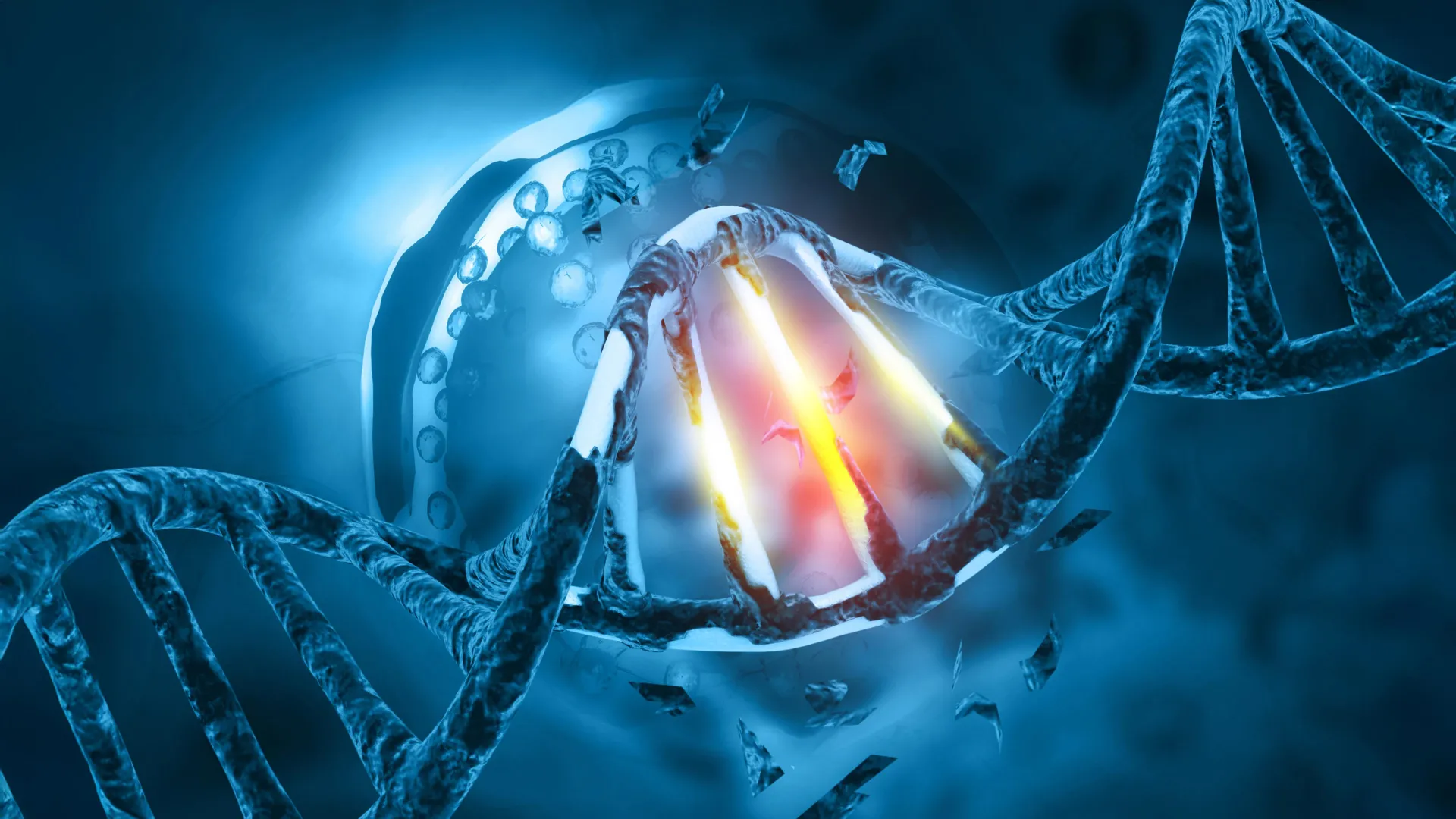
In the traditional understanding of oncology, tumor suppressor genes and DNA repair proteins are categorized as the body’s primary internal defense mechanisms. These biological components are tasked with the rigorous maintenance of the genome, identifying and mending the thousands of DNA lesions that occur daily within human cells. However, a groundbreaking study led by researchers at the Penn State College of Medicine has revealed a paradoxical reality: when one specific repair protein, known as Exonuclease 1 (EXO1), is produced in excessive quantities, it transforms from a guardian of the genome into an agent of chromosomal destruction.
The research, recently published in the prestigious journal Nature Communications, suggests that the overexpression of EXO1 is a significant driver of genomic instability in a wide array of malignancies. By destabilizing the genetic material it is supposed to protect, excess EXO1 facilitates the progression of aggressive cancers, including breast, ovarian, and liver tumors. Crucially, the study identifies EXO1 as a potent biomarker that could redefine treatment protocols for patients who currently lack the genetic mutations typically required for certain high-efficacy targeted therapies.
The Molecular Mechanism of Genomic Erosion
At its core, EXO1 is a nuclease—an enzyme that functions much like a pair of molecular scissors. In a healthy cellular environment, EXO1 is essential for several DNA repair pathways, including mismatch repair and the processing of DNA ends during homologous recombination. It carefully trims damaged strands of DNA to prepare them for the re-insertion of the correct genetic sequences. This process ensures that mutations do not accumulate and that the integrity of the genetic code is passed accurately from one cell generation to the next.
The Penn State team, led by George-Lucian Moldovan, PhD, a professor of molecular and precision medicine, discovered that this "trimming" function becomes pathological when the gene is overactive. In tumors where EXO1 is overexpressed, the enzyme does not stop at repairing damage; instead, it begins to excise sections of healthy, functional DNA. This leads to the breakdown of the genome, a hallmark of cancer that allows cells to mutate rapidly and evade the body’s natural regulatory systems.
Through sophisticated laboratory experiments using human cancer cell lines, the researchers demonstrated that excess EXO1 destabilizes DNA through two primary pathways. First, it expands gaps in single-stranded DNA during the replication process. Second, it degrades "reversed replication forks"—specialized structures that cells form to bypass obstacles during DNA copying. By eroding these structures, EXO1 creates toxic lesions, such as double-strand breaks. While these breaks contribute to the initial development and aggressiveness of the tumor, they also represent a potential "Achilles’ heel" that clinicians can exploit during treatment.
A New Mirror for BRCA Mutations
One of the most significant findings of the study is the discovery that EXO1 overexpression induces a cellular state that mimics the effects of BRCA1 and BRCA2 mutations. The BRCA genes are well-known for their role in hereditary breast and ovarian cancers; when they are mutated, the cell loses its ability to protect replication forks, leading to genomic collapse.
The research team found that even in cells where the BRCA genes were perfectly healthy and functioning normally, high levels of EXO1 could overwhelm the cellular defenses. Mechanistically, the overactive EXO1 works in tandem with another protein, MRE11, to aggressively enlarge DNA gaps. This creates a phenotype often referred to in oncology as "BRCAness."
"Mechanistically, this overexpression does exactly what the loss of the BRCA pathway does in BRCA-mutant tumor cells," explained Dr. Moldovan. This realization is transformative because it suggests that a significant portion of the cancer patient population—those without inherited BRCA mutations—may still possess tumors with the same underlying vulnerabilities as BRCA-positive cases.
Prevalence and Data from The Cancer Genome Atlas
To determine the clinical prevalence of this phenomenon, the researchers performed a comprehensive analysis of tumor data from The Cancer Genome Atlas (TCGA), a landmark program managed by the National Cancer Institute. Their findings indicate that EXO1 is not a niche player in oncology but rather a widespread factor in several major cancer types.
The data revealed that EXO1 is overexpressed in approximately 20% to 30% of breast and ovarian cancers. It was particularly prevalent in basal-like breast cancer, which is often triple-negative and noted for its aggressive nature and poor prognosis. Beyond breast and ovarian malignancies, the researchers identified elevated EXO1 levels in:
- Melanoma: A lethal form of skin cancer.
- Hepatobiliary Cancers: Including tumors of the liver, gall bladder, and bile ducts.
- Cervical and Testicular Cancers: Indicating a broad impact across different organ systems.
This high prevalence suggests that EXO1 could serve as a more universal biomarker than BRCA mutations, which are relatively rare in the general population. While BRCA mutations are often used to assess a person’s lifetime risk of developing cancer, EXO1 levels appear to be more indicative of how an existing tumor will behave and how it might respond to specific interventions.
Implications for Targeted and Personalized Therapy
The identification of EXO1 as a driver of "BRCAness" opens the door for the expanded use of targeted therapies, most notably PARP inhibitors like olaparib. Currently, PARP inhibitors are primarily FDA-approved for patients with confirmed BRCA mutations. These drugs work by blocking a specific DNA repair enzyme (PARP), which, when combined with an existing repair deficiency (like a BRCA mutation), leads to "synthetic lethality"—the death of the cancer cell while sparing healthy cells.
The Penn State study tested the efficacy of olaparib on EXO1-overexpressing tumors and found that they were highly sensitive to the drug. This suggests that the 20% to 30% of breast and ovarian cancer patients who overexpress EXO1 could benefit from PARP inhibitors, even if they test negative for BRCA mutations.
Furthermore, the research highlighted potential improvements in the administration of traditional chemotherapy. EXO1-overexpressing tumors showed increased sensitivity to cisplatin, a common platinum-based chemotherapy agent. "Our findings raise the possibility that lower doses of cisplatin might achieve comparable tumor shrinkage while reducing side effects," noted Alexandra Nusawardhana, the study’s lead author. This could significantly improve the quality of life for patients undergoing treatment, as cisplatin is known for its harsh side effects, including kidney damage and hearing loss.
Shifting the Paradigm: From Tissue to Genetics
The implications of this study extend beyond the specific protein EXO1, contributing to a broader shift in how modern medicine approaches cancer treatment. For decades, cancers were treated primarily based on the organ in which they originated—lung cancer was treated like lung cancer, and breast cancer like breast cancer.
Dr. Moldovan and his colleagues advocate for a "tissue-agnostic" approach, where treatment decisions are guided by the specific genetic landscape of the tumor. "We shouldn’t treat cancers based on what tissue they come from but based on the landscape of the genetic mutations present in the tumors," Moldovan said. "That would result in high efficiency treatment. That’s the future of cancer treatment."
By identifying EXO1 as a biomarker, clinicians can move closer to this "precision medicine" ideal. Screening for EXO1 levels could become a standard part of the diagnostic process, allowing oncologists to tailor treatment plans to the specific molecular vulnerabilities of the tumor from day one.
Chronology and Future Research Directions
The study represents years of rigorous investigation, beginning with the initial observation of EXO1 levels in genomic databases and culminating in the detailed biochemical analysis of the protein’s activity. The research was supported by the National Institutes of Health (NIH) and Four Diamonds, an organization dedicated to conquering childhood cancer.
The research timeline included:
- Database Analysis: Mining TCGA data to identify the correlation between EXO1 and various cancer types.
- Functional Validation: Creating "disabled" versions of the EXO1 protein to confirm that the DNA damage was a direct result of its enzymatic activity and not merely its physical presence in the cell.
- Drug Sensitivity Testing: Exposing EXO1-overexpressing cells to olaparib and cisplatin to measure the therapeutic response.
Looking forward, the Penn State team intends to transition these laboratory findings into the clinical setting. The next phase of research will likely involve clinical trials designed to screen patients for EXO1 overexpression and evaluate their response to PARP inhibitors and low-dose platinum therapies. If successful, these trials could lead to new FDA indications for existing drugs, providing thousands of patients with access to more effective, less toxic treatment options.
As the medical community continues to unravel the complexities of the human genome, the story of EXO1 serves as a vital reminder that in the delicate balance of cellular biology, both deficiency and excess can lead to disease. By turning this "excess" into a target, researchers are providing new hope for patients facing some of the most challenging forms of cancer.
