
 By admin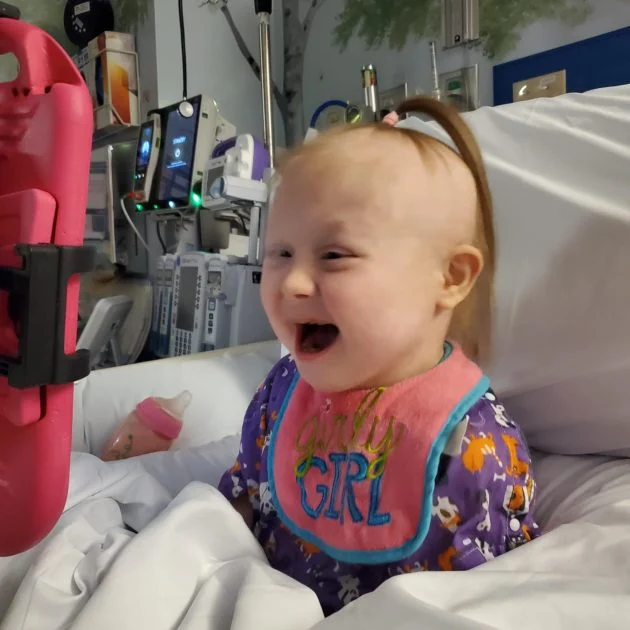
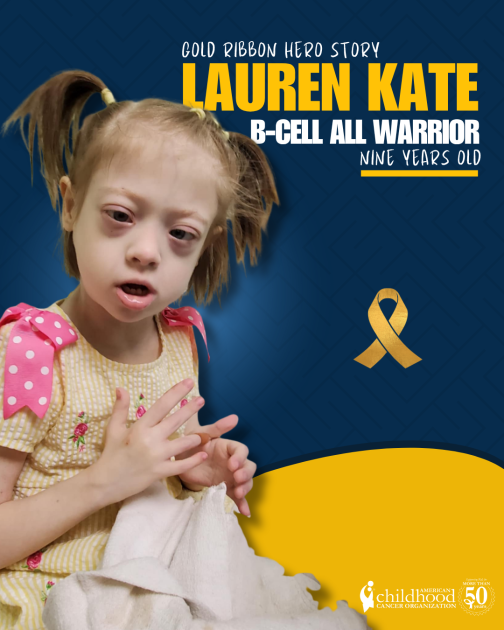
The diagnosis of pediatric cancer remains one of the most challenging experiences a family can face, yet the story of nine-year-old Lauren Kate highlights a narrative of profound resilience and medical complexity. Lauren, who was born with Down syndrome, is currently undergoing intensive treatment for B-Cell Acute Lymphoblastic Leukemia (ALL), a journey that began in the fall of 2025 and has since mobilized a community of medical professionals and advocates. Her case underscores not only the personal struggle of a young patient but also the significant medical intersection between Trisomy 21 and hematological malignancies.
The Onset of Symptoms and the Path to Diagnosis
The transition from a typical childhood routine to a life-altering medical emergency often occurs with little warning. For Lauren Kate and her family, the signs were subtle at first but rapidly became impossible to ignore. In late September 2025, her mother observed that Lauren was exhibiting unusual levels of lethargy, a stark contrast to her typically vibrant and active personality. More concerning was the appearance of significant lymphadenopathy—large, palpable bumps located beneath her neck.
Recognizing the potential severity of these symptoms, Lauren’s mother secured an urgent consultation with their primary care physician. During this initial examination, clinical observations prompted immediate blood work. The results indicated a highly abnormal white blood cell count, a classic "red flag" for systemic infection or hematological crisis. Given the urgency of the findings, the primary care team directed the family to bypass local clinics and proceed immediately to East Tennessee Children’s Hospital, a specialized facility equipped to handle complex pediatric oncology cases.
The hours that followed at the hospital were marked by a battery of diagnostic procedures, including advanced imaging and comprehensive blood panels. On September 23, 2025, the medical team delivered the definitive diagnosis: B-Cell Acute Lymphoblastic Leukemia. The news was met with a mixture of shock and disbelief by the family, yet it simultaneously served as the catalyst for a structured and aggressive treatment plan.
Understanding B-Cell Acute Lymphoblastic Leukemia
B-Cell Acute Lymphoblastic Leukemia is a type of cancer in which the bone marrow produces too many immature lymphocytes, a type of white blood cell. These "blasts" crowd out healthy white blood cells, red blood cells, and platelets, leading to infection, anemia, and easy bruising or bleeding. ALL is the most common form of cancer diagnosed in children, representing approximately 25% of all pediatric cancer cases.
In Lauren’s case, the diagnosis of B-Cell ALL is further complicated by her pre-existing condition of Down syndrome. Clinical research has long established a significant link between Trisomy 21 and an increased risk of developing leukemia. Statistics from the National Cancer Institute (NCI) indicate that children with Down syndrome are approximately 20 times more likely to develop Acute Lymphoblastic Leukemia than their peers in the general population. While the biological reasons for this are still being studied, researchers believe that the extra copy of chromosome 21 leads to genomic instability and alterations in the way blood cells mature.
A Chronology of Treatment and Medical Intervention
Since her diagnosis in September 2025, Lauren Kate’s life has been defined by a rigorous schedule of medical interventions. Pediatric leukemia treatment is typically divided into several phases: induction, consolidation, and maintenance. Each phase requires different combinations of chemotherapy and supportive care.
Lauren’s clinical record to date includes several critical procedures:
- Port Insertion: To facilitate the frequent administration of chemotherapy and the drawing of blood samples, surgeons implanted a subcutaneous port. This device reduces the need for repeated needle sticks into peripheral veins, which can become damaged over time.
- Lumbar Punctures: Also known as spinal taps, these procedures are essential for both diagnosis and treatment. They allow doctors to check for the presence of leukemia cells in the cerebrospinal fluid and to administer "intrathecal" chemotherapy directly into the central nervous system to prevent the cancer from spreading to the brain.
- Chemotherapy Cycles: Lauren has undergone multiple rounds of systemic chemotherapy. These drugs are designed to target and destroy rapidly dividing cells. While effective against leukemia, the treatment also impacts healthy cells, leading to the fatigue and physical strain observed by her family.
- Bone Marrow Procedures: Frequent bone marrow aspirations and biopsies are necessary to monitor Lauren’s response to treatment. These tests allow oncologists to determine the "minimal residual disease" (MRD) status, which is a key predictor of long-term outcomes.
Throughout these procedures, Lauren has spent numerous days hospitalized at East Tennessee Children’s Hospital, away from the comforts of home and the companionship of her sister, Emma.
The Psychological and Familial Impact of Pediatric Cancer
The burden of a cancer diagnosis extends far beyond the patient, impacting the entire family unit. For Lauren’s sister, Emma, the sudden shift in family dynamics—marked by long hospital stays and a focus on Lauren’s health—requires a significant adjustment. Experts in pediatric psychology note that siblings of cancer patients often experience a range of emotions, from "survivor’s guilt" to feelings of isolation.
Statements from the family reflect a concerted effort to maintain a sense of normalcy and joy despite the clinical environment. Lauren’s affinity for the television program Bubble Guppies and her interactions with Emma serve as vital emotional anchors. Her family describes her as "vibrant and fun-loving," even on the most difficult days of her treatment. This psychological resilience is increasingly recognized by the medical community as a critical component of the healing process, as a positive emotional state can improve a patient’s adherence to treatment and overall quality of life.
Broader Implications: Advocacy and Research Funding
Lauren Kate’s battle is representative of thousands of children across the United States. According to the American Childhood Cancer Organization (ACCO), an estimated 15,000 children and adolescents under the age of 20 are diagnosed with cancer each year in the U.S. despite these numbers, pediatric cancer research remains significantly underfunded compared to adult cancers.
National statistics reveal that only about 4% of federal funding from the National Cancer Institute is dedicated specifically to childhood cancer research. This disparity has led to a reliance on non-profit organizations and private donations to fund the development of less toxic and more effective treatments. For children like Lauren, who also have Down syndrome, specialized research is even more critical, as their bodies may process chemotherapy drugs differently, requiring tailored protocols to minimize side effects while maximizing efficacy.
The ACCO and similar advocacy groups play a dual role: providing direct support to families in the form of educational resources and emotional aid, while simultaneously lobbying for legislative changes such as the "Research to Accelerate Cures and Equity (RACE) for Children Act." These efforts are designed to ensure that the latest advancements in precision medicine and immunotherapy are made available to pediatric patients.
The Role of Specialized Pediatric Facilities
The choice of East Tennessee Children’s Hospital as the primary treatment site for Lauren Kate highlights the importance of regional pediatric specialty centers. Unlike general hospitals, pediatric-specific facilities offer multidisciplinary teams that include not only oncologists and nurses but also child life specialists, pediatric nutritionists, and physical therapists.
These teams are trained to address the unique physiological and developmental needs of children. For a patient with Down syndrome, this specialized care is paramount. It involves monitoring for specific comorbidities often associated with Trisomy 21, such as congenital heart defects or thyroid issues, which could complicate the administration of intensive chemotherapy.
Conclusion and Future Outlook
As Lauren Kate continues her courageous fight against B-Cell Acute Lymphoblastic Leukemia, her story serves as a testament to the strength of pediatric "warriors" and the dedication of the medical professionals who treat them. The road ahead remains long, as leukemia treatment protocols for children typically span two to three years to ensure a full remission and prevent relapse.
However, the advancements in oncology over the last three decades provide a foundation for hope. The five-year survival rate for children with ALL has risen to approximately 90%, a significant increase from previous eras. For Lauren, the combination of a dedicated family, a specialized medical team, and the support of advocacy organizations like the ACCO creates a framework for a positive outcome.
The broader message of Lauren’s journey is one of collective responsibility. The phrase "kids can’t fight cancer alone" resonates as a call to action for increased research funding, better diagnostic tools, and a more robust support system for families navigating the complexities of a life-threatening illness. Through the integration of medical excellence and community support, the goal remains clear: to ensure that every child, regardless of their genetic profile or diagnosis, has the opportunity to return to the simple joys of childhood, from watching their favorite shows to playing with their siblings in the safety of their own homes.
