
 By admin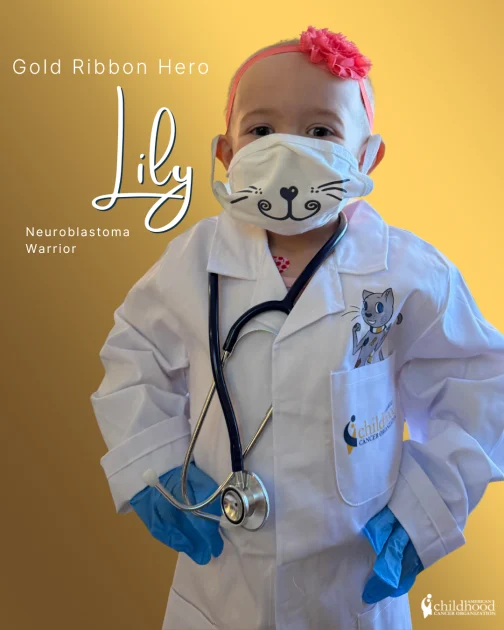
The medical journey of Lily, a two-year-old patient currently undergoing her second intensive battle with neuroblastoma, underscores the complex and often volatile nature of pediatric oncology. Diagnosed at the age of 18 months, Lily’s case represents the clinical reality faced by hundreds of families annually, where initial success in treatment is met with the sudden and aggressive recurrence of disease. After a brief period of remission in late 2025, Lily’s cancer returned, manifesting as a central nervous system (CNS) relapse, a development that necessitates a shift in therapeutic strategy and highlights the ongoing need for advanced research into "sanctuary sites" where cancer cells may evade standard systemic treatments.
Initial Presentation and Diagnostic Discovery
The clinical history of the patient began in early 2025 when Lily, then 18 months old, presented with acute abdominal distress. According to family reports, the initial symptoms were characterized by persistent stomach pain and gastrointestinal discomfort. These symptoms are frequently seen in pediatric primary care and are often attributed to common childhood ailments such as constipation or viral infections. However, when conservative management failed to alleviate the pain, the family sought emergency medical intervention.
Diagnostic imaging, including ultrasounds and subsequent CT scans, revealed a significant abdominal mass. This finding shifted the clinical focus from a routine gastrointestinal issue to a suspected malignancy. Biopsies and further staging confirmed a diagnosis of neuroblastoma, a cancer that develops from immature nerve cells (neuroblasts) found in several areas of the body. In Lily’s case, the primary tumor was located in the abdomen, a common site for this specific pathology, which often originates in the adrenal glands.
The Standard of Care: A Multi-Modal Treatment Approach
Following the diagnosis, the patient was enrolled in an aggressive, multi-modal treatment protocol designed for high-risk neuroblastoma. The complexity of this disease requires a combination of several therapeutic disciplines to maximize the chances of total eradication of malignant cells. Lily’s initial treatment regimen included:
- Induction Chemotherapy: High-dose pharmaceutical agents were administered to shrink the primary tumor and eliminate any circulating microscopic cancer cells.
- Surgical Intervention: Following the reduction of the tumor size, surgeons performed a resection to remove the primary mass from the abdomen.
- Consolidation Therapy (Bone Marrow Transplants): To ensure the destruction of any remaining cancer cells, the patient underwent autologous bone marrow transplants. This involves harvesting the patient’s own stem cells, administering lethal doses of chemotherapy to clear the marrow, and سپس reintroducing the stem cells to rescue the immune system.
- Radiation Therapy: Targeted external beam radiation was used to treat the site of the original tumor, reducing the risk of local recurrence.
- Immunotherapy: This advanced biological therapy utilizes antibodies to help the patient’s immune system identify and destroy neuroblastoma cells that may have survived other treatments.
By September 2025, the patient had successfully completed this grueling cycle. Clinical evaluations and scans at that time showed no evidence of disease (NED), and Lily was officially declared to be in remission.
The Challenge of Central Nervous System Relapse
The period of remission lasted only two months. In November 2025, the patient began experiencing persistent headaches, a neurological symptom that prompted immediate concern from her parents and medical team. Rapid diagnostic imaging revealed a relapse, but with a significant clinical complication: the cancer had returned in the brain.
A CNS relapse in neuroblastoma is a particularly challenging development. Historically, the brain has been considered a "sanctuary site" because the blood-brain barrier—a highly selective semipermeable border that protects the brain from toxins—often prevents standard chemotherapy agents from reaching therapeutic concentrations in the central nervous system. While the primary abdominal cancer had been successfully treated, microscopic cells had likely migrated to the brain prior to or during the initial treatment phase, where they remained dormant until resurfacing as a secondary tumor.
Upon discovery of the brain mass, Lily underwent emergency brain surgery to resect the tumor. Following the surgery, her medical team initiated a new, intensified protocol involving a combination of specialized chemotherapy, immunotherapy designed to cross or bypass the blood-brain barrier, and targeted radiation.
Clinical Background: Understanding Neuroblastoma
Neuroblastoma is the most common extracranial solid tumor in childhood, accounting for approximately 7% to 10% of all pediatric cancers. It is responsible for a disproportionate number of childhood cancer deaths—nearly 15%. According to data from the American Cancer Society and the National Cancer Institute, there are approximately 700 to 800 new cases diagnosed each year in the United States alone.
The disease is highly heterogeneous, meaning its behavior varies significantly from one patient to another. In some infants, the tumor may spontaneously regress without treatment. However, in "high-risk" cases—often defined by the age of the patient (over 18 months) and specific genetic markers like MYCN amplification—the disease is extremely aggressive.
Lily’s case falls into the high-risk category, where the five-year survival rate has improved over the last two decades but remains approximately 50% to 60%. The recurrence of the disease after a complete response, especially in the brain, remains one of the most difficult hurdles in pediatric oncology.
The Human Impact and Family Resilience
While the clinical data provides the framework of the case, the personal impact on the patient and her family is profound. Lily’s mother has described the toddler as "playful, loving, and spicy," noting that despite the physiological toll of multiple surgeries and toxic treatments, the patient’s personality remains a central element of her resilience.
The psychological and emotional burden on families navigating a relapse cannot be overstated. The transition from the "relief of remission" to the "trauma of recurrence" within a mere eight-week window represents a significant secondary crisis for caregivers. Medical social workers and advocacy groups emphasize that pediatric cancer is a "family disease," affecting the financial stability, mental health, and social fabric of the entire household.
Advocacy and Institutional Support
The American Childhood Cancer Organization (ACCO) and similar entities play a critical role in supporting families like Lily’s. These organizations provide not only emotional support but also advocate for increased federal funding for pediatric-specific research. Currently, pediatric cancer research receives a small fraction of the funding allocated to adult cancers, despite the unique biological nature of childhood malignancies.
In statements regarding cases like Lily’s, advocacy groups reiterate that "kids can’t fight cancer alone." This slogan serves as a call to action for public and private investment in new drug development. The ACCO emphasizes that because pediatric cancers are relatively rare compared to adult lung or breast cancers, pharmaceutical companies often lack the market incentive to develop new pediatric-specific treatments, making government and donor-funded research essential.
Implications for Future Pediatric Oncology Research
Lily’s ongoing battle highlights several key areas where the medical community is focusing its efforts to improve outcomes:
- Liquid Biopsies: Researchers are investigating the use of blood tests to detect circulating tumor DNA. This could potentially allow doctors to identify a relapse weeks or months before symptoms appear or tumors become visible on traditional scans.
- Targeted CNS Therapies: New methods of delivering immunotherapy directly into the spinal fluid (intrathecal administration) are being studied to better treat brain metastases.
- GD2-Targeted Therapy: The development of anti-GD2 antibodies has revolutionized neuroblastoma treatment. Ongoing trials are looking at how to make these antibodies even more effective in patients who have relapsed.
- Survivorship and Long-Term Effects: For patients who survive high-risk neuroblastoma, the long-term effects of radiation, chemotherapy, and bone marrow transplants can include hearing loss, growth delays, and secondary cancers. Research is increasingly focused on "de-escalating" treatment—finding ways to kill the cancer with less toxicity to the child’s developing body.
Chronology of Events
- Early 2025: Patient presents with abdominal pain at age 18 months; diagnosed with high-risk neuroblastoma after discovery of a large mass.
- Mid-2025: Intensive treatment phase including chemotherapy, surgery, radiation, and bone marrow transplants.
- September 2025: Patient completes treatment and is declared to be in remission (No Evidence of Disease).
- November 2025: Patient experiences headaches; scans confirm a relapse in the brain.
- Late 2025: Patient undergoes brain surgery and begins a second intensive round of chemo-immunotherapy and radiation.
- Current Status: Treatment is ongoing; the patient remains under close clinical supervision while continuing to display high levels of resilience and engagement.
Conclusion
The case of Lily serves as a poignant reminder of the volatility inherent in high-risk pediatric oncology. While medical advancements have significantly improved the outlook for children with neuroblastoma, the high rate of relapse and the difficulty of treating CNS involvement remain formidable challenges. As Lily continues her second battle against the disease, her story reinforces the necessity of continued clinical innovation and robust support systems for the families of young "warriors" who face the most aggressive forms of childhood cancer. The objective remains not only to achieve remission but to ensure long-term, durable cures that allow pediatric patients to lead full and healthy lives beyond the hospital walls.
