
 By admin
As the annual tradition of Grandma’s Marathon approaches, the city of Duluth, Minnesota, prepares to welcome a surge of nearly 20,000 athletes, spectators, and volunteers to the scenic North Shore of Lake Superior. While the event is renowned for its fast course and breathtaking views, a dedicated group of participants known as Team CCRF (Children’s Cancer Research Fund) is preparing to run for a cause that transcends personal records. This year, the team’s efforts are highlighted by two runners, Tim Lapping and Tami Swenson, whose motivations for tackling the 26.2-mile course are rooted in personal experience, professional insight, and a shared commitment to eradicating childhood cancer through donor-funded research.
Grandma’s Marathon, now in its 48th year, has evolved from a local race with 150 participants in 1977 into one of the premier long-distance running events in the United States. The course, which stretches from Two Harbors to Duluth’s Canal Park, provides a unique platform for philanthropic efforts. For organizations like the Children’s Cancer Research Fund, the marathon serves as a critical fundraising engine, allowing athletes to leverage their physical endurance to support the next generation of life-saving medical breakthroughs.
The Intersection of Clinical Expertise and Personal Mission
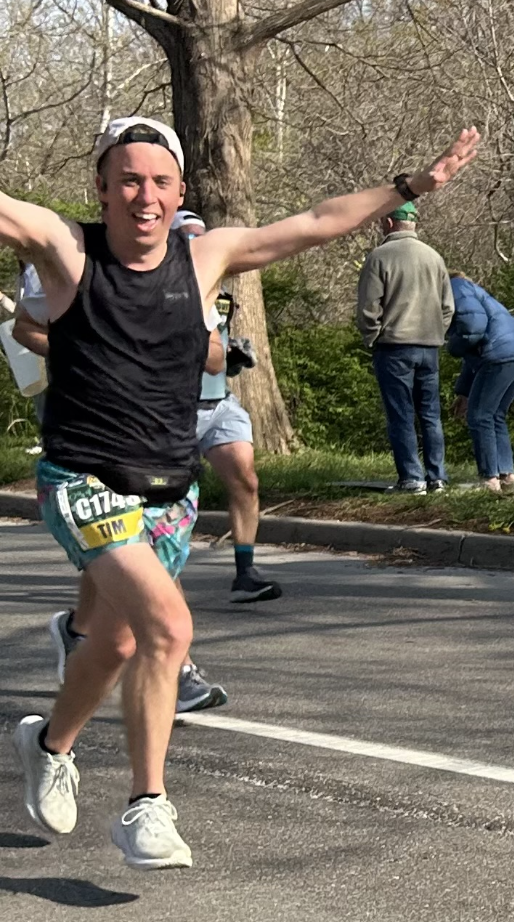
For Tim Lapping, a resident of Kansas City, the decision to travel to northern Minnesota for his first-ever marathon was driven by a combination of the race’s stellar reputation and a deep-seated professional understanding of the medical landscape. Lapping has spent over a decade working within the field of clinical research, including significant time spent on oncology studies at a local children’s hospital. This professional background provided him with a front-row seat to the complexities of drug development and the arduous process of bringing new treatments to pediatric patients.
Lapping’s perspective shifted from the professional to the personal when his four-year-old nephew was diagnosed with leukemia. The diagnosis brought the reality of pediatric oncology home, highlighting the precarious nature of childhood health and the absolute necessity of advanced therapeutic options. After a grueling battle, his nephew has been cancer-free for approximately two years.
“He’s been cancer-free for about two years now, and I know that wouldn’t have been possible without years and years of research,” Lapping stated. This realization serves as the foundation for his training regimen. While many first-time marathoners focus solely on the physical challenge of completing the distance, Lapping views every mile as a tribute to the scientific community and the donors who make clinical trials possible.
Lapping’s training schedule involves four days of running per week, balancing the physical demands of a marathon build-up with his professional responsibilities and family life. By turning the race weekend into a family excursion with his wife, Sophie, and their sons, Freddie and Beau, Lapping aims to emphasize the importance of community and support systems in overcoming major life challenges.
Endurance Through Grief: Tami Swenson’s Journey
While Lapping is entering the marathon world for the first time, Tami Swenson is a seasoned veteran of the distance. Having completed more than 15 marathons across California, Swenson is well-acquainted with the "wall" that runners often hit during the final miles of a race. However, her participation in Grandma’s Marathon this year carries a profound emotional weight that no previous race has held.
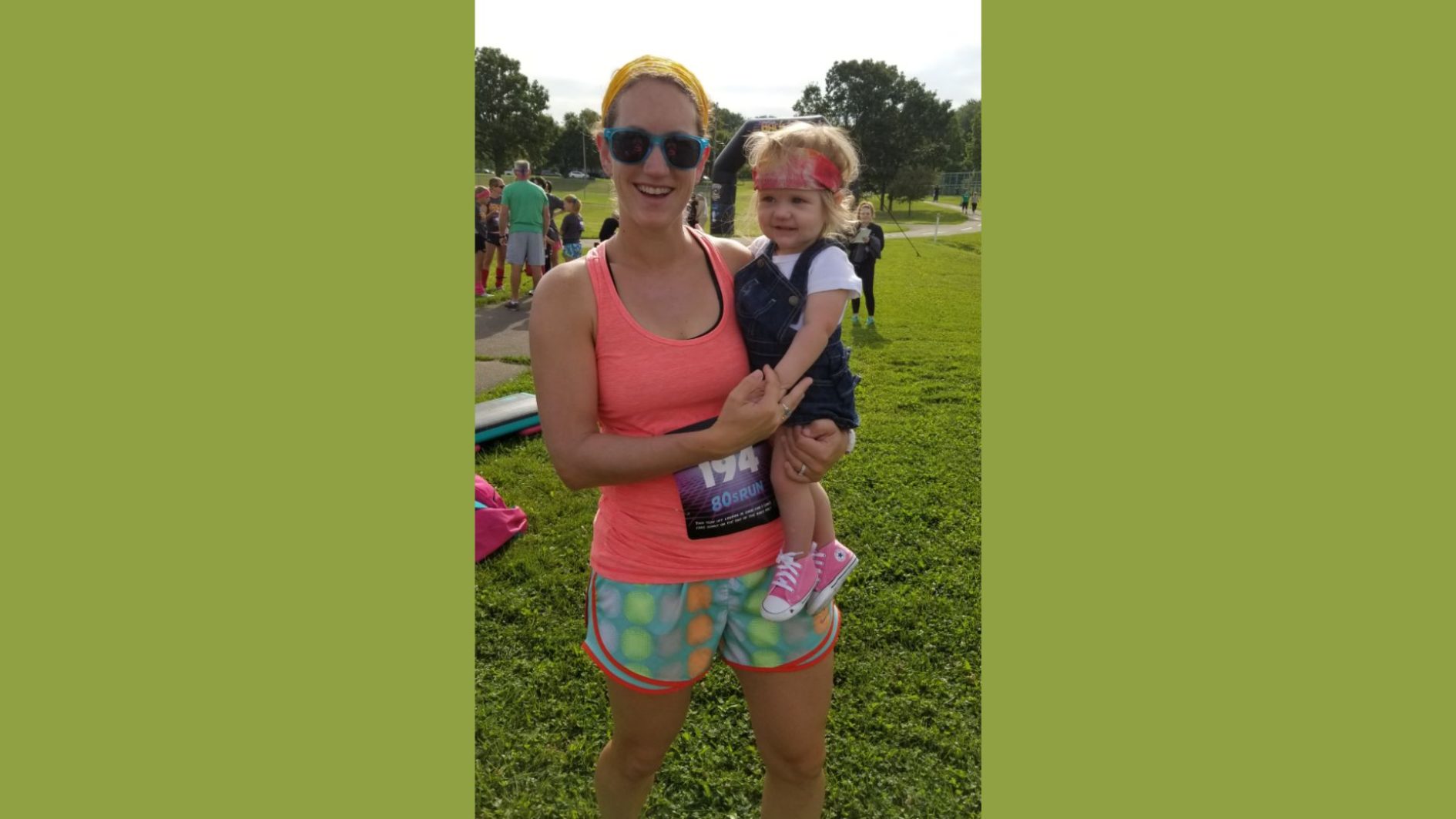
In 2023, Swenson lost her five-year-old daughter, Ada, to leukemia. Ada’s battle lasted 15 months and included a comprehensive battery of treatments: aggressive chemotherapy, a bone marrow transplant, and participation in two separate clinical trials. Throughout the ordeal, Swenson observed her daughter’s resilience—a quality often found in pediatric patients who must endure adult-sized medical burdens. Even in the hospital, Ada remained active, riding her bike through the hallways and seeking comfort in her C.C. Bear, a specialized teddy bear provided by the Children’s Cancer Research Fund to support children undergoing treatment.
For Swenson, the decision to run Grandma’s Marathon is a way to honor Ada’s memory and contribute to the research that might spare other families from similar loss. The beauty of Lake Superior provides a serene backdrop for a race that, for Swenson, is as much about mental and emotional processing as it is about physical fitness.
“When I’m having a tough time training, thinking about why I’m doing it gets me through the miles,” Swenson shared. Her story underscores a common theme among Team CCRF members: the belief that the temporary pain of a marathon is negligible compared to the daily struggles of children facing a cancer diagnosis.
The Critical Need for Pediatric Cancer Research Funding
The efforts of runners like Lapping and Swenson are set against a backdrop of significant funding disparities in the world of oncology. According to data from the National Cancer Institute (NCI) and various pediatric cancer advocacy groups, childhood cancer research receives only a small fraction of the overall federal funding allocated for cancer research. While adult cancers receive substantial investment due to their higher prevalence, pediatric cancers are often classified as "rare diseases," which can lead to a lack of interest from major pharmaceutical companies.
This "funding gap" means that philanthropic organizations like the Children’s Cancer Research Fund play a disproportionately important role in the ecosystem of medical advancement. Donor-funded research is often the primary driver of Phase I and Phase II clinical trials for pediatric patients. These trials are essential for identifying new drug targets and developing "precision medicine" approaches that are less toxic to a child’s developing body than traditional chemotherapy.
Data indicates that while the five-year survival rate for all childhood cancers has increased to over 80% in recent decades, certain types of pediatric cancer, such as diffuse intrinsic pontine glioma (DIPG) and certain relapsed leukemias, still have very low survival rates. Furthermore, many survivors face long-term health complications—known as "late effects"—resulting from the intensity of the treatments they received at a young age. This reality drives the urgent need for "smarter" treatments that cure the cancer without causing lifelong collateral damage.
The Economic and Social Impact of Grandma’s Marathon
Beyond its role as a fundraising platform, Grandma’s Marathon is a vital economic driver for the Duluth region. A study conducted by the University of Minnesota Duluth’s Bureau of Business and Economic Research previously estimated that the race weekend generates over $20 million in economic impact for the local community. This influx of capital supports local hospitality, retail, and service industries, further solidifying the race as a cornerstone of the Minnesota sporting calendar.
For the Children’s Cancer Research Fund, the event is an opportunity to engage with a broad audience. The marathon attracts runners from all 50 states and numerous countries, providing a national stage for the organization’s mission. Team CCRF provides its members with various resources, including training plans, fundraising tools, and a community of like-minded individuals, creating a sense of camaraderie that mirrors the collective effort required in the lab to find a cure.
Analysis of Implications: The Future of Charity-Driven Athletics
The participation of Team CCRF in Grandma’s Marathon reflects a broader trend in the endurance sports world: the rise of "charity bibs." As major marathons like Boston, New York, and Chicago have become increasingly difficult to enter through traditional qualifying times or lotteries, charity partnerships have become a primary gateway for many athletes.
However, the benefit is mutual. For the athlete, the "noble cause" mentioned by Tim Lapping provides a psychological edge that can improve performance and commitment. For the charity, the "peer-to-peer" fundraising model utilized by runners is highly effective. It allows the organization to reach new donor networks that may not have been accessible through traditional marketing. When a runner shares their personal connection to a cause—such as Lapping’s nephew or Swenson’s daughter—it creates an emotional resonance that encourages micro-donations, which collectively add up to millions of dollars annually for research.
Conclusion: The Starting Line in Duluth
As race day approaches, the focus in Duluth will naturally be on the elite athletes vying for the podium and the thousands of recreational runners aiming for a personal best. However, the presence of Team CCRF serves as a reminder that for many, the marathon is not the end goal, but a means to an end.
The funds raised by Lapping, Swenson, and their teammates will be directed toward the University of Minnesota Masonic Children’s Hospital and other leading research institutions across the country. These funds support the "seed grants" that allow researchers to explore innovative ideas which may eventually lead to federal funding and, ultimately, standard-of-care treatments.
For the families affected by childhood cancer, the sight of hundreds of runners wearing the Team CCRF jersey along the North Shore is a powerful symbol of solidarity. It represents a community that refuses to accept the status quo of pediatric oncology and is willing to endure 26.2 miles of physical challenge to ensure that future generations of children have the chance to grow up, ride their bikes, and eventually, perhaps, run marathons of their own.
Those interested in supporting the cause or joining the team for future events—including half-marathons, 10Ks, and 5Ks—can find more information at the Children’s Cancer Research Fund’s official website. As the starting gun sounds in Two Harbors, the runners of Team CCRF will begin their journey toward Duluth, carrying with them the hopes of families, the memories of those lost, and the unwavering belief that a cure is within reach.
