
 By Budi Oetomo Narendra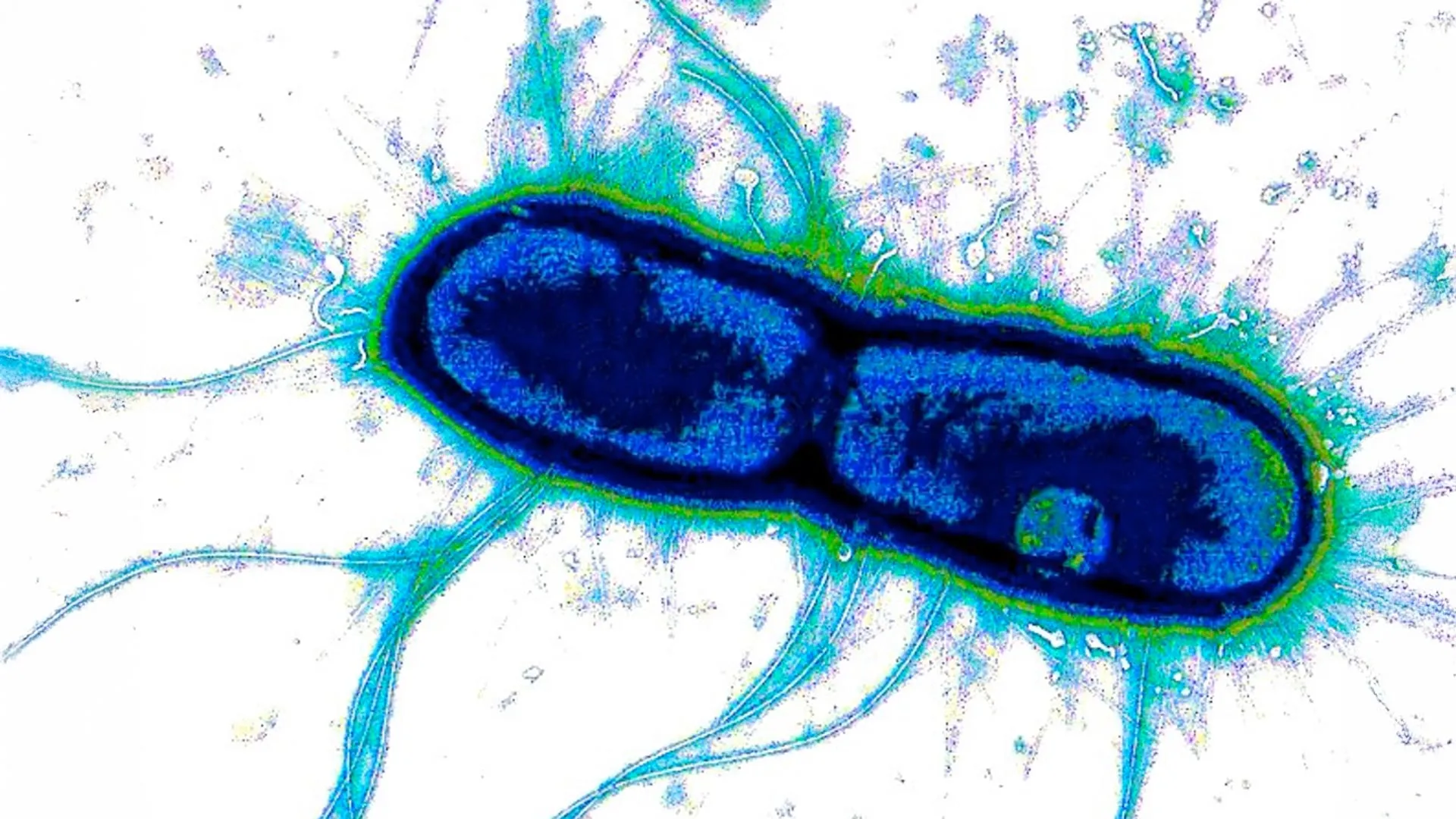
Researchers at Washington University School of Medicine in St. Louis have made a pivotal discovery, identifying a common biological vulnerability shared by Enterotoxigenic E. coli (ETEC) and Shigella, two of the most dangerous gut bacteria responsible for hundreds of millions of infections and countless deaths worldwide each year. This breakthrough raises the tantalizing possibility of developing a single, effective vaccine capable of protecting against both pathogens, overcoming a major hurdle that has stymied vaccine development efforts for decades. The findings, published on June 15 in the esteemed journal PNAS, suggest a transformative approach to combating severe diarrheal disease globally.
The core of this significant discovery lies in the identification of three closely related enzymes — EatA, SepA, and Pic — that these disease-causing bacteria exploit to penetrate the gut’s protective mucus layer and establish infection. A collaborative team from WashU Medicine, working alongside partners at the University of Missouri and the International Centre for Diarrhoeal Disease Research in Bangladesh (ICDDR,B), meticulously demonstrated that antibodies specifically directed against a common region of these enzymes can effectively neutralize all three. By blocking the enzymes’ function, these antibodies prevent the bacteria from breaching the crucial intestinal mucus barrier, thereby stopping infection before it takes hold.
A Global Health Crisis: The Enduring Threat of Diarrheal Diseases
Diarrheal diseases remain a formidable global health challenge, particularly in low-income countries, claiming an estimated 1.5 million lives annually. According to the World Health Organization (WHO) and UNICEF, diarrheal diseases are the second leading cause of death among children under five years old, responsible for approximately 525,000 child deaths each year. Beyond the tragic mortality figures, these infections contribute significantly to malnutrition, stunted growth, cognitive impairment, and reduced school attendance, perpetuating cycles of poverty and hindering human development. The economic burden is also substantial, encompassing healthcare costs, lost productivity, and the resources required for sanitation and clean water infrastructure.
ETEC and Shigella are prominent culprits in this global crisis. ETEC is notorious as the leading cause of "travelers’ diarrhea," affecting millions of international travelers annually. However, its impact extends far beyond tourism, causing widespread and often severe gastrointestinal illness in endemic regions, particularly among young children. It’s crucial to distinguish ETEC from the harmless E. coli strains commonly found in the gut; ETEC produces toxins that trigger secretory diarrhea. Shigella, on the other hand, causes shigellosis, a highly contagious and often severe form of dysentery characterized by bloody diarrhea, fever, and abdominal cramps. Its low infectious dose means that even a few bacteria can cause disease, leading to rapid outbreaks in crowded or unsanitary conditions. The increasing prevalence of antibiotic-resistant Shigella strains further complicates treatment and underscores the urgent need for effective preventive measures.
Decades of Frustration: The Elusive Vaccine
Despite the immense burden imposed by ETEC and Shigella, and decades of dedicated research, scientists have yet to develop effective vaccines against either pathogen. This prolonged struggle highlights the inherent complexities in targeting these bacteria. One of the primary challenges has been the extensive genetic variability between strains. Both ETEC and Shigella comprise numerous serotypes, each with distinct surface features (like O-antigens and fimbriae) that are typically targeted by traditional vaccines. A vaccine effective against one strain might offer little to no protection against another, necessitating a multi-component vaccine or an entirely new strategy. The sheer diversity of these pathogens has made developing a universally protective vaccine an almost insurmountable task, leading to a fragmented research landscape with many promising candidates failing in clinical trials due to narrow protection or insufficient efficacy.
"For something so common and so deadly to young children, it’s striking that we still don’t have a vaccine for either of these pathogens," stated James M. Fleckenstein, MD, a professor of medicine in the Division of Infectious Diseases at WashU Medicine and co-senior author on the study. His remarks underscore the scientific community’s long-standing frustration and the critical need for a breakthrough.
Unveiling a Shared Vulnerability: The Mucus-Penetrating Enzymes
Before they can wreak havoc and cause disease, gut pathogens face a formidable natural defense: the thick, protective mucus layer lining the intestines. This dynamic barrier serves multiple critical functions, acting as a physical shield that prevents harmful microbes from reaching the underlying intestinal epithelial cells. It also contains antimicrobial peptides and antibodies, and helps regulate the complex ecosystem of the gut microbiome, keeping beneficial bacteria in check and preventing opportunistic pathogens from overgrowing.
The ingenuity of this new discovery lies in recognizing that ETEC, Shigella, and other diarrheal pathogens share a common strategy for overcoming this initial defense. They deploy specific enzymes to enzymatically degrade the proteins that give intestinal mucus its robust structure. Once this barrier is compromised, the bacteria gain access to the intestinal lining, where they can then release potent toxins that trigger the severe diarrhea characteristic of these infections.
Fleckenstein’s laboratory had previously identified one such enzyme, EatA, in disease-causing E. coli. EatA was found to be crucial for breaking down a key structural component of intestinal mucus. The current study expanded upon this foundational work, revealing that two other similar enzymes, SepA and Pic, produced by Shigella and other diarrhea-causing bacteria, perform the exact same function. This functional commonality across different pathogenic species provided the critical clue for a broad-spectrum approach. This early stage of infection, before the bacteria fully establish themselves and release toxins, offers a strategic "Achilles’ heel" for intervention, potentially stopping the disease process without disturbing the delicate balance of the gut’s beneficial microbiota.
The Scientific Journey: Collaboration and Cutting-Edge Techniques
The journey to this discovery was a testament to persistent research and international collaboration. The multidisciplinary team involved experts from Washington University School of Medicine, the University of Missouri, and the International Centre for Diarrhoeal Disease Research in Bangladesh (ICDDR,B), an institution at the forefront of diarrheal disease research in a highly endemic region.
The researchers meticulously analyzed samples from two crucial sources: infected patients in Bangladesh who had naturally contracted ETEC infections, and volunteers who had been intentionally exposed to the bacteria in controlled clinical studies. These human samples provided invaluable insights into the natural immune responses elicited during infection. Working with co-senior author Ali Ellebedy, PhD, the Leo Loeb Professor in the WashU Medicine Department of Pathology & Immunology, Fleckenstein and colleagues systematically isolated and characterized antibodies from these individuals.
A pivotal moment came with the discovery that antibodies capable of blocking EatA — the enzyme initially identified in E. coli — also possessed the remarkable ability to neutralize SepA and Pic, the analogous enzymes from Shigella and other pathogens. This cross-reactivity was a strong indicator of a shared epitope or functional region among these enzymes.
To precisely understand how this broad protection worked, the team enlisted the expertise of structural biologists at the University of Missouri, including first author David P. Buckley, PhD, a postdoctoral research associate. Utilizing state-of-the-art cryo-electron microscopy (cryo-EM), a revolutionary technique that rapidly freezes biological molecules to image them in extraordinary detail, they were able to map the exact binding sites of the most effective antibodies. Their analysis revealed that these potent antibodies targeted a specific, conserved region shared by all three enzymes. This structural insight provided the definitive explanation for how a single antibody could effectively disable the mucus-degrading machinery employed by multiple distinct pathogens. This detailed molecular understanding is crucial, offering vaccine developers a precise and actionable target for stimulating protective antibody responses before infection occurs.
Mechanism of Protection: Antibodies as Universal Blockers
The human immune system’s ability to produce antibodies is a cornerstone of adaptive immunity. Antibodies are highly specific proteins that recognize and bind to foreign invaders or their components, marking them for destruction or neutralizing their harmful effects. In this context, the identified antibodies function as "universal blockers" for the mucus-degrading enzymes. By binding to the conserved region of EatA, SepA, and Pic, these antibodies physically obstruct the enzymes’ active sites or induce conformational changes that render them inactive. Without these functional enzymes, ETEC and Shigella lose their primary means of breaching the intestinal mucus barrier. This prevents the bacteria from adhering to and invading the intestinal lining, thereby interrupting the very first step in the infection process.
"This study establishes EatA as a viable vaccine candidate capable of providing protection across multiple pathogens," said Zachary Berndsen, PhD, an assistant professor of biochemistry at the University of Missouri and co-senior author on the study. "By identifying the key regions of EatA that are targeted by neutralizing antibodies capable of inhibiting its enzymatic function, we’ve established a foundation for rational vaccine design — a major advance toward development of effective therapeutics that have the potential to save many lives." This statement highlights the transition from identifying a vulnerability to outlining a concrete strategy for vaccine development, emphasizing the rational design approach.
Real-World Evidence: Insights from Bangladesh and Beyond
The significance of these findings is bolstered by earlier research conducted among children in Dhaka, Bangladesh. Those longitudinal studies provided crucial epidemiological evidence, demonstrating that children who naturally developed antibodies against EatA were significantly less likely to become ill with diarrheal disease. Conversely, children lacking these protective antibodies faced a higher risk of infection, underscoring the real-world protective efficacy of this immune response. This human data validates the biological premise of the current discovery and strengthens the case for EatA-based vaccine development.
The need for effective vaccines extends well beyond the developing world. While ETEC is a major problem in endemic areas, it has also been linked to significant foodborne outbreaks in the United States and other developed nations. Its diagnosis can be challenging in clinical laboratories, as differentiating pathogenic ETEC from harmless E. coli strains often requires specialized tests, leading to underreporting and missed diagnoses. A broad-spectrum vaccine would offer substantial public health benefits in these contexts, protecting travelers, reducing the incidence of foodborne illness, and improving overall food safety.
Stemming the Tide of Antibiotic Resistance
One of the most profound implications of this discovery lies in its potential to combat the escalating global crisis of antibiotic resistance. The heavy reliance on antibiotics to treat diarrheal infections, particularly in regions where these diseases are endemic and access to clean water and sanitation is limited, significantly contributes to the selection and spread of drug-resistant bacterial strains. When antibiotics are overused or misused, bacteria evolve mechanisms to survive these drugs, rendering treatments ineffective. Antibiotic resistance (AMR) is a global threat, recognized by the WHO as one of the top 10 global public health threats facing humanity. Resistant infections are harder to treat, leading to longer hospital stays, higher medical costs, and increased mortality.
A highly effective vaccine against ETEC and Shigella could dramatically reduce the incidence of these infections, thereby reducing the need for antibiotic prescriptions. This "antibiotic-sparing" effect would slow the development and spread of resistance, preserving the efficacy of existing antibiotics for other critical infections. By breaking the cycle of infection and treatment, such a vaccine would contribute to global efforts to safeguard public health against the looming threat of AMR. Fleckenstein noted this crucial aspect, stating, "heavy reliance on antibiotics to treat these infections contributes to the growing problem of antibiotic resistance, which can spread globally."
A Paradigm Shift in Vaccine Design
This research represents a significant paradigm shift in vaccine design for highly variable pathogens. Instead of attempting to target the constantly evolving surface features that differ widely between strains, the strategy focuses on a conserved "Achilles’ heel" — a fundamental biological mechanism that is essential for the pathogen’s survival and infectivity, and thus less likely to change without compromising the bacterium’s fitness. This approach, targeting core virulence factors rather than variable surface antigens, holds immense promise for developing broad-spectrum vaccines not only against ETEC and Shigella but potentially against other pathogens with similar evasion strategies. It moves beyond the limitations of strain-specific vaccines, offering a more durable and comprehensive solution to complex infectious diseases.
The Road Ahead: From Discovery to Deployment
The journey from a scientific discovery in the laboratory to a widely available vaccine is long and arduous, typically spanning many years and involving rigorous preclinical and clinical development phases. The research team is now actively taking the necessary steps toward developing vaccines based on these groundbreaking findings. This will involve designing vaccine candidates that effectively present the conserved enzymatic region to the immune system, optimizing formulations, and conducting extensive safety and efficacy trials in animal models, followed by human clinical trials.
The successful development and deployment of such a vaccine could have monumental implications for global public health. It could significantly reduce child mortality, improve child development outcomes, decrease the burden on healthcare systems, and contribute to the containment of antibiotic resistance. For international travelers and military personnel, it could offer unprecedented protection against common and debilitating gastrointestinal illnesses.
"These bacteria have evolved right alongside us, and they’ve gotten very good at breaching our defenses," Fleckenstein said, emphasizing the ongoing evolutionary arms race between humans and pathogens. "If we can block that first step, we have a chance to stop these infections before they ever take hold." This statement encapsulates the profound potential of this discovery: to fundamentally alter the course of infection by disrupting the pathogens’ initial assault on the human body.
Expert Perspectives and Future Outlook
The public health community, including organizations like the WHO and CDC, will undoubtedly view this discovery as a major stride forward in the fight against diarrheal diseases. While a vaccine is still years away, the identification of a universal target provides a clear path for future research and development, offering renewed hope in an area previously marked by frustration. Immunologists and microbiologists worldwide will likely scrutinize these findings, eager to explore similar conserved vulnerabilities in other challenging pathogens. This research could inspire a new wave of vaccine development strategies focused on essential virulence mechanisms rather than mutable surface antigens. Continued investment from national and international funding bodies will be critical to accelerate the translation of this fundamental research into a life-saving public health tool.
This work was generously supported by the National Institute of Allergy and Infectious Diseases (NIAID) of the National Institutes of Health (NIH), under grant numbers R01 AI089894 and R01 AI126887, and by the Department of Veterans Affairs, grant number 5I01BX001469-05. The content presented here is solely the responsibility of the authors and does not necessarily represent the official views of the NIH or the Department of Veterans Affairs.
