
 By Suherman Candra Maholtra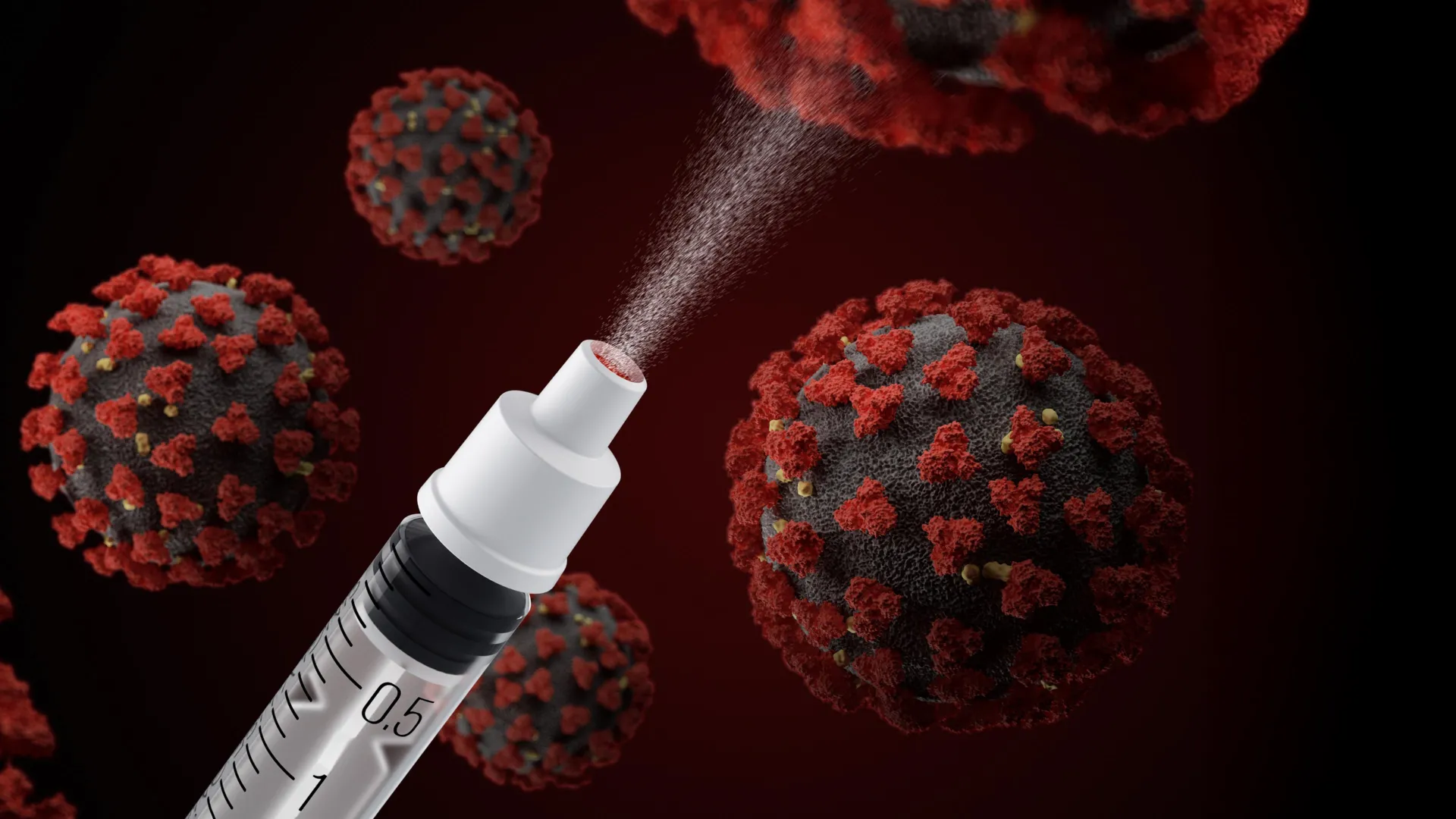
In a development that could redefine the foundations of preventative medicine, a multidisciplinary team led by researchers at Stanford Medicine has announced the creation of an experimental universal vaccine capable of providing broad-spectrum protection against a diverse array of respiratory pathogens. The study, published on February 19 in the journal Science, details a novel intranasal vaccine that successfully shielded laboratory mice from various strains of coronaviruses, highly resilient hospital-acquired bacteria, and common environmental allergens. This breakthrough represents a significant departure from the traditional vaccine model that has dominated immunology for over two centuries, offering a potential "one-size-fits-all" solution to seasonal illnesses and future pandemic threats.
For decades, the "Holy Grail" of vaccinology has been a single immunization capable of defending the human body against a multitude of infectious agents. Current vaccine technology is largely predicated on antigen specificity—a method that trains the immune system to recognize a specific "fingerprint" of a virus or bacterium. However, as the COVID-19 pandemic and the perennial evolution of the influenza virus have demonstrated, pathogens are adept at mutating to evade these targeted defenses. The Stanford-led research suggests that by shifting the focus from specific antigens to a coordinated activation of the body’s innate and adaptive immune systems, long-lasting and wide-ranging protection can be achieved through a simple nasal spray.
Challenging a 230-Year-Old Immunological Paradigm
The conventional approach to vaccination dates back to 1796, when Edward Jenner used cowpox material to create immunity against smallpox. This method relies on introducing a harmless piece of a pathogen, known as an antigen, to the body. The adaptive immune system then produces antibodies and T cells specifically designed to neutralize that exact threat. While highly effective for stable viruses, this strategy struggles against rapidly evolving pathogens.
"That’s been the paradigm of vaccinology for the last 230 years," noted Bali Pulendran, PhD, the Violetta L. Horton Professor II and professor of microbiology and immunology at Stanford, who served as the study’s senior author. Pulendran highlighted the inherent flaw in this aging model: many viruses act like a "leopard that changes its spots," mutating their surface proteins so quickly that vaccines must be reformulated annually.
To overcome this, Pulendran and lead author Haibo Zhang, PhD, sought to move beyond the limitations of antigen-specific targeting. Rather than trying to predict which mutation a virus might take next, the team focused on fortifying the "front lines" of the respiratory system—the lungs and nasal passages—using a mechanism they call "integrated immunity."
The Science of Integrated Immunity: Linking Innate and Adaptive Responses
The human immune system is composed of two primary branches: the innate system and the adaptive system. The innate system is the body’s first responder; it reacts within minutes to any perceived foreign invader using cells like macrophages and neutrophils. However, this response is generally short-lived, typically subsiding within a few days. The adaptive system is more specialized, creating long-term "memory" through B cells and T cells, but it takes significantly longer—often up to two weeks—to fully mobilize during a first encounter with a pathogen.
The experimental vaccine, currently designated as GLA-3M-052-LS+OVA, functions by bridging these two systems. It utilizes a synthetic combination of toll-like receptor (TLR) stimuli. These receptors are sensors on the surface of innate immune cells that detect signs of infection. By delivering these stimuli intranasally, the vaccine mimics the chemical signals that immune cells exchange during a real infection.
The inclusion of a harmless protein, ovalbumin (OVA), acts as a "decoy" antigen to draw T cells into the lungs. Once there, these T cells do not just wait for a specific virus; they emit cytokines—signaling molecules—that keep the innate immune system in a state of high alert for months. This sustained activation essentially creates a persistent "fortress" within the respiratory tract, allowing the body to neutralize a wide range of threats regardless of their specific genetic makeup.
Experimental Results and Quantitative Data
The efficacy of the GLA-3M-052-LS+OVA formulation was tested through a series of rigorous trials involving mouse models. The researchers administered the vaccine in three doses spaced one week apart via nasal droplets. The results exceeded the team’s initial expectations in several key metrics:
- Viral Protection and Load Reduction: Mice exposed to SARS-CoV-2 and other coronaviruses three months after vaccination showed a 700-fold reduction in viral levels in their lungs compared to unvaccinated controls. While unvaccinated mice suffered severe weight loss and high mortality rates, the vaccinated group remained healthy with minimal lung inflammation.
- Accelerated Adaptive Response: One of the most striking findings was the speed of the secondary defense. In vaccinated mice, the adaptive immune system launched virus-specific T cells and antibodies in just three days. In a typical unvaccinated subject, this process takes approximately 14 days. This "head start" prevents the virus from replicating to dangerous levels.
- Bacterial Defense: The vaccine’s protection extended to bacterial pathogens that are notoriously difficult to treat, such as Staphylococcus aureus and Acinetobacter baumannii. The latter is a common cause of pneumonia in hospital settings and is frequently resistant to multiple antibiotics. Vaccinated mice maintained protection against these bacteria for at least three months.
- Allergen Suppression: In a novel test of the vaccine’s versatility, the team exposed mice to house dust mite proteins. Typically, this exposure triggers a Th2 immune response, leading to mucus buildup and airway inflammation characteristic of asthma. The vaccinated mice showed a significantly dampened Th2 response, maintaining clear airways and preventing allergic distress.
Chronology of Development: From BCG to Synthetic Nasal Sprays
The journey toward this universal vaccine began with observations of the Bacillus Calmette-Guerin (BCG) vaccine, a century-old tuberculosis immunization. For years, clinicians noted that infants who received the BCG vaccine had lower mortality rates from unrelated respiratory infections. However, the biological reason for this "off-target" protection remained a mystery.
In 2023, Pulendran’s team published research clarifying that the BCG vaccine induces a "trained" innate immunity. They discovered that T cells recruited to the lungs were sending persistent signals to innate cells, keeping them active for up to three months. This discovery provided the blueprint for the current study.
"In that paper, we speculated that since we now know how the tuberculosis vaccine is mediating its cross-protective effects, it would be possible to make a synthetic vaccine," Pulendran explained. Two and a half years later, the team successfully transitioned from observing a natural phenomenon in the BCG vaccine to engineering a synthetic, targeted nasal spray that replicates and enhances that effect.
Broader Impact and Public Health Implications
The implications of a universal respiratory vaccine are profound. If the results observed in mice can be replicated in human trials, the global approach to public health could undergo a seismic shift.
Pandemic Preparedness: Currently, when a new virus emerges, there is a dangerous lag time between the identification of the pathogen and the development of a specific vaccine. A universal vaccine could be deployed immediately to provide "bridge protection," slowing the spread of a new disease while specific boosters are developed.
Simplification of Immunization Schedules: The "vaccine fatigue" experienced by populations required to get annual flu shots and COVID-19 boosters is a significant barrier to herd immunity. A single nasal spray administered once or twice a year could replace multiple injections, protecting against the flu, the common cold, RSV, and bacterial pneumonia simultaneously.
Economic Benefits: Respiratory infections are a leading cause of hospitalizations and lost productivity worldwide. By reducing the severity of these illnesses and providing a defense against antibiotic-resistant bacteria like Acinetobacter baumannii, such a vaccine could save billions of dollars in healthcare costs and mitigate the growing crisis of antimicrobial resistance.
Allergy Management: The discovery that the vaccine can modulate the immune response to allergens suggests it could eventually be used as a preventative treatment for asthma and chronic allergic rhinitis, offering relief to millions of sufferers.
Future Outlook and Human Trials
Despite the promising data, the researchers emphasize that the transition from mouse models to human application requires careful validation. The next phase of the project involves a Phase I safety trial to ensure the formulation is well-tolerated by humans. Because the vaccine is delivered intranasally, researchers must confirm that the sustained innate activation does not cause chronic inflammation or adverse reactions in the delicate tissues of the human respiratory tract.
Pulendran estimates that with consistent funding and successful clinical milestones, a universal respiratory vaccine could be available to the public within five to seven years. The research was a collaborative effort involving experts from Emory University, the University of North Carolina at Chapel Hill, Utah State University, and the University of Arizona, highlighting the interdisciplinary nature of modern medical breakthroughs.
Funding for this research was provided by the National Institutes of Health, the Violetta L. Horton Professor endowment, the Soffer Fund, and Open Philanthropy. As the medical community looks toward a post-pandemic future, the work at Stanford offers a glimpse into a world where the seasonal "flu season" and the threat of emerging respiratory viruses could become relics of the past.
