
 By Suherman Candra Maholtra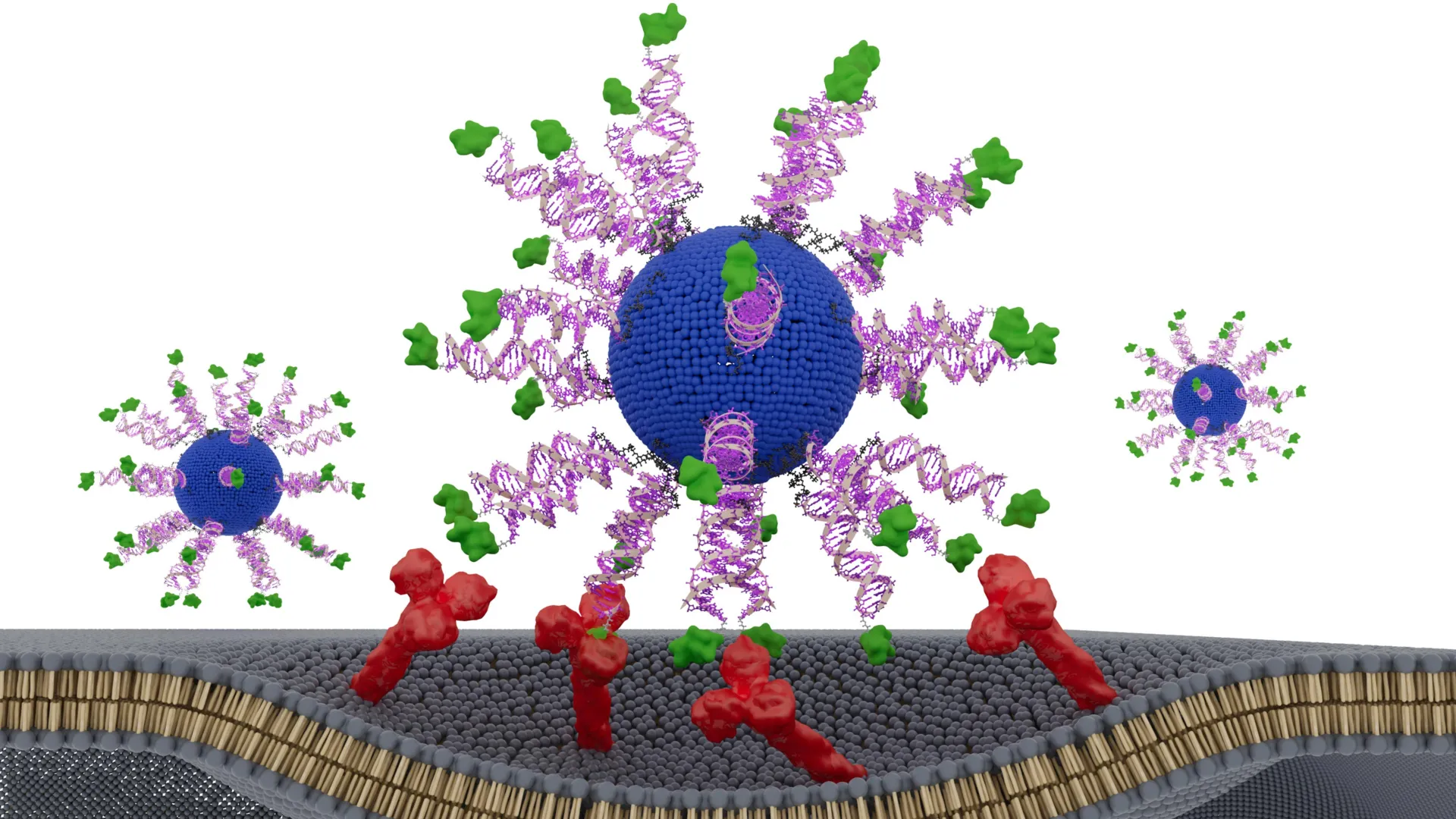
The efficacy of a vaccine has traditionally been measured by the potency of its active ingredients, yet a groundbreaking decade-long research initiative at Northwestern University has revealed that the physical architecture of these components is equally critical. In a study published February 11 in the journal Science Advances, researchers demonstrated that the spatial arrangement of molecules within a nanovaccine can be the deciding factor between a negligible immune response and a potent, tumor-destroying attack. By focusing on therapeutic vaccines for cancers driven by the human papillomavirus (HPV), the team discovered that subtle adjustments to the orientation of a single targeting peptide could significantly amplify the immune system’s ability to eradicate malignant cells.
This discovery moves the field of oncology beyond the traditional "blender approach" of vaccine formulation—where ingredients are mixed without structural precision—and into the era of "structural nanomedicine." Led by nanotechnology pioneer Chad A. Mirkin, the research suggests that by controlling the geometry of vaccines at the nanoscale, scientists can maximize therapeutic impact while minimizing toxicity, potentially reviving previously discarded drug candidates and streamlining the development of next-generation immunotherapies.
The Science of Spherical Nucleic Acids
At the heart of this structural revolution is the Spherical Nucleic Acid (SNA), a platform technology invented by Mirkin. Unlike traditional linear DNA or RNA, SNAs consist of a dense, highly organized shell of nucleic acids arranged around a central nanoparticle core. This globular structure grants the SNA unique biological properties: they can enter cells more efficiently than linear genetic material, resist enzymatic degradation, and naturally activate immune pathways without the need for toxic delivery vehicles.
In the latest study, the Northwestern team utilized the SNA platform to address the limitations of existing cancer vaccines. While vaccines like Gardasil are highly effective at preventing HPV infection, they offer no therapeutic benefit to the millions of individuals already living with HPV-driven malignancies. To bridge this gap, the researchers engineered an SNA vaccine designed to train the body’s CD8+ "killer" T cells to recognize and destroy established tumors.
The experimental design was a masterclass in precision. The team created several versions of a vaccine, each containing identical chemical components: a lipid core, immune-stimulating DNA (adjuvants), and a peptide fragment from the HPV E7 protein (the antigen). The only difference across the versions was the placement and orientation of the E7 peptide. Through this controlled variation, the researchers sought to determine how the immune system’s "recognition machinery" reacts to different molecular geometries.
Experimental Design and Comparative Efficacy
The researchers evaluated three primary configurations of the SNA vaccine. In the first design, the HPV-targeting peptide was encapsulated within the interior of the nanoparticle, shielded from the immediate environment. In the second and third designs, the peptide was displayed on the surface of the SNA but attached via different ends of its molecular chain—the N-terminus or the C-terminus.
These versions were tested in humanized animal models of HPV-positive cancer and in ex vivo tumor samples obtained from patients with head and neck squamous cell carcinoma. The results were stark. The vaccine configuration that presented the antigen on the surface via its N-terminus outperformed all other designs by a significant margin.
Data from the study revealed that the N-terminus surface-mounted vaccine triggered up to eight times more production of interferon-gamma, a critical signaling protein that orchestrates the immune system’s anti-tumor response. Furthermore, this specific orientation led to a twofold to threefold increase in the direct killing of cancer cells in patient-derived tumor samples. In animal models, this "optimized" vaccine led to marked reductions in tumor volume and significantly prolonged survival rates compared to the other structural configurations.
Dr. Jochen Lorch, a professor of medicine at Northwestern’s Feinberg School of Medicine and a co-leader of the study, emphasized that these gains were achieved without increasing the dosage or adding new chemical agents. The improvement was purely a result of "smarter" presentation. The immune system, Lorch noted, is highly sensitive to the geometry of the molecules it encounters; by optimizing the attachment point, the researchers ensured that immune cells could process the antigen more efficiently, leading to a more robust activation of killer T cells.
Challenging the "Blender Approach" to Vaccine Development
The implications of this study extend far beyond HPV. For decades, the pharmaceutical industry has relied on a formulation method that Chad Mirkin describes as the "blender approach." In this conventional model, antigens and adjuvants are mixed together into a bulk solution. While this method is functional—as seen in many modern vaccines, including those for COVID-19—it lacks the precision required to consistently overcome the immunosuppressive environments created by advanced cancers.
"If you look at how drugs have evolved over the last few decades, we have gone from well-defined small molecules to more complex but less structured medicines," Mirkin said. He pointed out that in many contemporary formulations, no two particles are exactly the same. While these "unstructured" medicines have been useful, Mirkin argues that the complexity of cancer requires a "bottom-up" approach where every atom and molecule is placed with intent.
Structural nanomedicine provides a framework to identify the optimal configuration from thousands of possible variables. By defining the exact distance between an adjuvant and an antigen, or the specific angle at which a protein is presented to a T cell, scientists can create "rational vaccines" that are predictably more effective.
A Decade of Research and a Growing Pipeline
The recent Science Advances paper is the culmination of more than ten years of research into the structural properties of SNAs. During this period, the Mirkin laboratory has successfully applied the principles of structural nanomedicine to a diverse array of cancers, including melanoma, triple-negative breast cancer, colon cancer, prostate cancer, and Merkel cell carcinoma.
The timeline of SNA development highlights its transition from a laboratory curiosity to a clinical reality:
- Early 2000s: Invention of the Spherical Nucleic Acid by Chad Mirkin.
- 2010–2015: Validation of SNA’s ability to enter immune cells without toxic side effects.
- 2017: Initial studies showing that SNA architecture influences immune activation in melanoma models.
- 2020–2023: Expansion of the platform to various solid tumors and the initiation of human clinical trials.
- 2024: Publication of the HPV study, confirming that even single-peptide orientation is a critical variable.
Currently, seven SNA-based therapeutic candidates have advanced into human clinical trials for various indications. Beyond oncology, the technology is being explored for the treatment of autoimmune diseases and genetic disorders. Furthermore, the impact of SNAs is already felt in the commercial sector, with the technology incorporated into more than 1,000 products globally, ranging from diagnostic tools to skincare.
The Role of Artificial Intelligence and Future Implications
Looking forward, the Northwestern team envisions a shift toward AI-driven vaccine design. The number of variables involved in structural nanomedicine—including particle size, density, composition, and molecular orientation—is too vast for traditional trial-and-error experimentation to map fully.
Mirkin anticipates that machine learning algorithms will eventually be used to analyze data from thousands of structural combinations to predict which arrangements will yield the highest efficacy. This would allow researchers to bypass "suboptimal" designs that might have failed in the past, not because their ingredients were ineffective, but because their structure was flawed.
"We may have passed up perfectly acceptable vaccine components simply because they were in the wrong configurations," Mirkin noted. This realization offers a strategic advantage: pharmaceutical companies could potentially "rescue" failed drug candidates by restructuring them into SNAs, thereby saving years of development time and billions of dollars in research costs.
Strategic Impact on Public Health
The focus on HPV in this study is particularly significant given the global health burden of the virus. HPV is responsible for nearly all cases of cervical cancer and is a leading cause of head and neck, anal, and oropharyngeal cancers. While preventive vaccines have reduced the incidence of new infections in younger populations, the aging demographic continues to face high rates of HPV-driven malignancies.
For patients with head and neck cancer, which is often diagnosed at advanced stages, the development of a therapeutic vaccine that can double or triple the effectiveness of T cell killing would be a transformative addition to the current standard of care (surgery, radiation, and chemotherapy). By demonstrating that structural precision can enhance the immune response to HPV antigens, the Northwestern study provides a roadmap for developing more potent immunotherapies that can be tailored to the specific molecular signatures of a patient’s tumor.
Conclusion: A New Paradigm for Precision Medicine
The research conducted at Northwestern University signals a fundamental shift in how the medical community views vaccine formulation. The transition from the "blender approach" to "structural nanomedicine" represents a move toward true precision medicine, where the physical form of a drug is considered just as important as its chemical function.
As the field of structural nanomedicine continues to gain momentum, it promises to redefine the boundaries of what is possible in cancer treatment. By optimizing the geometry of the SNA platform, researchers are not just building better vaccines; they are providing the immune system with the specific "blueprints" it needs to recognize and destroy one of humanity’s most resilient diseases. With AI-driven optimization and a growing body of clinical evidence, the "major train roaring down the tracks," as Mirkin describes it, is poised to bring a new generation of high-potency, low-toxicity medicines to patients worldwide.
