
 By Gabriel Paijo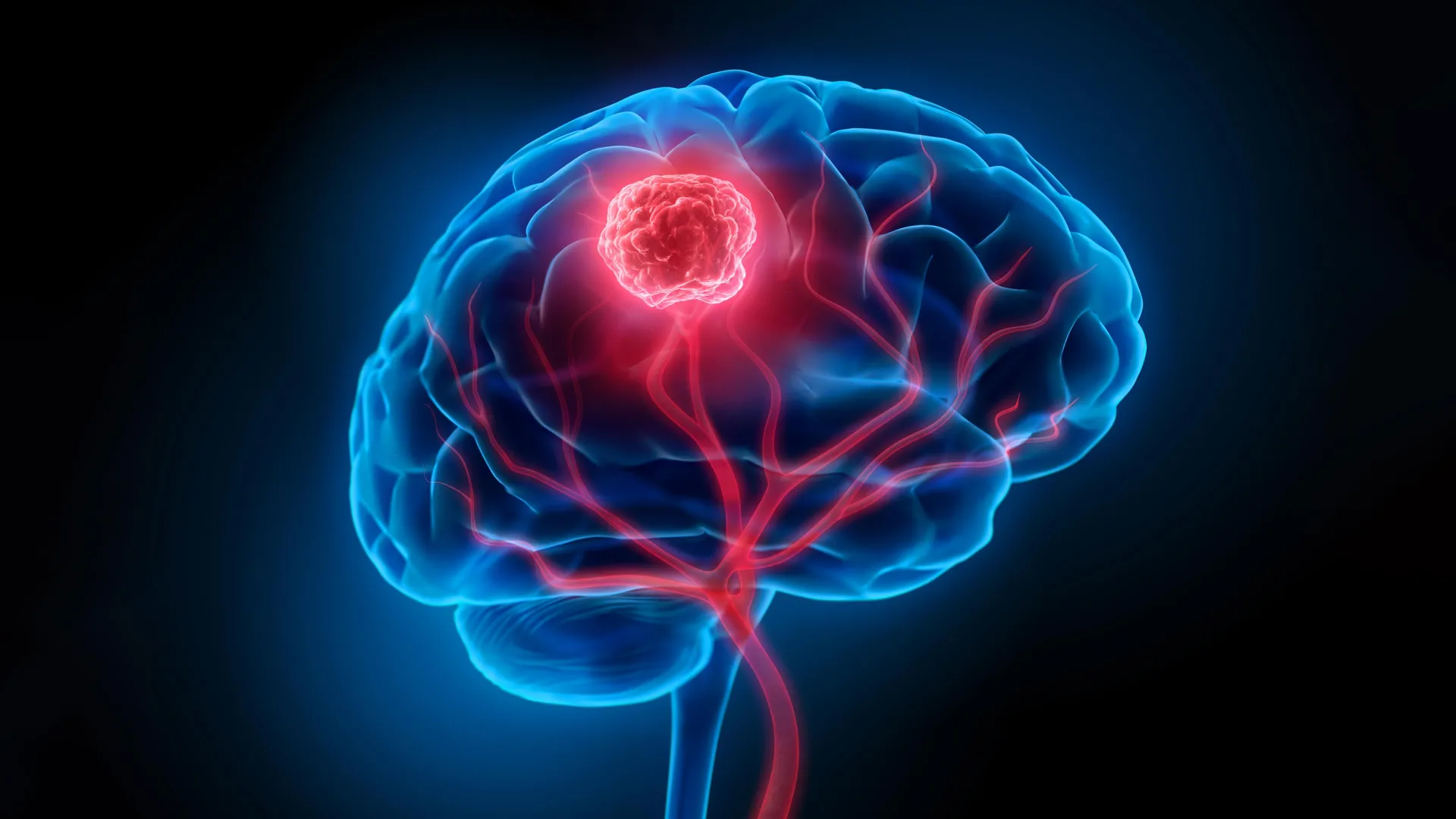
For decades, the prevailing philosophy in oncology has been one of total eradication. Modern medicine’s arsenal—comprising high-dose chemotherapy, ionizing radiation, and sophisticated immunotherapies—is primarily designed to identify, target, and annihilate malignant cells. However, a pioneering study led by Professor Indraneel Mittra at the Advanced Centre for Treatment, Research and Education in Cancer (ACTREC), Tata Memorial Centre in Mumbai, suggests that this "search and destroy" mission may be overlooking a fundamental biological truth. The research proposes that rather than attempting to kill the cancer, a more effective path may lie in "healing" it, effectively coaxing aggressive tumors into a benign or subdued state using a low-cost, non-toxic combination of resveratrol and copper.
This unconventional approach draws its inspiration from a landmark 1986 paper published in the New England Journal of Medicine by Dr. Harold Dvorak, who famously characterized tumors as "wounds that do not heal." Dvorak noted that the physiological processes involved in cancer—angiogenesis, inflammation, and tissue remodeling—mirror the body’s natural response to injury. The critical difference is that in a healthy body, these processes eventually stop once the wound is closed. In cancer, the "wound" remains perpetually open. Professor Mittra’s work builds upon this foundation, suggesting that by neutralizing the factors that prevent the "healing" of these cellular wounds, medicine can transform the trajectory of even the most aggressive malignancies.
The Challenge of Glioblastoma Multiforme
To test this "healing" hypothesis, Professor Mittra’s team focused on glioblastoma multiforme (GBM), the most common and lethal form of primary brain cancer. GBM is notoriously difficult to treat due to its highly invasive nature and its ability to develop resistance to standard therapies. Under the current standard of care—known as the Stupp protocol—patients undergo maximal surgical resection followed by a combination of radiotherapy and the chemotherapy drug temozolomide. Despite these aggressive interventions, the median survival rate for glioblastoma patients remains approximately 15 to 18 months, with a five-year survival rate of less than 10%.
The biological aggressiveness of GBM is driven by its rapid cellular turnover and its ability to suppress the local immune system. When glioblastoma cells die—whether due to the natural progression of the disease or as a result of treatment—they release fragments of their internal components into the surrounding environment. This debris becomes the catalyst for further malignancy, creating a cycle of inflammation and mutation that makes the surviving tumor cells even more resilient.
Methodology: A Controlled Clinical Window Study
The study, recently published in the journal BJC Reports, utilized a "window-of-opportunity" design. This methodology allows researchers to test a new intervention in the brief period between a patient’s diagnosis and their scheduled surgery. The researchers enrolled 20 patients with suspected glioblastoma. Ten patients were assigned to the experimental group, while the remaining ten served as a control group.
Patients in the experimental group were administered a tablet containing a synergistic combination of resveratrol (a polyphenol found in grapes) and copper (R-Cu). The dosage was administered four times daily for an average duration of 11.6 days leading up to the surgical removal of the tumor. The control group received no such intervention during the same period.
Following surgery, the excised tumor tissues from both groups were subjected to rigorous comparative analysis. The research team employed a multi-omic approach, including high-resolution microscopy, immune-staining, immunofluorescence, and comprehensive transcriptome analysis—a method that examines the full array of RNA transcripts produced by the genome to determine which genes are being turned on or off.
The Role of Cell-Free Chromatin Particles (cfChPs)
The central mechanism of Professor Mittra’s theory involves cell-free chromatin particles, or cfChPs. These are fragments of DNA and proteins released into the bloodstream and the extracellular matrix when cells die. Mittra’s previous research has demonstrated that these fragments are not merely inert waste; rather, they are biologically active and "infectious." When cfChPs are taken up by healthy cells, they can trigger genomic instability and inflammation, effectively "spreading" the cancerous state to neighboring tissues.
In the context of a tumor, the death of cancer cells releases a flood of cfChPs that "inflame" the surviving cells, making the tumor more aggressive and prone to metastasis. The resveratrol-copper combination acts as a catalytic agent. When copper and resveratrol meet, they generate oxygen radicals (specifically hydroxyl radicals) through a chemical reaction. While high levels of oxygen radicals are usually considered harmful, in this controlled application, they serve to deactivate and destroy the cfChPs before they can cause further damage.
The results of the glioblastoma study were statistically significant. In the untreated control group, the tumor tissues were saturated with cfChPs. Conversely, in the patients who received the R-Cu tablets, these particles were almost entirely absent. This suggests that the treatment successfully neutralized the "signals" of malignancy, allowing the tissue to begin a transition toward a more stable, less inflammatory state.
Results: Biological Transformation and Immune Activation
The transcriptome and histological analyses revealed several dramatic shifts in the biology of the treated tumors. These changes were categorized by the researchers as signs of "healing" rather than simple cell death.
- Downregulation of Aggressive Markers: The study found a significant reduction in the activity of genes associated with cell proliferation and tumor invasion. The tumors in the R-Cu group appeared "subdued," showing a profile more characteristic of benign growths than malignant ones.
- Apoptosis vs. Necrosis: Typically, aggressive cancer treatments cause "necrosis"—a messy form of cell death that causes the cell to burst and release inflammatory cfChPs. The R-Cu treatment appeared to promote "apoptosis," a programmed and orderly form of cell death. This allowed the body’s immune system to clear away dead cells without triggering the inflammatory response that fuels tumor growth.
- Immune Checkpoint Modulation: Perhaps the most surprising finding was the effect on immune checkpoints. Modern oncology relies heavily on drugs called Immune Checkpoint Inhibitors (ICIs), such as Pembrolizumab or Nivolumab, which block proteins like PD-1 and CTLA-4 that prevent the immune system from attacking cancer. These drugs are famously expensive, often costing upwards of $100,000 per year. The R-Cu tablets, which cost a fraction of a cent to produce, were found to naturally downregulate these same immune checkpoints, potentially "uncloaking" the tumor so the body’s own immune system could recognize and fight it.
- Safety and Toxicity: Throughout the 11.6-day trial period, none of the patients in the treatment group reported any side effects. This stands in stark contrast to the severe nausea, fatigue, and immunosuppression associated with standard chemotherapy and radiotherapy.
Economic and Global Health Implications
The potential impact of this research extends beyond the laboratory. If larger clinical trials confirm these findings, the R-Cu combination could represent a massive shift in how cancer is managed globally, particularly in low- and middle-income countries.
In India, where the study was conducted, the cost of advanced cancer treatments is often prohibitive for the general population. Professor Mittra noted that the resveratrol-copper tablet is "simple, inexpensive, and non-toxic." By providing a therapeutic option that is accessible to all socioeconomic classes, this research addresses a critical gap in global health equity.
Furthermore, the "healing" approach could theoretically be applied to other forms of cancer. Because the mechanism—targeting cfChPs—is a general biological process common to most solid tumors, the researchers believe this strategy could eventually be used as a universal adjunct therapy to prevent recurrence and reduce the toxicity of conventional treatments.
Chronology of Research and Support
Professor Indraneel Mittra’s journey toward this discovery has spanned decades. Serving as the Dr. Ernest Borges Chair in Translational Research at ACTREC, his work has consistently challenged the status quo. His team’s focus on cfChPs began with observations in sepsis and other inflammatory conditions, where they noticed that neutralizing circulating DNA fragments could prevent organ failure.
The glioblastoma study was supported by the Department of Atomic Energy, Government of India, through a grant to the Tata Memorial Centre. This institutional support highlights the Indian scientific community’s commitment to finding indigenous, cost-effective solutions to global medical challenges.
Analysis of Future Prospects
While the results are striking, Professor Mittra and other oncology experts urge a measured interpretation. The study size—20 patients—is considered a Phase I/early Phase II "proof of concept." To change clinical guidelines, the treatment must undergo large-scale, multi-center Phase III trials to prove long-term survival benefits.
The scientific community is likely to view these results with both intrigue and skepticism. The idea that a nutraceutical combination could achieve what multi-billion-dollar pharmaceuticals struggle to do—downregulate immune checkpoints and "heal" a tumor—is a radical proposition. However, the data provided by the transcriptome analysis offers a robust molecular basis that cannot be easily dismissed.
If the "healing" model is validated, it could lead to a future where cancer is treated more like a chronic, manageable condition rather than a terminal war. Instead of the "scorched earth" policy of maximum tolerated doses of poison, oncology might move toward "gentle" therapies that maintain the body’s internal harmony while keeping the tumor in check.
"We have been trying to kill cancer cells for 2,500 years, since the time of the ancient Greeks, without success," Professor Mittra concluded. "Maybe it is time to look at cancer treatment differently and work towards healing tumors, rather than annihilating them." As the medical world looks toward the next phase of this research, the prospect of a low-cost, non-toxic tablet that "subdues" one of the world’s most feared diseases remains a compelling beacon of hope for patients and clinicians alike.
