
 By admin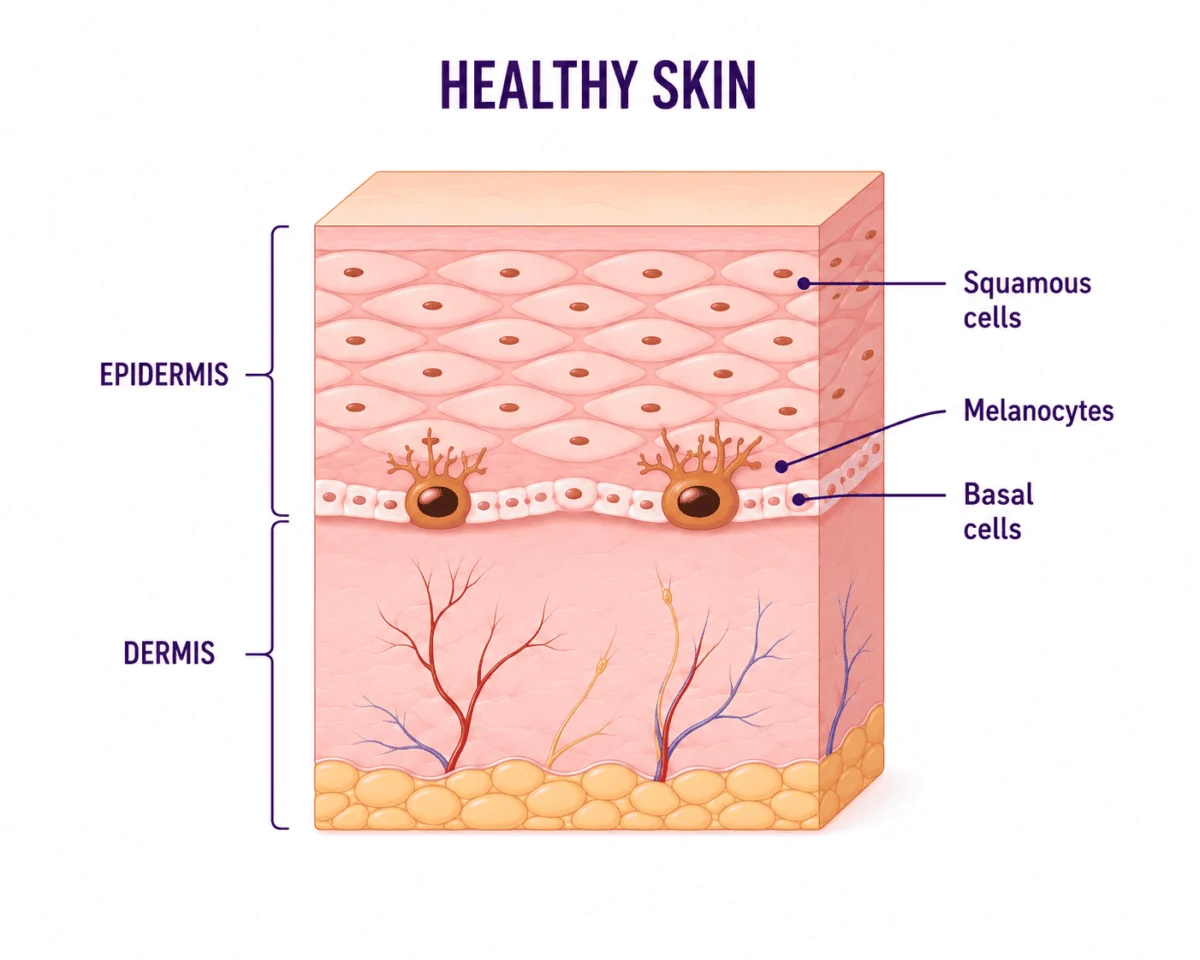
July marks Ultraviolet (UV) Radiation Safety Awareness Month, an annual observance underscoring the critical importance of protecting the skin, the body’s largest organ, from the pervasive and damaging effects of UV radiation. This dedicated month serves as a vital reminder from public health organizations and research institutions, including the Cancer Research Institute (CRI), to adopt simple yet highly effective measures to significantly reduce the risk of skin cancer, a disease whose incidence continues to pose a substantial global health challenge. While prevention remains the cornerstone of defense, groundbreaking advancements in cancer immunotherapy have dramatically reshaped the landscape of treatment for advanced forms of the disease, offering new hope and extended lifespans for countless patients.
Understanding the Unseen Threat: The Science of UV Radiation
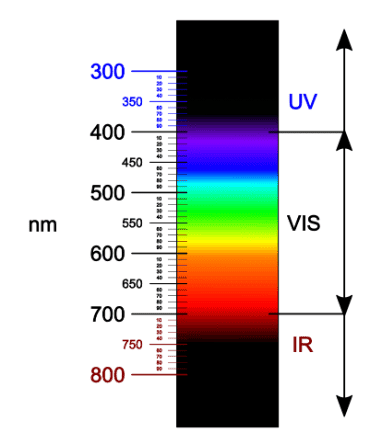
Ultraviolet radiation, invisible to the human eye, occupies a spectrum of electromagnetic wavelengths between 100 and 400 nanometers, making it shorter than visible light but longer than X-rays. Its primary natural source is the sun, a ubiquitous presence in daily life, but artificial sources such as tanning beds also emit significant and concentrated levels of UV radiation. Not all UV rays are equal in their biological impact; scientists categorize them into three main types: UVA, UVB, and UVC.
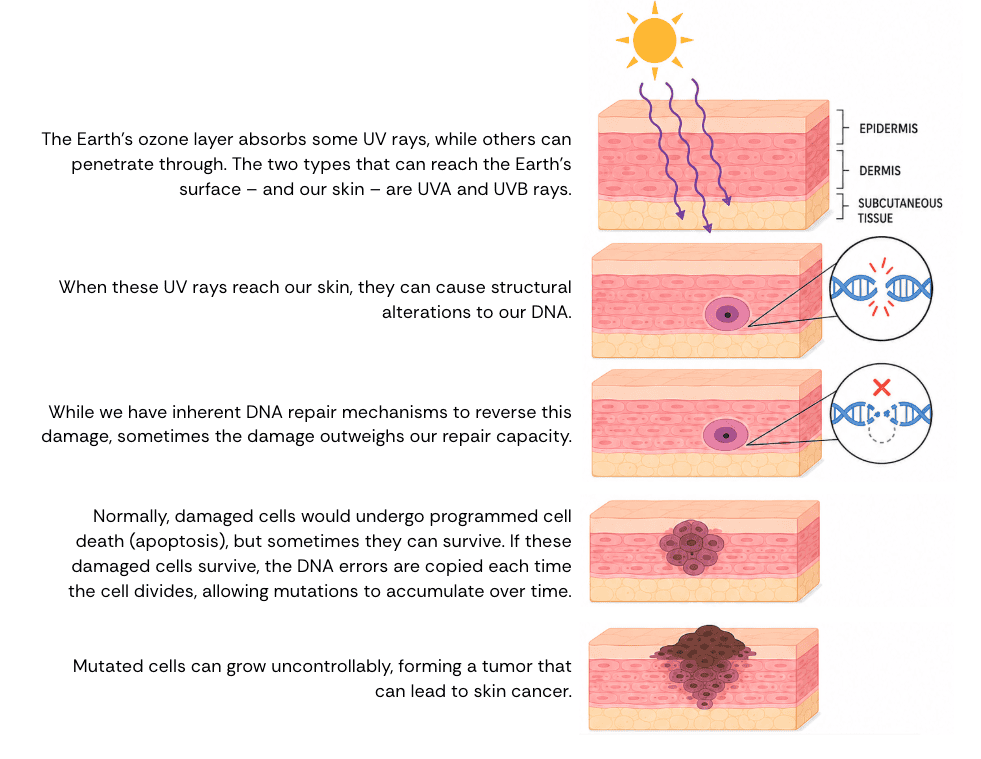
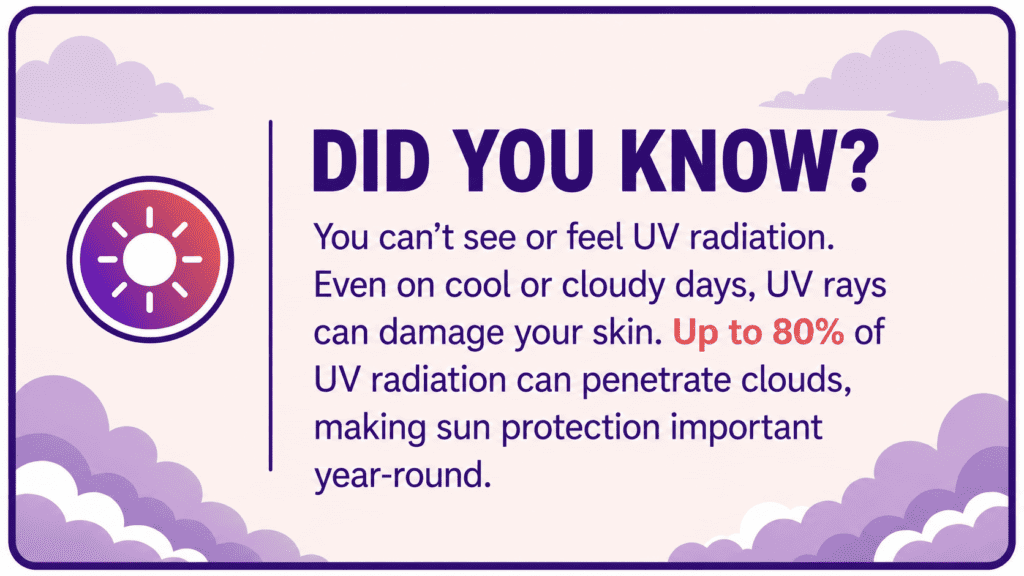
UVA rays, comprising about 95% of the UV radiation reaching the Earth’s surface, have the longest wavelengths (320-400 nm) and penetrate the skin most deeply, reaching the dermis. While historically thought to be less harmful, research now confirms UVA contributes significantly to skin aging, wrinkles, and indirectly to skin cancer by damaging skin cells and potentially suppressing the immune system. UVB rays, with medium wavelengths (280-320 nm), are the primary cause of sunburn and direct DNA damage, playing a crucial role in the development of most skin cancers. They primarily affect the epidermis, the outermost layer of skin. UVC rays, the shortest and most energetic, are largely absorbed by the Earth’s ozone layer and do not typically reach the surface, posing minimal threat under normal circumstances.
The mechanism by which UV radiation causes skin cancer is rooted in cellular damage. When UV photons strike skin cells, they can directly damage the DNA within these cells. This damage often manifests as pyrimidine dimers, abnormal bonds between DNA bases that disrupt the genetic code. While cells possess repair mechanisms, repeated and excessive exposure can overwhelm these systems, leading to unrepaired DNA mutations. These mutations, particularly in genes that regulate cell growth and division, can cause cells to grow uncontrollably, forming cancerous lesions. This DNA damage is largely cumulative, meaning that years of repeated sun exposure, even seemingly minor, build up over time, increasing the risk of developing skin cancer later in life.
Several environmental factors influence the intensity of UV radiation reaching the Earth’s surface. These include geographic latitude (UV intensity increases closer to the equator), altitude (higher altitudes mean less atmospheric filtering), time of day (UV is strongest between 10 AM and 4 PM), season (stronger in summer months), cloud cover (light clouds may block some UV, but thin clouds can even enhance it by scattering), and reflective surfaces like sand, water, and snow, which can amplify exposure. Organizations like the World Health Organization (WHO) and the Environmental Protection Agency (EPA) regularly publish UV Index forecasts, a standardized measure of UV intensity, to help the public make informed decisions about sun protection.
The Global Burden of Skin Cancer: Fast Facts and Figures
Skin cancer is the most common cancer globally, with its incidence rates continuing to rise. According to the American Academy of Dermatology (AAD), approximately one in five Americans will develop skin cancer in their lifetime. Worldwide, the WHO estimates that between 2 and 3 million non-melanoma skin cancers and 132,000 melanoma skin cancers occur globally each year.
- Prevalence: Non-melanoma skin cancers, primarily Basal Cell Carcinoma (BCC) and Squamous Cell Carcinoma (SCC), are by far the most common, accounting for over 90% of all skin cancer diagnoses. Melanoma, while less common, is significantly more aggressive and accounts for the vast majority of skin cancer deaths.
- Mortality: In the United States, melanoma is projected to cause over 7,000 deaths annually. Early detection is crucial, as the 5-year survival rate for localized melanoma is over 99%, but drops significantly if the cancer spreads to distant parts of the body.
- Risk Factors: Beyond UV exposure, other risk factors include fair skin, a history of sunburns, a large number of moles or unusual moles, a family history of skin cancer, a weakened immune system, and exposure to certain chemicals or radiation.
- Preventability: The good news, as emphasized by the Cancer Research Institute, is that most skin cancers are preventable. Simple, consistent measures to protect the skin can dramatically reduce an individual’s risk.
Decoding Skin Cancer: Types and Their Origins
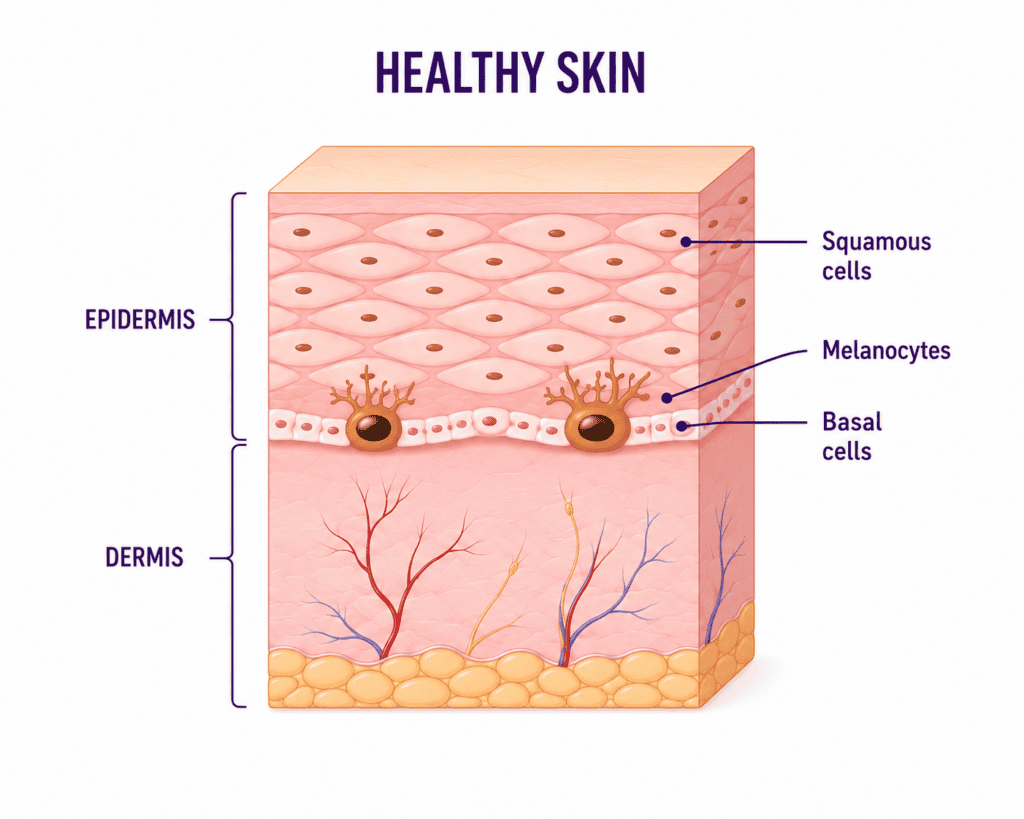
Healthy skin is a complex organ composed of several layers and specialized cells. The epidermis, the outermost layer, contains keratinocytes (producing keratin, the main component of skin, hair, and nails) and melanocytes (producing melanin, the pigment that gives skin its color and helps protect against UV radiation). Below the epidermis lies the dermis, which contains connective tissue, hair follicles, and sweat glands, followed by the hypodermis, a layer of fat and connective tissue. Most skin cancers originate when UV radiation damages the DNA in one of these cell types, leading to uncontrolled growth.
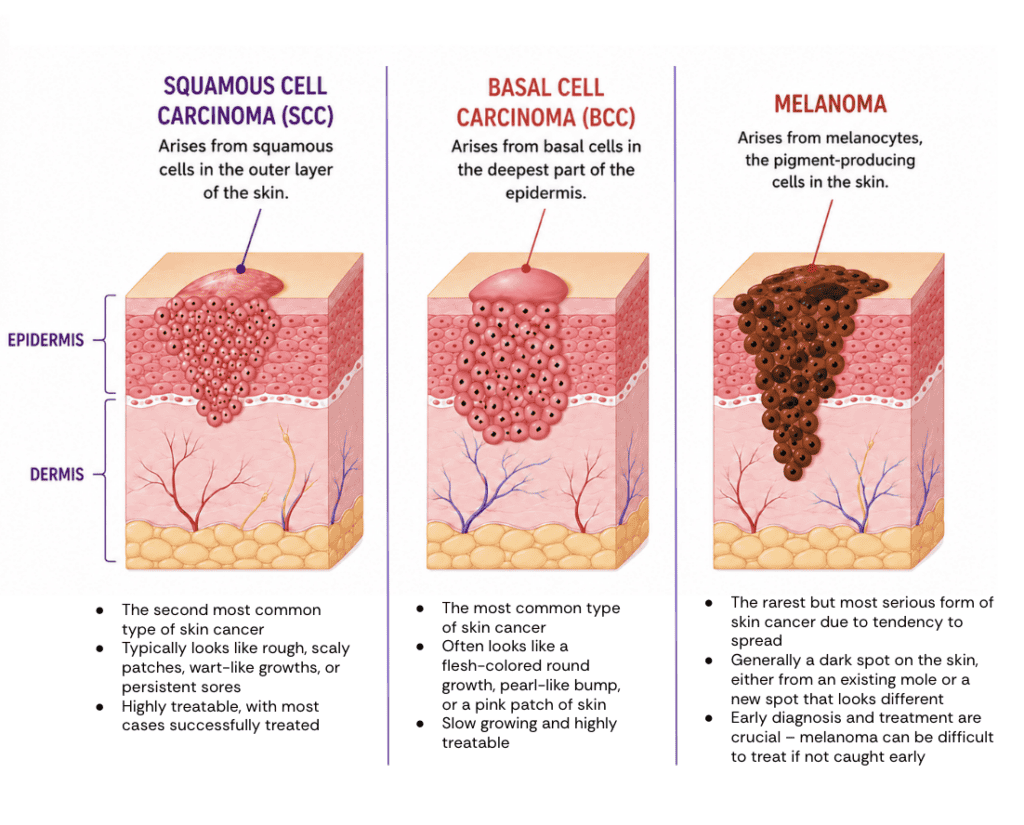
- Basal Cell Carcinoma (BCC): This is the most common type of skin cancer, accounting for about 8 out of 10 skin cancers. BCCs originate in the basal cells, which are found in the deepest layer of the epidermis. They typically appear as pearly or waxy bumps, flat, flesh-colored or brown lesions, or sores that don’t heal. BCCs rarely spread to other parts of the body (metastasize) but can be locally destructive if not treated, invading surrounding tissues and bone.
- Squamous Cell Carcinoma (SCC): The second most common type, SCCs account for about 2 out of 10 skin cancers. They arise from squamous cells, which are flat cells in the outer part of the epidermis. SCCs often appear as firm, red nodules or flat, scaly, crusted lesions. While generally slow-growing, SCCs have a higher risk of spreading (metastasis) than BCCs, especially if they are large, deep, or located on mucous membranes.
- Melanoma: Though less common, melanoma is the most dangerous form of skin cancer due responsible for the majority of skin cancer-related deaths. It develops from melanocytes, the pigment-producing cells. Melanomas can arise from existing moles or appear as new dark spots. Dermatologists use the "ABCDE" rule to identify suspicious lesions: Asymmetry, Border irregularity, Color variation, Diameter greater than 6mm, and Evolving (changes in size, shape, color, or elevation, or new symptoms like bleeding, itching, or crusting). Early detection and removal are critical for successful treatment.
- Actinic Keratoses (AKs): These are rough, scaly patches on the skin caused by years of sun exposure. AKs are considered pre-cancerous and, if left untreated, have the potential to develop into squamous cell carcinoma. Regular monitoring and treatment are recommended to prevent progression.
Front-Line Defense: Comprehensive Prevention Strategies
Given the high preventability of most skin cancers, adopting robust sun protection habits is paramount. These strategies form the front line of defense against UV-induced damage:
- Sunscreen Application: Use a broad-spectrum sunscreen with an SPF (Sun Protection Factor) of 30 or higher daily, even on cloudy days. Broad-spectrum means it protects against both UVA and UVB rays. Apply generously (about one ounce for the entire body) at least 15-30 minutes before sun exposure and reapply every two hours, or more frequently after swimming or sweating. Mineral sunscreens (containing zinc oxide or titanium dioxide) create a physical barrier, while chemical sunscreens absorb UV radiation.
- Protective Clothing: Cover up with long-sleeved shirts, long pants, and skirts when outdoors. Look for clothing with a UPF (Ultraviolet Protection Factor) rating of 30 or higher, indicating effective UV blocking.
- Seeking Shade: Limit direct sun exposure, especially during peak UV hours, typically between 10 AM and 4 PM. Utilize natural shade from trees or seek artificial shade under umbrellas, awnings, or canopies.
- Hats and Sunglasses: Wear a wide-brimmed hat (at least a 3-inch brim) to protect the face, ears, and neck. Sunglasses that block 99% or 100% of UVA and UVB rays are essential to protect the eyes and the delicate skin around them, reducing the risk of cataracts and ocular melanoma.
- Avoid Tanning Beds: Artificial tanning devices emit concentrated UV radiation, significantly increasing the risk of skin cancer, including melanoma. Many health organizations strongly advise against their use.
- Regular Skin Checks: Perform monthly self-skin exams to become familiar with your skin and identify any new or changing moles, spots, or lesions. Additionally, schedule annual professional skin exams with a dermatologist, particularly if you have a history of skin cancer, numerous moles, or significant sun exposure. Early detection drastically improves prognosis for all types of skin cancer.
A Paradigm Shift in Treatment: The Immunotherapy Revolution
While prevention is key, when skin cancer does occur, particularly advanced melanoma, the treatment landscape has been revolutionized by scientific breakthroughs. For decades, advanced melanoma was considered one of the deadliest cancers, with limited treatment options and a grim prognosis. Standard therapies like chemotherapy, high-dose interleukin-2 (IL-2), and interferon often yielded modest and short-lived responses, leaving many patients with little hope.
The advent of cancer immunotherapy, specifically Immune Checkpoint Inhibitors (ICIs), has transformed this outlook. ICIs work by essentially "releasing the brakes" on the immune system. Cancer cells often exploit natural regulatory pathways, known as immune checkpoints (like CTLA-4 and PD-1/PD-L1), to evade detection and destruction by the body’s immune cells, particularly T cells. By blocking these inhibitory interactions, ICIs empower the immune system to recognize and attack cancer cells more effectively.
A pivotal figure in this revolution is James P. Allison, PhD, Director of CRI’s Scientific Advisory Council. Dr. Allison’s pioneering work on the CTLA-4 pathway led to the development of the first immune checkpoint inhibitor, ipilimumab, which gained FDA approval for melanoma in 2011. His groundbreaking contributions were recognized with the Nobel Prize in Physiology or Medicine in 2018, shared with Tasuku Honjo, who independently discovered the PD-1 pathway.
Following ipilimumab, other ICIs targeting the PD-1/PD-L1 pathway, such as pembrolizumab and nivolumab, have also demonstrated remarkable efficacy in melanoma and other cancers. These drugs, often used individually or in combination (e.g., nivolumab plus ipilimumab), have significantly improved survival rates, turning what was once a rapidly fatal disease into a chronic, manageable condition for many.
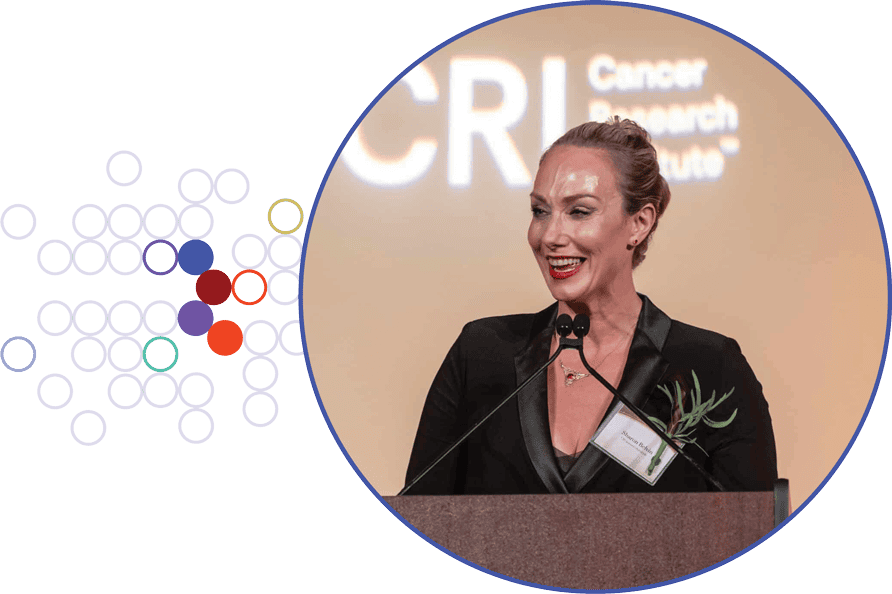
The profound impact of these therapies is perhaps best illustrated by patient stories like that of Sharon Belvin. Diagnosed with Stage 4 melanoma at the age of 22, Sharon was running out of options when her oncologist enrolled her in an early clinical trial for ICIs. Her initial prognosis was dire, a common reality for patients with advanced melanoma at the time. Yet, against all odds, Sharon experienced a complete and durable response to the experimental treatment. To this day, over two decades later, Sharon remains cancer-free, a testament to the life-changing potential of immunotherapy. Her remarkable outcome was made possible because decades of fundamental immunology research had already laid the groundwork, translating laboratory discoveries into lasting life for Sharon and countless others. Dr. Allison even officiated her wedding, highlighting the deeply personal connections forged through such medical breakthroughs.
Pushing the Boundaries: Advanced Research and Future Directions
Despite the monumental progress, immunotherapy still doesn’t work for everyone. A significant proportion—between 30% and 50%—of patients with advanced melanoma do not respond to ICIs, and understanding the reasons behind this non-response is a critical area of ongoing research.
One such researcher is Katie Campbell, PhD, a former CRI Postdoctoral Fellow and adjunct assistant professor at UCLA. Dr. Campbell’s work aims to unravel the complexities of tumor microenvironments to predict which patients will benefit from treatment. Her research delves beyond simply identifying which immune cells are present within tumors; it focuses on their spatial arrangement—how they are organized and interact—and what this "cellular neighborhood" architecture reveals about a patient’s likely response to immunotherapy.
Dr. Campbell describes these immune cell clusters as dynamic cellular neighborhoods where cancer cells, immune cells, and the intricate network of blood vessels (serving as "immune highways") are in constant communication. Critically, her team studies biopsies taken both before and during treatment, providing not just a static snapshot but a dynamic picture of the immune system in motion. As she eloquently puts it, "It’s like taking a picture of a bike race before it starts. Before the race, you can just say there’s a bunch of bikes. Once they’re moving, you can say which cyclists are at the front of the pack versus the back – and you can do a lot more inference about what’s happening."
The broader vision of this research is to enable smarter, earlier interventions. Currently, patients who don’t respond to initial immunotherapy might cycle through multiple treatments, losing precious time as their disease progresses and their overall health diminishes. Dr. Campbell hopes that these advanced spatial biology approaches will eventually allow clinicians to identify the most effective therapy sooner, before patients have endured extensive treatments, thereby preserving their ability to respond and improving their chances of long-term survival. This involves developing sophisticated biomarkers that can guide treatment selection, moving towards a truly personalized medicine approach.
Other avenues of research in melanoma immunotherapy include exploring novel combination therapies (e.g., combining ICIs with targeted therapies, chemotherapy, or radiation), developing adoptive cell therapies like Tumor-Infiltrating Lymphocytes (TILs), investigating oncolytic viruses that selectively infect and destroy cancer cells while stimulating an immune response, and creating therapeutic cancer vaccines designed to train the immune system to recognize and attack melanoma cells. Each of these research fronts aims to extend the benefits of immunotherapy to more patients and to overcome mechanisms of resistance.
A Dual Mandate: Prevention Today, Breakthroughs Tomorrow
The narrative of skin cancer prevention and treatment is one of both personal responsibility and scientific triumph. Most skin cancers can be prevented through simple, consistent habits that reduce UV exposure. Sunscreen, protective clothing, seeking shade, and regular self-skin checks, complemented by professional dermatological examinations, remain the most powerful tools for safeguarding public health. These preventive measures are not merely recommendations; they are essential practices for mitigating a widespread and potentially deadly disease.
Simultaneously, when skin cancer does occur, decades of relentless research have profoundly transformed patient outcomes. Immunotherapy, particularly the discovery and development of immune checkpoint inhibitors, has rewritten the outlook for many individuals with advanced melanoma. What were once considered terminal diagnoses have, for a significant number of patients, become long-lasting responses, offering a quality of life previously unimaginable. Researchers, supported by organizations like the Cancer Research Institute, continue to build on this progress, tirelessly working toward a future where immunotherapy benefits even more patients, extending hope and survival to those for whom current treatments are insufficient.
The journey towards a world free from the burden of skin cancer is a collective endeavor. Whether it involves diligently applying sunscreen before stepping outside, advocating for public awareness campaigns, or supporting the fundamental science behind tomorrow’s breakthroughs, every step forward is crucial. This dual commitment—to robust prevention and innovative research—moves humanity closer to a future where fewer people develop skin cancer, and for those who do, more people survive it, leading healthier, longer lives.
