
 By Lina carolina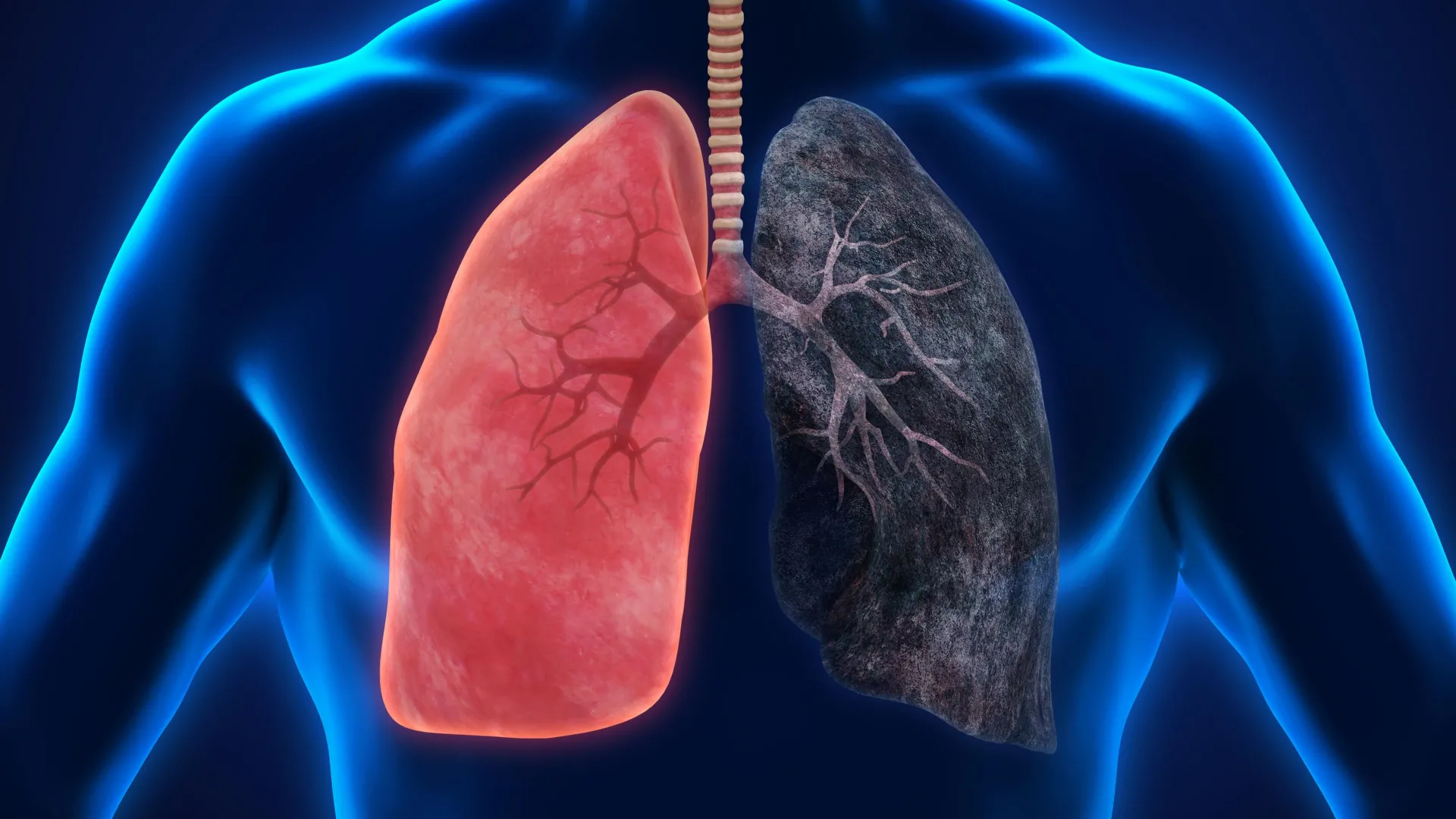
As a wave of legalization sweeps across the United States, transforming marijuana from a contraband substance to a regulated commodity in numerous states, a pervasive assumption has taken root: that cannabis is largely benign. However, when the lens shifts to the complex and potentially life-altering realm of cancer, this perception rapidly dissolves, revealing a landscape still shrouded in scientific ambiguity. While tobacco’s carcinogenic impact, particularly on the lungs, is a well-established and tragic chapter in public health history, the precise nature of marijuana’s relationship with cancer risk remains a subject of intensive and ongoing scientific investigation, according to insights from leading medical professionals.
Brooks Udelsman, MD, a distinguished thoracic surgeon affiliated with USC Surgery at Keck Medicine of USC, articulates this evolving understanding: "The public perception often lags behind the scientific discovery. While we have decades of data on tobacco, the research into marijuana’s long-term health effects, especially concerning cancer, is still in its relatively nascent stages. We are diligently working to unravel these complexities."
Emerging Research: Early Indicators of Increased Cancer Susceptibility
At the forefront of this crucial research are institutions like Keck Medicine of USC, where scientists are meticulously examining the correlation between cannabis consumption and various forms of cancer. A significant recent study, spearheaded by Niels Kokot, MD, an otolaryngologist at the USC Caruso Department of Otolaryngology—Head and Neck Surgery, has provided compelling evidence suggesting a heightened risk among heavy marijuana smokers. The findings indicated that individuals who consumed substantial quantities of marijuana appeared to face an elevated likelihood of developing both small cell lung cancer and non-small cell lung cancer.
This investigation did not stand in isolation. In a subsequent, related study, Dr. Kokot and his team further illuminated the potential dangers associated with frequent cannabis use. Their report revealed that individuals who engaged in daily marijuana use were found to be between 3.5 to 5 times more susceptible to developing head and neck cancers when compared to their non-using counterparts. This category of cancers is particularly concerning, encompassing malignancies affecting the oral cavity, pharynx, larynx, oropharynx (including the tongue, tonsils, and the posterior wall of the throat), and adjacent salivary glands.
Quantifying the Risk: The Elusive "Dose-Response" Relationship
A critical question that continues to elude definitive answers is the precise threshold of marijuana consumption that triggers a significant increase in cancer risk. While the evidence linking heavy marijuana smoking to cancer is steadily accumulating, the exact quantity or frequency of use required for this elevated risk to manifest remains unclear.
"What we don’t know right now is the dose relationship," Dr. Udelsman elaborates, highlighting a key area of scientific inquiry. "So, if someone smokes marijuana occasionally – perhaps once a week, once a month, or even just a few times a year – do they still carry that same elevated risk? My clinical suspicion, based on current understanding, is that the risk associated with such infrequent use is likely minimal. What we can definitively state at this juncture is that individuals who smoke copious amounts of marijuana, to the extent that they develop a dependence on it or require medical intervention or evaluation for their usage, do indeed appear to be at a higher risk for developing cancer."
The scope of scientific inquiry extends beyond lung and head and neck cancers. Researchers are actively exploring potential links between heavy marijuana use and other forms of malignancy, including bladder cancer and various gastrointestinal cancers. This broad approach is driven by a desire to provide a comprehensive understanding of cannabis’s impact on human health.
"With tobacco, we observe a well-documented increased prevalence of bladder cancer," Dr. Udelsman notes. "The critical question is whether a similar association exists for heavy marijuana smoking. This is precisely why we are dedicating resources to determine these risks, so that individuals can make informed decisions about the potential consequences of their choices."
Beyond the Smoke: Edibles and Alternative Consumption Methods
The evolving landscape of marijuana consumption includes a growing popularity of non-inhalational methods, most notably edibles. This shift prompts crucial questions about whether these alternative delivery systems carry the same or different cancer risks, particularly concerning lung cancer.
Current evidence suggests that non-smoking methods, such as the ingestion of marijuana-infused edibles, are unlikely to contribute to an increased risk of lung cancer. "Probably not," Dr. Udelsman states, addressing this specific concern. "The challenge in definitively assessing this risk lies in the limited availability of robust data. Edibles represent a more recent and less studied avenue of consumption. However, as of now, there does not appear to be a discernible relationship between the use of edibles and the development of lung cancer. The question of whether edibles are linked to other types of cancers, however, remains an open area of investigation."
The Biological Mechanisms: Why Marijuana Smoke Might Foster Cancer
Understanding why marijuana smoke might increase cancer risk involves delving into its chemical composition and biological effects. Dr. Udelsman explains that any substance that induces prolonged inflammation within the body can, over time, escalate the risk of developing cancer. Tobacco smoke, a notorious carcinogen, is a complex mixture containing over 7,000 chemicals, with approximately 70 identified as known carcinogens. Crucially, some of these same cancer-causing chemicals are also present in marijuana smoke.
Furthermore, research is exploring the role of THC (tetrahydrocannabinol), the primary psychoactive compound in marijuana. Dr. Udelsman points out that THC has been associated with the conversion of polycyclic aromatic hydrocarbons (PAHs) into more potent forms. PAHs are known environmental pollutants that can trigger chronic inflammation and directly damage cellular DNA.
"Anytime inflammation is present and changes occur to DNA, there is an inherent risk of developing cancer," Dr. Udelsman emphasizes, underscoring the fundamental biological processes at play.
The Shadow of Secondhand Smoke: A Lingering Concern
The debate surrounding the health implications of marijuana use also extends to the potential impact of secondhand smoke. While definitive evidence directly linking secondhand marijuana smoke to an increased risk of lung cancer is currently insufficient, Dr. Udelsman suggests that a potential risk cannot be entirely dismissed. The concern stems from the possibility that individuals in proximity to marijuana smoke may inadvertently inhale inflammatory particles. These particles, similar to those found in tobacco smoke, are believed to contribute to the complex cascade of events that can lead to cancer development. The lack of extensive, long-term epidemiological studies in this area leaves a significant knowledge gap.
Differentiating Lung Cancers: Specific Associations with Marijuana
Lung cancer is broadly categorized into two primary types: small cell lung cancer and non-small cell lung cancer. While small cell lung cancer is overwhelmingly associated with tobacco smoking, Dr. Udelsman indicates that it may also be linked to marijuana smoking. "It’s almost unheard of to develop small cell lung cancer without some form of inhalational injury," he remarks, suggesting that chronic irritation of the lung tissue, regardless of the source, can be a significant contributing factor.
Similarly, non-small cell lung cancer also appears with greater frequency among individuals who smoke marijuana. "We observe an increased incidence of non-small cell lung cancer in smokers of both tobacco and marijuana," Dr. Udelsman clarifies. "This means that both subtypes of lung cancer are found to be more prevalent in users of either substance when compared to individuals who do not smoke at all."
Vaping’s Uncertain Future: A New Frontier of Risk
The advent and widespread adoption of electronic cigarettes, initially hailed by some as a safer alternative to traditional smoking, has introduced a new layer of complexity to public health discussions. While vaping tobacco has been linked to severe inflammatory lung diseases, it has not yet been definitively connected to cancer itself. The relatively short history of vaping, however, means that the long-term consequences, including any potential cancer risks, remain largely unknown.
This uncertainty extends to the vaping of marijuana. "The data on vaping is still very new, so we don’t have definitive answers yet," Dr. Udelsman cautions. "However, I am concerned about anything that is inhaled directly into the lungs. These substances infiltrate the delicate cells and air sacs, potentially causing damage and thereby increasing the risk for cancer over time. The long-term effects of inhaling vaporized cannabis compounds are a critical area for future research."
Occasional Use vs. Chronic Exposure: A Tale of Two Risks
Despite the emerging concerns, Dr. Udelsman expresses a nuanced view, suggesting that the widespread recreational use of marijuana is unlikely to trigger a broad-based lung cancer epidemic. His perspective hinges on the distinction between occasional and chronic, heavy use.
"I worry less about occasional use and the minor, temporary inflammation it might induce," he states. "The body likely possesses a remarkable capacity to recover from such brief exposures with minimal lasting damage. My primary concern lies with chronic, heavy exposure: individuals who are using marijuana daily, multiple times a day. It is within this demographic that we begin to see a cumulative buildup of injury. The data available today points towards these individuals being at a heightened risk for developing cancer, a risk profile that bears resemblance to that of tobacco smokers."
Moving Forward: The Imperative of Informed Healthcare
For individuals who identify as heavy marijuana users, the consensus among medical professionals is clear: open and honest communication with a healthcare provider is paramount. A physician can conduct a thorough evaluation of an individual’s personal cancer risk, taking into account their specific usage patterns, medical history, and other contributing factors. This personalized assessment can then guide decisions regarding appropriate screening protocols, potential interventions, or further follow-up care, ensuring that individuals are empowered with the knowledge and resources to navigate their health journey proactively. The ongoing research into the complex relationship between marijuana and cancer promises to shed further light on these critical health questions in the years to come.
