
 By Budi Oetomo Narendra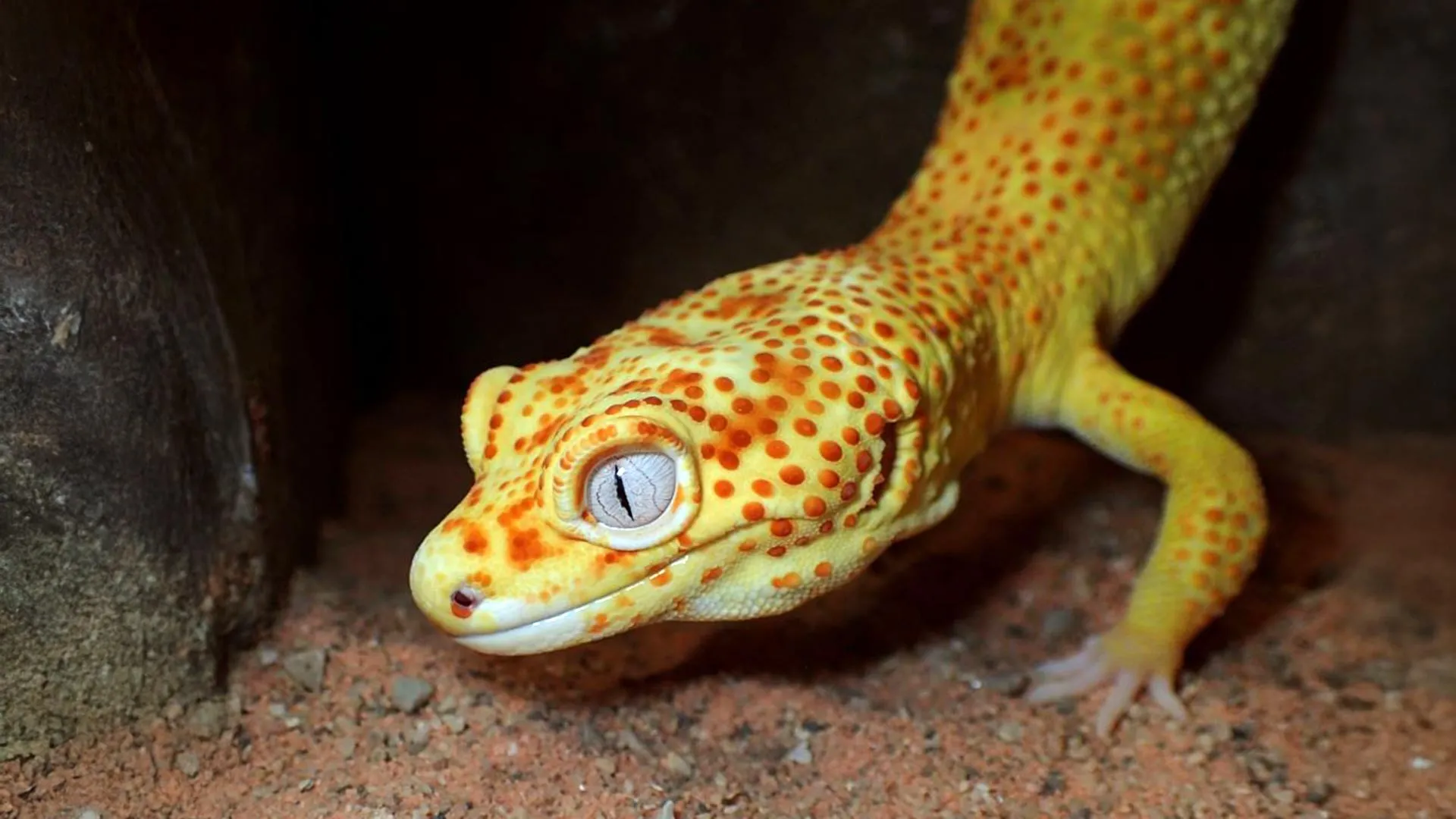
A colorful pet gecko, known scientifically as Eublepharis macularius and specifically a unique variety dubbed the "lemon frost" morph, has captured the attention of cancer researchers due to its unusually high predisposition to developing aggressive tumors. This striking reptile, with its distinctive white and yellow coloration, is now poised to become an invaluable model for scientists investigating the intricate mechanisms by which cancers form, evolve, and metastasize. Researchers believe that the animal’s naturally occurring cancers may offer unprecedented insights into the perplexing question of why certain species exhibit remarkable resistance to the disease, while others, like the lemon frost gecko, are exceptionally vulnerable. This discovery underscores the profound potential of comparative oncology, a field that seeks answers to human diseases by studying the vast diversity of life on Earth.
The Enigma of Cancer Across the Animal Kingdom
Cancer, a complex disease characterized by uncontrolled cell growth, is not unique to humans; it affects nearly all multicellular organisms. However, the prevalence and nature of cancer vary dramatically across the animal kingdom. For instance, species such as naked mole rats, elephants, and bowhead whales have evolved sophisticated mechanisms to resist cancer, exhibiting remarkably low rates despite their long lifespans and large body sizes. Conversely, other species appear highly susceptible. This stark contrast presents a compelling evolutionary puzzle: what are the biological underpinnings of cancer resistance and susceptibility? Understanding these natural defenses and vulnerabilities could unlock novel strategies for prevention, diagnosis, and treatment in humans. The lemon frost leopard gecko, with its staggering 80% incidence of aggressive tumors, now offers a unique window into the latter end of this spectrum.
The Genesis of the Lemon Frost Morph and a Puzzling Pattern
The story of the lemon frost gecko begins not in a research laboratory, but within the vibrant and often unpredictable world of exotic pet breeding. Leopard geckos (Eublepharis macularius), native to the arid grasslands and deserts of Afghanistan, Pakistan, northwestern India, and parts of Iran, have long been popular pets due to their docile nature, relatively simple care requirements, and the vast array of color and pattern variations, known as "morphs," that breeders have meticulously developed over decades. These morphs arise from spontaneous genetic mutations that are then selectively bred to amplify desired aesthetic traits.
The "lemon frost" morph emerged from such a spontaneous genetic mutation within a large breeding colony. Its initial appearance, characterized by a striking, almost iridescent white and yellow pigmentation, immediately captivated breeders and enthusiasts alike. The demand for these visually distinct geckos quickly grew, leading to their widespread introduction into the pet trade. However, as these geckos matured, breeders began to observe a deeply troubling and consistent pattern: a significant proportion of lemon frost individuals started developing aggressive skin tumors. These growths were not benign; they frequently metastasized, spreading rapidly to other parts of the body, leading to severe health complications and often premature death. This high incidence, reaching approximately 80% of all lemon frost geckos, was alarming and set them apart from other leopard gecko morphs, which generally exhibit a much lower, more typical cancer risk. This unusual vulnerability transformed a prized pet into a biological anomaly ripe for scientific investigation.
Unraveling the Genetic Basis: The University of Nottingham Study
Recognizing the extraordinary nature of this phenomenon, an international research team, spearheaded by Dr. Ylenia Chiari from the School of Life Sciences at the University of Nottingham, embarked on a comprehensive study to uncover the genetic underpinnings of this heightened cancer susceptibility. Their findings, recently published in the esteemed journal BMC Biology, represent a significant leap forward in comparative oncology.
The research methodology centered on advanced genomic sequencing. Scientists collected tissue samples from lemon frost geckos, carefully comparing the genetic makeup of their aggressive tumors with healthy tissue from the same animals. This whole genome sequencing approach allowed them to meticulously map the entire genetic code and pinpoint specific mutations or alterations that were consistently present in the cancerous cells but absent in the healthy ones. The team, which included PhD researcher Brandon Hastings (University of Nottingham), Dr. Scott Glaberman (University of Birmingham), Dr. Tony Gamble (Marquette University), Dr. Robert Ossiboff (University of Florida), and Virginia Gazziero and Dr. Giulio Caravagna (University of Trieste), painstakingly analyzed this vast genetic data.
Their investigations revealed a recurring set of genetic changes consistently associated with the tumors in the lemon frost geckos. Crucially, many of these altered genes and biological pathways have already been identified as key players in human cancers and cancers found in other mammalian models. This remarkable conservation of cancer-related genes across such distantly related species – a reptile and a mammal – strongly suggests that the underlying mechanisms driving tumor formation and progression are evolutionarily ancient and deeply conserved. The implication is profound: insights gained from studying these geckos could directly inform our understanding of human cancer biology.
Why a Gecko, Not a Mouse? The Unparalleled Advantage of Natural Models
Traditional cancer research has heavily relied on laboratory mice, often genetically engineered or exposed to carcinogens to induce tumor growth. While these models have been invaluable, they possess inherent limitations. Artificially induced tumors may not always perfectly mimic the complex, multi-stage process of cancer development in humans. Moreover, studying metastasis – the spread of cancer from its primary site to distant organs – can be particularly challenging in models where tumors are initiated externally.
This is where the lemon frost gecko presents a revolutionary advantage. As Dr. Chiari highlighted, "this gecko could become an incredible model in cancer research because tumors appear naturally at a relatively early age." Unlike laboratory mice that often require researchers to artificially trigger tumor growth, lemon frost geckos develop cancer spontaneously, as a direct consequence of their inherent genetic makeup. Furthermore, these tumors are often aggressive and frequently metastasize, providing scientists with a rare and unparalleled opportunity to observe the entire lifecycle of cancer – from its initial cellular aberrations to its uncontrolled growth and subsequent spread – under natural, unmanipulated conditions. This naturalistic progression offers a more authentic representation of human cancer development, potentially revealing nuances that are missed in induced models. The ability to study natural metastasis is particularly significant, as metastasis is responsible for approximately 90% of cancer-related deaths in humans, yet its mechanisms remain poorly understood.
Voices from the Research Front: Insights and Implications
The researchers involved in this groundbreaking study articulated the profound implications of their findings. Dr. Ylenia Chiari emphasized the comparative approach: "By studying why some animals are so susceptible to cancer while others are remarkably resistant, we hope to uncover the different ways species have evolved to deal with cancer. Together, these natural strategies could inspire new ways of preventing, detecting, and treating cancer in humans." This statement encapsulates the core philosophy of comparative oncology – that answers to human health challenges often lie in the study of diverse life forms.
Brandon Hastings, a PhD researcher and one of the study’s authors, underscored the broader scientific value. "Overall, our paper demonstrates the importance of looking across the tree of life in search of answers that are needed to better understand diseases that can have a profound impact on human life, such as cancer," he stated. He further noted the methodological adaptability, highlighting that "the variety of genomic software programs developed to analyze human cancers can be adapted to provide meaningful insights in diverse organisms." This indicates that existing computational tools, refined for human cancer genomics, can be successfully repurposed to accelerate discoveries in other species, fostering interdisciplinary synergy.
Dr. Scott Glaberman of the University of Birmingham eloquently articulated the overarching message regarding biodiversity. "We often look inward to solve human problems, but every species has something to teach us," he remarked. "By studying both animals that are vulnerable to cancer and those that resist it, we have far greater power to understand the disease itself. This is one of the many reasons why protecting biodiversity is so important." His words serve as a powerful reminder that the natural world is not merely a collection of organisms but a vast library of biological solutions and insights, many of which remain undiscovered.
Comparative Oncology: A Broader Perspective on Cancer Research
The field of comparative oncology has a rich history of contributing to human medicine. For decades, veterinarians and human oncologists have collaborated, recognizing that cancers in pets often share striking similarities with human malignancies in terms of their biology, progression, and response to treatment. For example, osteosarcoma in dogs closely mirrors the human form of the disease, and studying canine lymphoma has led to advancements in understanding and treating human non-Hodgkin lymphoma. Animals like elephants, with their multiple copies of the p53 tumor suppressor gene, offer clues about cancer resistance. Similarly, the naked mole rat’s extraordinary longevity and cancer immunity have revealed unique cellular mechanisms, such as resistance to contact inhibition, that prevent tumor formation.
The lemon frost gecko now joins this growing roster of critical animal models. Its unique susceptibility, driven by a specific genetic mutation leading to a high incidence of naturally metastasizing tumors, provides a powerful counterpart to the resistant species. By studying both extremes – those that resist and those that succumb easily – researchers can delineate the critical factors that tip the balance towards or away from cancer development. This dual approach offers a more complete picture of the evolutionary tug-of-war between organisms and this ancient disease.
Future Directions and the Broader Impact on Human Health
The discovery of the lemon frost gecko’s cancer susceptibility opens numerous avenues for future research. Scientists can now delve deeper into the specific genes and pathways identified, exploring their precise roles in initiating and promoting tumor growth. They can investigate how these genes interact with environmental factors, providing insights into gene-environment interactions in cancer development. Furthermore, the gecko model offers an unprecedented opportunity to test novel therapeutic agents or diagnostic markers in a system where cancer develops naturally and metastasizes. This could accelerate the translation of laboratory findings into clinical applications for humans.
One key area of focus will be understanding metastasis. The fact that lemon frost geckos frequently develop aggressive, spreading tumors means researchers can observe the entire metastatic cascade – from the detachment of primary tumor cells, their entry into the bloodstream or lymphatic system, survival during transit, and finally, their colonization of distant organs. This could lead to the identification of new targets for anti-metastatic therapies, which are desperately needed in human oncology.
Beyond immediate therapeutic implications, this research reinforces the profound importance of biodiversity. Every species represents millions of years of evolutionary experimentation, encoding unique biological solutions and vulnerabilities within its genome. As Dr. Glaberman articulated, safeguarding this biological diversity is not just an environmental imperative; it is a critical investment in the future of human health. The continued loss of species means the potential loss of countless biological insights that could hold the key to understanding and treating diseases like cancer, diabetes, Alzheimer’s, and infectious diseases.
Ethical Considerations and the Responsibility of Discovery
As with all animal research, the ethical treatment and welfare of the lemon frost geckos are paramount. Researchers are committed to conducting studies under strict ethical guidelines, ensuring that the animals are housed in appropriate conditions and that any procedures minimize discomfort. The goal is to maximize scientific discovery while upholding the highest standards of animal welfare. This balance is crucial for maintaining public trust and ensuring that scientific progress is achieved responsibly.
In conclusion, the colorful yet tragically cancer-prone lemon frost leopard gecko has emerged from the pet trade as an unexpected beacon of hope for cancer research. Its unique genetic predisposition to naturally developing, aggressive, and metastasizing tumors provides a powerful new model for understanding the complex biology of cancer. By meticulously unraveling the genetic and biological pathways involved in these geckos, scientists from the University of Nottingham and their international collaborators are not only advancing our understanding of reptile biology but are also paving the way for potential breakthroughs in human cancer prevention, diagnosis, and treatment. This discovery stands as a testament to the enduring power of comparative biology and the profound wisdom embedded within the diverse tapestry of life on Earth.
