
 By admin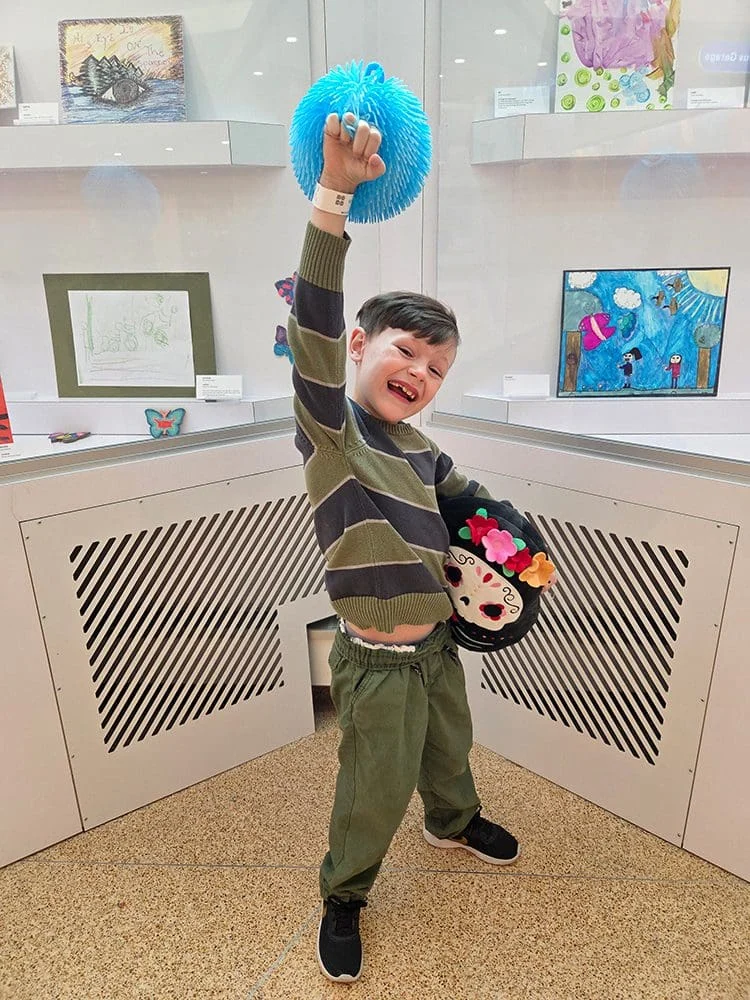
The observance of National Cancer Survivors Month this June has brought renewed focus to the funding gaps in pediatric oncology, as advocacy groups launch ambitious campaigns to support the next generation of medical researchers. Central to these efforts is a mission to raise $37,500 by the end of the month—a sum specifically designated to fund a "Young Investigator" for a six-month period. This initiative underscores a shifting paradigm in cancer care: the transition from focusing solely on survival rates to ensuring that pediatric patients can thrive long-term without the debilitating side effects of traditional treatments.
The urgency of this funding is exemplified by the case of Elias, an eight-year-old survivor of a rare and aggressive form of leukemia. His journey from a sudden diagnosis at age three to his official entry into a long-term survivorship program in April 2025 serves as a primary case study for the efficacy of clinical trials and the necessity of targeted research.
The Clinical Challenge: Understanding Acute Megakaryoblastic Leukemia
Elias’s medical history began with the appearance of atypical bruising, a common but often overlooked early indicator of hematologic malignancies. Upon clinical evaluation at a specialized children’s hospital, he was diagnosed with Acute Megakaryoblastic Leukemia (AMKL). AMKL is a highly specific subtype of Acute Myeloid Leukemia (AML), classified as the M7 subtype under the French-American-British (FAB) system.
In the pediatric population, AMKL is notably rare, accounting for approximately 1% to 2% of all childhood leukemia cases. While it is frequently associated with children who have Down syndrome—where the prognosis is generally favorable—non-Down syndrome pediatric AMKL, like Elias’s case, is historically associated with a more aggressive disease course and poorer outcomes. Traditional treatment protocols for AML often involve intensive chemotherapy and, in some instances, bone marrow transplantation. However, these "gold standard" treatments are notorious for their "late effects," which can include cardiotoxicity, secondary malignancies, and cognitive impairments.
For Elias, the standard of care was bypassed in favor of a clinical trial. This decision was driven by the medical team’s objective to utilize a promising new AML treatment designed to achieve remission while minimizing long-term physiological damage. The success of this intervention highlights the critical role of clinical trials in establishing new benchmarks for pediatric care.
A Chronology of Treatment and Resilience
The timeline of Elias’s treatment illustrates the grueling nature of pediatric oncology and the resilience required of both the patient and the caregivers.
Diagnosis and Immediate Intervention (Age 3): Following the discovery of systemic bruising, Elias was admitted to the hospital within 24 hours of his initial pediatric visit. Treatment for AMKL began one week later, marking the start of a multi-phase chemotherapy regimen.
The Period of Hospitalization (Months 1–8): Due to the intensive nature of the chemotherapy, Elias’s immune system was severely compromised, a state known as profound neutropenia. This necessitated an eight-month continuous stay in the hospital to manage the risk of opportunistic infections. During this period, Elias suffered from severe mucositis—an inflammation of the mucous membranes that often results in painful ulcers throughout the digestive tract. The severity of his condition required the administration of morphine to manage pain levels and facilitate sleep.
The "Mayor of 9B" and Hospital Culture: Despite the physical toll of treatment and the added isolation caused by COVID-19 safety protocols—which prohibited outside visitors—Elias became a central figure in the pediatric oncology ward, specifically floor 9B. His interactions with staff and other patients became a documented part of his recovery process. He was known for mobilizing other children to use the sunroom and assisting maintenance staff, a psychological resilience that many clinicians argue is vital to patient outcomes during prolonged isolation.
Completion of Treatment and Discharge: Elias’s discharge from the hospital was marked by a symbolic gesture from the facility’s maintenance lead, Charles. Elias, who had developed a fascination with the hospital’s industrial cleaning equipment, was permitted to ride the hospital "zamboni" out of the building, signaling the end of his acute treatment phase.
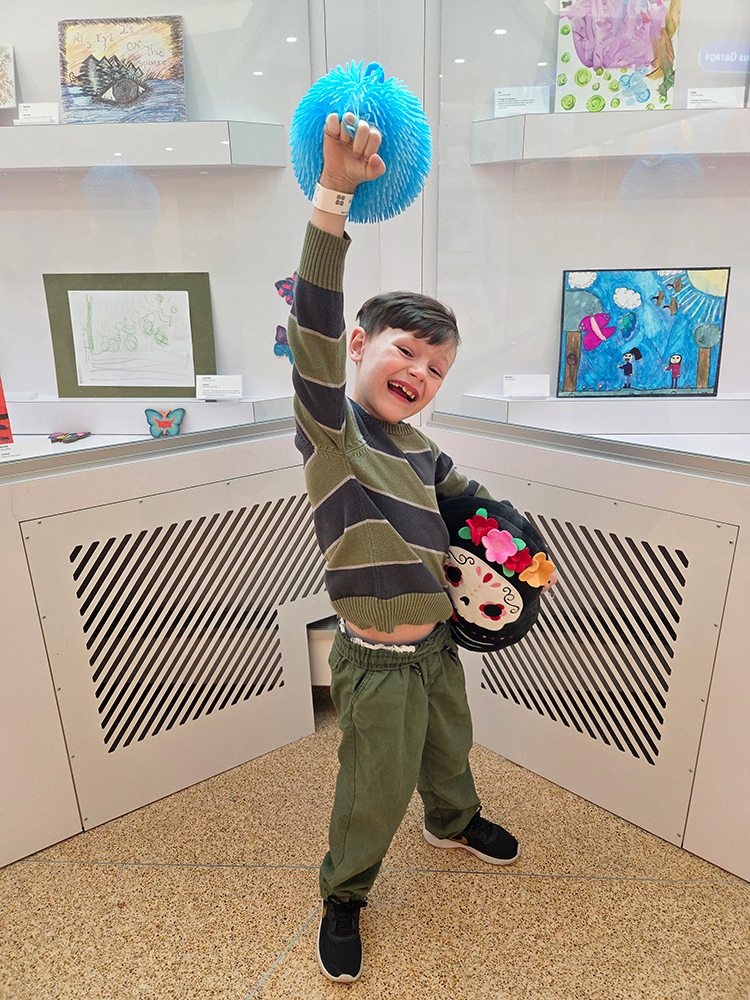
Survivorship Program Entry (April 2025): On April 21, 2025, Elias officially transitioned into a survivorship program. This milestone is significant as it indicates that the patient has remained in remission for a duration that allows for a shift in focus toward long-term monitoring rather than active cancer treatment.
Supporting Data: The Funding Gap in Pediatric Oncology
While stories like Elias’s offer hope, the broader landscape of pediatric cancer research is fraught with financial hurdles. According to data from the National Cancer Institute (NCI), only about 4% of the federal budget for cancer research is specifically allocated to childhood cancers. This disparity places a heavy burden on private foundations and individual donors to bridge the gap.
The $37,500 goal set for this June is aimed at supporting "Young Investigators." In the scientific community, Young Investigators are typically early-career researchers—post-doctoral fellows or junior faculty—who bring innovative, high-risk, high-reward ideas to the table. These researchers often struggle to secure large-scale federal grants, which tend to favor established scientists with decades of preliminary data. By providing seed funding for these individuals, organizations aim to catalyze breakthroughs in "bold" research that could lead to the next generation of clinical trials.
The importance of this funding is reflected in the survival statistics. While the five-year survival rate for all childhood cancers has risen to over 80% in recent decades, the quality of that survival remains a major concern. Research indicates that by the age of 50, more than 99% of childhood cancer survivors will have a chronic health problem, and 96% will have a severe or life-threatening condition related to their previous treatment.
Official Responses and Implications for Future Care
Medical professionals and patient advocates emphasize that the success of Elias’s clinical trial is not just a personal victory but a proof of concept for precision medicine. Dr. Brittany (the mother’s namesake in the narrative, representing the caregiver’s perspective) noted the profound gratitude for the clinical trial option, highlighting that Elias’s heart—a primary concern for many chemotherapy regimens—remains in "perfect" condition as he approaches his eighth birthday.
"Every child diagnosed with cancer deserves not just to survive, but to thrive," stated representatives from the funding campaign. "By funding more bold, innovative research like that of our Young Investigators, we can turn that vision into reality."
The implications of these findings suggest a three-pronged future for pediatric oncology:
- Reduction of Toxicity: A move away from systemic "carpet-bombing" chemotherapy toward targeted therapies that spare healthy organs, particularly the heart and brain.
- Expansion of Clinical Trial Access: Ensuring that rare subtypes of leukemia, such as AMKL, have dedicated trials that are accessible to patients outside of major metropolitan research hubs.
- Formalized Survivorship Infrastructure: As the population of childhood cancer survivors grows, the medical community must expand programs that monitor for late effects, providing a continuum of care that lasts into adulthood.
Conclusion: The Road Ahead
As Elias celebrates his eighth birthday on June 11, his story remains a testament to the power of medical research and the resilience of the human spirit. However, the objective of National Cancer Survivors Month is to remind the public that his outcome is not yet the universal standard.
The pursuit of $37,500 to fund a single researcher for six months is a small part of a global effort to revolutionize pediatric care. For children like Elias, who now dreams of becoming an engineer or a nurse, the research funded today is the foundation for the lives they will lead tomorrow. The transition from the "Mayor of 9B" to a healthy, active eight-year-old is a journey made possible by the intersection of clinical bravery, philanthropic support, and scientific innovation.
The mission continues through the end of June, with the goal of ensuring that the "survivor" label is synonymous with a life of health, creativity, and opportunity, free from the shadows of the treatments that saved them.
