
 By Budi Oetomo Narendra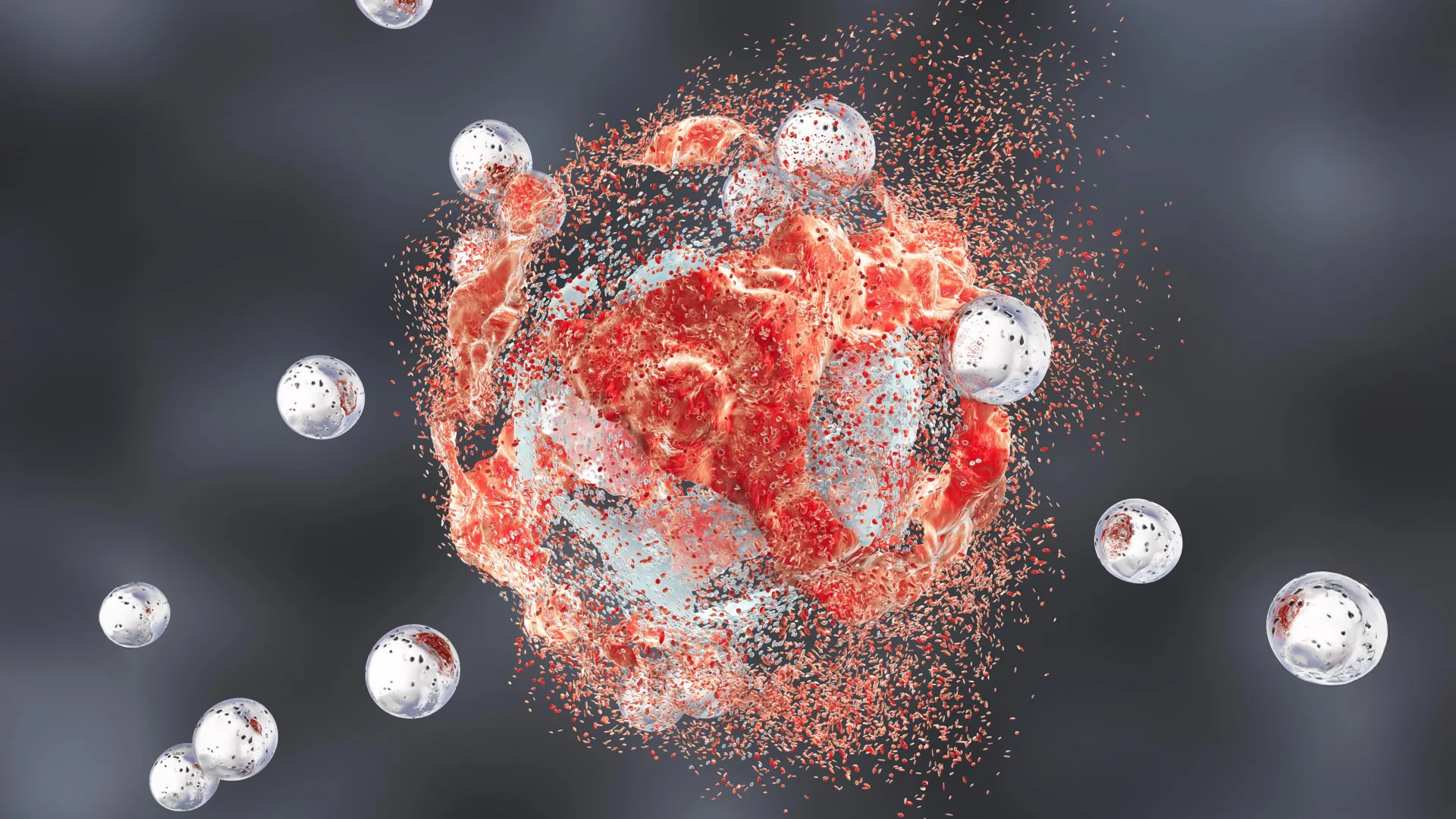
In a significant advancement for oncology, scientists have unveiled a novel therapeutic approach utilizing ultrasmall fluorescent core-shell silica nanoparticles, dubbed Cornell Prime dots (C’ dots), that demonstrated remarkable efficacy in preclinical models of aggressive prostate cancer. This innovative strategy not only induces direct tumor-cell death but also orchestrates a profound transformation of the tumor’s immune microenvironment, shifting it from an immune-resistant "cold" state to an immune-active "hot" state. The findings, published on June 15 in Cancer Research, a journal of the American Association for Cancer Research, offer compelling evidence that this dual-action mechanism could pave the way for a new clinical paradigm in cancer treatment, particularly for prostate cancer, where durable responses to existing immunotherapies have historically been challenging.
The study, a culmination of a long-standing collaboration between Weill Cornell Medicine and the Cornell Duffield College of Engineering, showcased several complete tumor remissions in mouse models, fueling optimism for eventual human clinical trials. This breakthrough represents a convergence of materials science and oncology, leveraging the unique properties of amorphous silica – a naturally occurring form of silicon dioxide found in various foods and the fossilized remains of microscopic organisms – to engineer highly targeted and therapeutically potent nanoparticles.
The Dual-Action Mechanism: A Novel Strategy Against Prostate Cancer
The C’ dots, originally conceived and developed to enhance medical imaging capabilities, have already progressed into late-stage clinical trials for image-guided surgery and other diagnostic applications. This prior development history provides a crucial foundation regarding their safety and biocompatibility, factors that are paramount for any new therapeutic agent. However, recent investigations have unearthed an unexpected, yet profoundly impactful, therapeutic property: the ability of these particles to selectively damage cancer cells while largely sparing healthy tissues.
In the detailed preclinical study, researchers observed that the C’ dots attacked prostate cancer through at least two distinct, yet synergistic, pathways. Firstly, they rendered tumor cells highly susceptible to a specialized form of programmed cell death known as ferroptosis. Secondly, and equally critically, they profoundly re-engineered the immune landscape within and around the tumor, making it more amenable to immune attack.
Dr. Michelle Bradbury, the Endowed Professor of Imaging Research in Radiology and director of the Molecular Imaging Innovations Institute at Weill Cornell Medicine, and a neuroradiologist at NewYork-Presbyterian/Weill Cornell Medical Center, highlighted the significance of these findings. "We’re very encouraged by these results; a treatment that directly induces tumor-cell death while transforming the immune microenvironment, as this does, would represent a new clinical paradigm," she stated, underscoring the potential for a comprehensive approach to cancer therapy.
Understanding Ferroptosis: A Targeted Cellular Demise
One of the most intriguing discoveries of the study centered on the induction of ferroptosis within tumor cells. Ferroptosis is a distinct form of regulated cell death characterized by overwhelming lipid peroxidation and iron-dependent reactive oxygen species accumulation. Unlike apoptosis, another common form of programmed cell death, ferroptosis is driven by an intense oxidative stress that damages critical cellular components, particularly the fatty molecules that constitute cell membranes, ultimately leading to cellular breakdown.
While the precise molecular mechanisms by which C’ dots trigger ferroptosis are still under investigation, the research team has put forth a compelling hypothesis. The nanoparticles, initially engineered to carry imaging agents, appear to possess an affinity for positively charged iron ions circulating in the bloodstream. They act as microscopic transporters, ferrying these iron ions directly into the tumor cells. Once inside, this localized surge of iron can fuel the intense oxidation that is the hallmark of ferroptosis, effectively turning the tumor’s own metabolic vulnerabilities against it. Cancer cells often exhibit altered iron metabolism and are frequently under increased oxidative stress, making them potentially more susceptible to ferroptosis compared to healthy cells. This inherent vulnerability of cancer cells provides a therapeutic window that the C’ dots exploit.
Reawakening the Immune System: From ‘Cold’ to ‘Hot’ Tumors
Beyond their direct cytotoxic effects, the nanoparticles demonstrated an equally vital role in reshaping the immune environment surrounding the cancer. Many advanced cancers, including prostate cancer, are characterized by an immunosuppressive tumor microenvironment, often referred to as a "cold" tumor. In such environments, immune cells, particularly T cells and macrophages, are either excluded from the tumor or rendered inactive, effectively allowing the cancer to evade immune surveillance and destruction. This resistance to immune attack is a major hurdle for current immunotherapies.
The C’ dots, however, were observed to dramatically alter this landscape. The researchers noted a distinct shift in the behavior of T cells, macrophages, and other critical immune cells within the tumor microenvironment. These cells transitioned from inactive or immune-suppressing states into active, cancer-fighting phenotypes. This "reprogramming" of the immune system effectively transformed the "cold" tumors into "hot" ones, making them far more susceptible to immune attack.
Crucially, this immune remodeling also rendered the tumors significantly more responsive to approved immunotherapy drugs, specifically immune checkpoint blockade therapies. Immune checkpoint inhibitors work by unleashing the immune system’s natural ability to recognize and destroy cancer cells, but their effectiveness is often limited in "cold" tumors. By creating a "hot" immune environment, the C’ dots could potentially unlock the full therapeutic potential of these existing immunotherapies. Furthermore, the nanoparticles were found to disrupt metabolic processes across various cell types within the tumor microenvironment, providing an additional layer of tumor growth inhibition.
Prostate Cancer: A Persistent Challenge and the Need for Innovation
Prostate cancer remains a formidable public health challenge globally. According to the American Cancer Society, it is the second most common cancer in men worldwide, after skin cancer. In the United States alone, over 288,000 new cases are projected for 2024, with more than 34,000 deaths. While early-stage prostate cancer often has a good prognosis, advanced or metastatic prostate cancer, particularly aggressive forms, presents significant treatment difficulties.
Current treatment modalities for prostate cancer include surgery, radiation therapy, hormone therapy (androgen deprivation therapy), chemotherapy, and increasingly, immunotherapy. However, hormone therapy often leads to resistance, and while immune checkpoint inhibitors have revolutionized the treatment of several cancers, their efficacy in prostate cancer has been more limited, with only a subset of patients experiencing durable responses. This is largely attributed to the immunosuppressive "cold" nature of many prostate tumors. The development of therapies that can overcome this immune resistance is therefore a critical unmet need.
The C’ dots approach, with its capacity to both directly kill tumor cells and convert "cold" tumors into "hot" ones, directly addresses these challenges, offering a glimmer of hope for patients with aggressive and treatment-resistant prostate cancer.
The Evolution of C’ dots: From Imaging to Targeted Therapy
The journey of C’ dots from a diagnostic tool to a potent therapeutic agent highlights the serendipitous nature of scientific discovery and the power of interdisciplinary collaboration. Dr. Ulrich Wiesner, the Spencer T. Olin Professor in the Department of Materials Science and Engineering and a professor in the Department of Design Tech in the College of Architecture, Art, and Planning, co-corresponding author on the study, has been instrumental in the development of these ultrasmall silica nanoparticles.
Originally, these nanoparticles were meticulously designed for their excellent fluorescent properties and biocompatibility, making them ideal candidates for high-resolution medical imaging. Their ultrasmall size allows them to navigate biological barriers effectively, and their silica core provides a stable platform for carrying various payloads, including imaging agents. The fact that they have already advanced into late-stage clinical trials for imaging applications speaks volumes about their established safety profile and manufacturability, significantly de-risking their transition into therapeutic applications.
"It seems unreal — how is it possible that rather than a single pathway we see all these effects happening simultaneously and only in tumors and not in healthy tissues?" Dr. Wiesner remarked, expressing his wonder at the multi-faceted therapeutic effects observed. He pondered the deeper connection of ultrasmall silica to biology, given its ubiquitous presence in the environment and various foods. This perspective underscores a fascinating hypothesis: that the body might possess inherent mechanisms to interact with such common natural compounds, which these engineered nanoparticles are now exploiting for therapeutic gain.
To ensure the therapeutic payload reached its intended target, the research team ingeniously functionalized the C’ dots with a targeting molecule that specifically recognizes PSMA (prostate-specific membrane antigen), a protein abundantly expressed on the surface of prostate tumor cells. This precise targeting mechanism is crucial for minimizing off-target effects and maximizing therapeutic delivery to the cancerous tissue. While some transient accumulation of particles was noted in organs like the spleen, the study reported no signs of toxicity outside the tumors, reinforcing the potential safety profile of this targeted delivery system.
Compelling Preclinical Results: The Power of Combination Therapy
The most striking and clinically relevant findings emerged from the survival studies conducted on mice afflicted with aggressive prostate cancer. When administered as a monotherapy, both the C’ dots alone and immunotherapy alone demonstrated modest improvements in survival compared to untreated control groups. However, the true power of this approach was unleashed when the nanoparticles were combined with an immune checkpoint blockade therapy. This combination yielded complete or nearly complete remissions and indefinite survival in four out of ten mice, a significant outcome for such an aggressive cancer model.
Further enhancing the therapeutic effect, the addition of a third treatment, a CSF-1R blockade, which specifically targets tumor-associated macrophages known for their immunosuppressive roles, further increased the number of complete remissions to five out of ten mice. This sequential escalation of efficacy with combination therapies strongly suggests that the C’ dots are not merely an adjunct but a foundational component in building a highly effective multi-pronged attack against cancer.
"We think there’s nothing else out there that has such a strong and durable tumor growth suppressing effect," Dr. Bradbury affirmed, highlighting the unprecedented efficacy observed in their studies.
Dr. Jedd Wolchok, the Meyer Director of the Sandra and Edward Meyer Cancer Center, professor of medicine at Weill Cornell Medicine, director of the Parker Institute for Cancer Immunotherapy at Weill Cornell Medicine Meyer Cancer Center, and an oncologist at NewYork-Presbyterian/Weill Cornell Medical Center, emphasized the broader implications for immunotherapy. "One of the most intriguing aspects of this work is the convergence of direct tumor cell killing with broad immune remodeling," he noted. "By creating conditions that support a more effective antitumor immune response, these particles may help unlock the full potential of immunotherapy in prostate cancer, where durable responses have historically been difficult to achieve." His statement underscores the critical role of C’ dots in overcoming a key limitation of current immunotherapies for prostate cancer.
The Path Forward: From Bench to Bedside
The successful preclinical outcomes lay a robust foundation for the next crucial step: evaluating the safety and effectiveness of this treatment in human clinical trials. The research team is actively continuing to investigate these ultrasmall core-shell silica particles, exploring their potential as a new class of cancer therapies capable of simultaneously influencing inflammatory, immune, and metabolic pathways.
Dr. Bradbury duly recognized the immense collaborative effort that brought this research to fruition, acknowledging the pivotal contributions of the study’s co-first authors, Drs. Nabil Siddiqui, Li Zhang, and Gabriel DeLeon, who spearheaded many of the biological, mechanistic, and translational studies. She also extended appreciation to graduate students Nada Naguib and Rachel Lee from Dr. Wiesner’s laboratory, whose meticulous synthesis and characterization of the nanoparticles were indispensable to the project’s success. "This study reflects years of collaborative effort across multiple laboratories and would not have been possible without the dedication, creativity and perseverance of this tremendous research team that helped drive the science forward," she concluded.
Both Dr. Michelle Bradbury and Dr. Ulrich Wiesner are inventors on patents related to the groundbreaking technology described in this study, underscoring the intellectual property and potential for future clinical translation. The research received substantial financial backing from various prestigious organizations, including the Department of Defense (PC220534); the National Cancer Institute, part of the National Institutes of Health, through grant numbers R01CA253658, R01CA243085, U54CA199081, the Cancer Center Support Grant (P30 CA008748), and Cycle for Survival/Parker Institute funding. This diverse funding portfolio highlights the broad recognition of the project’s scientific merit and clinical potential.
The prospect of a therapeutic agent that can directly destroy cancer cells, re-engineer the tumor’s immune environment, and enhance the efficacy of existing immunotherapies represents a monumental leap in cancer research. As these C’ dots progress towards human clinical trials, they carry the promise of offering new hope and potentially life-extending options for patients battling aggressive prostate cancer and, perhaps, other challenging malignancies in the future.
