
 By Suherman Candra Maholtra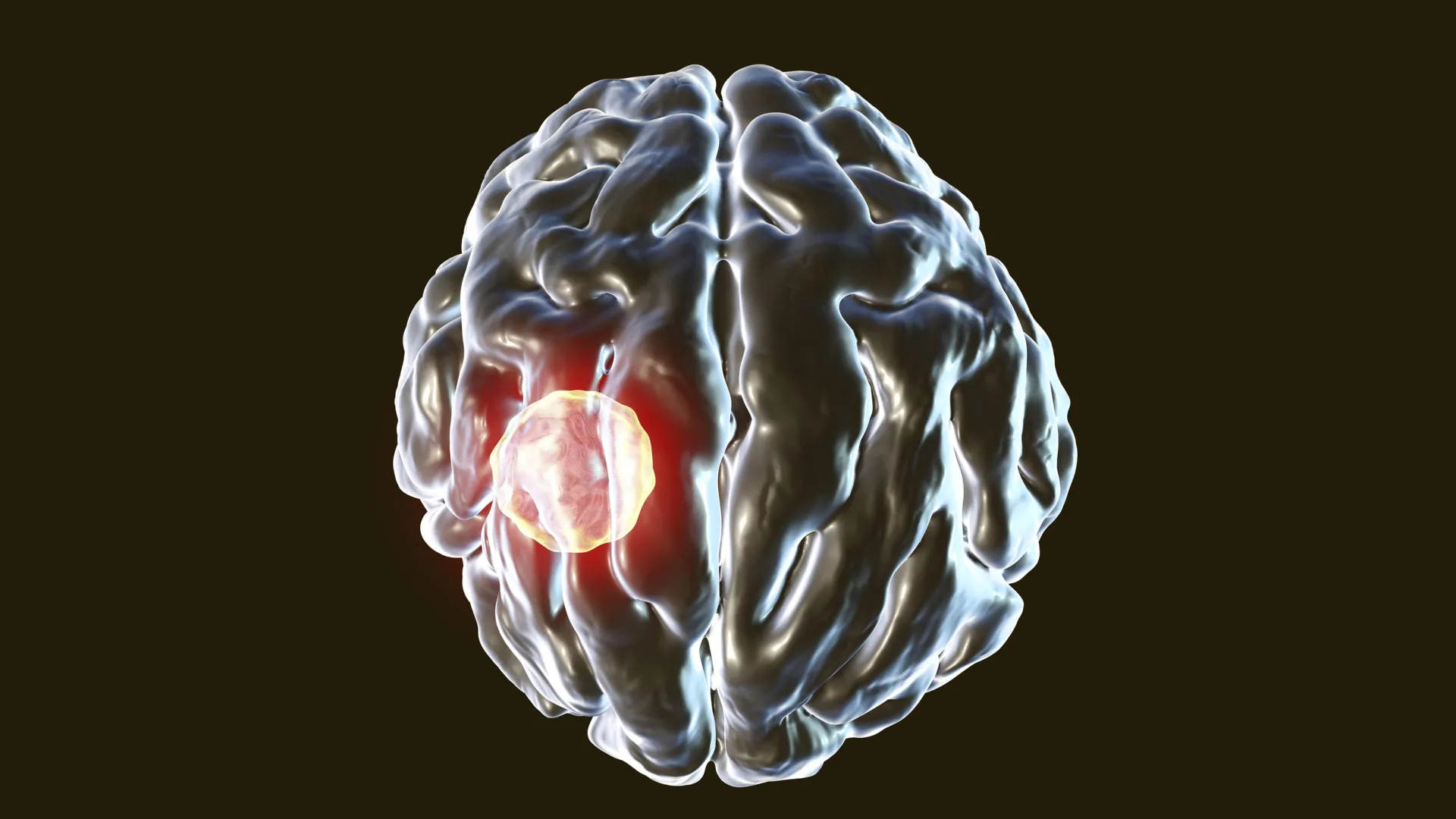
The human immune system is often characterized as a sophisticated surveillance network, deploying specialized cells to hunt and destroy foreign invaders. However, some pathogens have evolved the ability to turn these defenders into unsuspecting hosts. New research from the University of Virginia School of Medicine has shed light on a critical survival mechanism involving Toxoplasma gondii, a parasite that infects nearly one-third of the global population. The study, led by Tajie Harris, PhD, reveals that the body maintains control over this persistent brain parasite through a process of cellular self-sacrifice, mediated by a specific enzyme known as caspase-8. By forcing infected immune cells to undergo programmed death, the body effectively denies the parasite the environment it needs to survive and replicate, providing a vital safeguard for the central nervous system.
The Biological Profile of Toxoplasma gondii
Toxoplasma gondii is an obligate intracellular protozoan parasite, meaning it cannot complete its life cycle or reproduce outside of a host cell. While it can infect almost any warm-blooded animal, its definitive hosts—the only animals in which it can reproduce sexually—are members of the Felidae family, specifically domestic and wild cats. Humans typically become accidental hosts through the ingestion of oocysts found in soil or water contaminated by cat feces, or by consuming undercooked meat containing tissue cysts.
Once inside the human body, the parasite undergoes a rapid transformation. In its tachyzoite stage, it spreads through the bloodstream, capable of invading nearly any nucleated cell. While the immune system eventually clears most of these active invaders, some transform into bradyzoites, forming slow-growing cysts in muscle and brain tissue. These cysts can remain dormant for the lifetime of the host, often without causing noticeable symptoms. This state of chronic infection is managed by a robust immune response, primarily driven by T cells. However, when the immune system is compromised—such as in patients with HIV/AIDS, those undergoing chemotherapy, or organ transplant recipients—the parasite can reactivate, leading to toxoplasmic encephalitis, a life-threatening inflammation of the brain.
The Role of CD8+ T Cells in Neuro-immunology
The UVA Health study focused specifically on CD8+ T cells, often referred to as "killer" T cells. These cells are the elite infantry of the immune system, programmed to recognize and destroy cells that have been compromised by viruses or intracellular parasites. Traditionally, scientists believed that CD8+ T cells controlled Toxoplasma gondii by secreting signaling molecules like interferon-gamma, which activates other immune cells, or by directly killing infected cells through the release of cytotoxic granules.
However, the research team at the University of Virginia’s Center for Brain Immunology and Glia (BIG Center) discovered a more complex dynamic. They found that Toxoplasma gondii is capable of infecting the very CD8+ T cells tasked with its elimination. This creates a biological paradox: the defender becomes the vessel for the enemy. To counter this, the immune system has evolved a "fail-safe" mechanism. If a CD8+ T cell detects that it has been infiltrated by the parasite, it can opt to undergo a form of programmed cell death. Because the parasite requires a living host cell to thrive, the death of the T cell effectively terminates the parasite’s lifecycle within that cell.
Discovery of the Caspase-8 Mechanism
The cornerstone of this defense mechanism is an enzyme called caspase-8. In the field of molecular biology, caspases are known as the "executioner" proteins because they are responsible for carrying out the process of apoptosis, or programmed cell death. Dr. Harris and her colleagues hypothesized that caspase-8 might be the trigger for T-cell self-destruction during a Toxoplasma infection.
To test this, the researchers utilized mouse models, comparing standard mice with a group genetically engineered to lack caspase-8 specifically within their T cells. Both groups were exposed to Toxoplasma gondii. Initially, both sets of mice appeared to mount a strong immune response, producing the necessary T cells to fight the infection. However, as the infection progressed, a stark divergence emerged.
The mice lacking caspase-8 were unable to control the parasite’s spread in the brain. Despite having an abundance of T cells, these cells were being hijacked by the parasite. Without the ability to self-destruct via the caspase-8 pathway, the infected T cells became "Trojan horses," allowing the parasite to persist and multiply within the immune system’s own ranks. These mice quickly developed severe neurological symptoms and died. In contrast, the control mice, whose T cells possessed functional caspase-8, remained healthy, with the parasite levels in their brains kept at manageable, non-lethal levels.
Chronology and Development of the Research
The study, recently published in the journal Science Advances, represents the culmination of years of investigation into neuro-inflammation. The timeline of the research reflects a growing interest in how the brain—an organ once thought to be "immunologically privileged" or isolated from the immune system—interacts with systemic pathogens.
- Phase I: Hypothesis Generation (2018-2019): The team began investigating why certain intracellular pathogens are rarely found within T cells. They noted that while HIV and certain other viruses target T cells, many parasites seem to avoid them.
- Phase II: Experimental Design (2020-2021): The researchers developed the specific mouse models required to isolate the function of caspase-8 in CD8+ T cells. This required precise genetic targeting to ensure that only the T cells were deficient in the enzyme, leaving other immune functions intact.
- Phase III: Data Collection and Brain Imaging (2022-2023): Using advanced imaging techniques, the team analyzed brain tissue from the infected models. They observed that in the absence of caspase-8, T cells were not only failing to kill the parasite but were actively harboring it.
- Phase IV: Peer Review and Publication (2024): The findings were validated through the peer-review process, confirming that caspase-8 is a "non-canonical" but essential regulator of the immune response to Toxoplasma.
Supporting Data and Statistical Context
The significance of this research is underscored by the prevalence of Toxoplasma gondii. According to the Centers for Disease Control and Prevention (CDC), more than 40 million people in the United States alone carry the parasite. While the U.S. infection rate is estimated at 11%, in some parts of the world, such as Western Europe and South America, the prevalence exceeds 60%.
The UVA study provides a statistical basis for understanding why immunocompromised individuals are so vulnerable. In the absence of effective T-cell regulation—whether through low T-cell counts (as in HIV) or impaired enzymatic pathways (as explored in the study)—the parasite’s replication rate in the brain increases exponentially. In the mouse models lacking caspase-8, the concentration of Toxoplasma in the brain was significantly higher—often by several orders of magnitude—compared to the healthy control group. This data suggests that even if a patient has a high number of T cells, those cells are ineffective or even counterproductive if the caspase-8 pathway is inhibited.
Broader Implications for Medicine and Public Health
The discovery of the caspase-8 "self-destruct" mechanism has implications that extend beyond toxoplasmosis. It provides a new framework for understanding how the body defends the brain against other intracellular threats.
Treatment for Immunocompromised Patients
Currently, treatments for toxoplasmosis involve antiparasitic drugs like pyrimethamine and sulfadiazine. While effective at killing the active tachyzoite stage, these drugs do not eliminate the dormant cysts in the brain. By understanding the role of caspase-8, researchers may be able to develop therapies that bolster this natural defense mechanism, perhaps through drugs that mimic the enzyme’s signaling or prevent the parasite from interfering with cellular death pathways.
Insights into Other Pathogens
The UVA team noted that very few pathogens are known to successfully inhabit T cells for long periods. "Now, we think we know why," stated Dr. Harris. "Caspase-8 leads to T cell death. The only pathogens that can live in CD8+ T cells have developed ways to mess with Caspase-8 function." This insight could lead to breakthroughs in treating other infections where T cells are targeted, such as certain viral hemorrhagic fevers or persistent bacterial infections.
Neuro-immunology and Chronic Disease
There is a growing body of evidence linking chronic Toxoplasma infection to various neurological and psychiatric conditions, including schizophrenia and bipolar disorder. While the parasite is often considered "asymptomatic" in healthy adults, the subtle inflammatory response required to keep the parasite in check might have long-term effects on brain health. Understanding how the immune system manages this lifelong "stalemate" is crucial for long-term geriatric and psychiatric care.
Official Responses and Scientific Impact
The research was conducted by a diverse team at UVA, including Lydia A. Sibley, Maureen N. Cowan, and several other specialists in neuroscience and immunology. The scientific community has reacted with interest to the study’s findings regarding the "non-canonical" role of caspase-8. Traditionally, caspase-8 was viewed primarily as a mediator of extrinsic apoptosis. The UVA study expands its role to that of a primary gatekeeper of the central nervous system’s integrity during parasitic invasion.
Funding for this research was provided by the National Institutes of Health (NIH) through various grants, reflecting the high priority placed on understanding neuro-infectious diseases. The University of Virginia’s Strategic Investment Fund also supported the project, highlighting the institutional commitment to pioneering research in the BIG Center.
Conclusion: A New Frontier in Brain Defense
The work of Tajie Harris and her team at UVA Health has fundamentally altered the understanding of how the brain is protected from one of the world’s most successful parasites. By demonstrating that CD8+ T cells utilize a caspase-8-mediated "suicide mission" to prevent the spread of Toxoplasma gondii, the researchers have identified a critical vulnerability in the parasite’s strategy.
As medical science continues to explore the intersections of the immune system and the brain, these findings offer a roadmap for new therapeutic interventions. In the ongoing evolutionary battle between host and parasite, the ability of a single immune cell to choose death over infection remains one of the body’s most potent—and now, better understood—defenses. This research not only explains the resilience of the healthy human brain against Toxoplasma but also provides hope for those whose immune systems can no longer fight the battle on their own.
