
 By Budi Oetomo Narendra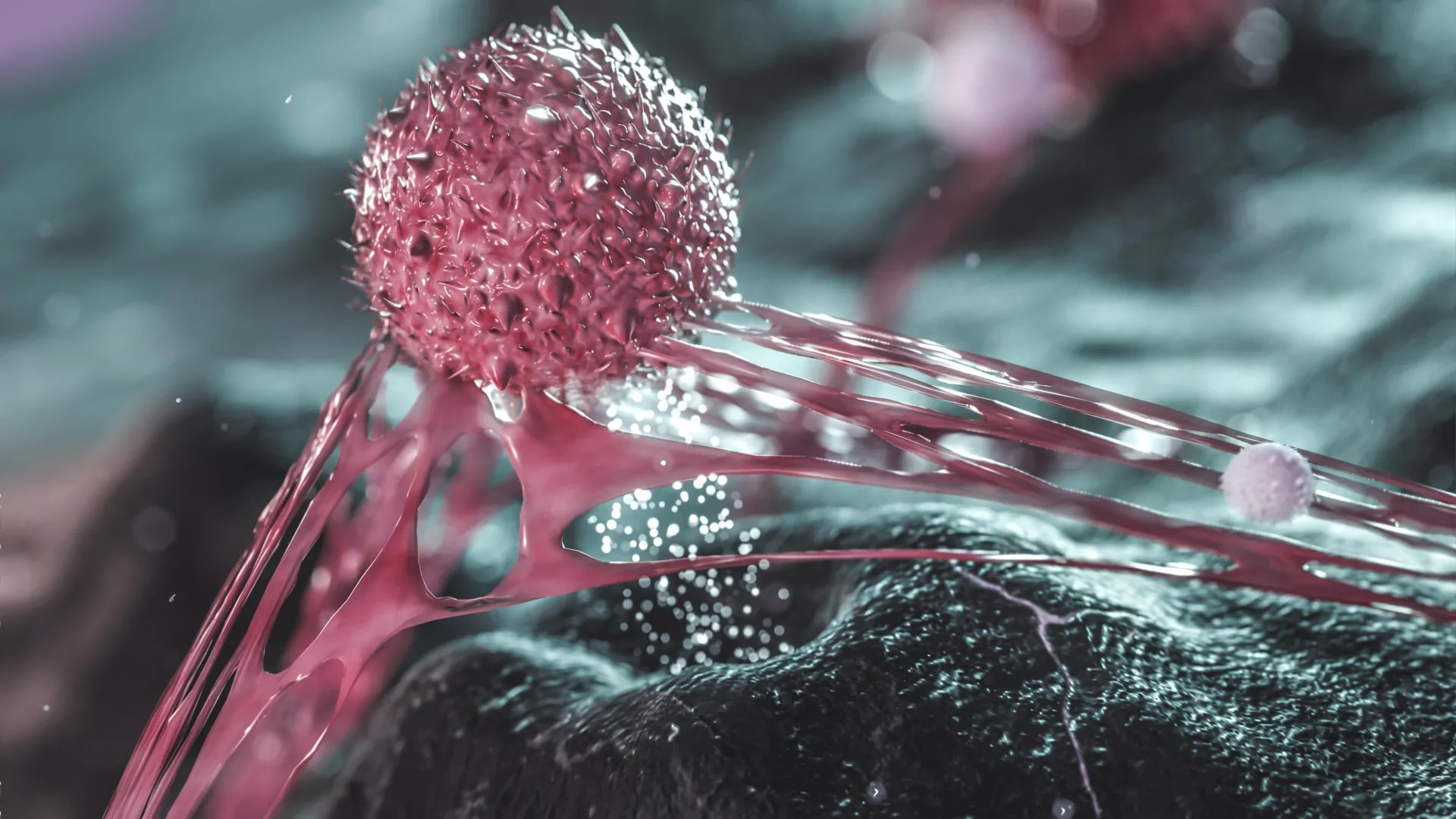
The groundbreaking research from The Wistar Institute marks a significant stride in understanding the complex mechanisms driving cancer recurrence and metastasis, particularly in the context of ovarian cancer. This discovery illuminates a previously unrecognized role for a common dietary component, fructose, in orchestrating the post-treatment behavior of malignant cells. The study posits that these treatment-surviving cancer cells, though no longer actively dividing, remain biologically potent, acting as silent orchestrators of future disease progression by releasing chemical messages, among which fructose is a key player. This revelation challenges conventional understanding of residual disease and opens new avenues for therapeutic intervention and patient management.
Understanding Ovarian Cancer: A Persistent Challenge
Ovarian cancer remains one of the most lethal gynecological cancers globally. According to the American Cancer Society, it ranks fifth in cancer deaths among women, accounting for more deaths than any other cancer of the female reproductive system. A critical challenge in treating ovarian cancer lies in its late diagnosis; often, the disease is not detected until it has advanced to later stages, making effective treatment more difficult. The standard course of treatment typically involves surgery followed by platinum-based chemotherapy. While initial response rates to chemotherapy are often robust, with many patients achieving remission, the vast majority—approximately 70-80%—experience a recurrence. This recurrence is frequently accompanied by metastasis, the spread of cancer cells to other parts of the body, primarily within the abdominal cavity. Metastasis is the primary cause of death in about 90% of cancer patients, highlighting the urgent need to understand and disrupt the mechanisms that drive it.
For decades, researchers have grappled with the enigma of why ovarian cancer so often returns and spreads despite seemingly successful initial treatment. The prevailing hypothesis has been that a small population of resilient cancer cells, often referred to as "persister cells" or "chemo-survivors," manage to evade the cytotoxic effects of chemotherapy. These cells were believed to harbor properties that enable them to initiate new tumor growth. However, the exact nature of their post-chemotherapy activity and their communication with other cells has remained largely obscure until now.
The Wistar Institute Study: Unveiling a Novel Mechanism
The research team, led by Katherine Aird, Ph.D., Professor and Co-Leader of the Molecular and Cellular Oncogenesis Program at The Wistar Institute, and senior author of the study, embarked on an ambitious project to decipher the elusive signals emanating from chemotherapy-surviving cells. Their approach involved isolating these persistent cells and meticulously analyzing the molecules they released into their microenvironment.
Aidan Cole, Ph.D., a postdoctoral fellow in Dr. Aird’s lab and the study’s first author, articulated the core observation: "Some cancer cells that survive chemotherapy aren’t dividing anymore, but they’re still biologically active. Instead, they continue to release molecules that send signals to nearby cells. Our study is among the first to show that a nutrient—in this case, fructose—can act as one of those signals." This statement underscores a paradigm shift, moving beyond the simple notion of dormant cells to an understanding of their active role in intercellular communication.
To test their hypothesis, Cole and his colleagues devised an elegant experiment. They collected the molecular secretions from chemotherapy-surviving cells and then exposed a separate batch of untreated cancer cells to these collected substances. Remarkably, these released molecules alone were sufficient to significantly enhance the recipient cancer cells’ migratory and invasive capabilities—hallmarks of metastatic potential. This finding was crucial, demonstrating that the molecules, rather than the surviving cells themselves, were the primary drivers of increased spread. Dr. Cole emphasized the novelty of this preclinical model: "As far as we know, this is the first time anyone has shown, in a preclinical model rather than just a dish, that it’s the molecules these cells release—not the cells themselves—that drive the cancer’s spread." This distinction is vital for translational research, as preclinical models offer a more robust representation of in vivo biological processes compared to in vitro cell culture studies.
Fructose as a Signaling Molecule: A Surprising Discovery
The next critical step for the Wistar team was to identify the specific substance or substances within this complex molecular mixture that were responsible for promoting cancer spread. Through rigorous analysis, they pinpointed fructose as a key signaling molecule produced and released by the chemotherapy-surviving ovarian cancer cells. This discovery was particularly surprising given fructose’s primary role as a readily available energy source and its common presence in the human diet.
The researchers demonstrated that fructose, when released by these persister cells, acted as a direct signal, encouraging neighboring cancer cells to acquire metastatic properties. This mechanism suggests a sophisticated form of communication within the tumor microenvironment, where surviving cells can effectively "educate" or "prime" other cells for dissemination.
Dietary Fructose and Cancer Progression: A Public Health Dimension
Beyond the intricate cellular signaling, the study uncovered an even more profound implication: the potential influence of dietary fructose on cancer progression. The team found that high amounts of dietary fructose, administered at levels comparable to those found in typical sugary drinks, could independently promote cancer spread even in the absence of chemotherapy. This finding introduces a critical, modifiable lifestyle factor into the equation of cancer risk and progression.
The relevance of this finding is amplified by the widespread consumption of fructose in the United States and many other parts of the world. High-fructose corn syrup (HFCS), a ubiquitous sweetener in processed foods and beverages, contributes significantly to daily caloric intake for a substantial portion of the population. Estimates suggest that in some individuals, HFCS can account for approximately 8-20% of their daily calorie intake. This pervasive presence of fructose in the modern diet raises serious questions about its long-term health consequences, particularly in the context of cancer.
Unlike many non-modifiable risk factors for cancer, such as genetics or age, dietary fructose intake is entirely within an individual’s control. This modifiable aspect presents a compelling, albeit currently unproven, opportunity for intervention. While the researchers caution that clinical trials are needed to ascertain whether reducing fructose consumption directly improves patient outcomes, the preclinical data strongly suggest that nutritional habits may play a previously overlooked and significant role in shaping cancer’s trajectory. This finding aligns with a growing body of research exploring the intricate connections between diet, metabolism, and cancer, highlighting the importance of a holistic approach to disease management and prevention. Public health bodies and dietary guideline committees may eventually need to consider these findings as they refine recommendations for cancer prevention and survivorship.
The Cholesterol Connection: How Fructose Fuels Spread
To fully understand how fructose enhances cancer cells’ metastatic potential, the Wistar team delved into the underlying molecular mechanisms. Utilizing a suite of advanced analytical methods, including a CRISPR screen—a powerful gene-editing tool that allows researchers to systematically disable genes and observe the effects—they uncovered a crucial link: fructose lowers cholesterol production inside neighboring cancer cells.
Cholesterol, often associated with cardiovascular health, plays a vital structural role within cell membranes. It acts like a biological glue, maintaining the integrity and adhesion of cells to one another. When cholesterol levels within cells decline, these intercellular bonds weaken, making it easier for cancer cells to detach from the primary tumor mass. Once detached, these cells are more prone to migration and invasion, enabling them to escape the original tumor site and colonize distant organs.
This mechanism provides a compelling explanation for how a seemingly innocuous nutrient can fundamentally alter the physical behavior of tumor cells, increasing their fluidity and capacity for escape. The disruption of cellular adhesion, a process known as epithelial-mesenchymal transition (EMT) in many cancers, is a well-established prerequisite for metastasis. The Wistar study now adds fructose-mediated cholesterol reduction as a novel pathway influencing this critical metastatic step.
Implications for Statins and Chemotherapy: A Complex Interplay
The discovery that reduced cholesterol production facilitates cancer spread has significant, and somewhat paradoxical, clinical implications, particularly concerning statins. Statins are a class of drugs widely prescribed to lower cholesterol levels, primarily to prevent cardiovascular disease. In the United States alone, approximately 39 million people use statins.
The study found that statins, when administered alone, weakened the connections between cancer cells and made them more susceptible to escape, mirroring the effect observed with fructose. This raises a critical question: could cholesterol-lowering drugs, while beneficial for cardiovascular health, potentially interfere with the efficacy of chemotherapy or even promote metastasis in certain cancer contexts?
Dr. Aird underscored this complex issue: "We haven’t tested this effect in patients yet, but it raises questions about combining cholesterol-lowering drugs with chemotherapy, especially since ovarian cancer is most common in postmenopausal women who are often already on statins." This statement highlights a dilemma for clinicians, particularly given that ovarian cancer predominantly affects older women who are more likely to be on statin therapy for age-related cardiovascular risks.
The researchers were quick to emphasize that these findings are preclinical and do not, at this stage, warrant any changes to prescribed medication regimens. Patients should absolutely not discontinue statins or any other prescribed drugs without consulting their healthcare providers. Instead, these findings necessitate further rigorous clinical investigation to understand the nuanced interplay between statin use, cholesterol metabolism, and cancer outcomes in human patients. This area of research could lead to personalized treatment strategies, where a patient’s concurrent medications and metabolic profile are carefully considered in their oncology care plan.
Broader Horizon: Beyond Ovarian Cancer
The Wistar team’s ambition extends beyond ovarian cancer. They are actively exploring whether the same fructose-related pathway could play a role in other malignancies, particularly those that commonly spread within the torso.
"We think other cancers that spread within the torso—pancreatic, colon, liver—could behave similarly. We can’t call it universal yet, but we think the effects are not just limited to ovarian cancer," stated Dr. Aird. This hypothesis is well-founded, given that many solid tumors share common metabolic adaptations and metastatic pathways. The metabolic reprogramming of cancer cells, including their reliance on specific nutrients like glucose and fructose, is a burgeoning field of oncology research. If this fructose-mediated mechanism proves to be generalizable, it could unlock a broader understanding of metastasis across various cancer types and inform more expansive therapeutic strategies. Dr. Aird and Dr. Cole have already initiated follow-up studies to investigate the reproducibility of these results in other cancer models.
Future Research and Clinical Considerations
The study published in Nature Aging represents a pivotal moment in cancer research, drawing a direct line from a common dietary sugar to a critical process in aggressive cancer spread. While the findings are currently based on preclinical models, they lay a robust foundation for future translational research.
The immediate next steps involve:
- Clinical Validation: Designing and conducting clinical trials to assess the impact of dietary fructose reduction on ovarian cancer recurrence and progression in human patients.
- Statin Interaction Studies: Further investigations into the precise interactions between statins, chemotherapy, and cancer cell behavior in patient cohorts. This could involve retrospective analyses of existing patient data or prospective clinical trials.
- Mechanism Elucidation: Deeper dives into the molecular signaling pathways downstream of fructose and upstream of cholesterol reduction, potentially revealing new therapeutic targets.
- Biomarker Identification: Searching for biomarkers that could identify patients whose cancers are particularly sensitive to fructose or whose metastatic risk is heightened by specific metabolic profiles.
These findings highlight the increasing recognition of nutrition as a critical component of cancer care and prevention. While definitive dietary guidelines based solely on this study are premature, the research reinforces the general health benefits of a balanced diet low in added sugars. For cancer patients and survivors, discussions with oncologists and registered dietitians about personalized nutritional strategies may become even more pertinent in light of such discoveries.
Funding and Collaboration: A Testament to Scientific Effort
The comprehensive nature of this research was made possible by extensive collaboration and significant funding support. Co-authors from institutions including the University of Pittsburgh School of Medicine, Lewis Katz School of Medicine at Temple University, H. Lee Moffitt Cancer Center & Research Institute, University of Colorado Boulder, Ludwig Institute for Cancer Research, and University of Colorado Anschutz Medical Campus contributed their diverse expertise.
The work received crucial financial backing from numerous organizations, including the National Institutes of Health (NIH), American Cancer Society, Ovarian Cancer Research Alliance, Congressionally Directed Medical Research Program, HERA Ovarian Cancer Foundation, Melanoma Research Foundation, Janet Burroughs Ovarian Cancer Foundation, Silicon Valley Community Foundation Chan Zuckerberg Initiative DAF, UPMC Hillman Cancer Center, and The Wistar Institute itself. This broad base of support underscores the scientific community’s recognition of the study’s potential impact and its commitment to unraveling the complexities of cancer.
In conclusion, The Wistar Institute’s study presents a compelling case for a novel link between dietary fructose and ovarian cancer metastasis. By identifying fructose as a critical signaling molecule released by chemotherapy-surviving cells, and by elucidating its mechanism through cholesterol reduction and weakened cell adhesion, the research has opened doors to new therapeutic strategies and emphasized the often-underestimated role of nutrition in cancer progression. As further research unfolds, these findings hold the promise of transforming how we approach the prevention and treatment of aggressive cancers.
