
 By admin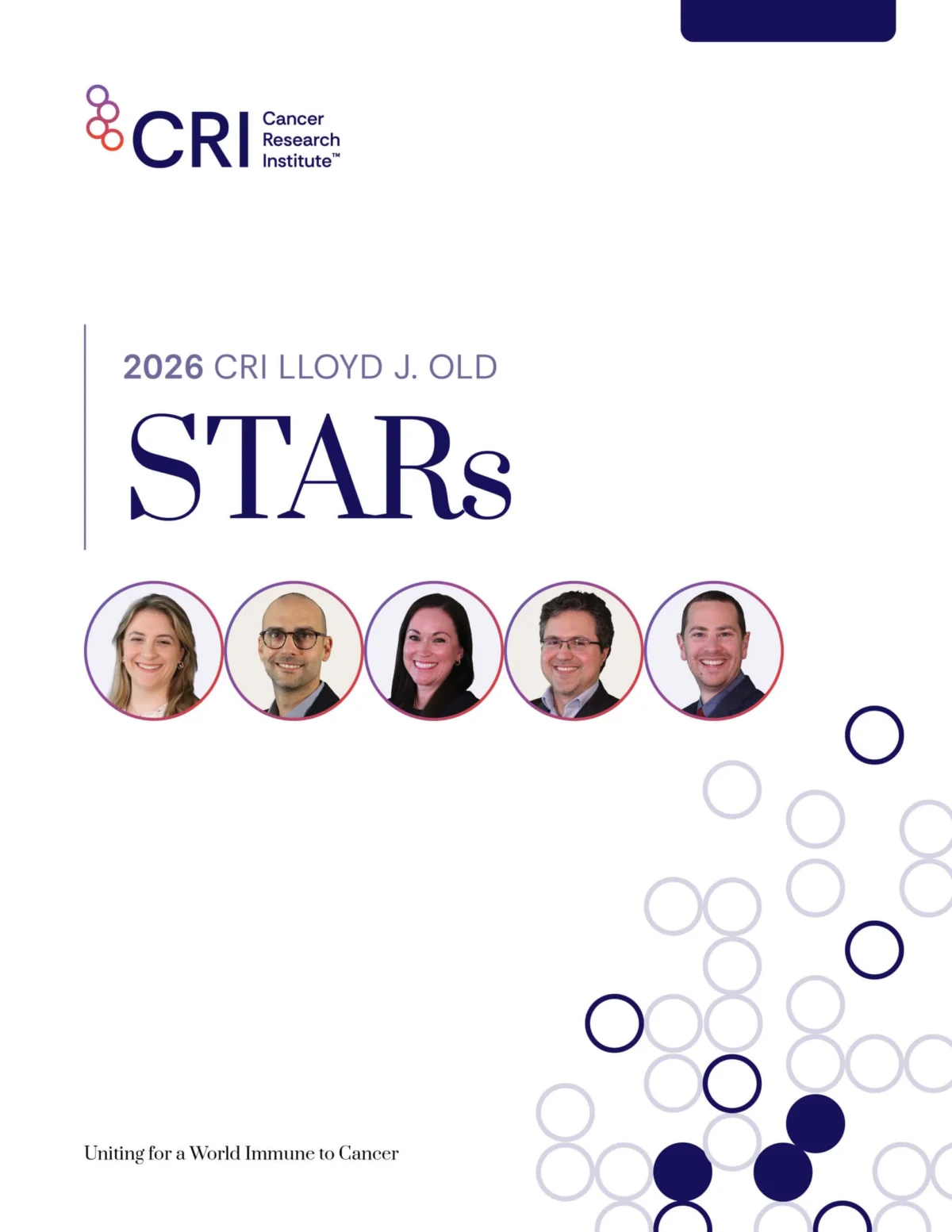
The Cancer Research Institute (CRI) has proudly unveiled its 2026 class of Lloyd J. Old STARs—Scientists TAking Risks—identifying five leading scientific minds poised to redefine the landscape of cancer immunotherapy. Each distinguished awardee will receive an unprecedented $1.25 million in flexible funding over five years, a strategic investment designed to empower them in pursuing audacious, high-risk, high-reward projects with the potential to fundamentally revolutionize cancer treatment and patient outcomes worldwide. This initiative underscores CRI’s enduring commitment to fostering groundbreaking research by supporting exceptional individuals whose work is deemed capable of shifting scientific paradigms.
The Lloyd J. Old STAR Program: A Catalyst for Breakthroughs
At its core, the Lloyd J. Old STAR program is an embodiment of CRI’s long-standing philosophy: to identify and support individuals who possess the vision and courage to push the boundaries of scientific inquiry. Unlike many traditional grant mechanisms that tether funding to a highly specific, predefined research project, the STAR grants are awarded based on the overall quality, creativity, and promise of an outstanding researcher’s entire body of work and future potential. This unrestricted funding model is crucial for fostering innovation, allowing scientists the freedom to pivot, explore unexpected findings, and pursue truly novel avenues that might not fit conventional grant proposals.
The program is named in honor of Dr. Lloyd J. Old (1933-2011), widely recognized as the "father of modern cancer immunology." Dr. Old’s pioneering work laid much of the foundation for today’s immunotherapy breakthroughs. His relentless pursuit of understanding the immune system’s interaction with cancer, often against prevailing scientific dogma, exemplifies the very spirit of "taking risks" that the STAR program seeks to perpetuate. By associating the program with his name, CRI not only pays tribute to his indelible legacy but also inspires current and future generations of researchers to emulate his fearless approach to scientific discovery. The flexible nature of the funding mirrors the iterative and often unpredictable path of true scientific exploration, providing a robust safety net for investigators venturing into uncharted territory.
A Legacy of Immunotherapy Innovation: The Cancer Research Institute’s Role
The Cancer Research Institute itself boasts a storied history of identifying and nurturing the talent that has profoundly impacted the field of immunotherapy. Founded in 1953, CRI has been a consistent driving force behind some of the most significant advances in cancer immunology. For decades, when many in the scientific community doubted the immune system’s capacity to effectively combat cancer, CRI stood firm in its belief, funding foundational research that slowly but surely built the scientific evidence base. This unwavering commitment allowed critical discoveries to emerge, paving the way for the immunotherapy revolution witnessed in recent years.
CRI’s strategic investments have supported numerous luminaries whose work has transitioned from basic laboratory science to life-saving clinical applications. Many scientists who have received CRI funding early in their careers have gone on to achieve significant accolades, including Nobel Prizes, for their contributions to immunology and oncology. This track record lends significant weight to the selection of the Lloyd J. Old STARs, positioning them as individuals whose contributions are anticipated to yield similarly transformative results. The institution’s rigorous peer-review process, involving a distinguished Scientific Advisory Council comprising leading immunologists and oncologists, ensures that only the most promising and impactful researchers are chosen for such prestigious awards.
The Immunotherapy Revolution: A Historical Context
The announcement of the 2026 STARs comes at a pivotal moment in cancer research, following a decade of unprecedented breakthroughs in immunotherapy. For much of the 20th century, cancer treatment primarily relied on surgery, radiation, and chemotherapy – methods that, while effective for some, often came with significant side effects and limited success against advanced or metastatic cancers. The idea of harnessing the body’s own immune system to fight cancer, though hypothesized much earlier, only began to gain significant traction in the late 20th and early 21st centuries.
Key milestones include the discovery of immune checkpoints like CTLA-4 and PD-1/PD-L1, which led to the development of checkpoint blockade therapies. These therapies, by "releasing the brakes" on the immune system, have achieved remarkable and durable responses in various cancers, including melanoma, lung cancer, and kidney cancer, where traditional treatments had previously failed. The 2018 Nobel Prize in Physiology or Medicine awarded to James P. Allison and Tasuku Honjo for their independent discoveries related to these checkpoints underscored the profound impact of this research. Alongside checkpoint inhibitors, other immunotherapeutic approaches, such as CAR T-cell therapy, oncolytic viruses, and cancer vaccines, have also shown immense promise, expanding the arsenal against cancer. The STAR program seeks to accelerate this revolution by funding the next wave of disruptive ideas.
The Urgency of Cancer Research: Global Health Imperatives
The continued investment in high-risk, high-reward cancer research remains a global health imperative. According to the World Health Organization (WHO) and the International Agency for Research on Cancer (IARC), cancer is a leading cause of death worldwide, accounting for nearly 10 million deaths in 2020. The global cancer burden is projected to rise significantly in the coming decades due to population growth, aging, and changes in lifestyle factors. Beyond the devastating human cost, cancer also imposes an immense economic burden, including healthcare expenditures, lost productivity, and informal care costs, estimated to be trillions of dollars annually.
Despite the progress in immunotherapy, a significant number of cancers still do not respond to existing treatments, or patients develop resistance over time. Many rare cancers also lack dedicated research and effective therapies. This underscores the critical need for continued, innovative research to understand resistance mechanisms, identify new therapeutic targets, develop more effective combination strategies, and extend the benefits of immunotherapy to a broader spectrum of patients and cancer types. The STAR program directly addresses this urgency by investing in the foundational science that could unlock these next-generation solutions.
Identifying the Next Generation of Leaders: Strategic Investment in Talent
The selection process for the Lloyd J. Old STARs is meticulously designed to identify researchers who are not only conducting exceptional science but are also poised to become the future architects of the field. Dr. E. John Wherry, PhD, Associate Director of CRI’s Scientific Advisory Council, articulated this strategic focus, stating, "These are people who are hitting their stride scientifically and career-wise, and this is where you really want to put some jet fuel in the tank." This statement highlights the program’s aim to provide substantial, flexible resources at a critical juncture in a scientist’s career, enabling them to capitalize on their momentum and amplify their impact.
Echoing this sentiment, Dr. Elizabeth Jaffee, MD, also an Associate Director of the Council, emphasized, "We’re picking people who are really our next leaders in the field of immunotherapy." This forward-looking perspective suggests that the STAR awardees are not merely researchers conducting excellent work, but individuals demonstrating exceptional leadership potential, capable of shaping scientific discourse, mentoring future generations, and driving the overall direction of cancer immunology. The financial freedom afforded by the $1.25 million grant allows these leaders to pursue bold new directions, establish new laboratories, attract top talent, and tackle complex problems that require sustained, unconstrained investigation.
Profiles of Visionary Scientists and Their Potential Impact
While the specific research projects of the 2026 Lloyd J. Old STARs are not detailed in the initial announcement, the program’s emphasis on "Scientists Taking Risks" provides insight into the nature of their potential contributions. These five individuals are likely exploring frontiers such as:
- Overcoming Treatment Resistance: Investigating the complex mechanisms by which tumors evade immune surveillance and immunotherapy, leading to the development of novel strategies to re-sensitize resistant cancers.
- Novel Immune Targets and Pathways: Identifying entirely new molecules or cellular pathways within the immune system that can be modulated to enhance anti-tumor responses.
- Artificial Intelligence and Machine Learning in Immunotherapy: Leveraging advanced computational methods to analyze vast datasets, predict patient responses, discover biomarkers, and design personalized treatment regimens.
- Advanced Cell Therapies: Developing next-generation CAR T-cells, NK-cell therapies, or other engineered immune cells with improved specificity, persistence, and safety profiles.
- Microbiome and Immunotherapy: Exploring the intricate relationship between the gut microbiome and immune responses to cancer, potentially leading to microbiome-modulating therapies that enhance treatment efficacy.
- Preventive Immunotherapy: Research into vaccines or other immune-modulating strategies to prevent cancer recurrence or even primary cancer development in high-risk populations.
The diversity of potential research areas reflects the multifaceted nature of cancer and the immune system. By supporting these varied approaches, CRI aims to cast a wide net, increasing the probability of discovering breakthrough solutions that address different facets of the disease. The institutional support for such high-impact research also serves as a beacon, attracting further talent and investment into the broader field of cancer immunology.
Beyond the Lab: Broader Implications for Patients and Healthcare
The implications of the Lloyd J. Old STAR program extend far beyond the confines of research laboratories. The insights and discoveries generated by these five scientists have the potential to profoundly impact patient care globally. Success in their high-risk endeavors could translate into:
- New Therapeutic Modalities: Leading to the development of entirely new classes of drugs or cell-based therapies for cancers that are currently untreatable.
- Improved Efficacy and Durability: Enhancing the effectiveness and long-term remission rates of existing immunotherapies, making them beneficial for a larger percentage of patients.
- Reduced Side Effects: Developing more precise immunotherapies that specifically target cancer cells while minimizing damage to healthy tissues, thereby improving patient quality of life.
- Personalized Medicine: Advancing the ability to tailor treatments based on an individual patient’s unique tumor biology and immune profile, leading to more effective and less toxic interventions.
- Enhanced Diagnostics and Biomarkers: Discovering new ways to identify patients most likely to respond to specific immunotherapies, or to detect cancer earlier.
These advancements would not only alleviate suffering and extend lives but also contribute to a more sustainable healthcare system by offering more effective, and potentially more curative, treatment options. The ripple effect of such foundational research is immense, influencing clinical trial design, pharmaceutical development, and global health policies.
Funding the Future: The Economic and Societal Returns of High-Risk Research
Investing in high-risk, fundamental scientific research, such as that supported by the Lloyd J. Old STAR program, represents a crucial long-term investment in public health and economic prosperity. While immediate returns are not guaranteed, historical precedent demonstrates that such ventures often yield exponential societal and economic benefits. Breakthroughs in cancer treatment can significantly reduce healthcare costs associated with chronic disease management, increase workforce productivity by allowing patients to live longer and healthier lives, and spur innovation in the biotechnology and pharmaceutical sectors.
The flexible, substantial funding provided by CRI allows these scientists to pursue ideas that might be deemed too speculative by more conventional funding bodies. This "venture capital" approach to science is essential for fostering true innovation, as many revolutionary discoveries initially faced skepticism. By providing "jet fuel" to scientists at a critical stage, CRI is not just funding projects; it is investing in the intellectual capital that will drive the next wave of medical advancements. The program reinforces the idea that sustained, strategic philanthropic support for basic science is indispensable for addressing humanity’s most pressing health challenges.
Looking Ahead: The Horizon of Immunotherapy
The announcement of the 2026 Lloyd J. Old STARs signals a vibrant and dynamic future for cancer immunotherapy. As these five visionary scientists embark on their high-stakes research, the global scientific community and patient advocacy groups will undoubtedly watch their progress with keen interest. The Cancer Research Institute’s commitment to supporting "Scientists Taking Risks" ensures that the field of immunotherapy will continue to be a fertile ground for discovery, pushing the boundaries of what is possible in the fight against cancer. With continued dedication to bold inquiry and strategic investment in exceptional talent, the promise of a future where cancer is no longer a death sentence moves ever closer to reality.
