
 By admin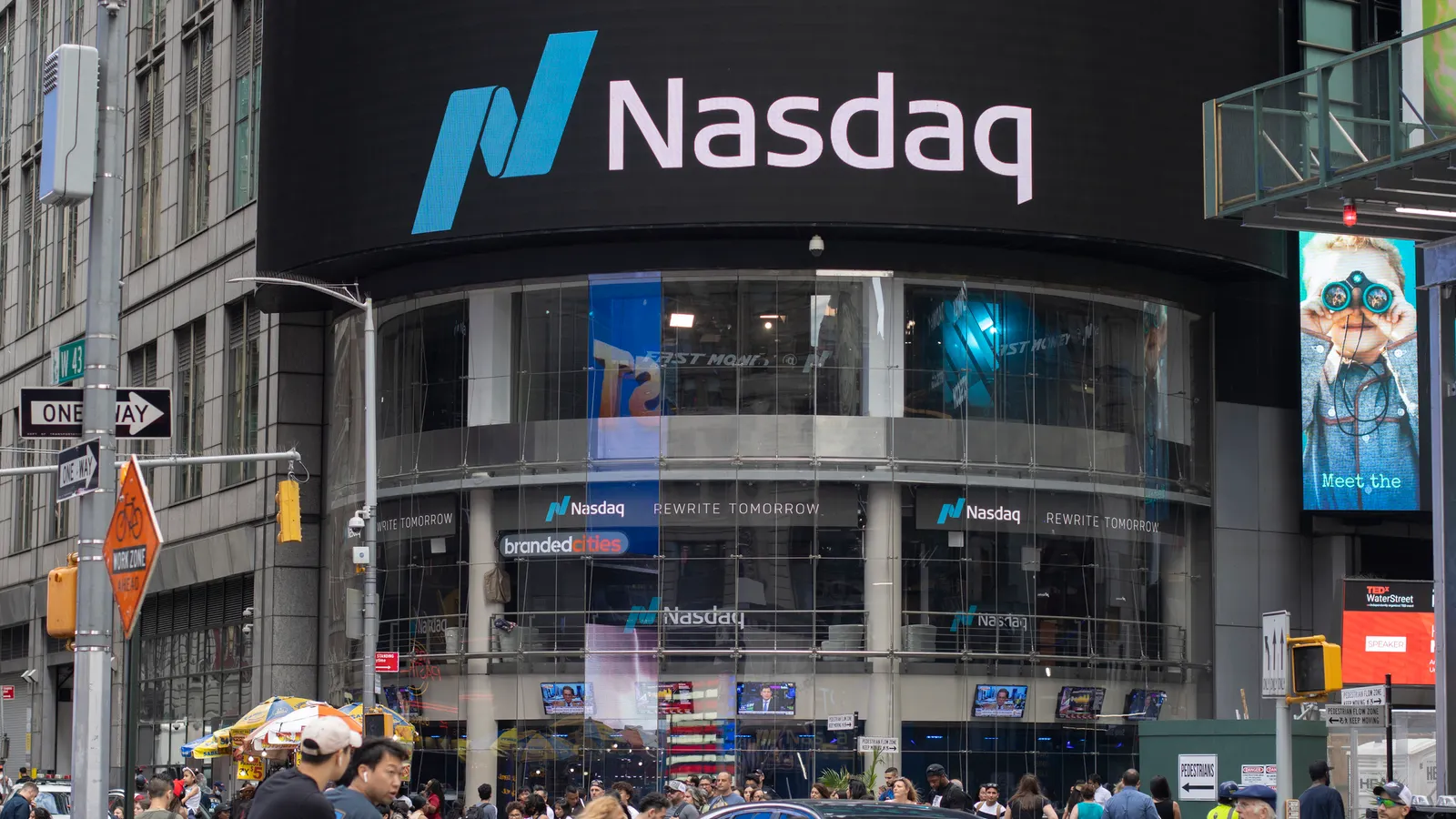
Attovia Therapeutics, a burgeoning biotechnology firm focused on innovative antibody-drug technologies for skin disorders and inflammatory conditions, has successfully completed an upsized initial public offering (IPO), raising a substantial $289 million. This significant capital injection underscores a powerful resurgence in the biopharma IPO market, with Attovia becoming the twelfth drug company this year alone to secure at least $250 million through its public debut, a figure that rivals the sector’s peak performance observed during the pandemic. The successful offering, which saw the company’s shares begin trading on the Nasdaq stock exchange under the ticker symbol “ATTO” on August 5, 2026, not only provides a crucial financial runway for Attovia’s ambitious research and development pipeline but also signals a renewed investor confidence in groundbreaking biotechnological ventures.
The California-based startup sold 17 million shares at $17 apiece, exceeding its initial projections by a remarkable 45% and valuing the company at an impressive $767 million. This robust demand from investors highlights a strong appetite for companies developing novel therapeutic approaches, particularly in areas with significant unmet medical needs. Attovia’s strategic focus on harnessing a new kind of antibody-drug technology, known as "Attobody" technology, positions it at the forefront of precision medicine, aiming to tackle challenging biological targets that have historically been difficult to address with conventional antibody platforms. The proceeds from this IPO are earmarked to accelerate the development of its diverse portfolio of experimental treatments, which includes a lead candidate currently in Phase 1 clinical testing and several other preclinical prospects.
The Genesis of Innovation: Attovia’s Attobody Technology
Attovia Therapeutics was founded in 2023 as a strategic spinout from Alamar Biosciences, a company renowned for its pioneering work in protein analysis and novel antibody development. The strategic separation allowed Attovia to dedicate its resources and expertise specifically to the therapeutic application of Alamar’s proprietary “Attobody” technology. This advanced platform is designed to engineer antibodies with unique properties, promising enhanced binding capabilities to complex or previously inaccessible biological targets.
Traditional monoclonal antibodies, while revolutionary in medicine, often face limitations in terms of size, tissue penetration, and binding affinity to certain epitopes. The "Attobody" technology aims to overcome these challenges by developing smaller, more potent antibody fragments or novel structural formats that can achieve superior target engagement. This could translate into several critical advantages for drug development, including improved specificity, reduced off-target effects, better distribution within tissues, and potentially more durable therapeutic responses. For patients, this could mean more effective treatments with fewer side effects, particularly for chronic conditions requiring long-term management.

Prior to its public offering, Attovia had already attracted significant private investment, raising approximately $256 million in venture funding. This early capital infusion was instrumental in establishing its research infrastructure, assembling a world-class scientific team, and advancing its lead programs into preclinical and early clinical stages. The transition from a privately funded venture to a publicly traded entity marks a critical inflection point, providing the substantial capital required for the costly and lengthy process of clinical drug development.
A Deep Dive into Attovia’s Therapeutic Pipeline
Attovia’s pipeline is strategically focused on addressing a range of dermatological and inflammatory conditions, areas characterized by significant patient burden and a continuous need for more effective and targeted therapies. The company’s innovative "Attobody" technology is being applied across multiple programs, each designed to tackle specific disease pathways.
The most advanced candidate in Attovia’s portfolio is ATTO-1310, an experimental drug currently undergoing Phase 1 clinical testing. This treatment is specifically designed to target Interleukin-31 (IL-31), a cytokine that Attovia aptly terms the "itch cytokine" due to its well-established role in mediating pruritus (itching). The ongoing early-stage trial is evaluating ATTO-1310 in patients suffering from chronic pruritus and "high-itch" eczema, conditions that severely impact quality of life and often prove refractory to existing treatments. Beyond these initial indications, Attovia is also planning studies to assess ATTO-1310’s efficacy against itching associated with chronic kidney and liver diseases, expanding its potential reach. The company envisions a "pan-pruritic disease regulatory development path" for patients with elevated levels of IL-31, suggesting a broad applicability for this therapy across various itch-related disorders. This strategy allows for a wider patient population and potentially faster regulatory pathways by focusing on a common underlying mechanism.
In addition to ATTO-1310, Attovia boasts two other promising drug candidates nearing human testing:
-
ATTO-2306: This dual-acting therapeutic targets both IL-31 and another key inflammatory cytokine, Interleukin-13 (IL-13). IL-13 is a central player in type 2 inflammation, a pathway implicated in various allergic and inflammatory conditions, including eczema (atopic dermatitis) and chronic spontaneous urticaria (CSU), commonly known as chronic hives. By simultaneously modulating both IL-31 and IL-13, ATTO-2306 aims to provide a more comprehensive therapeutic effect for inflammatory skin conditions, potentially offering superior efficacy compared to single-target approaches. The combination strategy could address multiple facets of disease pathology, leading to better outcomes for patients.

-
ATTO-1091: This is a triple-acting drug candidate designed for the treatment of inflammatory bowel disease (IBD), a group of chronic, debilitating conditions including Crohn’s disease and ulcerative colitis. Among its multiple targets, ATTO-1091 includes TL1A (TNF-like ligand 1A), a protein that has garnered significant interest across the pharmaceutical industry. TL1A plays a crucial role in regulating immune responses and is strongly implicated in the pathogenesis of IBD. The competitive landscape for TL1A-targeting therapies is intensifying, with several major drugmakers, including Merck & Co., Roche, and a partnership between Sanofi and Teva, actively pursuing similar mechanisms. Attovia’s triple-acting approach, combining TL1A modulation with other targets, could offer a differentiated therapeutic profile, potentially leading to enhanced efficacy or broader patient applicability in IBD, a disease area still in dire need of more effective and sustained remission strategies.
The depth and breadth of Attovia’s pipeline, coupled with its innovative technology platform, demonstrate a strategic approach to drug development, targeting high-value indications with differentiated mechanisms of action.
The Resurgent Biotech IPO Market: A Broader Context
Attovia’s successful IPO is not an isolated event but rather a strong indicator of a significant upswing in the broader biotechnology IPO market. The year 2026 has already witnessed a remarkable recovery, with Attovia’s offering being the 16th biotech IPO of the year. This figure has already surpassed the notably low total of 11 IPOs recorded throughout the entirety of 2025, according to BioPharma Dive data. This trend suggests a renewed investor appetite for risk and innovation within the life sciences sector.
The biotech IPO market experienced a boom during the COVID-19 pandemic, driven by intense focus on healthcare solutions, rapid vaccine development, and an influx of capital seeking high-growth opportunities. This peak was followed by a challenging period in 2021-2023, often referred to as a "biotech winter," characterized by tightening capital markets, increased interest rates, and a more cautious investor sentiment. Many promising companies found it difficult to raise capital, leading to down rounds, layoffs, and even closures.
However, 2026 appears to be turning a new leaf. Several companies have priced record-breaking offerings, and the fact that 12 firms have secured $250 million or more in their public debuts underscores a return to robust funding levels. This resurgence can be attributed to several factors:

- Scientific Breakthroughs: Continued advancements in areas like gene editing, cell therapy, mRNA technology, and novel antibody platforms are generating excitement and demonstrating real potential for transformative medicines. Investors are keen to back companies at the forefront of these innovations.
- Addressing Unmet Needs: Many of the companies going public are developing therapies for diseases with high unmet medical needs, promising significant market opportunities and potential for substantial returns.
- Stabilizing Economic Environment: A more stable macroeconomic outlook, coupled with potentially easing inflationary pressures and interest rates, makes investors more willing to allocate capital to longer-term, higher-risk ventures like drug development.
- Venture Capital Backing: A strong preceding venture capital ecosystem, which provided significant funding to these companies in their private stages, has built a pipeline of mature, de-risked assets ready for public markets.
- Strategic Exits: Successful IPOs provide venture capital firms with crucial liquidity, allowing them to reinvest in new startups and maintain the cycle of innovation.
The current environment suggests that investors are increasingly discerning, favoring companies with strong scientific platforms, validated preclinical or early clinical data, experienced management teams, and clear paths to market. Attovia, with its innovative "Attobody" technology and a pipeline targeting high-value indications, fits this profile perfectly, contributing to the overall positive sentiment.
Implications for Attovia and the Broader Biopharma Landscape
For Attovia Therapeutics, the successful IPO provides a critical financial foundation to aggressively advance its pipeline. The $289 million raised will primarily fund the costly and time-consuming clinical trials required to bring new drugs to market. This capital infusion will enable Attovia to accelerate the development of ATTO-1310 through later-stage trials, push ATTO-2306 and ATTO-1091 into human testing, and potentially expand its preclinical research efforts. It also provides the company with enhanced visibility, attracting top talent and potential strategic partners for future collaborations or licensing agreements.
From a broader industry perspective, Attovia’s IPO, alongside the success of other recent offerings, reinforces the notion that the "biotech winter" is thawing, and a period of renewed growth is underway. This positive trend encourages further investment in early-stage research, fostering innovation across the entire biopharmaceutical ecosystem. It suggests that despite the inherent risks of drug development, investors remain confident in the long-term potential of groundbreaking science to deliver significant medical and financial returns.
However, the path forward for Attovia, like all biopharmaceutical companies, remains challenging. Drug development is fraught with high attrition rates, and even promising candidates can fail in later-stage trials. The company will need to navigate complex regulatory hurdles, manage fierce competition, and effectively execute its clinical development strategy to deliver on its promise. The market will closely watch its progress, particularly the clinical data emerging from its ATTO-1310 program and the advancement of its other novel candidates.
The year 2026 appears to be a pivotal year for biopharma financing. With four more drugmakers potentially pricing offerings over the next two days, the momentum is set to continue. This renewed vigor in the public markets is a testament to the enduring belief in the power of scientific innovation to transform healthcare and improve patient lives, making Attovia Therapeutics’ successful debut a significant milestone in this unfolding narrative of recovery and progress. The capital raised will be instrumental not just for Attovia’s growth, but potentially for setting new standards in the treatment of debilitating skin and inflammatory conditions.
