
 By Budi Oetomo Narendra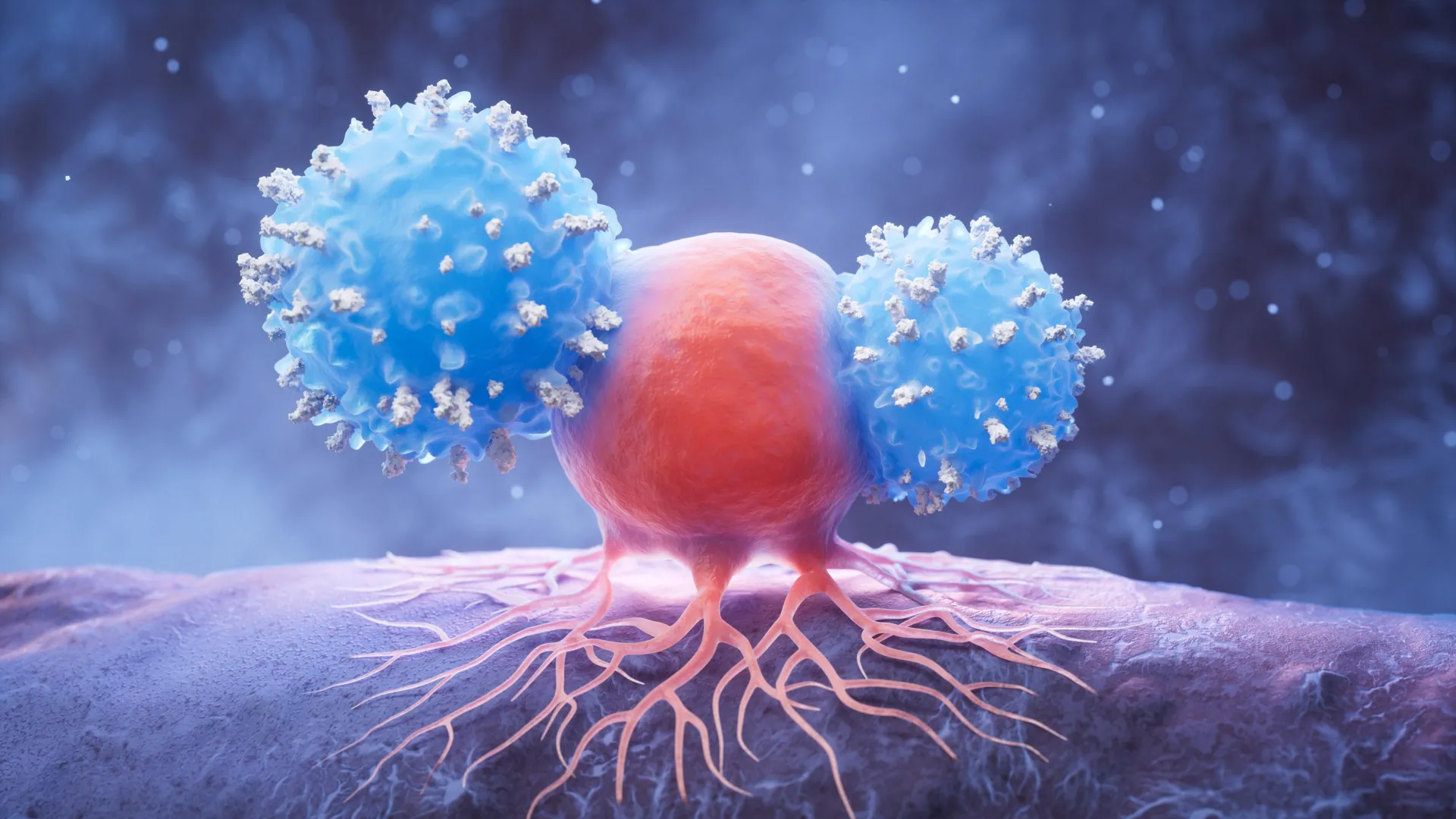
In a significant development offering a glimmer of hope against one of the most formidable cancers, researchers at the University of Calgary have reported encouraging early results from a clinical trial exploring the use of high-dose vitamin B3, or niacin, in conjunction with standard treatments for glioblastoma, an aggressive and often fatal form of brain cancer. The study, which included patient Edward Waldner, has shown an impressive 28 percent improvement in six-month progression-free survival rates compared to historical data, potentially signaling a novel therapeutic pathway for a disease that has seen little advancement in decades. This pioneering approach focuses on reawakening the body’s own immune defenses to combat the relentless tumor.
Edward Waldner’s Journey: From Subtle Symptoms to a Staggering Diagnosis
For Edward (Ed) Waldner, a 55-year-old Calgarian, the insidious onset of glioblastoma began subtly, masquerading as common age-related fatigue. For months, he experienced a pervasive sense of exhaustion that no amount of rest seemed to alleviate. This wasn’t merely tiredness; it was a profound, debilitating drain on his energy, regardless of his daily activities. Alongside this persistent fatigue, Waldner noticed peculiar changes in his gait. His heels, he recalled, would occasionally drag, a subtle yet persistent deviation from his normal stride that hinted at something deeper than mere muscle strain. These seemingly minor symptoms accumulated, a silent precursor to a life-altering diagnosis.
The turning point arrived when his symptoms intensified dramatically, prompting an urgent visit to the Emergency Department. What followed was a stark revelation that shattered the normalcy of his life. "The doctor said I had a mass on my brain and needed to see an oncologist," Waldner recounted, the gravity of those words still palpable. The subsequent diagnosis confirmed his worst fears: glioblastoma, a Grade IV astrocytoma known for its highly aggressive nature and dismal prognosis. The news was devastating, casting a long shadow over his future. Standard treatment protocols were initiated immediately, typically involving surgical removal of as much of the tumor as possible, followed by a rigorous regimen of radiation therapy and chemotherapy. However, Waldner, like many others facing this diagnosis, was acutely aware of the grim statistics: even with aggressive intervention, glioblastoma frequently recurs, often leading to a median survival of just 15 to 18 months. The initial prognosis left him feeling helpless, a sentiment he articulated powerfully: "When I left the hospital after surgery I was told, that’s it, that’s all we can do." It was in this moment of profound vulnerability that the opportunity to participate in the University of Calgary’s groundbreaking clinical trial emerged, offering not just a potential treatment, but a renewed sense of purpose and hope. "I have no problem trying to help anybody. I agreed. I want to help myself too," Waldner stated, emphasizing the dual motivation behind his decision. "I can tell you being part of this research helps me mentally because we’re trying."
The Formidable Foe: Understanding Glioblastoma
Glioblastoma multiforme (GBM) stands as the most common and deadliest primary brain cancer in adults, representing about 48% of all primary malignant brain and central nervous system tumors. Its incidence rate is approximately 2 to 3 per 100,000 adults annually. This aggressive malignancy is characterized by its rapid growth, highly invasive nature, and remarkable resistance to conventional therapies. Unlike many other cancers, glioblastoma cells possess an uncanny ability to infiltrate surrounding healthy brain tissue, making complete surgical resection virtually impossible without causing severe neurological deficits. This diffuse infiltration is a primary reason for its high recurrence rate; even after extensive surgery, microscopic tumor cells invariably remain, leading to regrowth.
For over two decades, the therapeutic landscape for glioblastoma has remained largely stagnant. The current standard of care, known as the Stupp protocol, established in 2005, combines maximal safe surgical resection with adjuvant radiotherapy and concomitant and adjuvant temozolomide chemotherapy. While this regimen has provided modest improvements in survival, extending median overall survival from approximately 12 months to 15-18 months, significant breakthroughs leading to a cure have remained elusive. The blood-brain barrier, a highly selective physiological barrier that protects the brain from circulating pathogens and toxins, also poses a substantial challenge, limiting the effective delivery of many therapeutic agents to the tumor site. This persistent lack of progress underscores the urgent need for innovative treatment strategies, making the University of Calgary’s niacin trial particularly noteworthy.
A Novel Approach: Repurposing Vitamin B3 to Reawaken Immunity
At the forefront of this promising research are Drs. Gloria Roldan Urgoiti, MD, a highly respected brain cancer specialist, and Wee Yong, PhD, a distinguished neuroscientist whose extensive work explores the intricate interplay between the immune system and the brain. Both are integral members of the Hotchkiss Brain Institute and the Arnie Charbonneau Cancer Institute at the University of Calgary’s Cumming School of Medicine (CSM), bringing together complementary expertise crucial for tackling such a complex disease. Their collaborative research program is predicated on a fascinating hypothesis: that high doses of vitamin B3, commonly known as niacin, could restore the functionality of immune cells weakened by glioblastoma, thereby enabling them to effectively target and destroy tumor cells.
Niacin is an essential nutrient vital for various metabolic processes in the body, including energy production and DNA repair. While typically consumed in dietary amounts, the researchers are exploring its therapeutic potential at significantly higher, carefully controlled doses. The scientific rationale for using niacin in this context stems from a deeper understanding of the glioblastoma tumor microenvironment. This aggressive cancer is notorious for its ability to suppress the local immune response, creating an immunosuppressive milieu that shields tumor cells from attack. This suppression involves various mechanisms, including the recruitment of immune-suppressing cells like myeloid-derived suppressor cells (MDSCs) and regulatory T cells (Tregs), and the secretion of immunosuppressive cytokines. Dr. Yong elaborates on this complex interaction: "Normally the immune system will try to counter and prevent tumor growth, however, this brain cancer suppresses the immune system." The team posits that niacin can act as an immunomodulator, essentially "rejuvenating" these compromised immune cells. By restoring their function, niacin could enable these cells to fulfill their intended role: to identify, attack, and eliminate cancer cells. "Niacin treatment rejuvenates immune cells so they can do what they are supposed to do, attack and kill the cancer cells. I see it as an ongoing ‘battle for the brain’," Dr. Yong passionately explains.
The journey from hypothesis to human trial began in Dr. Yong’s laboratory, where the team conducted rigorous pre-clinical studies using mouse models of glioblastoma. These early experiments provided compelling evidence, demonstrating that niacin administration extended survival in the treated mice. These encouraging results served as a critical foundation, validating the underlying scientific premise and paving the way for the launch of a Phase I and II clinical trial in human patients. This meticulous progression from bench to bedside underscores the scientific rigor applied to this innovative research.
The Clinical Trial: Design, Benchmarks, and Promising Early Outcomes
The University of Calgary’s clinical trial was meticulously designed as a Phase I and II study, aiming to achieve two primary objectives. Firstly, it sought to identify the highest safe and tolerable dose of controlled-release niacin when administered in combination with standard chemotherapy and radiotherapy. This Phase I component is crucial for establishing the safety profile of the investigational treatment. Secondly, the trial aimed to evaluate the potential benefits and preliminary efficacy of this combined approach. The use of a controlled-release formulation of niacin is particularly important, as it helps manage potential side effects, such as flushing, and ensures a more consistent therapeutic concentration in the body.
To objectively assess the trial’s impact, the researchers established a clear and ambitious benchmark before the study commenced. The critical metric for success was progression-free survival (PFS) at six months. The trial stipulated that if the PFS at this six-month mark did not improve by at least 20 percent compared with outcomes observed in previous, similar studies, the trial would be halted. This pre-defined stopping rule demonstrated a commitment to scientific integrity and efficient resource allocation.
The initial findings, derived from a cohort of 24 patients, have not only met but significantly exceeded this rigorous target. At the six-month assessment, an impressive 82 percent of the participants in the trial showed no signs of disease progression. This figure represents a remarkable 28 percent improvement when compared to historical data from earlier studies, where the typical six-month progression-free survival rates for glioblastoma patients receiving standard treatment hover around 54-58%. The magnitude of this improvement in such a small, early-phase study is considered highly encouraging by the research team and the broader oncology community, especially for a cancer that has long defied effective treatment and remains incurable.
Dr. Roldan Urgoiti, a clinical associate professor at the CSM, emphasized the significance of these findings within the broader context of glioblastoma research: "Glioblastoma is the most aggressive brain cancer in adults. Survival of patients with this condition hasn’t changed significantly for 20-years." She continued, "Anything that may help should be explored but it requires strict protocols and safety monitoring." Her statement highlights both the desperate need for new therapies and the imperative for cautious, evidence-based development. These promising early results have been peer-reviewed and published in the prestigious Journal of Neuro-Oncology, adding scientific validation to the team’s groundbreaking work.
Ethical Considerations, Funding, and the Road Ahead
While the initial results are undeniably exciting, the researchers are quick to issue a crucial cautionary note: the therapeutic application of high doses of vitamins, including niacin, can be toxic and may cause significant harm if not meticulously monitored by qualified medical professionals. This emphatic warning underscores the importance of patient safety and discourages any form of self-medication, reinforcing that such treatments should only be administered within the confines of a controlled clinical trial or under strict medical supervision.
The study is actively continuing, with the research team aiming to expand the participant cohort to a total of 48 individuals. They anticipate completing their final analysis after enrolling all participants by the end of 2026 or early 2027. Should these expanded results continue to demonstrate similar efficacy and safety, the next crucial step would likely involve larger, multi-center Phase III clinical trials, which are essential for confirming the benefits in a broader patient population and comparing the new treatment against established standards of care more definitively.
The funding landscape for such innovative research is critical. This vital study has received substantial support from the Canadian Institutes of Health Research (CIHR) and the Alberta Cancer Foundation. These organizations play a pivotal role in enabling groundbreaking medical discoveries by providing the necessary financial resources and infrastructure for research teams to pursue high-impact projects. Their commitment to funding high-risk, high-reward endeavors like the niacin trial is instrumental in translating scientific hypotheses into tangible clinical advancements.
Broader Implications and a Beacon of Hope
The early success of the University of Calgary’s niacin trial carries profound implications, potentially ushering in a new era for glioblastoma treatment and offering a renewed sense of hope for patients and their families.
Firstly, it represents a potential paradigm shift in how we approach this recalcitrant cancer. By targeting the tumor’s immune evasion mechanisms rather than solely focusing on direct cytotoxic effects, the study explores a novel therapeutic avenue. Repurposing an existing, well-understood compound like niacin also offers advantages, potentially accelerating its development and reducing costs compared to entirely new drug discovery. This approach could inspire similar research into other common compounds with immunomodulatory properties.
Secondly, the positive outcomes could galvanize further investment and research into immunomodulatory strategies for glioblastoma. Understanding the precise molecular pathways through which niacin exerts its effects could lead to the development of more targeted agents or combination therapies that enhance the immune system’s ability to fight brain tumors. It also underscores the growing recognition that the immune system, once thought to be largely ineffective against brain cancers due to the blood-brain barrier, can be harnessed to therapeutic advantage.
For patients diagnosed with glioblastoma, the psychological impact of such promising early results is immense. In a disease where options are severely limited and prognoses are often bleak, any glimmer of improvement can offer invaluable emotional and mental resilience. Edward Waldner’s personal experience encapsulates this sentiment perfectly. He reports feeling "very well these days," a testament to the treatment’s impact on his quality of life. During his regular follow-up scans, the word he is most grateful to hear from his medical team is simple, yet profoundly powerful: "stable." For Ed, and potentially for countless others, this trial represents more than just a scientific endeavor; it is a lifeline.
The University of Calgary’s ongoing research into high-dose niacin for glioblastoma is a testament to the power of scientific inquiry and collaborative effort. While much work remains, these early findings provide compelling evidence that even the most aggressive cancers may yield to innovative approaches that harness the body’s intrinsic defenses. The journey towards a cure for glioblastoma is long and arduous, but with breakthroughs like this, the path forward appears a little brighter.
