
 By Lina carolina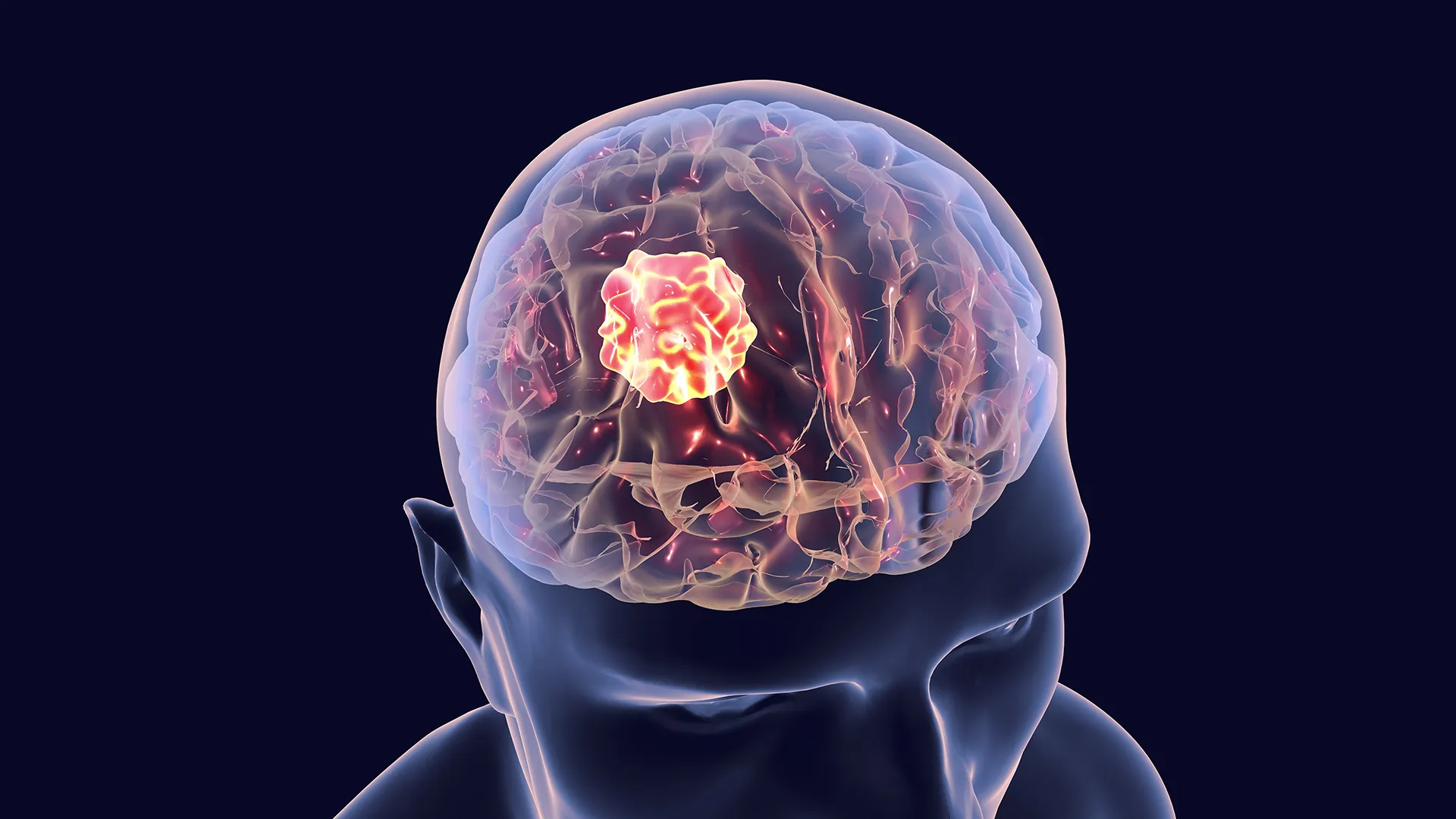
A pivotal new study spearheaded by researchers at Keck Medicine of USC has potentially identified a highly effective combination therapy that could significantly alter the grim prognosis for patients diagnosed with glioblastoma, an aggressive and notoriously difficult-to-treat brain tumor. The National Brain Tumor Society reports a stark average survival rate of just eight months for individuals with this diagnosis, underscoring the urgent need for innovative treatment strategies. This latest research suggests that a novel approach, integrating Tumor Treating Fields (TTFields) therapy with immunotherapy and chemotherapy, may offer a renewed beacon of hope.
The study’s findings indicate that the synergistic application of TTFields, a non-invasive treatment that uses targeted electric fields to disrupt tumor cell division, alongside the immunotherapy drug pembrolizumab and the chemotherapy agent temozolomide, could substantially extend patient survival. This multi-pronged attack targets glioblastoma from various angles, aiming to overcome the disease’s inherent resistance to conventional therapies.
Understanding the Mechanism: TTFields and the Immune System
Tumor Treating Fields (TTFields) operate by generating low-intensity, alternating electric fields that are delivered directly to the tumor site via specialized electrodes worn on the scalp. These fields exert a physical force on key cellular structures within tumor cells, such as chromosomes and critical proteins, in constantly shifting directions. This dynamic disruption makes it exceedingly difficult for cancer cells to replicate and grow, effectively halting their proliferation and providing a critical window for the body’s own defenses to engage. For glioblastoma patients, TTFields are typically administered through a mesh electrode array, meticulously positioned to focus the therapeutic fields on the tumor. Patients are advised to wear these electrodes for approximately 18 hours per day, a commitment that reflects the persistent nature of the treatment.
A crucial observation from the research is that TTFields appear to play a significant role in "priming" the tumor microenvironment for immune attack. The study observed that TTFields actively attract a greater number of tumor-fighting T cells—a vital component of the immune system responsible for identifying and eradicating cancerous cells—into and around the glioblastoma. This influx of immune cells is not merely a passive bystander effect; when followed by immunotherapy, these T cells exhibit prolonged activity and are subsequently replenished by even more potent and effective T cells, creating a robust and sustained anti-tumor response.
Dr. David Tran, Chief of Neuro-oncology at Keck Medicine and co-director of the USC Brain Tumor Center, who served as the corresponding author of the study, elaborated on this synergistic effect. "By using TTFields with immunotherapy, we prime the body to mount an attack on the cancer, which enables the immunotherapy to have a meaningful effect in ways that it could not before," Dr. Tran stated. "Our findings suggest that TTFields may be the key to unlocking the value of immunotherapy in treating glioblastoma." This statement highlights a paradigm shift in thinking about glioblastoma treatment, suggesting that TTFields are not merely an adjunct but a critical enabler for other powerful therapies.
The Challenge of Glioblastoma: Resistance to Conventional Therapies
Glioblastoma presents a formidable challenge to oncologists due to its aggressive nature and its ability to evade or resist standard treatment modalities. Historically, TTFields have been used in conjunction with chemotherapy for various cancers. However, even with aggressive treatment regimens, the overall prognosis for glioblastoma has remained dire. Similarly, immunotherapy, which has revolutionized the treatment landscape for many other cancer types, has shown limited efficacy when used as a standalone therapy for glioblastoma.
The difficulty lies in the unique biological environment of the brain. Glioblastomas originate within the central nervous system and are often shielded from the body’s immune surveillance by the blood-brain barrier (BBB). This highly selective physiological barrier is designed to protect the brain from pathogens and toxins circulating in the bloodstream, but it can also inadvertently prevent crucial immune cells and therapeutic agents from reaching and effectively targeting brain tumors. This creates an immunosuppressive microenvironment within and around the glioblastoma, rendering treatments like pembrolizumab and chemotherapy less effective.
Dr. Tran’s hypothesis, which forms the basis of this research, centers on the idea of initiating an immune response directly within the tumor itself, a concept known as "in situ immunization." By employing TTFields to disrupt the tumor’s defenses and attract immune cells, the research team aimed to create a fertile ground for subsequent immunotherapy to exert its full potential. This study provides compelling evidence that this strategy is indeed viable, demonstrating that the combination of TTFields and immunotherapy can trigger a potent intra-tumoral immune response, which immune checkpoint inhibitors (ICIs) like pembrolizumab can then amplify to bolster the body’s inherent defense mechanisms against cancer.
Dr. Tran further illustrated this concept using a sports analogy: "Think of it like a team sport — immunotherapy sends players in to attack the tumor (the offense), while TTFields weaken the tumor’s ability to fight back (the defense). And just like in team sports, the best defense is a good offense." This analogy effectively conveys the dual action of the combined therapy: weakening the tumor while simultaneously bolstering the immune system’s offensive capabilities.
Study Design and Promising Results
The findings are based on an analysis of data from the 2-THE-TOP Phase 2 clinical trial, which enrolled 31 patients newly diagnosed with glioblastoma who had already completed chemoradiation therapy. Of these participants, 26 received the experimental combination therapy: TTFields alongside both chemotherapy (temozolomide) and immunotherapy (pembrolizumab). A particularly high-risk subgroup within this cohort included seven patients with inoperable tumors, meaning their tumors could not be surgically removed due to their critical location. These patients typically face the bleakest prognoses and have limited treatment alternatives.
Patients in the trial underwent a treatment regimen that included six to 12 monthly cycles of chemotherapy, administered concurrently with TTFields therapy for a duration of up to 24 months. The specific number and duration of treatments were individualized based on each patient’s response. Immunotherapy was administered every three weeks, commencing with the second dose of chemotherapy, and continued for up to 24 months.
The results of the study were highly encouraging. Patients who received the combination of TTFields, chemotherapy, and immunotherapy lived approximately 10 months longer than historical control groups who had used TTFields with chemotherapy alone. This represents a significant improvement in overall survival, considering the aggressive nature of glioblastoma.
Furthermore, the study revealed a remarkable benefit for patients with larger, unresected tumors. These individuals, who often have the poorest outcomes, experienced an even more pronounced survival advantage, living approximately 13 months longer and demonstrating a substantially stronger immune activation in response to the therapy compared to patients who underwent surgical removal of their tumors. This finding suggests that the presence of a larger tumor might actually provide more "targets" for TTFields to engage with, thereby enhancing the immune response.
"Further studies are needed to determine the optimal role of surgery in this setting, but these findings may offer hope, particularly for glioblastoma patients who do not have surgery as an option," Dr. Tran emphasized, acknowledging the potential of this therapy for a vulnerable patient population.
A Timeline of Innovation and Future Directions
The research into TTFields for brain tumors has a history spanning over a decade, with Dr. Tran himself being a prominent figure in this field. The development of this specific combination therapy represents a significant milestone in that ongoing pursuit. The initial Phase 2 trial provided the critical data needed to move towards larger, more definitive studies.
The promising outcomes from the 2-THE-TOP trial have paved the way for a multicenter Phase 3 clinical trial, which is currently underway to further validate the efficacy and safety of TTFields in combination with immunotherapy and chemotherapy. Keck Medicine is an active participant in this crucial next step. Dr. Tran is at the helm of this initiative, serving as the chair of the steering committee for the Phase 3 trial. Dr. Frances Chow, a neuro-oncologist with USC Norris, is the principal investigator overseeing the Keck Medicine site’s involvement.
This pivotal Phase 3 trial, a critical step in the regulatory approval process, is a large-scale endeavor with significant global reach. It is currently enrolling patients at 28 sites across the United States, Europe, and Israel, with a target enrollment of over 740 patients by April 2029. A key aspect of this trial’s design is its inclusion of patients with varying degrees of tumor resection, including those with gross total resection, partial resection, or biopsy-only tumors. This broad inclusion criteria aims to thoroughly assess how the extent of surgical tumor removal influences the immune response to the combined therapy.
The research team behind this groundbreaking study includes a multidisciplinary group of experts from the Keck School of Medicine of USC and collaborators from the University of Florida. This collaborative effort underscores the complex and multifaceted nature of developing advanced cancer therapies. The study was notably funded by a grant from Novocure, the manufacturer of the TTFields device (Optune) utilized in the research, highlighting the symbiotic relationship between academic research and industry development in advancing medical treatments. Dr. Tran also disclosed honoraria from Novocure for consultant work, and both he and Dr. Chen are listed as inventors on patent applications related to this research, indicating their significant contributions to the underlying technology.
Broader Implications and the Road Ahead
The potential impact of this research on the glioblastoma treatment landscape cannot be overstated. The current standard of care, even with aggressive interventions, offers limited hope for long-term survival. The emergence of a combination therapy that not only halts tumor progression but also actively engages the immune system to fight the cancer represents a significant leap forward.
The success of this approach, particularly in patients with inoperable tumors, is especially meaningful. These individuals often face limited options and are excluded from trials focusing on surgical interventions. By demonstrating a substantial survival benefit and enhanced immune response in this subgroup, the research offers a tangible prospect for improved quality of life and extended survival where little existed before.
The broader implications extend to the understanding of how to overcome the immunosuppressive nature of brain tumors. The concept of "in situ immunization" via TTFields could potentially be applied to other challenging brain cancers or even other solid tumors that are resistant to immunotherapy. This research may unlock new avenues for treating a range of difficult-to-treat malignancies by fundamentally altering the tumor microenvironment to be more receptive to immune attack.
The ongoing Phase 3 trial is critical for confirming these promising early results and potentially leading to regulatory approval. If successful, this combination therapy could become a new standard of care for glioblastoma patients, offering a significantly improved prognosis and a renewed sense of hope for a disease that has long been considered one of the most formidable challenges in oncology. The dedication of researchers and clinicians at institutions like Keck Medicine of USC, coupled with advancements in therapeutic technologies like TTFields, is steadily pushing the boundaries of what is possible in the fight against cancer.
