
 By admin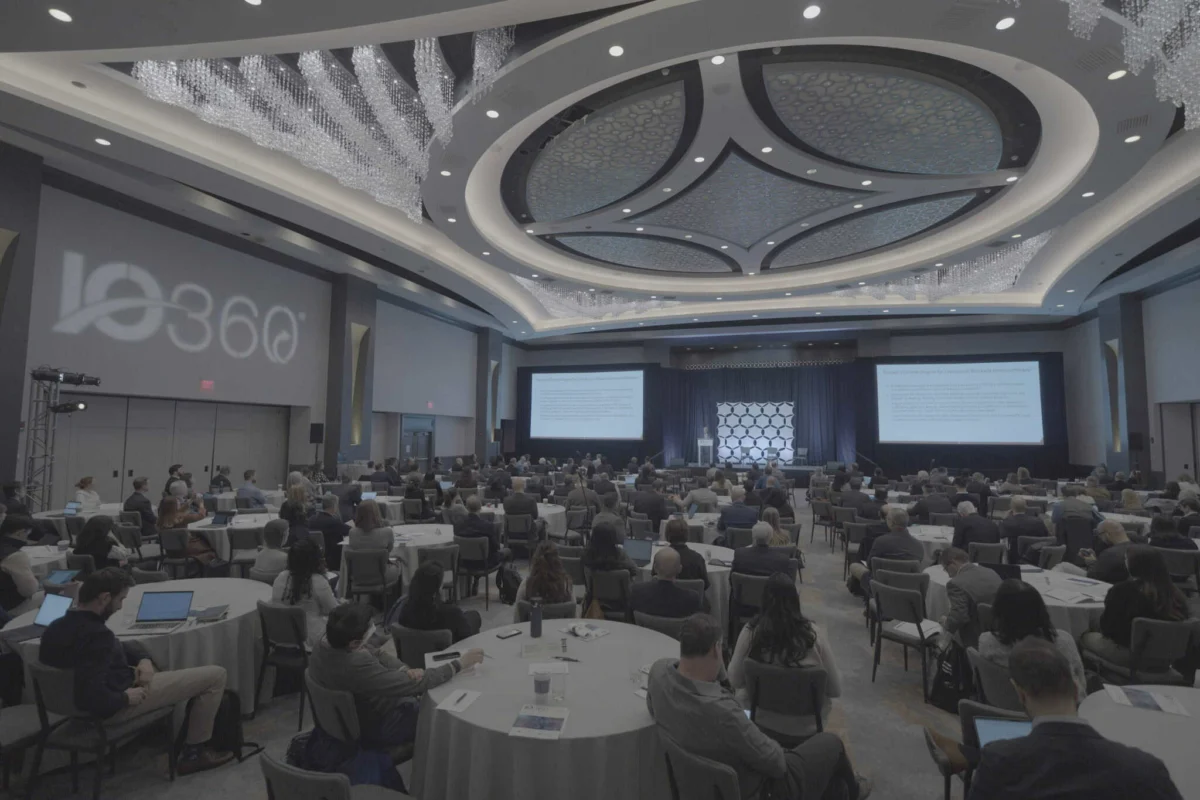
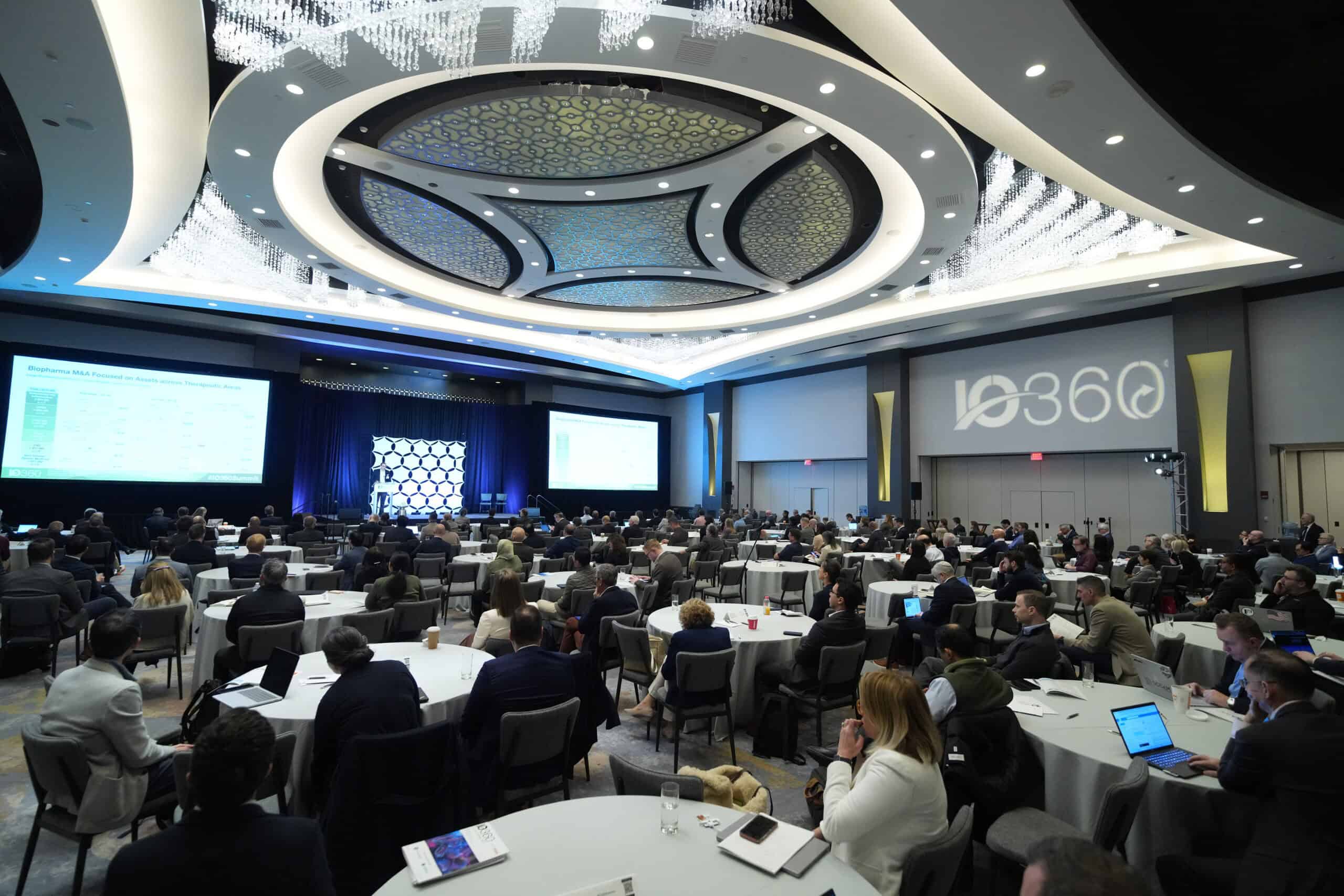
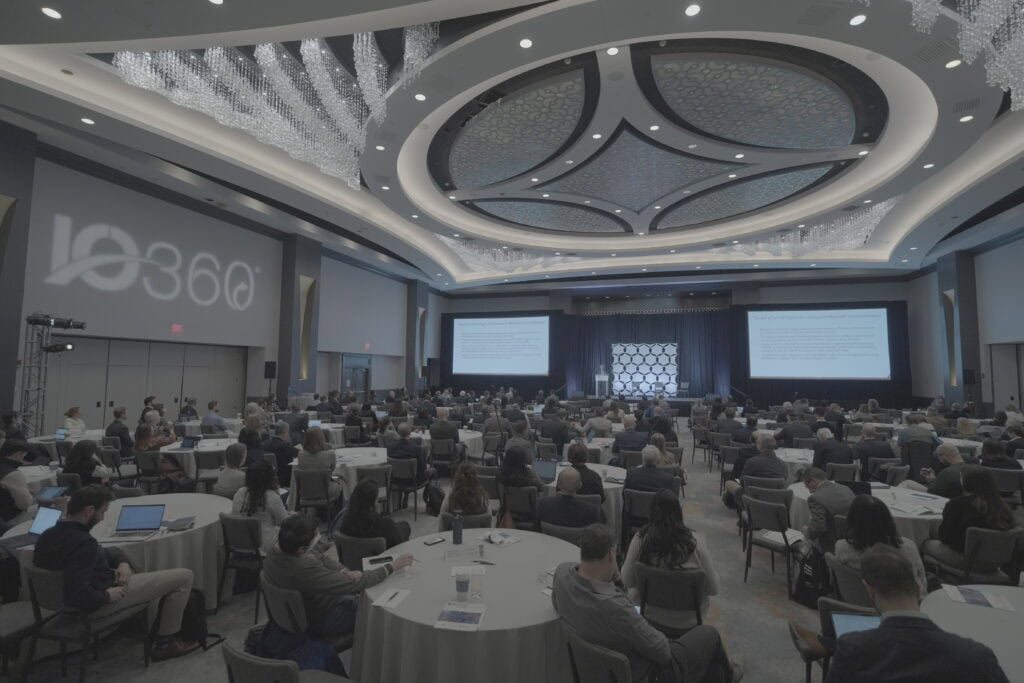
The IO360° Summit, held in Boston in February 2026, served as a pivotal gathering for hundreds of leading researchers, clinicians, patient advocates, and biotech innovators, converging to showcase the latest monumental advancements in cancer immunotherapy. This three-day event underscored a profound shift in oncology, moving from the once-grim reality of terminal diagnoses towards sustained long-term survival, and illuminating the burgeoning role of next-generation therapies and artificial intelligence (AI) in reshaping the future of cancer treatment. The summit provided a comprehensive overview of how dramatically the field has progressed, offering a glimpse into groundbreaking strategies poised to extend and improve the lives of countless patients worldwide.
The IO360° Summit: A Convergence of Minds Driving Innovation
The IO360° Summit has firmly established itself as a premier global forum dedicated to advancing immuno-oncology. Its unique format fosters collaboration across the entire spectrum of cancer research and development, from basic science to clinical application and commercialization. The 2026 iteration, hosted against the backdrop of Boston’s vibrant biotech ecosystem, was no exception, bringing together diverse perspectives crucial for accelerating progress. Attendees engaged in dynamic discussions covering a wide array of topics, including novel therapeutic targets, innovative drug delivery systems, combination strategies, and the integration of emerging technologies like AI into personalized medicine. The urgency and optimism pervading the summit reflected the rapid evolution of immunotherapy, a field that has transformed from a promising concept into a cornerstone of modern cancer care within a remarkably short span. This annual confluence of expertise is vital for translating complex scientific discoveries into tangible clinical benefits, ensuring that cutting-edge research quickly finds its way to patients who need it most.
A Decade of Triumph: Redefining Melanoma Survival
A highlight of the summit was the presentation of Dr. Jedd Wolchok, a distinguished member of the Cancer Research Institute (CRI)’s Scientific Advisory Council and a professor at Weill Cornell Medicine, who was honored with the prestigious IO360° Lifetime Achievement Award. Dr. Wolchok, a pioneering figure in immunotherapy, presented groundbreaking 10-year follow-up data from the landmark CheckMate-067 clinical trial, which fundamentally reshaped the treatment landscape for advanced melanoma.
The results were nothing short of extraordinary. The study demonstrated that a combination of nivolumab (a PD-1 inhibitor) and ipilimumab (a CTLA-4 inhibitor) yielded an overall survival rate of 43% after a decade. This significantly outperformed nivolumab alone (37%) and ipilimumab alone (19%), clearly illustrating the synergistic power of dual immune checkpoint blockade. To fully grasp the magnitude of these findings, it’s crucial to recall the grim prognosis for metastatic melanoma patients just 15 years ago. At that time, the median survival was often less than one year, with most succumbing to the disease within six to eight months. The CheckMate-067 data not only validated the long-term efficacy of these immunotherapies but also cemented their role in offering durable remission and extended survival to a significant subset of patients, effectively transforming a rapidly fatal disease into a manageable, and in some cases, curable condition.
The human impact of these statistics was vividly brought to life during a powerful patient panel featuring Brendan Connors, a stage 4 melanoma survivor. Connors’ personal journey underscored the real-world implications of these scientific breakthroughs, offering a poignant testament to the life-changing potential of immunotherapy for young individuals diagnosed with advanced cancer. His story resonated deeply, reminding attendees that behind every percentage point and every clinical trial statistic lies a patient whose life has been profoundly altered by these medical advancements. The scientific community widely hailed these results as a testament to sustained research investment and collaborative efforts, predicting further refinements and broader applications of similar combination strategies across other cancer types.
Revolutionizing Cell Therapies: Speed, Accessibility, and Innovation
The summit also shone a spotlight on efforts to make complex cellular immunotherapies more accessible, efficient, and cost-effective. Traditional CAR T-cell therapy, while revolutionary for certain blood cancers, involves an arduous and expensive process: immune cells are extracted from the patient, genetically engineered in a specialized lab over several weeks, and then re-infused. This complex manufacturing chain can cost upwards of $400,000 and poses significant logistical challenges, limiting its widespread availability.
AstraZeneca presented a compelling alternative, showcasing an in vivo approach that bypasses ex vivo cell manipulation. Their method utilizes specially designed viruses to reprogram immune cells directly within the patient’s body. In an early, albeit very small, cohort of four multiple myeloma patients, all individuals responded to the treatment, with two achieving complete remissions. Crucially, these remarkable outcomes were observed within days, a stark contrast to the weeks required for conventional CAR T-cell manufacturing. This "off-the-shelf" or in vivo strategy holds immense promise for reducing treatment costs, accelerating delivery, and expanding access to cell-based immunotherapies, particularly in regions with limited advanced manufacturing capabilities.
Further innovating in the cell therapy space, BobcatBio introduced another novel strategy focused on hyperactivating macrophages, the body’s innate immune cells renowned for their ability to engulf and destroy foreign invaders and cellular debris. Unlike genetically engineered CAR T-cells, BobcatBio’s approach aims to supercharge these natural tumor-fighting cells, enabling them to effectively target and eliminate cancer cells. The treatment is designed for repeat dosing, can be frozen for ease of storage and distribution, and is engineered to function independently of a tumor’s specific genetic mutations. This broad applicability suggests its potential utility across a wide spectrum of cancers, including both solid tumors and blood cancers, where current CAR T therapies face limitations. These advancements collectively signal a future where cell-based immunotherapies are not only more potent but also more readily available to a larger patient population, marking a significant step towards democratizing access to these life-saving treatments.
Beyond the Scalpel: Immunotherapy Making Surgery Optional
Perhaps some of the most staggering data presented at the IO360° Summit came from Dr. Andrea Cercek of Memorial Sloan Kettering Cancer Center, who unveiled truly transformative results in patients with early-stage cancers characterized by a mismatch repair deficiency (dMMR). dMMR tumors possess a unique genetic signature that makes them highly susceptible to immunotherapy due to their elevated mutational burden, which generates numerous neoantigens that the immune system can recognize.
In a cohort of 103 dMMR cancer patients, an astounding 82% experienced a complete disappearance of their tumors after just six months of immunotherapy treatment alone, without any surgery or chemotherapy. These unprecedented results were so compelling that approximately 80% of patients subsequently chose to forgo surgery entirely. This outcome is particularly life-changing for patients with rectal cancer, where traditional surgical interventions often lead to permanent colostomy bags, significantly impacting quality of life. The ability to achieve complete remission and avoid invasive surgery represents a paradigm shift in the management of these cancers.

Dr. Cercek’s team also identified a crucial predictive biomarker: patients whose circulating tumor DNA (ctDNA) — tiny fragments of cancer DNA found in the bloodstream — disappeared rapidly after starting treatment were the ones most likely to achieve a complete response. This non-invasive biomarker offers a powerful tool for guiding treatment decisions and identifying patients who can potentially avoid surgery. Recognizing the immense potential of this approach, the U.S. Food and Drug Administration (FDA) granted breakthrough designation to this treatment in late 2024, expediting its development and review. This decision underscores the profound clinical significance of these findings and the potential for immunotherapy to fundamentally alter standard care protocols.
Further breakthroughs in aggressive cancers were also reported. For patients battling small-cell lung cancer (SCLC), one of the deadliest forms of the disease with historically poor prognoses, the IMforte trial offered a beacon of hope. Researchers found that continuing treatment with a combination of two drugs, lurbinectedin and atezolizumab, after initial chemotherapy could significantly prolong disease control. Patients receiving this combination lived nearly three months longer (13.2 months vs. 10.6 months) and experienced more than twice as long without cancer progression (5.4 months vs. 2.1 months) compared to those receiving atezolizumab alone. Atezolizumab is a PD-L1 inhibitor, while lurbinectedin is a chemotherapy agent. This was the first study of its kind to demonstrate improvements in both overall survival and progression-free survival with manageable side effects, leading the FDA to approve this approach as a new standard of care for SCLC. These advancements signify a dramatic shift towards more effective and less invasive treatment modalities for a range of previously intractable cancers.
Unmasking Tumors: Targeting the Microenvironment
Beyond directly targeting cancer cells or immune checkpoints, researchers at the summit explored novel strategies to manipulate the tumor microenvironment (TME), the complex ecosystem surrounding a tumor that often shields it from immune attack. Dr. Miriam Merad from the Icahn School of Medicine at Mount Sinai presented fascinating research highlighting an unexpected ally in the fight against lung cancer: allergy medicine.
Dr. Merad’s work revealed that tumors often send out specific chemical signals, including the cytokine IL-4, which effectively shuts down the immune system’s ability to recognize and destroy cancer cells. Her team investigated whether blocking this signal could reactivate anti-tumor immunity. In a preliminary but highly encouraging case, a patient with lung cancer whose disease had become resistant to conventional immunotherapy saw nearly all their tumors vanish after receiving dupilumab, a drug typically used to treat severe allergies and asthma, in combination with immunotherapy. While this single-patient observation requires rigorous validation in larger clinical trials, it offers a compelling proof-of-concept for repurposing existing drugs to overcome immune resistance in cancer.

Dr. Merad also shared insights into her laboratory’s work on engineered immune cells designed to dismantle the physical and biochemical barriers that tumors erect to evade detection. These protective barriers, often composed of dense extracellular matrix and suppressive immune cells, physically impede immune cell infiltration and function. By engineering immune cells to break down these formidable defenses, her team has achieved dramatic success in preclinical models of highly aggressive cancers, including lung and ovarian cancer. This innovative approach of targeting the TME rather than just the cancer cells themselves represents a promising frontier in immunotherapy, aiming to create a more permissive environment for the body’s immune system to mount an effective and sustained attack against the malignancy.
The AI Frontier: Accelerating Discovery in Immuno-Oncology
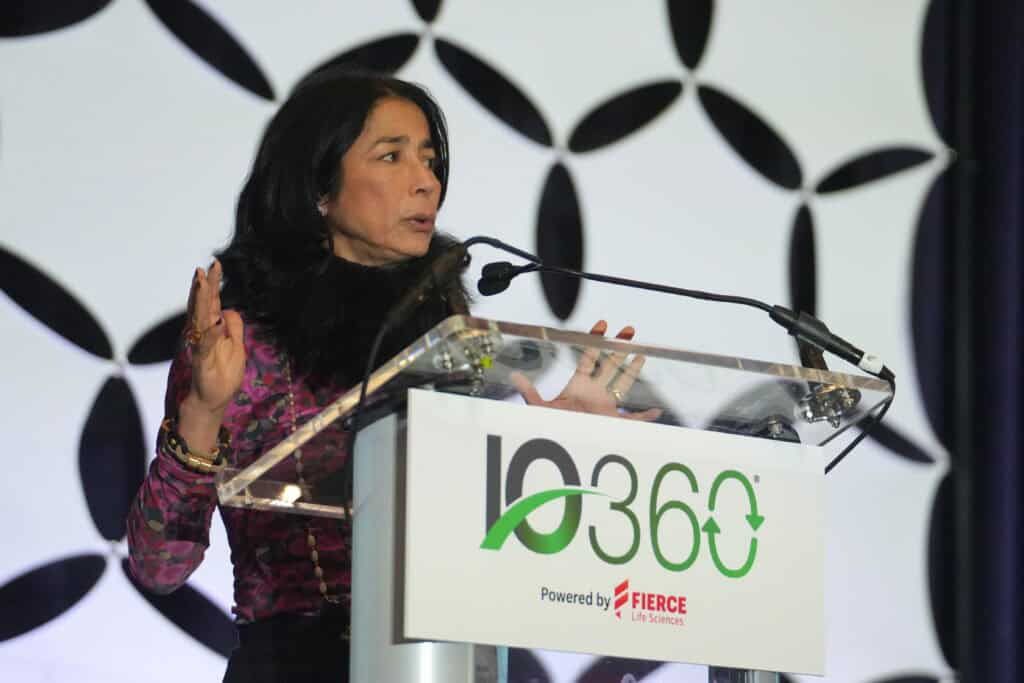
The intersection of artificial intelligence and cell therapy was a focal point of a dynamic panel discussion moderated by Dr. Samik Upadhaya, Director of Scientific Affairs at the Cancer Research Institute (CRI). Experts from the University of Pennsylvania Perelman School of Medicine and Immunai delved into AI’s rapidly expanding role in accelerating the development of new cell therapies. The consensus was clear: AI is an incredibly powerful tool for analyzing the massive, complex datasets generated in cancer research, capable of identifying promising therapeutic targets and predicting patient responses with unprecedented speed and accuracy. However, panelists emphasized that AI is a sophisticated assistant, not a replacement for human ingenuity and expertise.
The primary challenge in harnessing AI’s full potential, as highlighted during the discussion, is not a lack of computational power but rather the scarcity of high-quality, standardized, and diverse biological data. AI models are only as good as the data they are trained on, and the "garbage in, garbage out" principle holds true. To address this critical data gap, Dr. Upadhaya showcased CRI’s groundbreaking initiative, the Discovery Engine. This ambitious project aims to construct a shared, AI-ready biological dataset at the preclinical level, providing researchers across the global scientific community with a common, robust foundation upon which to train their AI models. By standardizing data collection and sharing, the Discovery Engine seeks to catalyze discovery, reduce redundant efforts, and accelerate the translation of research findings into clinical applications.
The panel underscored that while AI can dramatically expedite the initial phases of drug discovery, such as target identification and biomarker discovery, the critical decisions regarding which treatments to advance into human trials, how to ensure patient safety, and how to optimize clinical protocols still fundamentally depend on the nuanced judgment and ethical considerations of human scientists and clinicians. The synergy between advanced AI capabilities and deep human expertise is envisioned as the most effective path forward in the complex journey of developing next-generation cancer therapies.
The Road Ahead: Challenges and the Promise of Tomorrow
The 2026 IO360° Summit vividly illustrated the transformative journey of cancer immunotherapy – from a theoretical concept to an experimental therapy, and now, to a powerful and often life-saving intervention. The advancements presented underscore that for some cancers, immunotherapy has moved beyond merely extending life to offering the prospect of genuine, long-term survival, and in certain cases, even a cure. The summit also offered compelling visions of the future, where therapies are faster, more accessible, and precisely tailored to individual patient profiles.
However, despite these remarkable strides, significant challenges remain. Not all patients respond to current immunotherapies, and understanding the mechanisms of resistance is a critical area of ongoing research. The manufacturing processes for advanced cell therapies, while improving, are still complex and expensive, posing barriers to equitable access globally. Furthermore, the arduous journey of translating groundbreaking laboratory discoveries into approved clinical treatments still takes years, demanding sustained patience and investment.
Yet, if the past decade has taught the scientific and medical communities anything, it is that what might seem impossible today can become routine remarkably quickly. The unprecedented momentum evident at the IO360° Summit indicates that the next decade promises to be just as, if not more, transformative. As these compelling advances illustrate, the sustained, multi-decadal investment in fundamental and translational research has laid the essential foundation for today’s breakthroughs. Continued, robust support — from governments, philanthropic organizations, and the private sector — will be absolutely essential to overcome remaining hurdles and to extend the benefits of these revolutionary immunotherapies to an even broader spectrum of patients, ultimately realizing the vision of a world free from the burden of cancer.
