
 By Lina carolina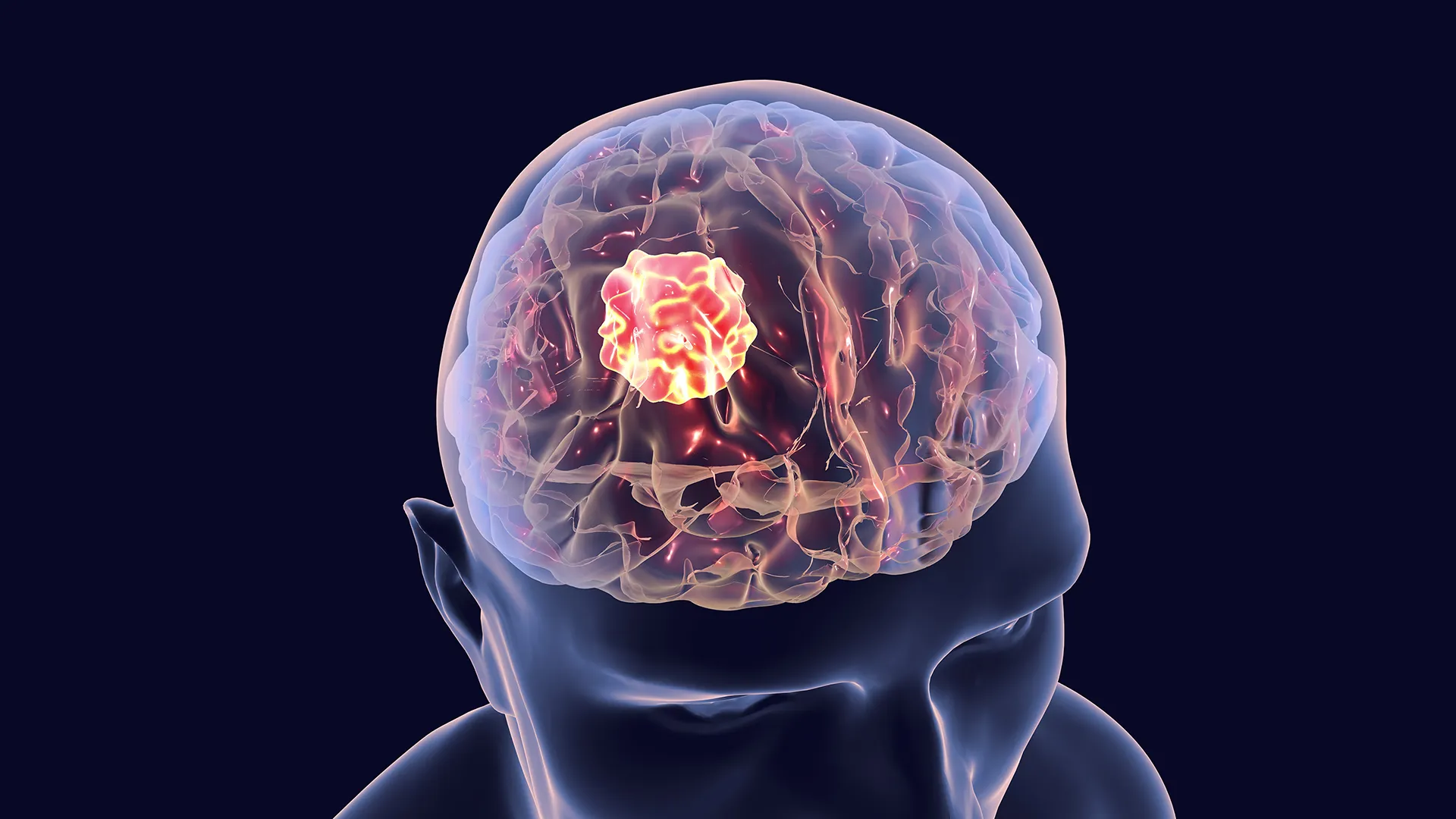
A groundbreaking study spearheaded by researchers at Keck Medicine of USC has unveiled a potentially transformative combination therapy for glioblastoma, a notoriously aggressive brain tumor for which effective treatment options remain scarce. The findings, published recently, suggest that a synergistic approach involving Tumor Treating Fields (TTFields), immunotherapy, and chemotherapy could significantly extend survival for patients diagnosed with this devastating illness. For context, glioblastoma carries a grim prognosis, with the National Brain Tumor Society reporting an average survival rate of a mere eight months post-diagnosis, underscoring the urgent need for innovative treatment strategies.
Unlocking Immunotherapy’s Potential: The Role of Tumor Treating Fields
The core of this promising new treatment lies in the innovative application of Tumor Treating Fields (TTFields) therapy. This technology utilizes targeted waves of electric fields, delivered directly to the tumor site, to disrupt the growth and proliferation of cancerous cells. Crucially, TTFields also appear to act as a potent immune stimulant, signaling the body’s own immune system to recognize and actively attack glioblastoma cells. When combined with immunotherapy, specifically the immune checkpoint inhibitor pembrolizumab, and the established chemotherapy agent temozolomide, TTFields demonstrated a remarkable ability to enhance patient survival.
TTFields operate by employing low-intensity, alternating electric fields. These fields exert forces on critical intracellular structures within tumor cells, causing them to shift and pull in continuously changing directions. This dynamic disruption makes it exceedingly difficult for cancer cells to divide and multiply, thereby impeding tumor growth. By effectively halting tumor progression, TTFields create a more favorable environment for the body’s defenses to engage. In the context of glioblastoma treatment, TTFields are administered via a wearable device comprising a set of mesh electrodes strategically placed on the scalp. These electrodes generate electric fields at a precise frequency and intensity, meticulously focused on the tumor. Patients typically wear this device for approximately 18 hours per day, a commitment that underscores the dedication required for this advanced treatment.
A key observation from the research indicates that TTFields actively draw tumor-fighting T cells—a crucial type of white blood cell responsible for identifying and eradicating cancerous cells—into and around the glioblastoma. This influx of immune cells is further amplified by the subsequent administration of immunotherapy. The study suggests that these T cells remain active for extended periods and are replenished by even more robust and effective tumor-fighting T cells, creating a sustained and potent immune assault on the cancer.
Dr. David Tran, MD, PhD, chief of neuro-oncology at Keck Medicine, co-director of the USC Brain Tumor Center, and the study’s corresponding author, articulated the significance of this synergistic approach. "By using TTFields with immunotherapy, we prime the body to mount an attack on the cancer, which enables the immunotherapy to have a meaningful effect in ways that it could not before," Dr. Tran explained. "Our findings suggest that TTFields may be the key to unlocking the value of immunotherapy in treating glioblastoma." This statement highlights a critical challenge that has historically plagued glioblastoma research: the relative ineffectiveness of immunotherapy when used in isolation.
Historically, TTFields have often been integrated into treatment regimens alongside chemotherapy. However, even with these aggressive combinations, the prognosis for glioblastoma has remained grim. Similarly, immunotherapy, while demonstrating considerable success in treating a wide array of other cancers, has not yielded comparable results when applied to glioblastoma as a standalone therapy. The current study’s innovation lies in the strategic integration of all three modalities, leveraging the unique properties of each to overcome the limitations of the others.
A Striking Increase in Survival: Quantitative Data and Unresected Tumors
The results of the study are particularly compelling, revealing a substantial improvement in patient outcomes. The addition of immunotherapy to the existing TTFields and chemotherapy regimen was associated with a remarkable 70% increase in overall survival. This figure represents a significant leap forward in a disease characterized by limited treatment efficacy.
Furthermore, the research uncovered an even more pronounced positive response in patients with larger, unresected (meaning not surgically removed) tumors. These individuals exhibited a stronger immune response to TTFields and consequently experienced longer survival periods. This observation suggests a potentially counterintuitive but significant implication: the presence of a larger tumor, while seemingly more formidable, might actually provide more targets for TTFields to engage with, thereby kick-starting a more robust immune response against the cancer. This finding could be particularly impactful for patients for whom surgery is not a viable option due to tumor location or extent.
The Biological Underpinnings: Overcoming the Brain’s Defenses
To understand the profound impact of this combination therapy, it is essential to delve into the biological mechanisms at play, particularly the challenges posed by the brain’s unique environment. Pembrolizumab, the specific immunotherapy employed in this study, is classified as an immune checkpoint inhibitor (ICI). ICIs function by enhancing the body’s natural ability to combat cancer by improving the capacity of T cells to identify and target malignant cells.
However, glioblastomas present a significant hurdle for T cells. These tumors originate within the brain, a highly protected organ, and are shielded from the body’s systemic immune surveillance by the formidable blood-brain barrier (BBB). This biological shield meticulously regulates the passage of substances and cells from the bloodstream into the brain, acting as a critical defense mechanism. Unfortunately, this barrier can also impede the entry of T cells and other therapeutic agents that could potentially eradicate brain tumors.
The result of this immune suppression within and surrounding glioblastomas is an environment that renders conventional cancer therapies, including pembrolizumab and chemotherapy, significantly less effective. Dr. Tran’s hypothesis, which guided this research, posited that the most effective strategy to circumvent this issue would be to initiate an immune reaction directly within the tumor itself. This approach, known as "in situ immunization," leverages TTFields as the primary instigator.
This study provides robust evidence that the combination of TTFields and immunotherapy effectively triggers a potent and localized immune response within the tumor. This "primed" immune environment then becomes highly receptive to amplification by ICIs, such as pembrolizumab, thereby bolstering the body’s intrinsic defense mechanisms against cancer. Dr. Tran further elaborated on this concept using an analogy: "Think of it like a team sport — immunotherapy sends players in to attack the tumor (the offense), while TTFields weaken the tumor’s ability to fight back (the defense). And just like in team sports, the best defense is a good offense." This analogy effectively captures the complementary roles of TTFields and immunotherapy in a unified assault on the glioblastoma. Dr. Tran’s affiliation with the USC Norris Comprehensive Cancer Center further underscores the institution’s commitment to advancing cancer research.
Study Methodology: A Glimpse into the Clinical Trial
The findings are derived from an analysis of data collected during the 2-THE-TOP Phase 2 clinical trial. This trial enrolled 31 patients who had recently been diagnosed with glioblastoma and had successfully completed chemoradiation therapy, a standard initial treatment. Out of this cohort, 26 patients received the experimental tri-therapy: TTFields in conjunction with both chemotherapy and immunotherapy. A particularly challenging subgroup within this trial consisted of seven patients with inoperable tumors due to their anatomical location. These patients typically face the worst prognoses and have extremely limited treatment alternatives, making their response to this novel therapy of significant interest.
The treatment protocol involved patients receiving six to 12 monthly cycles of chemotherapy, administered concurrently with TTFields therapy for a duration of up to 24 months. The precise number and duration of these treatments were tailored to each patient’s individual response to the therapy. The immunotherapy component, pembrolizumab, was administered every three weeks, commencing with the second dose of chemotherapy, and could continue for up to 24 months.
Quantifiable Survival Benefits: Comparing Treatment Modalities
The quantitative outcomes from the study are striking. Patients who received the TTFields device in combination with chemotherapy and immunotherapy experienced an average survival of approximately 10 months longer compared to historical data from patients who had previously received the device with chemotherapy alone. This improvement, while substantial, is further amplified when examining the subgroup with large, inoperable tumors. These patients lived approximately 13 months longer and demonstrated significantly stronger immune activation in comparison to patients who underwent surgical removal of their tumors.
"Further studies are needed to determine the optimal role of surgery in this setting, but these findings may offer hope, particularly for glioblastoma patients who do not have surgery as an option," Dr. Tran commented, acknowledging the need for continued investigation while emphasizing the immediate potential benefit for a vulnerable patient population.
Moving Forward: The Path to Broader Clinical Application
The promising results from this Phase 2 trial have paved the way for larger, more definitive studies. Keck Medicine is actively participating in a multicenter Phase 3 clinical trial designed to rigorously validate the efficacy of the TTFields, immunotherapy, and chemotherapy combination. Dr. Tran, who has dedicated over a decade to researching TTFields, serves as the chair of the steering committee for this pivotal trial. Dr. Frances Chow, a neuro-oncologist with USC Norris, is the principal investigator overseeing the Keck Medicine site’s involvement.
This Phase 3 trial is a significant undertaking, currently operational at 28 sites across the United States, Europe, and Israel. It aims to enroll over 740 patients by April 2029. A critical aspect of this trial’s design is its inclusion of patients with varying degrees of tumor resection, including those with gross total resection, partial resection, or biopsy-only tumors. This comprehensive approach will allow researchers to assess the extent to which surgical removal of tumors influences the immune response to the combination therapy, providing crucial insights into optimizing treatment strategies.
The collaborative efforts behind this research extend beyond Keck Medicine. The study’s authors from the Keck School of Medicine of USC include Dongjiang Chen, PhD, assistant professor of research neurological surgery; Son Le, PhD, assistant professor of research neurological surgery; Harshit Manektalia, research programmer; Ming Li, PhD, professor of research population and public health sciences; and Adam O’Dell, research lab specialist. Contributions were also made by Ashley Ghiaseddin, MD, and Maryam Rahman, MD, MS, colleagues from the University of Florida.
The funding for this groundbreaking study was provided by a grant from Novocure, the manufacturer of the Optune device, which is the TTFields delivery system utilized in this research. Dr. Tran has received honoraria from Novocure for his consultant work, and both Dr. Chen and Dr. Tran are listed as inventors on two patent applications related to the work reported in this study, highlighting their direct involvement in the development of this technology. This research represents a significant stride in the ongoing battle against glioblastoma, offering a beacon of hope for patients and their families.
