
 By Budi Oetomo Narendra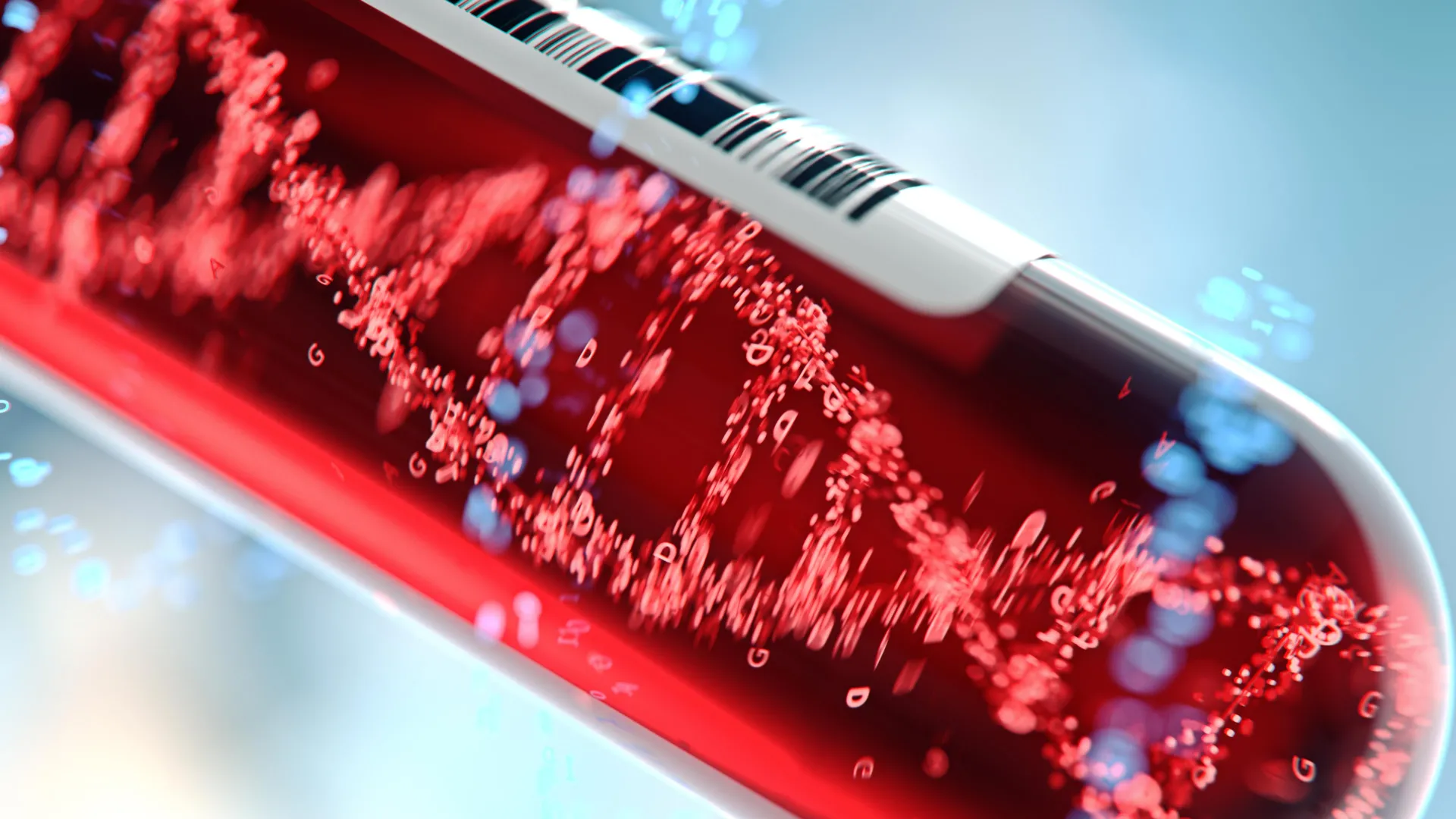
UCLA researchers have engineered a groundbreaking blood test, dubbed MethylScan, that demonstrates significant promise in early studies for simultaneously identifying several types of cancer, multiple liver diseases, and nascent signs of organ distress. This innovative approach operates by meticulously analyzing fragments of DNA that naturally circulate within the bloodstream, offering a simpler and more cost-effective diagnostic pathway compared to many existing methods. The findings, published in the esteemed journal Proceedings of the National Academy of Sciences, herald a potential paradigm shift in disease detection, aiming to provide earlier diagnoses and a more holistic view of an individual’s health status.
The Crucial Role of Early Detection in Disease Management
The medical community consistently underscores the critical importance of early disease detection, particularly in oncology. As Dr. Jasmine Zhou, the study’s senior author and a distinguished professor of pathology and laboratory medicine and investigator at the UCLA Health Jonsson Comprehensive Cancer Center, emphasized, "Early detection is crucial. Survival rates are far higher when cancers are caught before they spread. If you detect cancer at stage one, outcomes are dramatically better than at stage four." This stark reality drives intense research into non-invasive, accessible screening tools that can identify disease long before symptoms manifest or advanced stages are reached. The promise of MethylScan lies precisely in its potential to fulfill this vital need across a spectrum of serious conditions.
Unlocking Disease Signals within Circulating DNA
The scientific foundation of MethylScan rests on the analysis of cell-free DNA (cfDNA). These minute pieces of genetic material are released into the bloodstream as cells throughout the body naturally die and break down. Consequently, the cfDNA pool contains a vast repository of molecular clues reflecting the health of various organs and tissues. Dr. Zhou further elucidated this concept, stating, "Every day, 50 to 70 billion cells in our body die. They don’t just disappear, their DNA goes into the bloodstream. That means we already have information from all our organs circulating in the blood." This ubiquitous cellular turnover provides a constant, non-invasive stream of diagnostic information waiting to be interpreted.
The utilization of blood samples for cancer detection, often referred to as "liquid biopsies," is not an entirely novel concept. Current liquid biopsy methods frequently focus on identifying specific genetic mutations or alterations within cfDNA that are characteristic of tumor cells. However, these existing tests often come with limitations, including their ability to examine only a restricted panel of genetic changes. Furthermore, the high cost associated with the extensive sequencing required to pinpoint weak cancer signals amidst a sea of normal DNA has historically presented a significant barrier to widespread adoption. MethylScan distinguishes itself by addressing these challenges through a different analytical lens.
MethylScan’s Innovation: Focusing on DNA Methylation
Instead of primarily searching for genetic mutations, the UCLA researchers, led by Dr. Zhou and co-corresponding author Dr. Wenyuan Li, a professor of pathology and laboratory medicine at UCLA, pivoted their focus to DNA methylation. Methylation refers to chemical tags—specifically, methyl groups—that attach to DNA molecules. These tags play a pivotal role in regulating gene activity, essentially acting as on/off switches for genes without altering the underlying genetic code itself. Crucially, different tissues possess distinct methylation patterns, and these patterns undergo significant, detectable shifts when cells become diseased or cancerous.
Dr. Li highlighted the diagnostic power of this approach, stating, "DNA methylation reflects the health status of a tissue. It’s a very informative signal." Unlike mutations, which are often sporadic and tumor-specific, methylation patterns offer a broader, more systemic indicator of cellular health and disease progression. Changes in methylation can signify not just the presence of cancer, but also the early stages of organ damage or dysfunction, making it a powerful biomarker for a wider range of conditions. This focus on epigenetic changes, rather than solely genetic mutations, positions MethylScan as a more versatile diagnostic tool.
Overcoming the Challenge of Background Noise
One of the most formidable obstacles in cfDNA analysis is the overwhelming presence of "background DNA." The vast majority—roughly 80% to 90%—of cell-free DNA circulating in the bloodstream originates from normal blood cells, not from tumors or damaged organs. This sheer volume of ordinary DNA can effectively obscure the much rarer and more diagnostically relevant fragments associated with early-stage cancer or other diseases, making their detection both challenging and prohibitively expensive due to the deep sequencing required.
To circumvent this critical hurdle, the UCLA team built upon prior research and developed an ingenious method to selectively remove much of this unwanted background DNA before the sequencing process even begins. Their technique involves the use of specialized enzymes that are designed to selectively cut away unmethylated DNA fragments. Since most cfDNA from blood cells tends to be unmethylated, this enzymatic digestion effectively depletes the sample of the predominant "noise." Following this, the researchers further refined the sample by employing a genome-wide hybridization panel. This panel serves to enrich the remaining sample for methylated DNA specifically originating from solid organs, including those potentially affected by disease.
This innovative "filtering" process dramatically reduces the amount of irrelevant DNA, meaning the test can rely on significantly less sequencing data while still maintaining high sensitivity. The researchers calculated that achieving an effective sequencing depth of 300x for each sample requires only 5 gigabases (Gb) of data. Furthermore, they project that if sequencing costs remain below $4 per gigabase, the data acquisition for MethylScan would cost less than $20 per sample. This substantial cost reduction is a critical factor in making widespread, routine screening a tangible reality, democratizing access to advanced diagnostic capabilities.
Rigorous Validation: Testing MethylScan in a Large Cohort
To rigorously evaluate the efficacy of MethylScan, the researchers conducted a comprehensive study using blood samples collected from 1,061 individuals. This diverse cohort included patients diagnosed with various cancers, specifically liver, lung, ovarian, and stomach cancers. The study also incorporated individuals suffering from a range of liver diseases, such as hepatitis B, hepatitis C, alcohol-related liver disease, and metabolic-associated liver disease. To ensure robust controls and assess specificity, the group also included individuals with benign lung nodules and healthy participants. This broad participant base allowed for a thorough evaluation of MethylScan’s diagnostic capabilities across multiple disease states and healthy controls.
Following sample collection and processing, sophisticated machine learning algorithms were employed to interpret the complex methylation patterns detected in the cfDNA. These algorithms are crucial for sifting through the vast amount of epigenetic data and identifying subtle, yet significant, patterns indicative of disease.
The results of this extensive validation were highly encouraging. For the detection of multiple cancer types, MethylScan demonstrated a high level of overall accuracy. At a specificity of 98%, meaning the test produced very few false positives (only 2% of healthy individuals were incorrectly identified as having cancer), it successfully identified approximately 63% of cancers across all stages. When specifically focused on early-stage cancers, the test achieved a detection rate of roughly 55%. While further refinement is always ongoing, these figures are significant for a non-invasive, multi-cancer screening tool.
MethylScan’s performance was particularly strong when applied to monitoring individuals at elevated risk for liver cancer, such as those with liver cirrhosis or chronic hepatitis B virus (HBV) infection. In this high-risk group, the test detected nearly 80% of liver cancer cases, maintaining a specificity slightly above 90%, which translates to a false positive rate of less than 10%. This robust performance suggests MethylScan could be invaluable for targeted surveillance programs in populations prone to liver malignancies.
Pinpointing the Source: Tissue of Origin Identification
Beyond simply identifying the presence of disease, MethylScan demonstrated another powerful capability: providing information about the tissue of origin. The unique methylation patterns not only signal disease but also carry a molecular fingerprint that helps researchers determine which specific organ or tissue is producing the abnormal signal.
Dr. Li underscored the clinical significance of this feature, explaining, "Being able to trace signals back to their source is important because a positive blood test needs to be followed by imaging or other diagnostic procedures directed at the right organ." This ability to localize the problem is critical for guiding subsequent diagnostic steps, preventing unnecessary broad screenings, and ensuring timely, targeted interventions. In essence, MethylScan could function as a sophisticated "health radar," interpreting subtle DNA signals to detect stress or damage in organs like the liver or lungs, even without a pre-existing suspicion of a specific disease.
Furthermore, the test proved adept at distinguishing between different forms of liver disease. Researchers successfully differentiated conditions such as viral hepatitis and metabolic-associated liver disease, correctly classifying approximately 85% of patients. This capability is particularly noteworthy as it suggests that blood-based DNA analysis could potentially reduce the reliance on invasive liver biopsies for diagnosis and monitoring in certain patient populations, thereby improving patient comfort and reducing procedural risks.
The Broader Landscape of Liquid Biopsies and Future Directions
The field of liquid biopsies is a rapidly evolving area in medical diagnostics, with several companies and academic institutions actively developing tests for early cancer detection. Companies like GRAIL (with its Galleri test) and Exact Sciences (with its Cologuard, soon expanding to other cancers) are notable players in this space, often focusing on DNA mutations or protein biomarkers. MethylScan’s distinct advantage lies in its focus on methylation patterns and its demonstrated ability to detect a wider array of conditions—not just cancer, but also various liver diseases and general organ distress—at a potentially much lower cost. This multi-disease detection capability, combined with its cost-effectiveness and tissue-of-origin localization, positions MethylScan as a highly competitive and potentially transformative technology.
While the early results are exceptionally promising, the researchers appropriately caution that larger prospective trials are indispensable to fully ascertain MethylScan’s performance in real-world clinical screening scenarios. Such trials, involving thousands of participants over extended periods, will be crucial for validating its sensitivity, specificity, and positive predictive value in general populations.
Despite the need for further validation, Dr. Zhou expressed profound optimism regarding the findings. "This study demonstrates that blood-based methylation profiling can deliver clinically meaningful information across multiple diseases," she stated. "It’s an exciting advancement that brings us closer to realizing the dream of a single assay for universal disease detection." The potential implications are vast, ranging from routine annual health screenings that detect cancer and organ dysfunction at their earliest, most treatable stages, to improved surveillance for high-risk individuals and reduced reliance on invasive diagnostic procedures.
The development of MethylScan was a collaborative effort, with Weihua Zeng, Shuo Li, and Yonggang Zhou from UCLA serving as co-first authors of the study. The groundbreaking research received critical financial support, in part, from grants provided by the National Cancer Institute, underscoring its significance in the national effort against cancer.
Transformative Implications for Global Healthcare
The successful translation of MethylScan into widespread clinical practice could have profound economic and societal impacts. By enabling earlier detection, the test could dramatically improve patient outcomes, reduce the need for aggressive and costly treatments associated with advanced disease, and significantly enhance quality of life. From a public health perspective, a single, affordable blood test capable of screening for multiple diseases could revolutionize preventive care, making advanced diagnostics accessible to a much broader population, including underserved communities. This could lead to a global shift towards proactive health management, mitigating the burden of disease on individuals and healthcare systems worldwide. The UCLA team’s work on MethylScan represents a significant leap forward in the quest for non-invasive, comprehensive, and equitable disease detection, bringing the vision of a "universal disease detector" closer to reality.
