
 By Budi Oetomo Narendra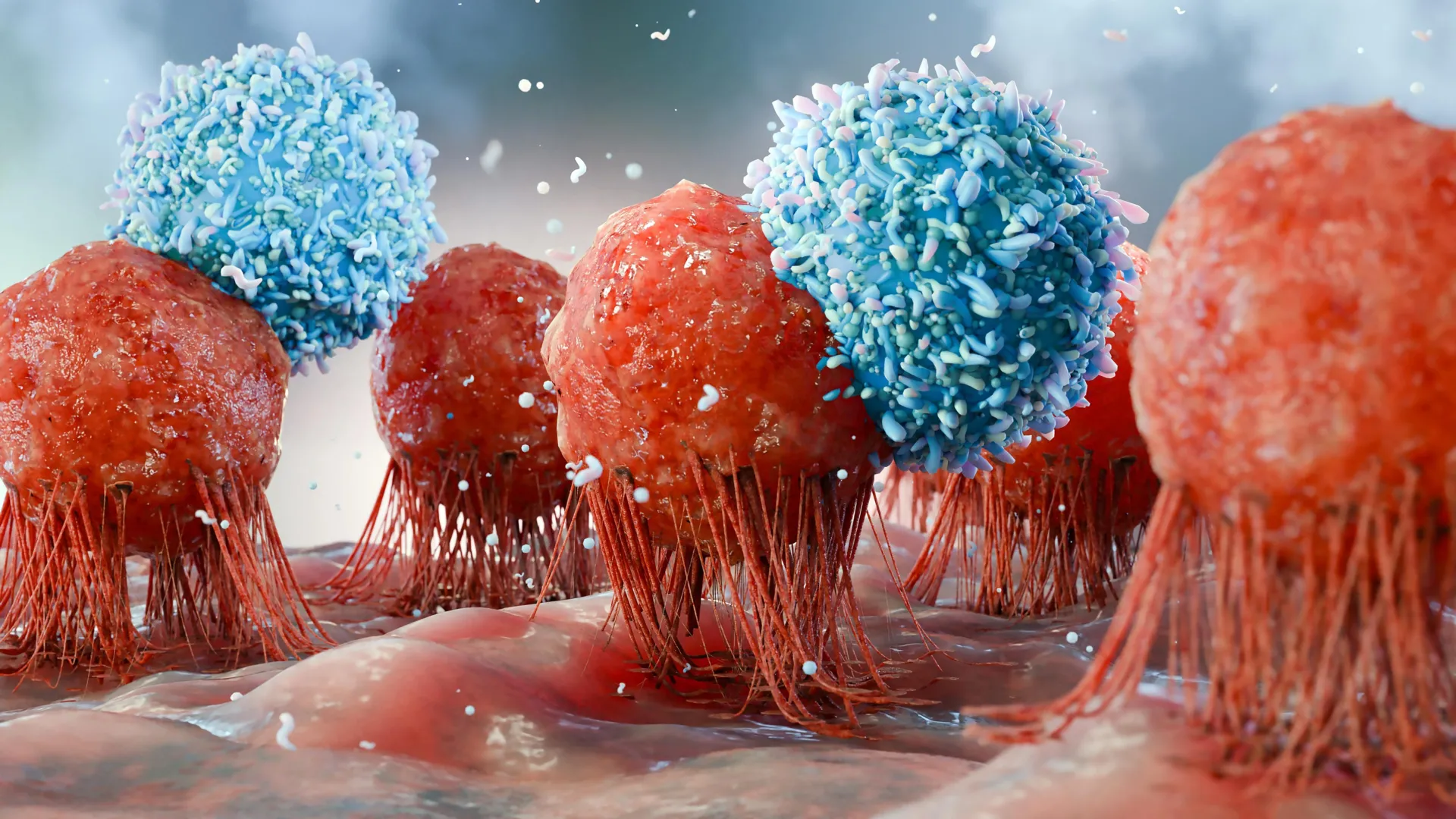
Researchers at Trinity College Dublin (TCD) and University College Dublin (UCD) have made a significant discovery, revealing that a common yeast-based dietary supplement can bolster the immune cells responsible for combating cancer in obese laboratory mice. This groundbreaking research, published in the esteemed scientific journal Cell Reports, suggests a novel dietary strategy to enhance immune function, particularly in populations where it is compromised, such as those affected by obesity. The findings indicate that the supplement, specifically yeast beta-glucan, can effectively reprogram early-stage immune cells, leading to more robust and sustained anti-tumor responses, even reversing long-term immune memory defects that persist after weight loss.
The study, a collaborative effort between two of Ireland’s leading academic institutions, was co-led by Frederick Sheedy, Associate Professor in Immunology in Trinity’s School of Biochemistry and Immunology, and Helen Roche, Professor in Nutrigenomics at the UCD School of Public Health, Physiotherapy and Sports Science and Director of the UCD Conway Institute. Their work illuminates a potential pathway for dietary interventions to complement existing cancer treatments and improve immune resilience in a broad spectrum of individuals.
The Pervasive Challenge of Obesity and Immune Dysfunction
Obesity has emerged as one of the most pressing global health crises of the 21st century. According to the World Health Organization (WHO), worldwide obesity has nearly tripled since 1975, with over 1 billion people currently affected, including 650 million adults, 340 million adolescents, and 39 million children. This metabolic disorder is not merely a cosmetic concern; it is a complex disease linked to a myriad of severe health complications, including cardiovascular disease, type 2 diabetes, and certain types of cancer. Crucially, obesity profoundly impacts immune function, often leading to a state of chronic low-grade inflammation that can impair the body’s ability to mount effective responses against pathogens and, critically, against cancerous cells.
The link between obesity and cancer risk is well-established. Data from the International Agency for Research on Cancer (IARC) indicates that overweight and obesity are associated with an increased risk of developing at least 13 types of cancer, including colorectal, breast (postmenopausal), uterine, kidney, liver, and esophageal adenocarcinomas. The mechanisms behind this link are multifaceted, involving hormonal imbalances, altered growth factor signaling, and, significantly, chronic inflammation and immune dysregulation. Obese individuals often exhibit compromised immune surveillance, with altered activity of natural killer (NK) cells, T lymphocytes, and macrophages, all vital components of the anti-tumor immune response. This interference makes it inherently more challenging for the body to detect and eliminate nascent tumors effectively.
A particularly challenging aspect highlighted by the Trinity and UCD research is that these immune dysfunctions can persist even after an individual achieves weight loss. This "immune memory defect" represents a major unmet clinical challenge, as it suggests that simply losing weight might not fully erase the long-term immunological scars left by obesity, potentially leaving individuals vulnerable to cancer recurrence or progression. This critical observation underscores the need for interventions that can directly address and restore immune competence.
Unlocking "Trained Immunity" Through Diet
The core of the research delves into the concept of "trained immunity," a relatively new paradigm in immunology that describes the ability of the innate immune system to "remember" previous encounters with certain stimuli and respond more robustly to subsequent challenges. Unlike adaptive immunity, which involves highly specific B and T cells, trained immunity operates through epigenetic and metabolic reprogramming of innate immune cells, such as monocytes and macrophages, leading to enhanced inflammatory responses. This phenomenon offers an exciting avenue for boosting general immune resilience against various threats, including cancer.
The research specifically investigated yeast beta-glucan, a naturally occurring polysaccharide found in the cell walls of baker’s yeast (Saccharomyces cerevisiae). Beta-glucans, broadly, are known for their immunomodulatory properties and have been studied for decades, with some forms used traditionally for their health benefits. The particular yeast beta-glucan utilized in this study, WellmuneTM, supplied by Kerry Group, is already commercially available as a food-grade dietary supplement with an established safety record. This existing availability significantly streamlines the path toward potential human clinical trials, bypassing lengthy initial safety assessments typically required for novel compounds.
Dr. Anna Ledwith, a postdoctoral researcher in Professor Roche’s group and the first author of the research paper, articulated the central hypothesis: "We wanted to investigate whether a common dietary supplement, yeast beta-glucan, could reprogram early-stage immune cells in the bone marrow to produce long-lasting, enhanced anti-tumor immune responses." The researchers designed a meticulous experimental setup involving obese laboratory mice, a critical model for understanding human disease given the global prevalence of obesity.
Experimental Design and Key Discoveries
The study involved feeding mice either a standard diet or a high-fat diet, with a subset of each group receiving supplementation with yeast beta-glucan for a period ranging from 4 to 12 weeks. Following this dietary intervention, the mice’s immune systems were challenged with various types of cancer cells, including those responsible for colorectal, skin, and breast cancer – representing a diverse range of oncological threats. A crucial aspect of the experimental design was to determine not only if yeast supplementation could overcome immune dysfunction caused by obesity but also whether these protective effects would persist even after the mice underwent weight loss, directly addressing the "unmet clinical challenge" identified by Professor Roche.
The findings were unequivocal and highly encouraging. The researchers observed that adding the yeast beta-glucan supplement to the animals’ diets fundamentally altered the developmental trajectory of their immune cells. Specifically, it led to the epigenetic and metabolic reprogramming of bone marrow stem cells, which are the progenitors of all immune cells. This "training" of the immune system resulted in significantly stronger cancer-fighting responses.
Professor Roche underscored the novelty of the dietary delivery method: "This is the first demonstration that dietary delivery of yeast beta-glucan is sufficient to induce trained immunity through reprogramming of bone marrow stem cells. Previous research required injections to achieve similar effects." This distinction is paramount for practical application, as a simple dietary supplement is far more accessible and less invasive than injectable treatments, making it a more viable option for widespread use as a prophylactic or complementary therapy.
Furthermore, the study provided compelling evidence that the dietary intervention effectively restored anti-tumor innate immunity in obese mice. Even more remarkably, it reversed the long-term immune memory defects that lingered after weight loss, directly addressing the persistent vulnerability associated with prior obesity. This particular finding holds immense clinical significance, offering hope for individuals who have successfully lost weight but may still face an elevated risk of cancer due to lasting immune impairments.
Official Perspectives and Broader Implications
The researchers involved are optimistic about the future implications of their work. Professor Frederick Sheedy highlighted the translational potential: "This research paves the way for dietary intervention studies in people living with obesity, chronic infections and other immunocompromised populations. The yeast beta-glucan used, WellmuneTM, from Kerry Group, is already food-grade and commercially available, facilitating rapid clinical trials." This ready availability of the specific compound significantly shortens the typical development timeline for new therapeutic agents, potentially accelerating its path to human application.
Professor Roche elaborated on the broad impact of their findings: "Crucially, this dietary intervention restores anti-tumor innate immunity in obese mice and reverses long-term immune memory defects that persist even after weight loss, a major unmet clinical challenge." This statement reinforces the profound clinical relevance, as cancer continues to be a leading cause of death globally, with the World Health Organization estimating 10 million deaths annually. The search for safe, widely available approaches to restore immune function and complement existing cancer treatments is therefore a critical global health priority.
The potential applications extend beyond cancer. A strengthened immune system could also lead to improved responses to vaccinations and enhanced resistance to a variety of infections, particularly in immunocompromised individuals. This is especially relevant in an era where global health security is paramount, and the need for robust immune systems against emerging pathogens is increasingly recognized.
The Road Ahead: Human Clinical Trials
While the findings in mice are highly promising, the next crucial step is to translate these results into human clinical trials. The researchers explicitly state that the findings could now support dietary intervention studies involving people with obesity, chronic infections, and other conditions associated with weakened immune function. The fact that WellmuneTM is already a commercially available, food-grade supplement means that these clinical trials could potentially commence relatively quickly, focusing on efficacy and safety in diverse human populations.
Future studies will need to meticulously determine whether the immune benefits observed in mice can be reliably reproduced in humans. This will involve investigating optimal dosing, duration of supplementation, and identifying the specific patient populations most likely to benefit. Researchers will also seek to further elucidate the precise molecular mechanisms by which yeast beta-glucan exerts its effects, potentially uncovering new targets for immune modulation.
The prospect of a simple dietary supplement acting as a powerful adjuvant to the body’s anti-cancer defenses is compelling. It offers a vision where such a supplement could work synergistically with established treatments like chemotherapy and immunotherapy, potentially enhancing their effectiveness, mitigating side effects, and improving patient outcomes. In a world grappling with the dual burdens of obesity and cancer, this research from Trinity College Dublin and University College Dublin offers a beacon of hope for a future where dietary strategies play a more prominent role in fortifying human immunity and fighting disease. The journey from laboratory discovery to widespread clinical application is often long and complex, but these findings mark a pivotal and encouraging step forward.
