
 By Suherman Candra Maholtra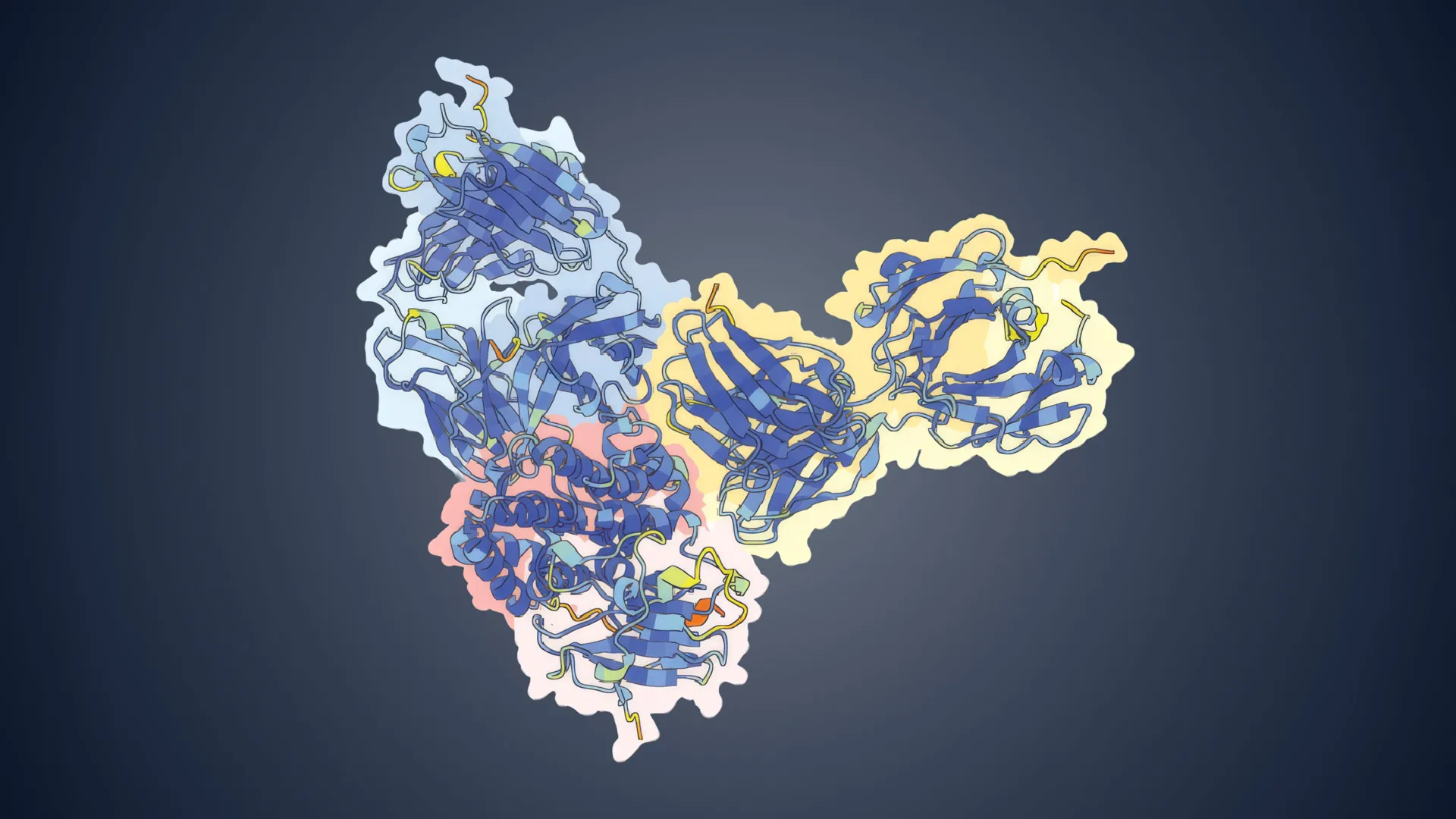
The global medical community has reached a significant milestone in the fight against the monkeypox virus (MPXV) as an international coalition of scientists, powered by advanced artificial intelligence, has identified a critical viral surface protein that could revolutionize vaccine development. In a landmark study published in the journal Science Translational Medicine, researchers from the University of Texas at Austin and the Fondazione Biotecnopolo di Siena in Italy detailed how they utilized the AlphaFold 3 AI model to pinpoint a previously overlooked protein, OPG153, which serves as a highly effective target for neutralizing antibodies. This discovery represents a fundamental shift from traditional whole-virus vaccines toward more precise, protein-based immunizations that promise higher efficacy, lower production costs, and broader accessibility for vulnerable populations, including children and those with compromised immune systems.
The Global Health Context and the 2022 Mpox Emergency
The urgency of this research is underscored by the 2022 global mpox outbreak, which caught many international health agencies off guard. While mpox—a zoonotic viral disease caused by the monkeypox virus—has been endemic in parts of Central and West Africa for decades, its rapid spread across more than 100 non-endemic countries in 2022 signaled a new era of viral threat. During that period, the virus infected more than 150,000 individuals worldwide, leading to nearly 500 confirmed fatalities.
The clinical manifestation of mpox is often severe, characterized by a prodromal phase of fever, intense headache, lymphadenopathy (swelling of the lymph nodes), and back pain, followed by the development of a painful rash. These lesions can evolve from macules to papules, vesicles, and pustules before finally crusting over. In severe cases, the virus can lead to secondary infections, bronchopneumonia, sepsis, encephalitis, and infection of the cornea with ensuing loss of vision.
Historically, the primary defense against mpox has been the administration of vaccines originally developed for smallpox, such as the JYNNEOS vaccine. While effective, these vaccines utilize whole, weakened viruses. The manufacturing process for whole-virus vaccines is notoriously complex, requiring high-containment biological facilities, long lead times, and significant financial investment. This creates a bottleneck in supply during emergencies, often leaving low-income regions and high-risk groups without adequate protection. The newly identified protein-based approach aims to eliminate these hurdles by focusing on a single, easily synthesized component of the virus.
Methodology: The Synthesis of Human Immunity and Artificial Intelligence
The breakthrough was achieved through a multi-stage process that combined traditional immunology with cutting-edge computational biology. The research team began by analyzing the immune responses of individuals who had either recovered from a natural mpox infection or had been vaccinated with existing smallpox immunizations.
Rino Rappuoli and Emanuele Andreano at the Fondazione Biotecnopolo di Siena successfully isolated 12 specific antibodies from these patients that demonstrated a potent ability to neutralize the monkeypox virus. However, isolating the antibodies was only half the battle. To create a vaccine that could "teach" the immune system to produce these specific antibodies, the scientists needed to identify exactly which of the virus’s many surface proteins the antibodies were latching onto.
The monkeypox virus is biologically complex, displaying approximately 35 different proteins on its outer surface. Determining which of these proteins is the "antigen"—the specific key that the antibody "lock" fits into—would typically require years of painstaking laboratory trial and error. To bypass this timeline, the team turned to AlphaFold 3, an AI model developed by Google DeepMind and Isomorphic Labs that predicts the structures and interactions of biological molecules with unprecedented accuracy.
Jason McLellan, a professor of molecular biosciences at UT Austin and a co-lead author of the study, noted that the AI model analyzed the viral proteins and predicted with high confidence that the antibodies would bind strongly to a specific protein called OPG153. Subsequent laboratory validation confirmed the AI’s prediction, marking OPG153 as a premier candidate for vaccine and therapeutic development.
Chronology of the Discovery and Research Timeline
The path to this discovery followed a rigorous scientific timeline that reflects the evolving landscape of vaccine technology:
- Pre-2022: Mpox remained largely confined to regional outbreaks in Africa, with limited international research funding compared to other viral threats.
- May 2022: A sudden surge in cases in the United Kingdom and Europe triggered a global health alert, leading the World Health Organization (WHO) to eventually declare a Public Health Emergency of International Concern (PHEIC).
- Late 2022 – Early 2023: Researchers in Italy began collecting blood samples from recovered patients to isolate naturally occurring neutralizing antibodies.
- 2023: The UT Austin team integrated AlphaFold 3 into their workflow to screen the viral proteome against the isolated antibodies.
- Late 2023: OPG153 was identified and validated in vitro. Researchers began engineering a stabilized version of the protein to serve as a vaccine antigen.
- 2024: Results were published in Science Translational Medicine, showing that mice immunized with the OPG153 protein produced robust neutralizing antibodies, effectively mirroring the immune response found in human survivors.
Technical Analysis of OPG153 and Reverse Vaccinology
The strategy employed by McLellan and his colleagues is known as "reverse vaccinology." Traditional vaccinology often involves taking a pathogen and weakening or killing it to see if it triggers an immune response. Reverse vaccinology turns this process upside down: it starts with the end goal—the protective antibodies—and works backward to find the specific piece of the virus that triggered them.
OPG153 emerged as the critical target because it is essential for the virus’s ability to spread from cell to cell. By training the immune system to recognize and attack this specific protein, a vaccine can prevent the virus from establishing a foothold in the body.
"Unlike a whole-virus vaccine that’s big and complicated to produce, our innovation is just a single protein that’s easy to make," McLellan explained. This simplicity is vital for scalability. Protein subunit vaccines, such as those used for Hepatitis B or the more recent Novavax COVID-19 vaccine, can be manufactured using standard bioreactors and do not require the same level of high-security bio-containment as live-virus production.
Implications for Smallpox and Biosecurity
The discovery of the OPG153 target has implications that extend far beyond the current mpox threat. Because the monkeypox virus is a close relative of the variola virus—the causative agent of smallpox—the findings offer a potential pathway for next-generation smallpox defenses.
Smallpox was declared eradicated in 1980, but it remains a primary concern for biosecurity experts due to its high mortality rate (approximately 30%) and its potential for aerosolized transmission. Current stockpiles of smallpox vaccines rely on the same whole-virus technology that faces manufacturing limitations. A protein-based vaccine targeting a conserved antigen like OPG153 could provide a safer, more stable, and more rapidly deployable alternative in the event of a smallpox re-emergence or a laboratory accident.
Supporting Data and Economic Impact
The shift toward protein-based vaccines is supported by significant economic and logistical data.
- Production Speed: While live-virus vaccines can take months to culture and harvest, protein subunits can often be produced in weeks once the genetic sequence is optimized.
- Safety Profile: Because there is no live genetic material from the virus, there is zero risk of the vaccine causing the disease, making it safer for pregnant women and immunocompromised individuals who are often advised against live-attenuated vaccines.
- Stability: Protein vaccines are generally more thermally stable than live viruses, reducing the "cold chain" requirements that make vaccine distribution difficult in tropical or rural regions.
The University of Texas at Austin has already filed a patent application for the use of OPG153 and its derivatives as a vaccine antigen. Concurrently, the Fondazione Biotecnopolo di Siena has filed for patents regarding the specific antibodies that target the protein. These legal steps are essential for attracting the pharmaceutical partnerships necessary to move the research into human clinical trials.
Future Outlook and Expert Reactions
The scientific community has reacted with optimism to the study’s findings. Experts in the field of "structural vaccinology"—a field Jason McLellan helped pioneer through his previous work on the stabilized spike protein used in nearly all major COVID-19 vaccines—view this as a template for future pandemic preparedness.
"It would have taken years to find this target without AI," McLellan stated, highlighting the transformative power of computational tools in biology. "It was really exciting because no one had ever considered it before for vaccine or antibody development. It had never been shown to be a target of neutralizing antibodies."
The next phase of research will involve refining the OPG153 antigen to maximize its "immunogenicity"—its ability to provoke a strong immune response. The research team is also looking at "multivalent" vaccine designs, which might combine OPG153 with other viral proteins to create a "cocktail" that provides even more comprehensive protection against various strains of orthopoxviruses.
As the team moves toward human clinical trials, the focus will remain on ensuring that the resulting treatments are not only scientifically superior but also globally equitable. By moving away from the "big and complicated" manufacturing models of the past, this AI-driven discovery brings the world one step closer to a future where viral outbreaks can be contained with speed, precision, and efficiency.
