
 By Suherman Candra Maholtra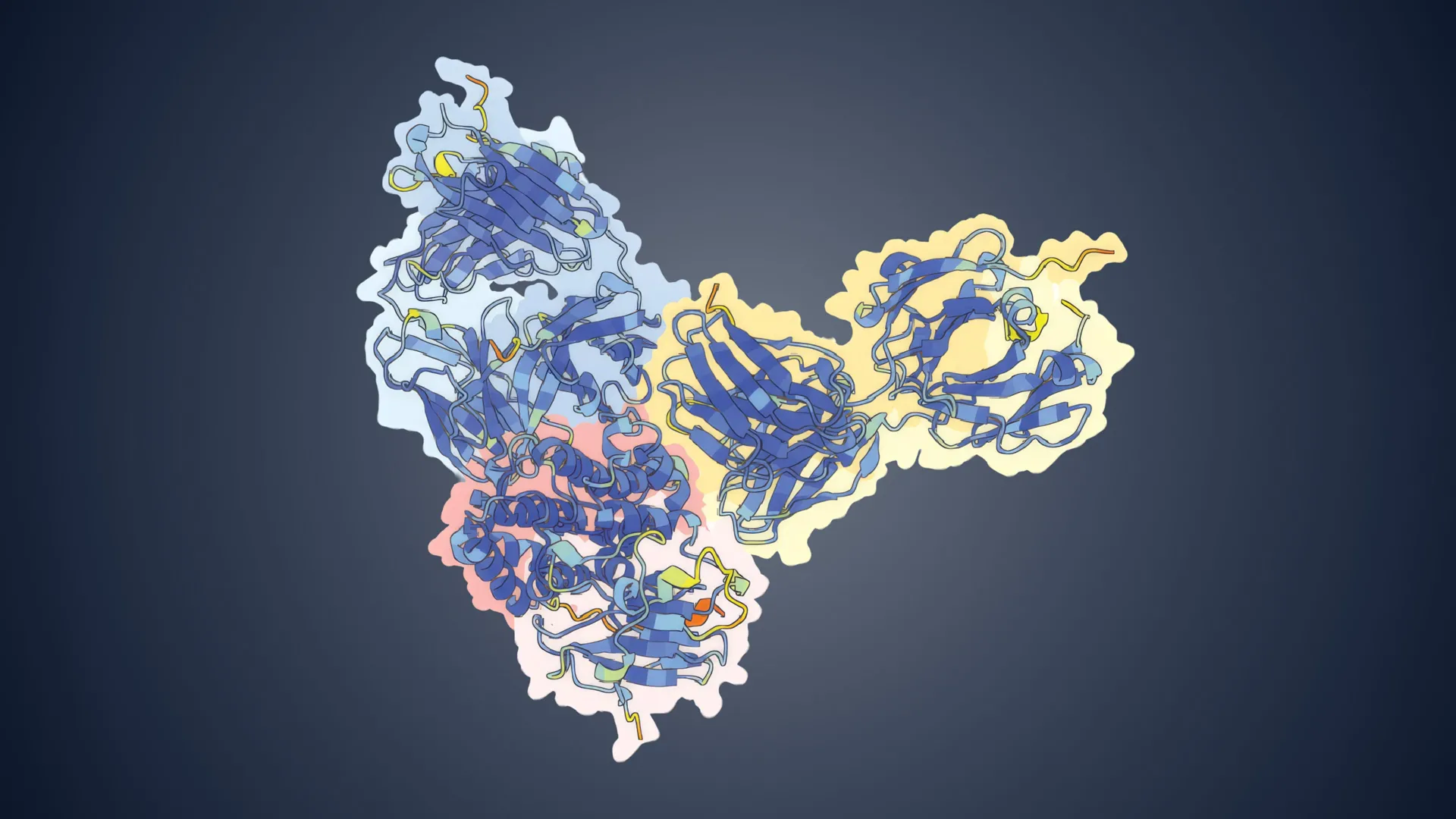
In a significant advancement for global public health, an international consortium of researchers has successfully leveraged artificial intelligence to identify a pivotal viral protein that could revolutionize the way the world defends against the monkeypox virus (MPXV). The study, recently published in the prestigious journal Science Translational Medicine, highlights a transition from traditional, complex vaccine manufacturing toward a more streamlined, protein-based approach. By utilizing the AlphaFold 3 AI model, scientists from The University of Texas at Austin and the Fondazione Biotecnopolo di Siena in Italy have pinpointed a specific antigen that triggers a robust immune response, offering a potential path toward more accessible and effective treatments for a virus that has caused widespread suffering across the globe.
The monkeypox virus, a member of the Orthopoxvirus genus, is known to cause excruciating pain, systemic illness, and, in severe instances, mortality. While the general population is susceptible, the virus poses a disproportionate risk to vulnerable groups, including children, pregnant women, and individuals with compromised immune systems. The findings of this study suggest that a single viral surface protein, identified through computational analysis and confirmed in laboratory settings, can stimulate the production of powerful neutralizing antibodies in animal models. This discovery marks a critical milestone in the development of medical countermeasures against mpox and its deadlier relative, smallpox.
The Global Burden and the Need for Innovation
The urgency of this research is underscored by the 2022 global mpox outbreak, which saw the virus spread rapidly across more than 100 countries, many of which had no prior history of the disease. During this period, more than 150,000 laboratory-confirmed cases were reported, resulting in nearly 500 deaths. The clinical presentation of mpox typically involves fever, respiratory symptoms, and a distinctive rash that progresses into painful lesions. For many patients, the recovery process is long and physically debilitating, often leaving behind permanent scarring.
To manage the 2022 emergency, health officials relied heavily on existing smallpox vaccines, such as JYNNEOS (MVA-BN). While effective, these vaccines are "whole-virus" vaccines, meaning they utilize a weakened form of a live virus to train the immune system. This traditional methodology, though proven, presents significant logistical and economic hurdles. Whole-virus vaccines are difficult to manufacture at scale, require stringent cold-chain storage, and are expensive to produce. Furthermore, because they involve a complex viral structure, they can be more difficult for the body to process than a targeted, synthetic alternative.
Jason McLellan, a professor of molecular biosciences at UT Austin and a co-lead author of the study, emphasized the logistical shift represented by the new discovery. "Unlike a whole-virus vaccine that’s big and complicated to produce, our innovation is just a single protein that’s easy to make," McLellan stated. This simplification is not merely a matter of convenience; it is a prerequisite for ensuring vaccine equity and rapid response capabilities during future outbreaks.
A Technological Leap: The Role of AlphaFold 3
The primary challenge in designing a protein-based vaccine for MPXV lies in the sheer complexity of the virus itself. MPXV is a large, enveloped DNA virus that displays approximately 35 different proteins on its surface. For decades, scientists have known that at least one of these proteins is essential for the virus to enter human cells and spread infection, but identifying the exact "key" that fits the immune system’s "lock" was a monumental task.
To bridge this gap, the research team turned to AlphaFold 3, an advanced artificial intelligence model developed by Google DeepMind. AlphaFold 3 is designed to predict the 3D structures of proteins and how they interact with other molecules, including antibodies. The research team input the sequences of the roughly 35 viral surface proteins into the model to determine which ones would bind most effectively to antibodies isolated from human survivors.
The AI model identified a protein designated as OPG153 with exceptionally high confidence. Before this computational intervention, OPG153 had largely been overlooked by the scientific community. It had never been characterized as a primary target for neutralizing antibodies. Laboratory testing subsequently validated the AI’s prediction, showing that OPG153 was indeed a potent antigen.
"It would have taken years to find this target without AI," McLellan noted. "It was really exciting because no one had ever considered it before for vaccine or antibody development. It had never been shown to be a target of neutralizing antibodies."
Methodology: The Power of Reverse Vaccinology
The study utilized a strategy known as "reverse vaccinology," a term coined by co-lead author Rino Rappuoli. In traditional vaccinology, scientists start with the pathogen and try to weaken it. In reverse vaccinology, the process begins with the immune system of a survivor.
The research began in Italy, where Rino Rappuoli and Emanuele Andreano at the Fondazione Biotecnopolo di Siena analyzed blood samples from individuals who had either recovered from an mpox infection or had been vaccinated against smallpox. They successfully isolated 12 specific antibodies that demonstrated the ability to neutralize the monkeypox virus. However, while they possessed the "weapons" (the antibodies), they did not yet know the "target" (the antigen) on the virus that these weapons were attacking.
By combining these patient-derived antibodies with the computational power of AlphaFold 3, the team was able to work backward. Once the AI identified OPG153 as the likely target, the team engineered the protein and administered it to mice. The result was the production of strong neutralizing antibodies in the animal models, mirroring the natural immune response found in human survivors.
Chronology of the Mpox Crisis and Research Response
The development of this new vaccine candidate follows a timeline of escalating global concern regarding orthopoxviruses:
- Pre-2022: Mpox was considered an endemic disease primarily limited to Central and West Africa, with sporadic outbreaks linked to animal-to-human transmission.
- May 2022: A cluster of cases was identified in the United Kingdom, marking the beginning of an unprecedented multi-country outbreak.
- July 2022: The World Health Organization (WHO) declared mpox a Public Health Emergency of International Concern (PHEIC).
- Late 2022 – 2023: Global vaccination efforts using smallpox vaccines began to curb the spread, but access remained highly unequal, with low-income nations facing severe shortages.
- 2024: Researchers published the OPG153 discovery, offering a "next-generation" solution designed for easier mass production and global distribution.
Comparative Analysis and Implications for Smallpox
The discovery of OPG153 has implications that extend beyond the current mpox threat. Because the monkeypox virus is genetically and structurally similar to the variola virus—the causative agent of smallpox—the findings could lead to improved smallpox defenses.
Smallpox was officially eradicated in 1980, but it remains a significant concern for national security and global health due to its high mortality rate (approximately 30%) and the potential for accidental or intentional release. Current smallpox stockpiles rely on the same whole-virus technology as mpox vaccines. A protein-based smallpox vaccine derived from the OPG153 research could provide a safer, more stable, and more rapidly deployable alternative for national strategic stockpiles.
Furthermore, the success of this study validates the use of AI in pandemic preparedness. The ability to move from antibody isolation to antigen identification in a fraction of the traditional time suggests that this workflow could be applied to other emerging infectious diseases, potentially shortening the window between the emergence of a new virus and the development of a viable vaccine.
Official Responses and Intellectual Property
The significance of the discovery is reflected in the immediate steps taken by the participating institutions to secure the intellectual property surrounding OPG153. The University of Texas at Austin has filed a patent application for the use of OPG153 and its various derivatives as a vaccine antigen. Concurrently, the Fondazione Biotecnopolo di Siena has filed for a patent regarding the specific antibodies that target this protein.
These patent filings are essential for attracting the commercial partnerships required to move the research from the laboratory into clinical trials. Jason McLellan, who holds the Robert A. Welch Chair in Chemistry at UT Austin, is no stranger to this process; his previous work on stabilizing the coronavirus spike protein was instrumental in the development of the highly successful COVID-19 vaccines from Pfizer-BioNTech and Moderna.
Contributors to the study at UT Austin included Emily Rundlet, Ling Zhou, and Connor Mullins, with funding support provided in part by the Welch Foundation. The collaboration between the American and Italian teams highlights the necessity of international cooperation in the face of global health threats.
The Path Forward: From Mice to Humans
While the results in mice are highly promising, the research team is now focused on the long-term goal of human clinical trials. The next phase of research involves refining the OPG153 antigen to maximize its stability and immunogenicity. Scientists are also investigating whether a combination of antigens—rather than a single protein—might provide even broader protection against various strains of the virus.
The ultimate objective is a "next-generation" vaccine that is not only effective but also shelf-stable and cost-efficient. Such a vaccine would be particularly transformative for regions with limited healthcare infrastructure, where the ultra-cold storage requirements of some modern vaccines remain a barrier to access.
In conclusion, the identification of OPG153 through AI-assisted reverse vaccinology represents a landmark achievement in infectious disease research. By simplifying the vaccine from a complex, whole virus to a single, targeted protein, the scientific community has moved one step closer to a future where mpox and related viruses can be managed with greater precision, lower costs, and increased global equity. The study stands as a testament to the power of combining human immunological data with the predictive capabilities of artificial intelligence to solve some of the most pressing challenges in modern medicine.
