
 By Budi Oetomo Narendra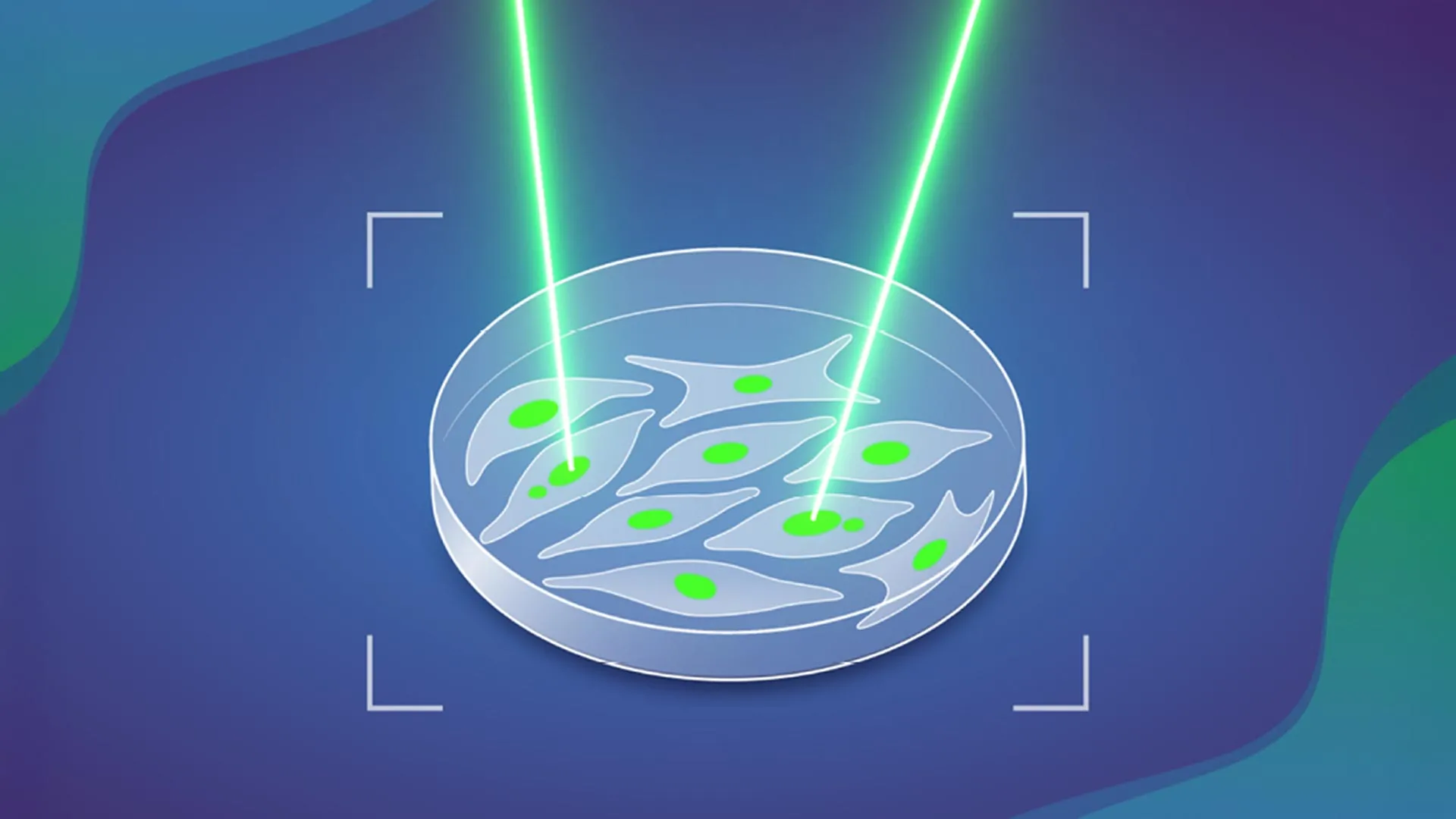
In a significant leap forward for oncology research, scientists at EMBL Heidelberg have unveiled a groundbreaking artificial intelligence (AI) based tool designed to unravel the mysteries behind the genesis of these critical chromosomal abnormalities. Developed by the Korbel Group, this powerful technology promises to illuminate the precise conditions under which these genomic errors arise, thereby deepening our understanding of the fundamental mechanisms driving cancer initiation and progression. This innovation marks a pivotal moment in the fight against a disease that affects millions globally, offering unprecedented precision and scale in cellular analysis.
Unmasking the Drivers of Aggressive Cancers
Chromosomal abnormalities are far from benign genetic hiccups; they are potent instigators of some of the most aggressive and challenging forms of cancer. According to Jan Korbel, a senior scientist at EMBL and the senior author of the new study published in the prestigious journal Nature, these defects are "a main driver for particularly aggressive cancers, and they’re highly linked to patient death, metastasis, recurrence, chemotherapy resistance, and fast tumor onset." This stark assessment underscores the urgent need to comprehend the origins of these aberrations. The research team’s primary objective was to discern "what determines the likelihood that cells undergo such chromosomal alterations, and what’s the rate at which such abnormalities arise when a still normal cell divides." Answering these questions is crucial for developing strategies to prevent, detect, and treat cancer more effectively.
Cancer, in its myriad forms, remains a leading cause of mortality worldwide. In 2022, the World Health Organization reported that cancer was responsible for nearly 10 million deaths globally. A significant proportion of these fatalities are attributed to aggressive cancers characterized by high genomic instability, a hallmark of which are chromosomal abnormalities. These include aneuploidy (an abnormal number of chromosomes), large-scale structural rearrangements like translocations, inversions, deletions, and duplications. Such alterations can profoundly impact gene expression, leading to uncontrolled cell proliferation, resistance to programmed cell death, and the capacity for metastasis—the spread of cancer cells to distant sites in the body. Understanding the early events that foster this genomic chaos is paramount to intervening before cancer becomes entrenched and aggressive.
A Century-Old Hypothesis Meets 21st-Century Technology
The notion that abnormal chromosomes play a role in cancer is not new; it is a hypothesis that dates back more than a century. German zoologist Theodor Boveri first proposed this revolutionary idea in 1914. After meticulously studying sea urchin cells under a microscope, Boveri observed that abnormal chromosomal content could disrupt normal cell division and growth, leading him to hypothesize a direct link between chromosomal irregularities and cancerous transformation. His prescient work, detailed in his monograph "Zur Frage der Entstehung maligner Tumoren" (On the Problem of the Origin of Malignant Tumors), laid the intellectual groundwork for much of modern cancer genetics, despite predating the discovery of DNA’s structure.
Despite Boveri’s profound insight, proving and systematically studying these abnormalities proved exceedingly difficult for decades. The primary challenge lay in the rarity and fragility of cells exhibiting such defects. At any given moment, only a minute fraction of cells in a population display significant chromosomal abnormalities. Furthermore, many of these abnormal cells are naturally eliminated through cellular surveillance mechanisms or undergo apoptosis (programmed cell death) due to the severe genomic stress they experience. This natural selection process, while beneficial for maintaining tissue health, meant that researchers traditionally had to engage in the painstakingly slow and labor-intensive process of manually identifying and isolating these rare cells under a microscope. This manual approach allowed for the study of only a handful of cells at a time, severely limiting the scope and speed of research. The sheer scale of cellular populations and the transient nature of these defects rendered comprehensive analysis an almost insurmountable task.
The Genesis of MAGIC: A Collaborative Breakthrough
Recognizing these persistent technical limitations, Marco Cosenza, a Research Scientist in the Korbel Group, spearheaded the development of a novel solution. His journey began through collaborations with other EMBL teams facing similar bottlenecks in their respective fields. The culmination of these interdisciplinary efforts is the machine learning-assisted genomics and imaging convergence (MAGIC) system – an automated platform that seamlessly integrates advanced microscopy, single-cell sequencing, and cutting-edge artificial intelligence.
The development process itself reflects a modern approach to scientific innovation. Cosenza, leveraging his diverse interests in genomics, microscopic imaging, and robotic automation, found a unique opportunity during the COVID-19-related lockdown in 2020. "During the COVID-19-related lockdown in 2020, I could really spend some time on learning and applying AI computer vision technologies to the biological image data we had collected before," Cosenza remarked. This period of focused development allowed him to design and train the core AI algorithms, which were subsequently validated through rigorous experimental designs. The project underscores how interdisciplinary expertise and even unforeseen global events can catalyze significant scientific progress.
AI-Powered Precision: "Laser Tag" for Anomalous Cells
At its core, MAGIC operates with remarkable precision, akin to a sophisticated, automated cellular "laser tag" system. The platform is engineered to rapidly scan vast populations of cells and identify those exhibiting specific visible features indicative of chromosomal abnormalities. In the context of this study, the researchers focused on a critical biomarker: the micronucleus.
Micronuclei are small, membrane-bound compartments within a cell’s cytoplasm that contain whole chromosomes or chromosome fragments that have been excluded from the main nucleus during cell division. Their presence is a robust indicator of genomic instability, arising from errors during mitosis, such as chromosome missegregation, DNA replication stress, or defects in the spindle apparatus. Cells containing micronuclei are known to be significantly more prone to developing additional chromosomal abnormalities, thereby accelerating their trajectory toward a cancerous state. They serve as an early warning sign, a cellular distress signal that the genome is in peril.
Once the MAGIC system detects a cell containing a micronucleus, it employs a highly targeted laser to mark it. This innovative tagging process utilizes a photoconvertible dye—a specialized fluorescent molecule that changes the color of light it emits upon exposure to a specific wavelength of light. This permanent, laser-induced "tag" acts as a unique identifier for the anomalous cells, setting them apart from the healthy majority.
The Mechanics of High-Throughput Genomic Analysis
The MAGIC system executes its task through a series of carefully orchestrated automated steps, transforming a once-arduous manual process into a high-throughput pipeline:
-
Automated Image Acquisition: The process begins with an automated microscope capturing a vast array of high-resolution images from a sample containing a population of living cells. This initial step rapidly generates a rich dataset for subsequent analysis.
-
Machine Learning-Driven Identification: The captured images are then fed into a sophisticated machine learning algorithm. This algorithm has been rigorously trained using a large dataset of manually labeled examples of micronuclei-containing cells, allowing it to accurately and autonomously recognize these specific cellular features. The AI’s ability to discern subtle visual cues that might be missed by the human eye, or to process images at speeds impossible for manual inspection, is central to MAGIC’s power.
-
Precision Laser Tagging: Upon detecting a cell with a micronucleus, the algorithm immediately relays its precise spatial coordinates to the microscope. The microscope then directs an ultra-fine beam of light—the "laser tag"—at that specific cell. The photoconvertible dye within the cell undergoes a color change, permanently marking it without harming its viability.
-
Isolation and Downstream Analysis: After the tagging process, researchers can easily isolate these marked cells from the broader living cell population using established techniques such as flow cytometry. Flow cytometry uses lasers to detect and sort cells based on their fluorescent properties. Once isolated, these enriched populations of abnormal cells become available for more detailed and in-depth study, including comprehensive genomic analysis. This could involve whole-genome sequencing to map all chromosomal alterations, RNA sequencing to understand gene expression changes, or epigenomic profiling to examine DNA methylation patterns. By focusing resources on the relevant cells, MAGIC dramatically improves the efficiency and impact of subsequent genomic investigations.
The transformative potential of MAGIC lies in its ability to overcome the historical bottleneck of manual cell sorting. By replacing a process that was slow, labor-intensive, and prone to human error, MAGIC allows scientists to examine orders of magnitude more cells than previously feasible. In less than a single day, the system can analyze close to 100,000 cells, generating a statistically robust dataset that was simply unattainable through traditional methods. This high-throughput capability opens new avenues for discovery, enabling researchers to explore rare events and subtle cellular changes that are critical for understanding disease progression.
Quantifying the Rate of Genomic Instability
Utilizing the unprecedented capabilities of MAGIC, the Korbel Group conducted a crucial study on chromosomal abnormalities in cultured cells derived from normal human tissues. Their findings provided critical quantitative insights into the frequency of these genomic errors. The analysis revealed that slightly more than 10% of spontaneous cell divisions result in the production of new chromosomal abnormalities. This baseline rate highlights the inherent instability within even "normal" cellular processes and underscores the constant genomic challenges cells face.
The researchers further investigated the influence of key genetic factors on this rate. They specifically examined the impact of mutations in the p53 gene. The p53 gene is often referred to as the "guardian of the genome" due to its pivotal role as a tumor suppressor. It is a critical transcription factor that regulates the cell cycle, apoptosis, and DNA repair pathways, primarily by initiating a cellular response to DNA damage or other cellular stresses. When p53 is functional, it acts as a robust checkpoint, often halting cell division or inducing cell death in cells with significant genomic damage. However, when the p53 gene is mutated or dysfunctional, this vital safeguard is compromised. The study revealed a striking correlation: when p53 is mutated, the rate of spontaneous chromosomal abnormalities nearly doubles, soaring to almost 20% of cell divisions. This finding powerfully demonstrates the critical role of p53 in maintaining genomic integrity and explains why p53 mutations are among the most common genetic alterations found in human cancers, present in over 50% of all tumor types.
Beyond p53, the team also explored other factors contributing to the formation of chromosomal abnormalities, including the presence and precise position of double-stranded DNA breaks within chromosomes. These breaks are among the most dangerous forms of DNA damage, as they can lead to large-scale genomic rearrangements if not repaired accurately. Understanding how these breaks contribute to broader chromosomal instability offers further targets for intervention.
Broad Potential and Future Implications
The development of the MAGIC system was a testament to collaborative science, involving expertise from various disciplines both within and outside EMBL. Key contributors included the Advanced Light Microscopy Facility (ALMF) and the Pepperkok Team at EMBL Heidelberg, which provided critical imaging and technical support. Further genomic and bioinformatic insights came from Isidro Cortes-Ciriano’s group at EMBL-EBI, while Andreas Kulozik’s team at the German Cancer Research Centre (DKFZ), part of the Molecular Medicine Partnership Unit (MMPU) between EMBL and the University of Heidelberg, contributed valuable expertise in cancer biology and clinical relevance. This multidisciplinary collaboration underscores the complexity and integrative nature of modern biological research.
One of the most compelling aspects of MAGIC is its inherent flexibility and adaptability. While the initial study focused on detecting micronuclei—a crucial biomarker for genomic instability—the underlying AI architecture is designed to be highly versatile. As Jan Korbel aptly put it, "As long as you have a feature that can be discriminated visually from a ‘regular’ cell, you can—thanks to AI—train the system to detect it." This means the system could be retrained to identify a vast array of other cellular features relevant to diverse biological questions, ranging from specific protein localizations, cellular morphology changes indicative of disease, to the presence of pathogens within cells.
The implications of MAGIC extend far beyond the immediate study of chromosomal abnormalities in cancer. This technology has the potential to revolutionize numerous areas of biological discovery:
- Early Cancer Detection and Risk Assessment: By accurately quantifying the rate of chromosomal abnormalities in pre-cancerous lesions or in individuals at high risk, MAGIC could help identify individuals who might benefit from closer monitoring or early intervention. Understanding the baseline rate of genomic instability could also serve as a novel biomarker.
- Targeted Therapies and Drug Resistance: A deeper understanding of how these abnormalities arise can inform the development of drugs that specifically target the pathways leading to genomic instability or selectively eliminate cells that have already acquired such defects. Moreover, as chromosomal abnormalities are often linked to chemotherapy resistance, MAGIC could help elucidate these mechanisms, leading to strategies to overcome treatment failure.
- Personalized Medicine: In precision oncology, characterizing the specific genomic instability profile of a patient’s tumor could guide treatment decisions, leading to more effective and less toxic therapies tailored to individual cancer types.
- Neurodegenerative Diseases and Aging: Genomic instability is not exclusive to cancer; it also plays a significant role in aging and various neurodegenerative disorders. MAGIC could be adapted to study the accumulation of chromosomal defects in neurons or other cell types implicated in these conditions, opening new avenues for understanding and potentially mitigating their progression.
- Developmental Biology: Errors in chromosome segregation are a major cause of developmental disorders and early embryonic lethality. MAGIC could provide insights into the earliest stages of development, identifying critical periods or genetic vulnerabilities that lead to these defects.
- High-Throughput Drug Screening: The system could be integrated into drug discovery pipelines to screen vast libraries of compounds for their ability to prevent chromosomal abnormalities or selectively kill cells exhibiting them, accelerating the identification of novel therapeutic agents.
The advent of AI-driven platforms like MAGIC represents a paradigm shift in biological research, moving from labor-intensive, low-throughput analyses to automated, high-content discovery. This evolution empowers scientists to tackle complex biological questions at an unprecedented scale and resolution, accelerating the pace of scientific understanding and ultimately paving the way for more effective medical interventions against diseases like cancer and beyond. The Korbel Group’s innovation stands as a powerful testament to the transformative potential when artificial intelligence is harnessed to illuminate the most intricate processes of life.
