
 By Suherman Candra Maholtra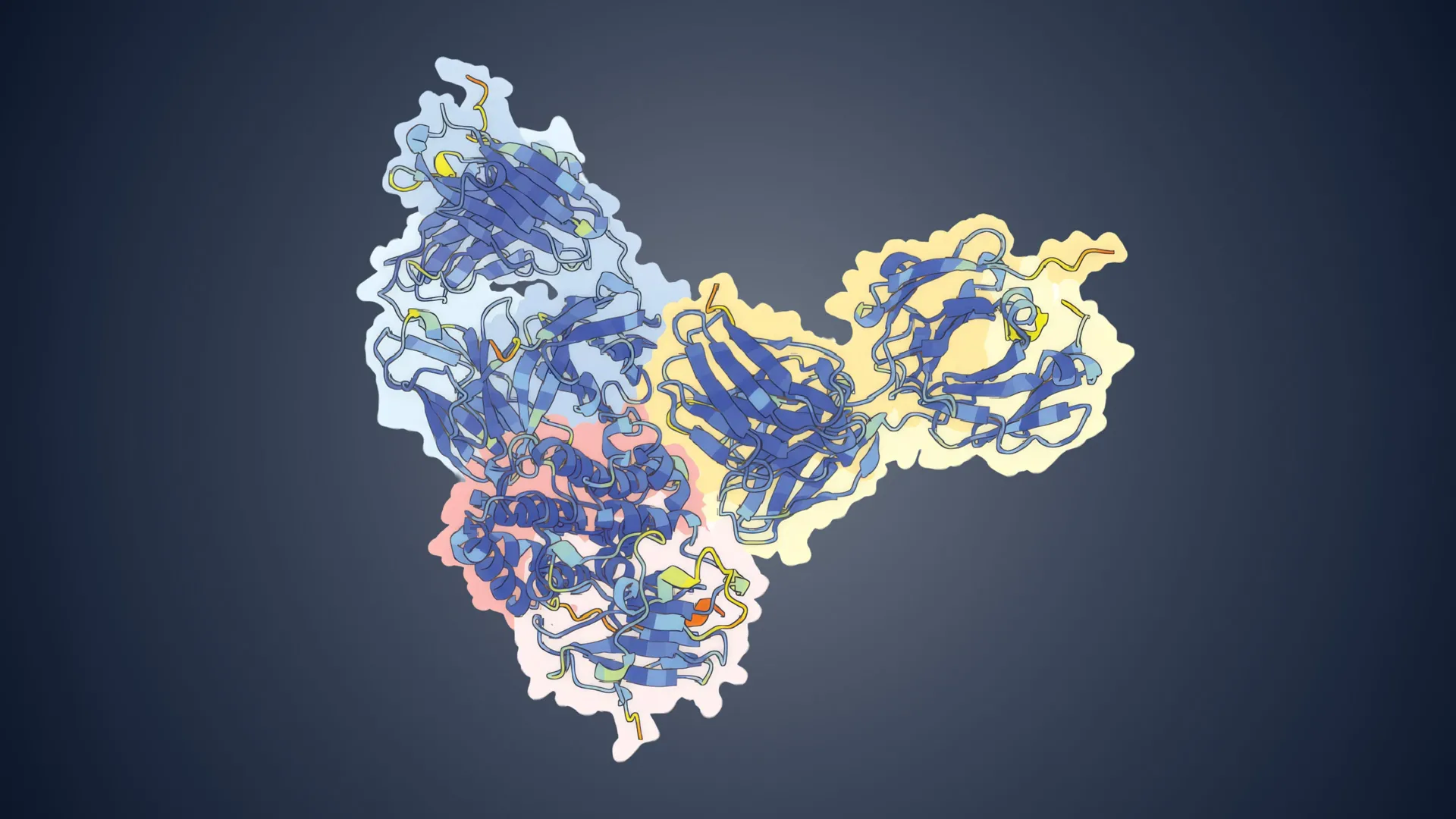
An international consortium of researchers has achieved a significant milestone in the global effort to combat the monkeypox virus (MPXV), utilizing advanced artificial intelligence to identify a critical viral protein that could revolutionize vaccine and therapeutic design. In a comprehensive study published in the journal Science Translational Medicine, scientists from the University of Texas at Austin and the Fondazione Biotecnopolo di Siena in Italy revealed that they have successfully identified a previously overlooked surface protein, OPG153, which serves as a potent target for neutralizing antibodies. This discovery, facilitated by the AlphaFold 3 AI model, represents a major leap forward from traditional vaccine methodologies, potentially offering a more efficient, cost-effective, and scalable defense against a pathogen that has caused widespread illness and death across the globe.
The research arrives at a critical juncture for international public health. While the 2022 global mpox outbreak has subsided from its peak, the virus remains a persistent threat, particularly in regions with limited access to healthcare. By isolating a single protein that triggers a robust immune response, the team has laid the groundwork for "next-generation" vaccines that avoid the complexities and manufacturing hurdles associated with current whole-virus formulations.
The 2022 Mpox Crisis: Context and Public Health Challenges
The urgency of this research is rooted in the dramatic escalation of mpox cases observed during the 2022 multi-country outbreak. Historically endemic to parts of Central and West Africa, the virus crossed international borders with unprecedented speed, eventually affecting more than 110 countries. According to data from the World Health Organization (WHO) and the Centers for Disease Control and Prevention (CDC), the outbreak resulted in over 95,000 confirmed cases and approximately 200 deaths in the initial wave, with subsequent data suggesting the total number of people sickened globally may have exceeded 150,000.
Mpox is characterized by painful rashes, fever, respiratory symptoms, and lymphadenopathy. In severe cases, the lesions can lead to permanent scarring, secondary infections, and systemic failure. The most vulnerable populations include children, pregnant women, and individuals with compromised immune systems, such as those living with HIV.
During the height of the crisis, health officials were forced to rely on existing smallpox vaccines, such as JYNNEOS (MVA-BN) and ACAM2000, due to the close genetic relationship between the variola virus (smallpox) and MPXV. However, these vaccines presented significant logistical challenges. They utilize a whole, weakened form of the virus, which is inherently difficult and expensive to manufacture at scale. Furthermore, the global supply was insufficient to meet the sudden surge in demand, leading to significant disparities in vaccine distribution between high-income and low-income nations.
A New Scientific Paradigm: The Role of Reverse Vaccinology
The breakthrough began with a collaborative effort to analyze the immune responses of those who had already survived the virus. Led by Rino Rappuoli and Emanuele Andreano at the Fondazione Biotecnopolo di Siena, the research team focused on "reverse vaccinology." This method flips the traditional vaccine development process on its head: instead of starting with the pathogen and trying to weaken it, researchers start with the human immune system’s successful response.
The Italian team analyzed blood samples from convalescent patients—individuals who had recovered from mpox—as well as those who had received the traditional smallpox vaccine. Through meticulous screening, they identified 12 specific antibodies that demonstrated a high capacity to neutralize the monkeypox virus. While these antibodies were clearly effective at blocking the virus from infecting cells, the specific "lock" that these antibody "keys" fit into remained a mystery.
The monkeypox virus is biologically complex, featuring roughly 35 different proteins on its surface. Identifying which of these proteins was the primary target for the most effective antibodies was a task that, using traditional laboratory methods such as X-ray crystallography or cryo-electron microscopy, could have taken several years of trial and error.
AlphaFold 3: The AI Catalyst for Molecular Discovery
To bridge the gap between identifying antibodies and finding their targets, the research shifted to the University of Texas at Austin, where Jason McLellan and his team employed AlphaFold 3. Developed by Google DeepMind and Isomorphic Labs, AlphaFold 3 is a revolutionary AI model capable of predicting the structure and interactions of all life’s molecules with unprecedented accuracy.
The AI was tasked with modeling the interactions between the 12 patient-derived antibodies and the various surface proteins of the monkeypox virus. The model identified a protein known as OPG153 with high confidence. OPG153 had previously been overlooked by the scientific community; it had never been categorized as a primary target for neutralizing antibodies in the context of vaccine development.
"It would have taken years to find this target without AI," stated Jason McLellan, a professor of molecular biosciences at UT Austin. "It was really exciting because no one had ever considered it before… it had never been shown to be a target of neutralizing antibodies."
The AI’s prediction was subsequently validated through rigorous laboratory testing. The researchers confirmed that OPG153 was indeed the protein that the most powerful neutralizing antibodies were binding to, effectively preventing the virus from entering host cells.
Experimental Success and Mouse Model Validation
Following the identification of OPG153, the team moved to test whether this single protein could serve as an effective vaccine antigen. In a controlled study, mice were immunized with the OPG153 protein. The results were highly encouraging: the mice produced a strong surge of neutralizing antibodies that were specifically tailored to combat the monkeypox virus.
This result is significant because it proves that a "subunit vaccine"—one that uses only a specific piece of the virus rather than the whole thing—can elicit a protective immune response. Subunit vaccines are generally safer, produce fewer side effects, and are far easier to manufacture in large quantities using established biotechnology platforms.
Chronology of the Research and Global Response
The path from the 2022 outbreak to the current discovery highlights a rapid mobilization of scientific resources:
- May 2022: A surge of mpox cases is reported in non-endemic countries, prompting the WHO to declare a Public Health Emergency of International Concern (PHEIC).
- Late 2022: Italian researchers begin collecting blood samples from recovered patients to isolate naturally occurring antibodies.
- 2023: Collaboration begins between the Fondazione Biotecnopolo di Siena and UT Austin to identify the specific antigens targeted by these antibodies.
- Early 2024: The teams utilize AlphaFold 3 to narrow down the viral protein candidates, identifying OPG153.
- Late 2024: Results of the mice trials and AI analysis are published in Science Translational Medicine, signaling a new phase in orthopoxvirus research.
Broader Implications for Smallpox and Biosecurity
The discovery of OPG153 has implications that extend far beyond the current mpox threat. MPXV belongs to the Orthopoxvirus genus, which also includes the variola virus, the causative agent of smallpox. Although smallpox was declared eradicated in 1980, it remains a primary concern for biosecurity and national defense due to its high mortality rate (approximately 30%) and its potential for aerosol transmission.
Because the surface proteins of orthopoxviruses are highly conserved (meaning they are very similar across different species), a vaccine or treatment targeting OPG153 could potentially provide cross-protection against smallpox. This would provide a vital new tool for national stockpiles, offering a more modern alternative to the older, more reactogenic vaccines currently held in reserve.
Economic and Logistical Advantages of Protein-Based Vaccines
From a manufacturing perspective, the transition from whole-virus vaccines to protein-based vaccines represents a major shift in efficiency. Traditional poxvirus vaccines require specialized biocontainment facilities and complex cell-culture processes. In contrast, viral proteins like OPG153 can be produced using standard recombinant DNA technology—the same process used to manufacture insulin and the Hepatitis B vaccine.
This ease of production could significantly lower the cost per dose and allow for decentralized manufacturing. For regions in Africa where mpox remains endemic, the ability to produce vaccines locally or at a lower cost could be the difference between a contained outbreak and a regional epidemic.
Future Directions and Clinical Pathways
The research team is currently refining the OPG153 antigen to maximize its stability and effectiveness. The goal is to develop a "multivalent" vaccine that might combine OPG153 with other viral proteins to ensure comprehensive protection against all stages of the virus’s life cycle.
The University of Texas at Austin has filed a patent application for the use of OPG153 and its derivatives as a vaccine antigen. Simultaneously, the Fondazione Biotecnopolo di Siena has filed for patents regarding the specific antibodies identified during the study. The next phase of development will involve human clinical trials to ensure the safety and efficacy of these new formulations in the human immune system.
Analysis of Scientific Impact
The integration of AI into this study marks a paradigm shift in how scientists approach emerging infectious diseases. By reducing the time required for target identification from years to weeks, AI models like AlphaFold 3 allow the scientific community to react in nearly real-time to viral mutations or new outbreaks.
Public health experts suggest that this "reverse vaccinology" approach, powered by AI, will likely become the standard for future pandemic preparedness. While current vaccines were sufficient to slow the 2022 outbreak, they were a "stop-gap" measure. The work of the McLellan and Rappuoli teams provides a blueprint for a more targeted, scientific, and equitable response to the orthopoxvirus family, ensuring that the world is better prepared for the next time a zoonotic virus jumps the species barrier.
The study was supported in part by the Welch Foundation, with additional contributions from researchers Emily Rundlet, Ling Zhou, and Connor Mullins at UT Austin. As the global health community shifts its focus toward long-term prevention, the identification of OPG153 stands as a testament to the power of international collaboration and the transformative potential of artificial intelligence in medicine.
