
 By Budi Oetomo Narendra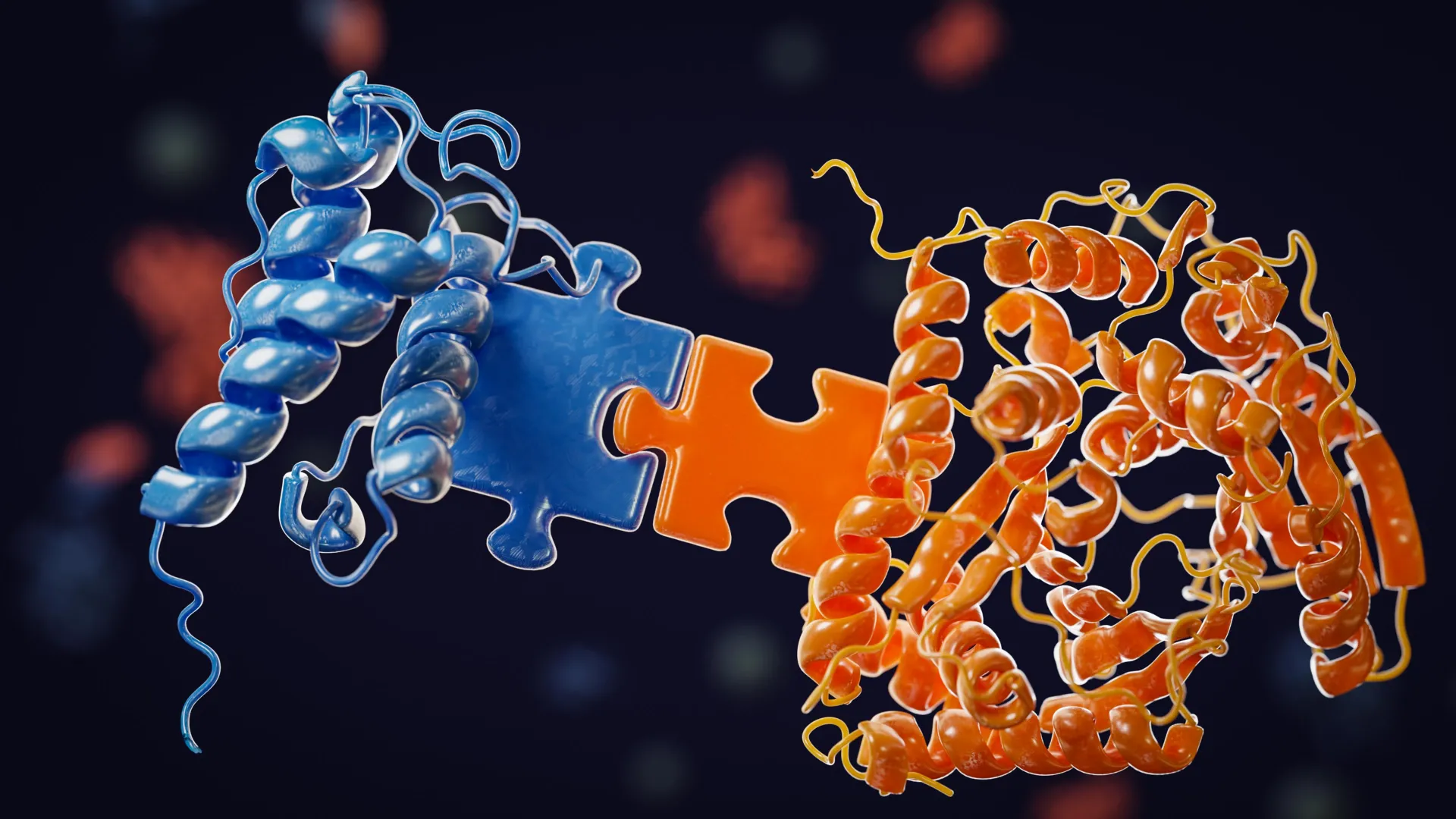
A groundbreaking discovery by an international team of scientists has illuminated the sophisticated mechanisms by which bacteria naturally produce diverse variants of powerful cancer drugs, resolving a long-standing enigma that has challenged researchers for decades. This pivotal revelation is poised to significantly accelerate the development of innovative treatments, particularly for cancers that remain stubbornly resistant to existing therapies, offering a new blueprint for drug design rooted in nature’s own evolutionary ingenuity.
For many years, the scientific community has been captivated by the potential of harnessing bacterial enzymes to engineer novel drug compounds through a process known as combinatorial biosynthesis. This approach, which essentially involves mixing and matching different biochemical building blocks to create new molecular structures, promised a revolutionary pathway for drug discovery. However, progress in this field had been severely hampered by a fundamental lack of understanding regarding how these complex bacterial enzyme systems coordinate their intricate work to achieve such molecular diversity with precision. The coordination mechanisms, crucial for controlling which specific components are incorporated into the final drug molecule, remained largely obscure, limiting the ability of scientists to predictably design and synthesize new drug variants.
Unraveling Nature’s ‘Mix and Match’ System: The Core Discovery
The new study, meticulously detailed in the prestigious journal Nature Communications, meticulously details the intricate communication network among bacterial enzymes that enables them to assemble a family of structurally related anti-cancer compounds. This family notably includes Romidepsin (Istodax), an FDA-approved medication widely utilized in the treatment of certain blood cancers, specifically T-cell lymphomas. By not only uncovering this elegant natural "mix and match" system but also successfully reproducing its underlying principles within a controlled laboratory environment, the research team has effectively established a novel and highly promising strategy for the rational design of future cancer therapies.
Dr. Munro Passmore, a Research Fellow in the Department of Chemistry at the University of Warwick and the study’s first author, articulated the profound impact of this breakthrough. "For decades, we’ve known that bacteria possess the remarkable ability to naturally produce multiple versions of potent anti-cancer drugs, yet the precise mechanisms they employed to achieve this remained an enduring mystery," Dr. Passmore stated. "This work finally cracks that code. We’ve identified how the different enzymes communicate and cooperate to produce these drug variants, a puzzle that has eluded researchers primarily because the system operates with such elegant economy and efficiency. This is the pivotal breakthrough we needed to actually begin engineering these drugs ourselves with a high degree of control and predictability."
Tiny Molecular Connectors: The Key to Nature’s Drug-Making Strategy
The crux of the researchers’ discovery lies in the identification of small, specialized molecular regions termed ‘docking domains.’ These domains serve as sophisticated connectors, acting as dynamic bridges between the core machinery responsible for constructing the fundamental drug molecule and the ancillary enzymes tasked with adding various functional components or modifying existing ones. A critical insight was that these docking domains share a highly conserved connection point, a molecular signature that allows them to flexibly interact with a multitude of different enzyme partners. This flexible design paradigm provides a compelling explanation for how bacteria can efficiently generate a wide array of related drug molecules while simultaneously maintaining the exquisite precision required to ensure that each compound retains its biological efficacy and therapeutic potential.
Chronology of a Decades-Long Quest: From Observation to Engineering
The journey to this discovery spans several decades, rooted in the initial observations of natural products and their therapeutic potential.
- Early 20th Century: The golden age of natural product discovery begins, with antibiotics like penicillin revolutionizing medicine. Researchers start noticing the complex structures produced by microorganisms.
- Mid-20th Century: The anti-cancer properties of some microbial metabolites are identified, sparking interest in their therapeutic applications. The complexity of their biosynthesis pathways becomes apparent.
- 1980s-1990s: The concept of combinatorial biosynthesis gains traction as genetic engineering techniques advance. Scientists dream of manipulating bacterial pathways to create novel drug scaffolds. However, the precise mechanisms of enzyme coordination in multi-enzyme complexes remain a significant hurdle. Romidepsin (Istodax) is discovered and its anti-cancer properties noted, though its full biosynthetic pathway remains a puzzle.
- Early 2000s: Romidepsin gains FDA approval for certain T-cell lymphomas, underscoring the clinical importance of this class of natural products. The structurally related compound FR-901375, also a potent HDAC inhibitor, is known, but its specific bacterial production pathway remains elusive.
- 2010s: Advances in structural biology, genomics, and computational modeling provide new tools to dissect complex biological systems at an unprecedented resolution.
- Present Day (2024): The publication in Nature Communications marks the resolution of the decades-old mystery, revealing the docking domain mechanism. This breakthrough transitions the field from mere observation and limited manipulation to a strategic, informed engineering approach.
This study also offers profound insights into the evolutionary trajectories of these natural drug-producing systems. The researchers posit that the newly identified compound, FR-901375, most likely evolved from a related drug-producing pathway through a process of gene duplication and subsequent recombination over vast periods of evolutionary time. This understanding of nature’s evolutionary logic is not merely academic; it provides a ‘reverse-engineering’ blueprint for scientists to mimic and even improve upon these natural processes.
Broader Implications: A Blueprint for Accelerated Drug Discovery
Professor Greg Challis, Monash Warwick Alliance Professor of Sustainable Chemistry at both the University of Warwick and Monash University, eloquently summarized the transformative potential of this research. "This research provides us with a blueprint to do what nature does, but critically, to do it better and significantly faster," Professor Challis asserted. "By reverse-engineering nature’s evolutionary logic, we can now design synthetic pathways that generate new anti-cancer drug candidates with properties specifically optimized for clinical use. This includes attributes such as superior potency, improved selectivity for cancer cells over healthy ones, and crucially, fewer debilitating side effects for patients."
Professor Challis emphasized the immediate strategic objectives: "Our immediate goal is to build an expanded library of candidate compounds for various cancers where new treatments are urgently and desperately needed. This discovery marks a fundamental shift, moving us from merely understanding how these systems work to actively building entirely new ones, tailored to specific therapeutic needs."
How This Discovery Could Revolutionize Cancer Drug Development
The research specifically zeroes in on a class of anti-cancer medications known as Histone Deacetylase (HDAC) inhibitors. These drugs function by blocking histone deacetylases, a family of enzymes that play a critical role in regulating which genes are switched on or off within cells. In cancer, aberrant HDAC activity can contribute to uncontrolled cell proliferation and survival. Romidepsin (Istodax), as previously mentioned, is an FDA-approved HDAC inhibitor that has proven effective in treating T-cell lymphomas, a relatively rare but aggressive form of non-Hodgkin lymphoma. The global incidence of T-cell lymphomas, while lower than B-cell lymphomas, still represents a significant clinical challenge, with treatment options often limited and associated with considerable toxicity.
For decades, a chemically related compound known as FR-901375 has been recognized for its potent biological activity. However, the precise biological pathway that bacteria utilize to produce it remained an unsolved puzzle, representing a glaring gap in scientific knowledge. This latest study triumphantly fills in that missing piece, providing a complete picture of its biosynthesis.
Like other HDAC inhibitors within its family, FR-901375 belongs to a complex group of cyclic molecules called depsipeptides. These intricate compounds are meticulously assembled from a combination of amino acid building blocks along with a conserved hydroxy acid pharmacophore – the specific part of a molecule responsible for its biological effect. All these components are interconnected through a sophisticated arrangement of peptide and ester bonds.
Within the confines of bacterial cells, these remarkable molecules are constructed by colossal protein complexes known as PKS-NRPS hybrids. These hybrid systems elegantly combine the distinct activities of polyketide synthase (PKS) and nonribosomal peptide synthetase (NRPS), acting as highly efficient molecular assembly lines. The new research unequivocally demonstrates that the linchpin of this entire assembly process resides within the aforementioned docking domains. These domains function much like molecular connectors or "recognition tags," allowing one segment of the intricate production line to recognize its specific product and seamlessly pass it along to the next enzymatic partner in the biosynthetic sequence. This precise and regulated mechanism is what underpins the phenomenon of combinatorial biosynthesis, enabling bacteria to naturally generate a diverse array of drug variants from a limited set of enzymatic machinery.
Economic and Clinical Impact: A New Era of Targeted Therapies
The implications for the pharmaceutical industry and patient care are profound. The traditional drug discovery pipeline is notoriously lengthy, costly, and fraught with high failure rates. Developing a new cancer drug can take 10-15 years and cost billions of dollars, with only a small percentage of candidates ever reaching market. By providing a rational design platform, this discovery has the potential to:
- Accelerate Lead Optimization: Instead of random screening or iterative chemical modifications, researchers can now design molecules with specific desired properties from the outset, significantly shortening the lead optimization phase.
- Expand Drug Libraries: The ability to engineer new variants means a rapid expansion of potential drug candidates, increasing the chances of finding compounds effective against a broader spectrum of cancers, including those currently considered untreatable or resistant.
- Improve Drug Profiles: Designing for superior potency, improved selectivity, and reduced off-target effects translates directly into more effective and safer treatments for patients, reducing the severe side effects often associated with chemotherapy.
- Personalized Medicine: In the future, this approach could contribute to personalized oncology, where specific drug variants might be tailored to the unique genetic profile of a patient’s tumor.
- Economic Efficiency: By streamlining the early stages of drug development, this method could lead to significant cost savings, potentially making life-saving treatments more accessible.
How the Researchers Solved the Mystery: A Multidisciplinary Approach
The resolution of this complex biochemical mystery was not the result of a single technique but rather a testament to a comprehensive, multidisciplinary scientific approach. The research team skillfully integrated cutting-edge methodologies from various scientific disciplines:
- Structural Biology: Techniques like X-ray crystallography and cryo-electron microscopy were likely employed to visualize the three-dimensional structures of the enzymes and their docking domains at atomic resolution, revealing how they physically interact.
- Biochemistry: In vitro assays were crucial for isolating the enzymes and reconstituting the biosynthetic pathway in a test tube, allowing for detailed observation of their individual and coordinated activities. This included studying enzyme kinetics and substrate specificities.
- Genetics: Gene manipulation techniques were essential for identifying the genes encoding the various enzymes, knocking them out or modifying them in bacteria, and then observing the resulting changes in drug production. This helped to confirm the function of specific genes and pathways.
- Computational Modeling: Advanced computational tools were undoubtedly used to predict protein-protein interactions, simulate molecular dynamics, and model the entire biosynthetic pathway, guiding experimental design and interpreting complex data. This allowed researchers to make informed hypotheses about the system’s behavior before extensive lab work.
The collaborative synergy among these diverse fields allowed the researchers to piece together a coherent and detailed understanding of a system that had long defied explanation. This discovery represents not just a scientific triumph but also a powerful demonstration of the efficacy of interdisciplinary research in tackling some of biology’s most intricate challenges. As the scientific community continues to delve deeper into the vast biochemical arsenal of the microbial world, breakthroughs like this promise to usher in a new era of therapeutic innovation, fundamentally altering our approach to combating diseases like cancer.
