
 By Suherman Candra Maholtra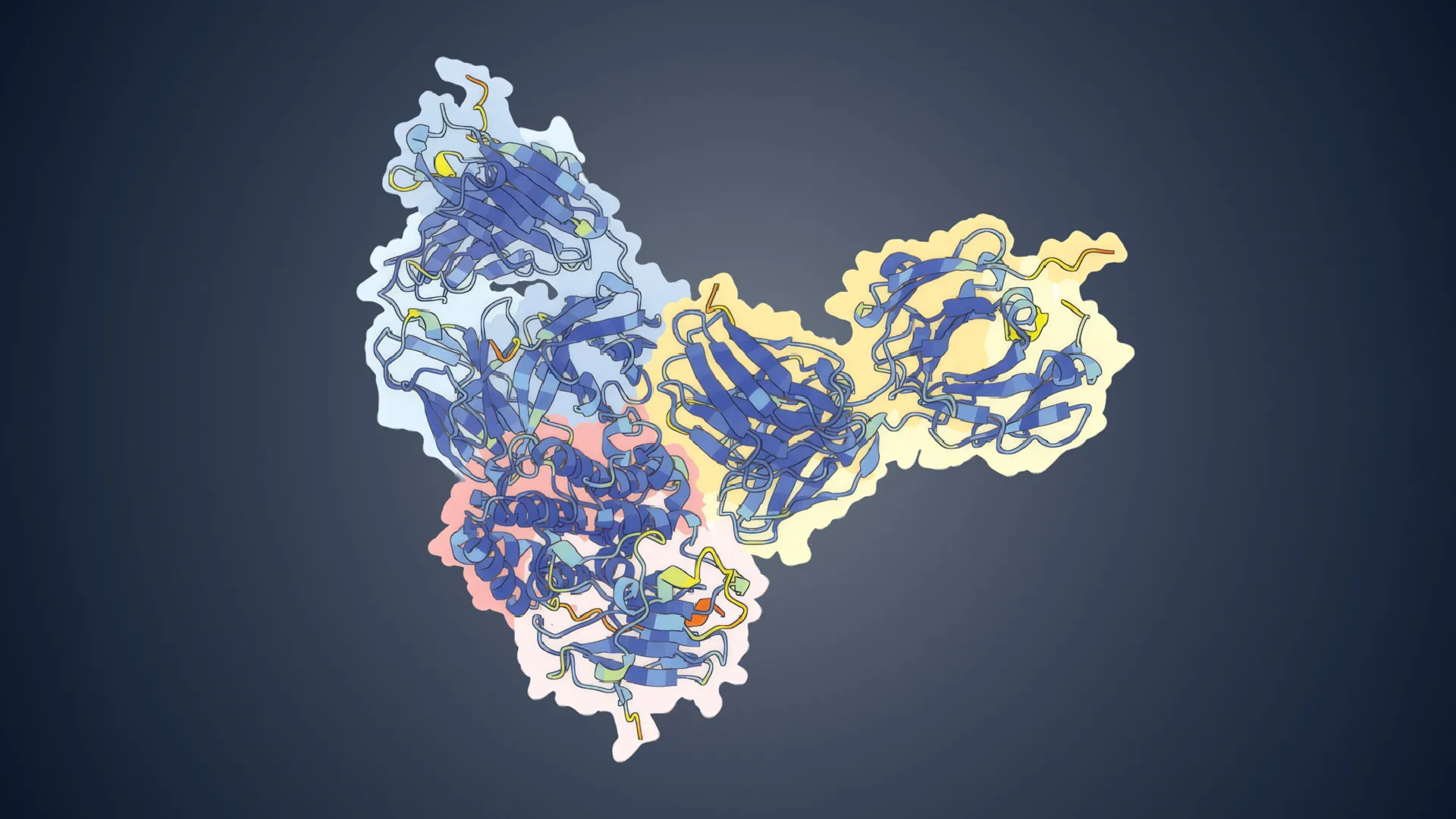
In a significant advancement for global public health, an international consortium of scientists has leveraged artificial intelligence to identify a critical viral protein that could pave the way for a more effective and easily manufactured vaccine against the monkeypox virus (MPXV). The research, published in the prestigious journal Science Translational Medicine, represents a shift in how vaccines for complex viruses are developed, moving away from traditional methods toward a precision-engineered approach known as reverse vaccinology. By utilizing the AlphaFold 3 AI model, researchers identified a previously overlooked surface protein, OPG153, which triggered a robust immune response in laboratory trials. This discovery offers a promising roadmap for defending against mpox and its deadlier relative, smallpox, particularly for populations most at risk of severe disease.
The global urgency surrounding mpox intensified during the 2022 multi-country outbreak, which saw the virus spread rapidly beyond its historically endemic regions in Central and West Africa. During this period, more than 150,000 individuals were infected across dozens of countries. The disease, characterized by painful lesions, intense fever, and respiratory distress, claimed nearly 500 lives. While the general population faces risks, the virus is particularly dangerous for children, pregnant women, and individuals with compromised immune systems, such as those living with HIV. The primary defense during the 2022 emergency was the deployment of existing smallpox vaccines. However, health officials faced significant hurdles; these vaccines are "whole-virus" formulations, which are notoriously difficult to produce at scale, expensive to manufacture, and often require stringent cold-chain logistics that are difficult to maintain in developing nations.
The Shift Toward Reverse Vaccinology and Protein-Subunit Vaccines
The limitations of current poxvirus vaccines provided the impetus for the study led by Jason McLellan, a professor of molecular biosciences at The University of Texas at Austin, alongside Rino Rappuoli and Emanuele Andreano of the Fondazione Biotecnopolo di Siena in Italy. Traditional vaccines often rely on a weakened or inactivated version of the entire virus to "train" the immune system. While effective, these vaccines are complex biological products. In contrast, the research team sought to develop a protein-subunit vaccine—a modern alternative that uses only a specific, harmless piece of the virus (an antigen) to stimulate an immune response.
"Unlike a whole-virus vaccine that’s big and complicated to produce, our innovation is just a single protein that’s easy to make," explained Professor McLellan. This approach is not only safer for immunocompromised individuals but also significantly lowers the barrier for mass production. The challenge, however, lay in identifying which of the monkeypox virus’s many surface proteins was the "Achilles’ heel" that would provoke the strongest neutralizing antibodies.
The research team began their work by analyzing the blood of survivors—individuals who had either recovered from a natural mpox infection or had been previously vaccinated against smallpox. Within these samples, the Italian researchers identified 12 potent antibodies capable of neutralizing the virus. However, knowing that the antibodies worked was only half the battle; the scientists needed to know exactly where these antibodies were attaching themselves to the virus. Identifying this "binding site" is crucial for designing a vaccine that teaches the body to produce those specific antibodies before an infection occurs.
Artificial Intelligence and the AlphaFold 3 Breakthrough
The monkeypox virus is structurally complex, displaying approximately 35 different proteins on its outer surface. Manually testing each protein to see which one interacted with the 12 identified antibodies would have been a monumental task, likely taking years of laboratory work and significant financial investment. To bypass this bottleneck, the researchers turned to AlphaFold 3, an advanced AI model developed by Google DeepMind and Isomorphic Labs that predicts the structures and interactions of biological molecules with unprecedented accuracy.
The AI was tasked with simulating how the patient-derived antibodies would bind to the various surface proteins of MPXV. The model quickly pinpointed a protein called OPG153. According to the researchers, AlphaFold 3 identified this protein with high confidence, suggesting it was the primary target for the body’s natural neutralizing response. When the team moved back into the laboratory to verify the AI’s prediction, the results were definitive: OPG153 was indeed the key antigen.
"It would have taken years to find this target without AI," McLellan noted. "It was really exciting because no one had ever considered it before for vaccine or antibody development. It had never been shown to be a target of neutralizing antibodies." This specific protein is essential for the virus’s ability to spread from cell to cell, making it an ideal target for therapeutic intervention. By focusing on OPG153, the researchers have effectively simplified the blueprint for a next-generation vaccine.
Experimental Success and the Timeline of Discovery
Following the identification of OPG153, the team conducted animal trials to test the protein’s efficacy as a vaccine candidate. Mice were immunized with the engineered OPG153 protein and subsequently showed a powerful production of neutralizing antibodies. These antibodies were capable of preventing the virus from entering cells, mirroring the immune response found in human survivors but achieved through a much simpler biological trigger.
The chronology of this breakthrough highlights the rapid pace of modern computational biology:
- May 2022: The World Health Organization (WHO) declares a global mpox outbreak.
- Late 2022 – 2023: Researchers in Italy collect and screen blood samples from survivors, isolating 12 key antibodies.
- Early 2024: The UT Austin team utilizes AlphaFold 3 to scan the MPXV proteome, identifying OPG153 as the likely antigen.
- Mid 2024: Laboratory validation and mouse models confirm the AI’s findings.
- Late 2024: Results are published in Science Translational Medicine, and patent applications are filed for the protein and its associated antibodies.
This timeline demonstrates how AI can compress the "discovery phase" of drug development from years into months, a capability that is becoming increasingly vital in the face of emerging zoonotic threats.
Implications for Smallpox and Global Biosecurity
The discovery of OPG153 has implications that extend far beyond the current mpox threat. MPXV belongs to the Orthopoxvirus genus, which also includes the variola virus—the causative agent of smallpox. Although smallpox was declared eradicated in 1980, it remains a major concern for global biosecurity due to its high mortality rate (approximately 30%) and its potential as a biological weapon.
Because the surface proteins of poxviruses are often highly conserved (meaning they remain similar across different species), the OPG153 target identified in mpox likely has a counterpart in the smallpox virus. This suggests that a vaccine based on this protein could provide cross-protection against multiple poxviruses. For governments maintained strategic national stockpiles of vaccines, a protein-subunit option would be far more stable and easier to store for long periods than current live-virus vaccines.
Economic and Manufacturing Advantages
One of the most significant barriers to global health equity is the cost and complexity of vaccine manufacturing. Current mpox vaccines, such as JYNNEOS, require sophisticated "clean room" facilities and specialized bioreactors to grow live viral cultures. This limits production to a handful of high-tech facilities globally, often leading to supply shortages in the regions that need the vaccines most.
A protein-subunit vaccine based on OPG153 can be produced using standard recombinant DNA technology—the same method used to produce insulin or the Hepatitis B vaccine. This technology is widely available in many middle-income countries, potentially allowing for regional manufacturing hubs in Africa and Asia. Furthermore, protein-based vaccines are generally more heat-stable, reducing the reliance on the "ultra-cold" refrigeration chains that frequently fail in tropical climates or rural areas.
Future Directions and Institutional Support
The research team is now moving toward refining the OPG153 antigen to maximize its stability and effectiveness. The ultimate goal is to transition from animal models to human clinical trials. To protect the intellectual property and ensure the technology can be licensed for development, The University of Texas at Austin has filed a patent application for the use of OPG153 and its derivatives as a vaccine antigen. Simultaneously, the Fondazione Biotecnopolo di Siena has filed for patents regarding the specific antibodies that target the protein.
The study received significant support from the Welch Foundation and included contributions from several UT Austin researchers, including Emily Rundlet, Ling Zhou, and Connor Mullins. The collaborative nature of the project—spanning across continents and combining clinical medicine with advanced computer science—is being hailed as a model for future pandemic preparedness.
As the world continues to monitor the evolution of the monkeypox virus, particularly the emergence of new strains like Clade Ib in Central Africa, the identification of OPG153 provides a critical tool for the scientific community. By utilizing AI to decode the complex surface of the virus, researchers have not only found a new weapon against a painful and dangerous disease but have also demonstrated a faster, more efficient way to build the defenses of tomorrow. The move toward "reverse vaccinology" ensures that when the next viral threat emerges, the global scientific community will not be starting from scratch, but will instead have the computational and biological frameworks ready to respond with precision.
