
 By admin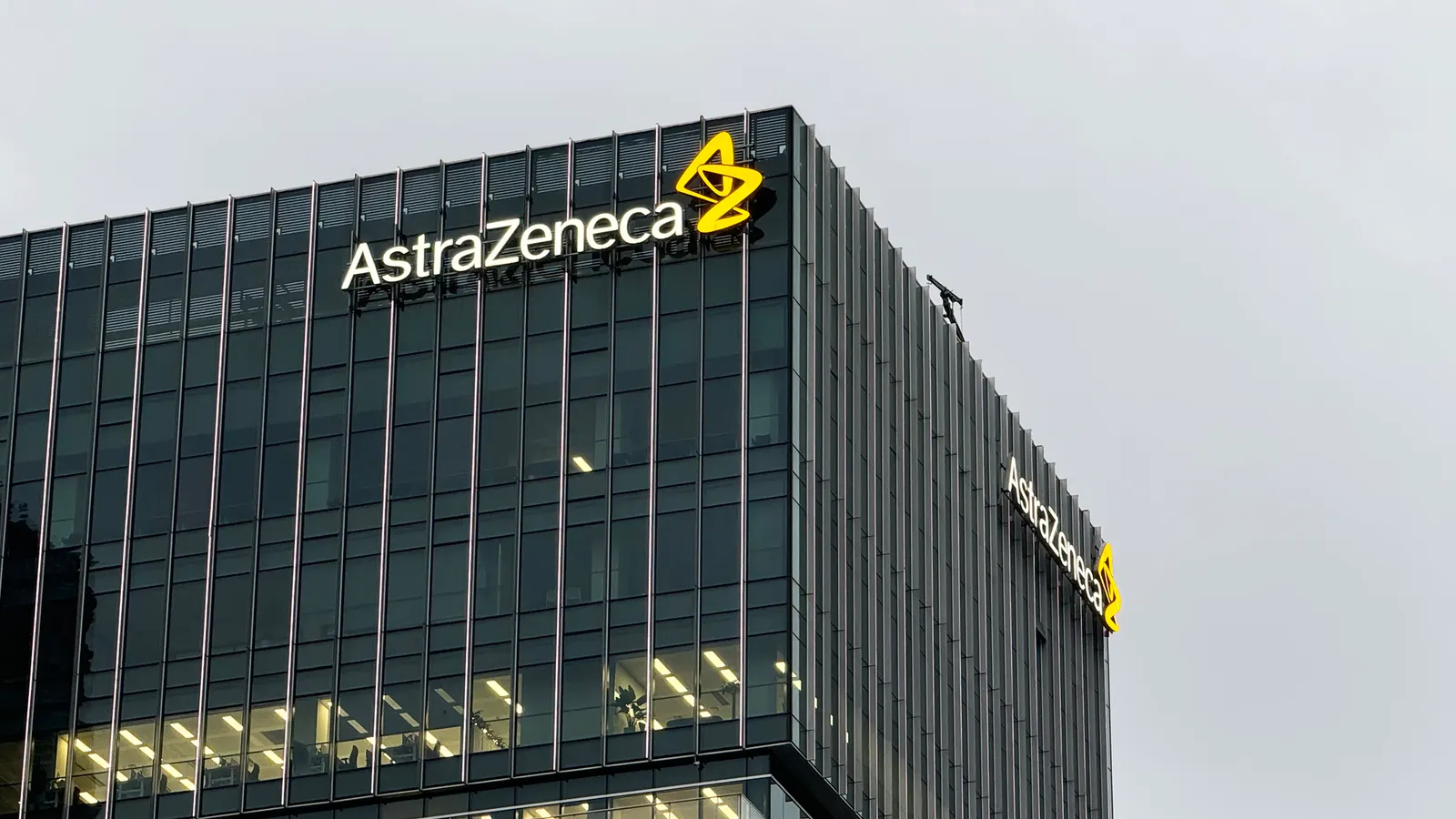
Rumors of a potential megamerger between pharmaceutical giants AstraZeneca and Bristol Myers Squibb have sent shockwaves across Wall Street, leaving analysts perplexed and precipitating a significant stock sell-off. The speculation, initially reported by The Financial Times and subsequently echoed by Reuters, suggests that discussions for a monumental tie-up have been underway in recent months, though the outcome remains uncertain, with possibilities ranging from a solidified deal to a breakdown or delay.
Unpacking the Reports: A Glimpse into Confidential Talks
The Financial Times, citing individuals "familiar with the matter," first broke the news on a Sunday, detailing recent confidential discussions between the two pharmaceutical behemoths regarding a potential combination. The report indicated that while a deal could materialize in the near future, the complex nature of such a large-scale transaction means it could also falter or be postponed. Shortly thereafter, Reuters corroborated aspects of this report, with its own source confirming initial talks between the companies about a possible merger. These reports immediately set the financial markets on edge, particularly as they emerged outside regular trading hours, setting the stage for a volatile opening to the trading week. The market’s immediate reaction served as a clear indicator of investor apprehension, suggesting a widespread lack of enthusiasm for the proposed consolidation.
Immediate Market Backlash: Billions Wiped Out
Upon the market opening on Monday, investors swiftly demonstrated their reservations. Bristol Myers Squibb (BMS) shares experienced a dip of almost 1.5% at one point during early trading. However, the impact on AstraZeneca (AZN), the UK-based pharmaceutical leader, was far more pronounced. Its shares plummeted by more than 8%, translating into a staggering loss of approximately $22 billion from the company’s market capitalization. This substantial erosion of value underscores the depth of investor skepticism surrounding the rumored deal. AstraZeneca, which completed a direct listing on the New York Stock Exchange earlier this year while maintaining its primary listing on the London Stock Exchange, felt the brunt of this negative sentiment across both major markets. The sharp decline in AstraZeneca’s stock, particularly given its recent track record of robust organic growth and strong investor confidence, highlighted the market’s concern that such a merger might dilute its existing value proposition or introduce undue complexity.
The Strategic Puzzle: AstraZeneca’s Robust Growth Story
The market’s confusion largely stems from AstraZeneca’s formidable position as one of the pharmaceutical industry’s most compelling growth stories. Under the visionary leadership of CEO Pascal Soriot, AstraZeneca has undergone a remarkable transformation over the past decade. Soriot famously fended off a takeover bid from Pfizer in 2014, promising to deliver significant revenue growth, a pledge many analysts initially viewed with skepticism but which he has largely delivered upon. The company has since notched a series of major clinical and commercial victories, particularly in oncology, rare diseases, and cardiovascular, renal, and metabolism (CRM).
At the close of 2025, AstraZeneca boasted 16 products generating $1 billion or more in annual sales, a testament to its successful R&D engine and commercial execution. Projections for 2030 are even more ambitious, with the company anticipating over 25 blockbuster products and total sales exceeding $80 billion. Last year alone, AstraZeneca’s revenue rose an impressive 8%, reaching $59 billion, driven by key franchises such as its EGFR inhibitor Tagrisso, the PD-L1 immunotherapy Imfinzi, and the SGLT2 inhibitor Farxiga. Its stock price has surged around 37% since mid-2021, reflecting strong investor confidence in its standalone strategy. Given this trajectory, a large-scale acquisition, particularly one that would create a combined entity worth nearly $400 billion, appears to be a "head scratcher" to many observers. Michael Leuchten, an analyst at Jefferies covering AstraZeneca, articulated this sentiment, writing in a client note, "we are a bit perplexed by the news. Of course, financial accretion can look good and maybe more cash generation would allow for more R&D. But if there is one company that doesn’t need financial engineering, it’s [AstraZeneca]."
Bristol Myers Squibb’s Imperative: Navigating the Patent Cliff
In contrast to AstraZeneca’s seemingly unburdened growth, Bristol Myers Squibb faces a more immediate strategic imperative: mitigating the impact of an impending "patent cliff." Several of Bristol Myers’ top-selling drugs, including the blockbuster immunotherapy Opdivo and the anticoagulant Eliquis (co-marketed with Pfizer), are slated to lose key patent protections in the coming years. Eliquis, for instance, generated over $12 billion in global sales in 2025, making its generic erosion a significant concern for future revenue. Opdivo, another multi-billion dollar asset, also faces increasing competitive pressure and patent expiry risks in various markets.
This looming challenge has placed considerable pressure on Bristol Myers Squibb to bolster its pipeline and deliver new, innovative medicines that can offset the anticipated decline in revenue from its established blockbusters. The company has pursued a strategy of both internal development and strategic acquisitions to address this. While its latest earnings report surpassed analyst expectations, partly due to the strong showing of newer medicines like the anemia treatment Reblozyl, the CAR T-cell therapy Breyanzi, and the hypertrophic cardiomyopathy drug Camzyos, the overall performance was still significantly bolstered by Eliquis. Moreover, other so-called growth products, such as the schizophrenia medication Cobenfy (KarXT), for which Bristol Myers paid $14 billion to acquire Karuna Therapeutics, have yet to demonstrate their full commercial potential. The company’s future hinges on the successful launch and ramp-up of these newer assets and the outcomes of several critical late-stage clinical trials expected in the coming months, including those for Cobenfy, the blood thinner milvexian, and other experimental compounds. For BMS, a merger with AstraZeneca could offer a lifeline, providing access to AstraZeneca’s robust pipeline and R&D capabilities, diversifying its revenue streams, and potentially easing the pressure from the patent cliff.
Analyst Voices: A Chorus of Skepticism
The market’s skepticism is "understandable," according to Alex Torgerson, an M&A partner at consulting firm West Monroe. "AstraZeneca has been one of the industry’s strongest organic growth stories, so investors are naturally asking why it would take on the complexity of a potential $400 billion megamerger instead of continuing to execute its current strategy," Torgerson stated in an email, echoing the sentiment of many industry observers.
Analysts across the board have struggled to identify a compelling strategic rationale that would justify such a massive combination, especially for AstraZeneca. While a merger would significantly supercharge AstraZeneca’s two largest product categories – cancer and cardiovascular drugs, which accounted for 44% and 22% of its revenue last year, respectively – the question remains whether the benefits outweigh the considerable risks. Concerns include the potential for significant integration challenges, cultural clashes between two large organizations, and the sheer financial burden of such a deal, which could strain AstraZeneca’s balance sheet and divert resources from its highly successful internal R&D programs.
RBC Capital Markets analyst Trung Huynh emphasized the difficulty in aligning on valuation. "Both sides will need compelling economic and strategic rationale to support a merger," he noted, highlighting the divergent pressures on each company. Bristol Myers Squibb, facing patent expiries, might seek a premium, while AstraZeneca, a strong growth company, would be wary of overpaying for assets under pressure.
Potential Hurdles: Regulatory Scrutiny and Valuation Challenges
Beyond investor apprehension, analysts anticipate significant practical hurdles to closing such a deal. Foremost among these are antitrust concerns. A merger creating a nearly $400 billion entity would inevitably attract intense scrutiny from regulatory bodies across key global markets, including the U.S. Federal Trade Commission, the European Commission, and the UK’s Competition and Markets Authority. William Blair analyst Matt Phipps specifically highlighted the potential for acute scrutiny in the UK, where AstraZeneca is "arguably the cornerstone" of the country’s biopharma research and development ecosystem. Regulators would closely examine overlaps in therapeutic areas, particularly in oncology and cardiovascular disease, where both companies have significant portfolios and pipeline assets. Any perceived reduction in competition or innovation could trigger demands for divestitures, complicating the deal and potentially eroding its strategic value.
Another formidable challenge lies in agreeing on a valuation. Bristol Myers Squibb’s valuation is influenced by two opposing forces: the impending patent cliff for its top products, which pressures its current revenue streams, and the promise of its late-stage pipeline, including crucial clinical trial data expected soon for assets like Cobenfy and milvexian. Achieving alignment on a fair price that reflects both the risks and the potential future value of Bristol Myers’ assets could prove extremely difficult. AstraZeneca, with its strong growth profile, would likely be hesitant to pay a premium that its shareholders would view as excessive, especially for a company facing near-term revenue headwinds.
Broader Industry Implications: A Shift in M&A Paradigm?
Regardless of whether this specific deal materializes, the mere rumor of such a "transformational" merger signals a potential shift in the broader pharmaceutical M&A landscape. For the past several years, the industry has largely favored "bolt-on" acquisitions—smaller, targeted deals typically in the $5 billion to $10 billion range, aimed at acquiring specific pipeline assets, technologies, or niche market segments. This strategy allowed large pharma companies to replenish pipelines, gain new capabilities, and address patent cliffs without taking on the massive integration risks and financial burdens associated with megamergers.
However, if AstraZeneca, a company celebrated for its organic growth and strategic biotech acquisitions, is exploring a transaction of this scale, it could encourage other large pharmaceutical companies to reassess whether "transformational" deals belong back in the M&A playbook. As Torgerson noted, "it signals that large pharmaceutical companies may be thinking differently about growth." A return to megamergers could be driven by several factors: the increasing cost of drug development, the growing pressure to find truly innovative therapies, and the desire to achieve scale to better negotiate with payers and navigate complex global markets. Such a shift would have far-reaching implications, not only for the companies involved but also for the competitive dynamics of the entire biopharmaceutical sector, potentially consolidating power among fewer, larger entities and impacting the ecosystem for smaller biotech innovators.
Furthermore, a deal of this magnitude would likely keep both AstraZeneca and Bristol Myers Squibb, two prominent acquirers, largely on the sidelines for future M&A activity for some considerable time, as they would be preoccupied with integration efforts. This could alter the competitive landscape for other potential targets and acquirers in the short to medium term.
Company Responses and the Path Forward
In response to inquiries regarding the rumors, Bristol Myers Squibb did not respond to BioPharma Dive’s request for comment, while AstraZeneca declined to comment. This standard "no comment" stance from both companies does little to quell speculation, instead allowing the market to continue its own interpretations of the situation. The coming days and weeks will be crucial in determining the veracity and potential outcome of these reported discussions. Whether this megamerger proceeds, breaks down, or is merely a strategic maneuver, its emergence has undeniably sparked a significant debate about the future direction of growth and M&A strategy within the global pharmaceutical industry. The market, for now, remains wary, preferring the proven path of organic growth over the uncertainties of a colossal consolidation.
