
 By admin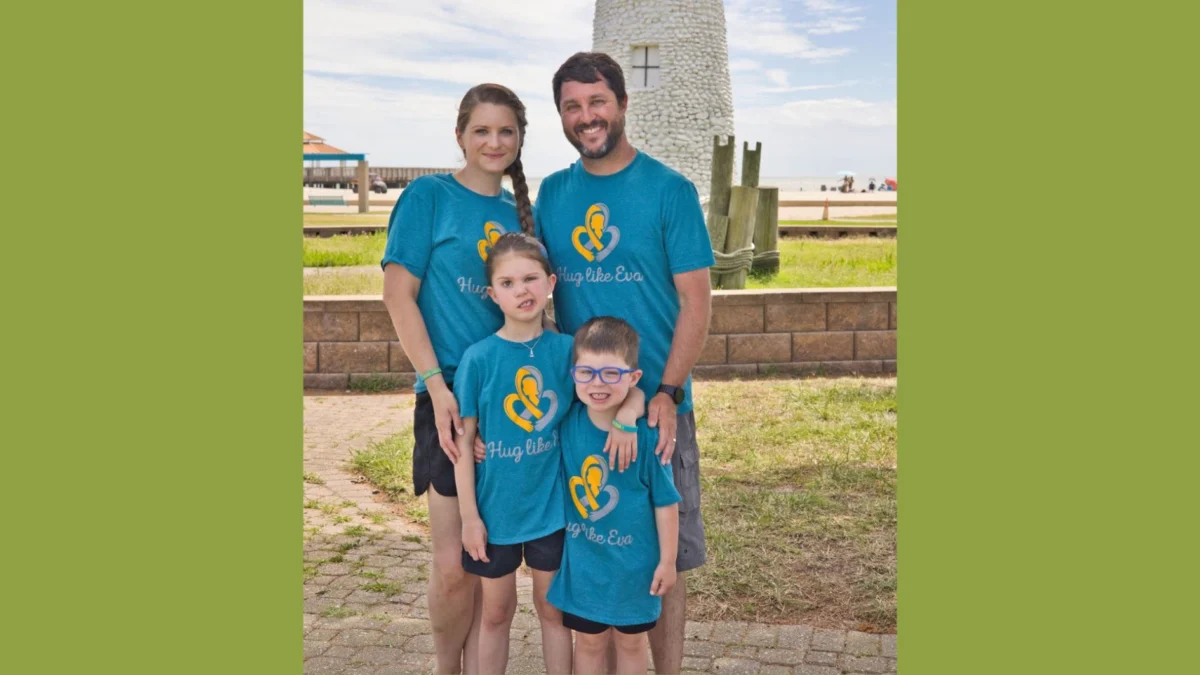
In the landscape of pediatric oncology, few diagnoses carry as much weight as diffuse midline glioma (DMG). Historically categorized as a terminal condition with limited therapeutic interventions, this aggressive form of brain cancer has long been the focus of intensive scientific inquiry. In early 2025, a significant milestone was reached with the launch of a groundbreaking clinical trial at Children’s Minnesota. This trial, the result of two decades of collaborative research between oncologist Dr. Chris Moertel and researcher Michael Olin, PhD, of the University of Minnesota, aims to dismantle the biological defenses of these tumors and provide patients with a resource more precious than any other: time.
The primary objective of the study is to evaluate a novel therapeutic approach that combines a specialized vaccine with a "shield-busting" peptide. By targeting the specific proteins that allow brain tumors to evade the human immune system, the research team hopes to transform the prognosis for children who currently face a median survival rate of less than one year. Funded by the Children’s Cancer Research Fund (CCRF), the trial represents the culmination of a long-term institutional commitment to pediatric neuro-oncology and the development of immunotherapy in a field where traditional radiation and chemotherapy have frequently reached their limits.
The Pathological Challenge of Diffuse Midline Glioma
To understand the significance of the new clinical trial, it is necessary to examine the biological complexity of DMG. These tumors are primarily found in the midline structures of the brain, including the pons, thalamus, and spinal cord. Because of their location within critical areas that control vital functions such as breathing, heart rate, and motor coordination, surgical resection is almost never a viable option.
Furthermore, DMG tumors possess a unique mechanism of immune evasion. Research conducted by Drs. Olin and Moertel identified that these tumors produce a specific protein that acts as a physical and chemical barrier—a "shield" that prevents T-cells and other immune system components from identifying or attacking the malignant cells. This immunosuppressive environment is why many previous attempts at immunotherapy failed; the immune system was essentially "blinded" to the presence of the cancer.
The work of Olin and Moertel focused on the development of a peptide designed to inhibit this shielding protein. By breaking down this barrier, the treatment allows a secondary vaccine to prime the immune system, effectively teaching the body’s own defenses to recognize and destroy the glioma cells. This dual-action approach represents a paradigm shift in how high-grade pediatric brain tumors are managed.
Chronology of a Diagnosis: The Case of Eva
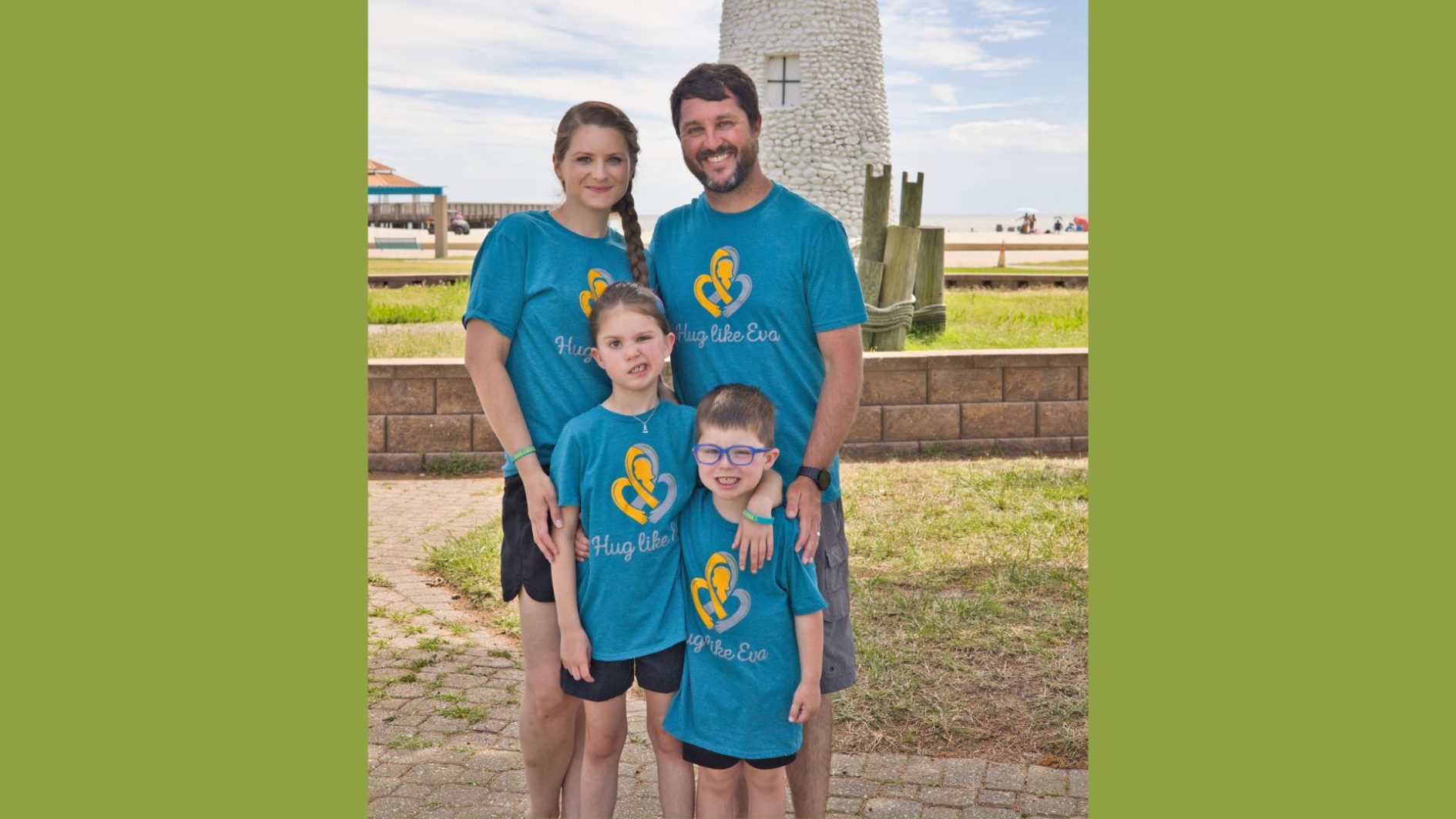
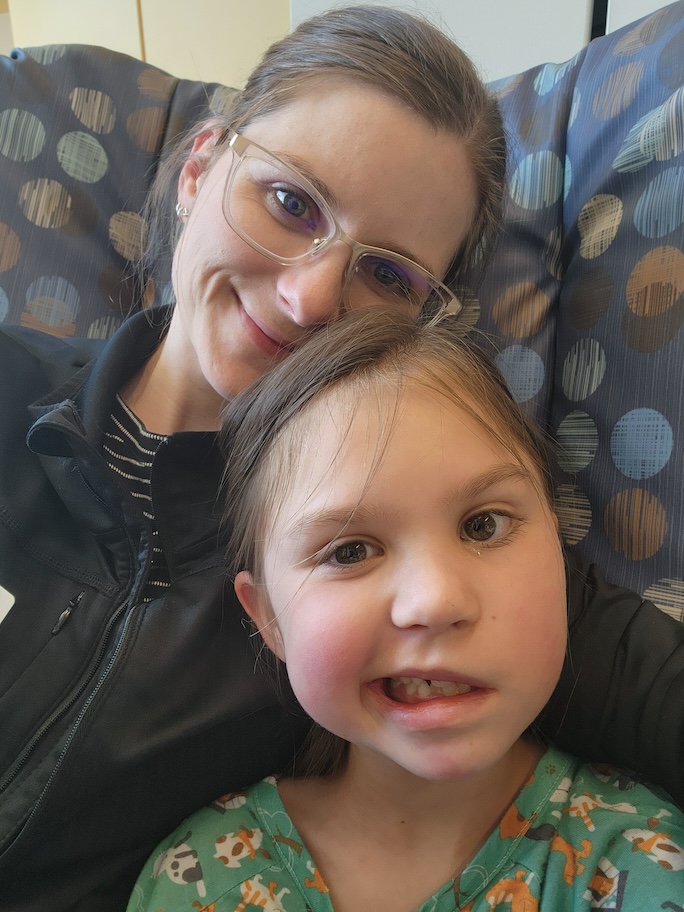
The clinical implications of this research are best illustrated through the experiences of the patients enrolled in the study. In January 2025, eight-year-old Eva was a typical, active child until a sudden onset of symptoms alerted her parents, Lee and Sandra, to a potential medical issue. During a routine lunch, the family noticed a distinct drooping on one side of Eva’s face. Initial consultations at an emergency room suggested Bell’s palsy, a common condition involving temporary facial paralysis.
However, the symptoms persisted and evolved. During a subsequent routine checkup, a pediatrician discovered that Eva had lost hearing in one ear. This neurological red flag prompted an immediate referral for an MRI. The imaging revealed a large mass in the midline of her brain, subsequently identified as a diffuse midline glioma.
The timeline from the first symptom to a terminal diagnosis was remarkably short, a characteristic feature of DMG. The medical team informed Eva’s parents that under current standard-of-care protocols, the tumor was incurable. Statistics for DMG indicate that most children survive between nine and 13 months following their initial diagnosis. For the family, the focus immediately shifted to a dual track of palliative memory-making and the pursuit of emerging clinical interventions.
Scientific Methodology and Trial Structure
The clinical trial, co-led by Dr. Anne Bendel and Dr. Maggie Skrypek, was specifically designed to be less invasive and less toxic than traditional cancer treatments. Unlike intensive chemotherapy, which can cause significant systemic damage and diminish a child’s quality of life, the new protocol involves a series of subcutaneous injections.
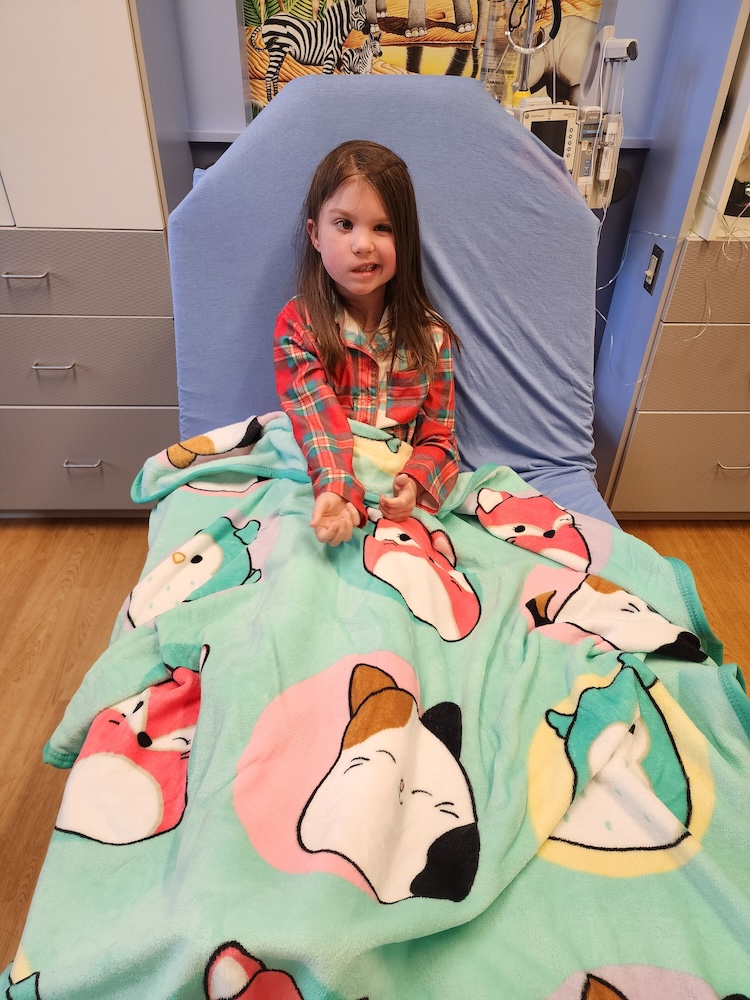
Patients in the trial receive between two and four injections multiple times per month. The treatment consists of:
- The Shield-Busting Peptide: A molecule designed to neutralize the tumor’s immunosuppressive proteins.
- The Therapeutic Vaccine: A compound that stimulates the production of tumor-specific T-cells.
By administering these components in tandem, the researchers aim to create a sustained immune response against the tumor. A key metric of the trial is the "gift of time," which refers not only to the extension of life but also to the preservation of the "quality of life." In Eva’s case, the treatment has allowed her to maintain enough energy to attend school and participate in her passion for dance, activities that would likely be impossible under a more aggressive, traditional regimen.
Supporting Data and the Role of Private Funding
The development of this trial was made possible by nearly 20 years of sustained funding from the Children’s Cancer Research Fund. This highlights a critical aspect of pediatric medical research: the reliance on private philanthropy. While the National Cancer Institute (NCI) provides significant funding for adult cancers, pediatric brain tumors—though the leading cause of cancer-related death in children—receive a disproportionately small fraction of federal research dollars.
Data from the CCRF indicates that pediatric brain tumors remain one of the most difficult categories of childhood cancer to treat. While the overall five-year survival rate for childhood cancers has risen to over 80% due to advancements in leukemia and lymphoma treatments, the survival rates for DMG and other high-grade gliomas have remained largely stagnant for four decades.
The University of Minnesota’s long-term investment in Dr. Olin’s laboratory research allowed for the iterative testing required to move from a laboratory concept to a Phase I clinical trial. The current trial is not merely testing a new drug; it is testing a new biological strategy that could potentially be applied to other "cold" tumors (tumors that the immune system does not naturally recognize).
Official Responses and Institutional Goals
The medical community at Children’s Minnesota and the University of Minnesota views this trial as a foundational step toward a future cure. Dr. Chris Moertel has emphasized that the immediate goal is to provide families with more time, but the long-term vision is the total eradication of the disease.
"Ask any parent, and they’ll say, ‘All I want is time,’" Dr. Moertel stated. He noted that if the barrier to the immune system can be permanently dismantled, the medical community will be "well on the way to helping cure those kids."
Dr. Anne Bendel, co-lead of the trial, echoed this sentiment, highlighting the iterative nature of the study. She explained that even as they hope to cure the current cohort of patients, the data gathered will be used to "tweak" the vaccine in subsequent studies. Each patient’s response provides vital data on how the human immune system interacts with these specific gliomas, allowing researchers to refine the dosage and delivery of the shield-busting molecules.
Broader Implications and Future Outlook
The implications of this trial extend beyond the specific patients currently enrolled. If the combination of the peptide and vaccine proves successful in extending life without severe toxicity, it could set a new standard for the treatment of all midline brain tumors.
Furthermore, the trial addresses the psychological burden of "anticipatory grief" faced by families. Sandra, Eva’s mother, described the "big cloud" that hangs over families told to simply "make memories." By participating in a clinical trial, families often find a sense of agency and purpose, knowing that their child’s journey is contributing to a legacy of scientific progress.
The medical industry is watching this trial closely as a litmus test for the efficacy of personalized immunotherapy in the central nervous system. The blood-brain barrier has historically been an obstacle for drug delivery, but the use of vaccines and peptides represents a sophisticated method of bypass, utilizing the body’s own circulating cells to reach the site of the malignancy.
As the trial continues through 2025 and into 2026, the focus remains on children like Eva. While the prognosis for DMG remains grave, the presence of this trial at Children’s Minnesota signifies a departure from the era of "no hope." For the hundreds of children diagnosed each year with these tumors, the work of Drs. Moertel and Olin offers a tangible pathway toward a future where a brain tumor diagnosis is no longer an automatic death sentence, but rather a challenge that can be met with the full force of modern immunology.
