
 By admin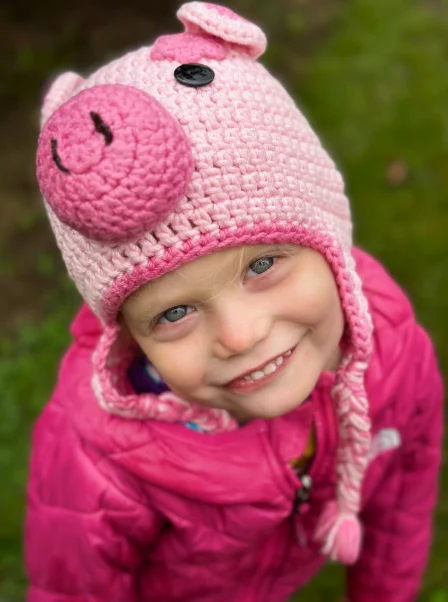
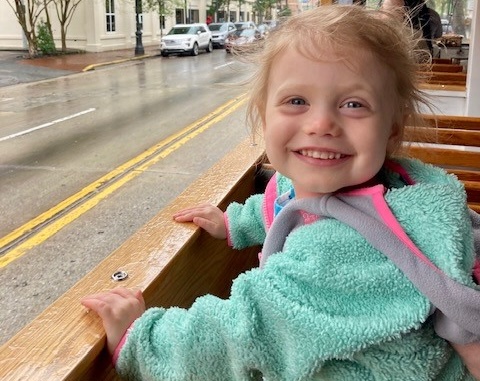
The sight of seven-year-old Ella skipping toward her mother’s car after dance class, sharing giggles and silly faces with her peers, represents a profound triumph over medical statistics. For her mother, Christina, these moments are a living miracle, as Ella is a survivor of M7-AML, a rare and exceptionally aggressive subtype of acute myeloid leukemia (AML). Diagnosed at an age when most children are mastering their first steps, Ella faced a prognosis that suggested she would not live to see her third birthday. Today, she is not only surviving but thriving—attending kindergarten, playing soccer, and reaching developmental milestones that were once considered out of reach. Her journey serves as a primary case study in the efficacy of targeted, donor-funded research and the burgeoning shift toward collaborative medical frameworks in pediatric oncology.
The Clinical Challenge of M7-AML
Acute myeloid leukemia is a cancer of the blood and bone marrow characterized by the rapid growth of abnormal myeloid cells. While pediatric leukemia as a whole has seen significant improvements in survival rates over the last several decades, AML remains more difficult to treat than acute lymphoblastic leukemia (ALL). Within the spectrum of AML, the M7 subtype—formally known as acute megakaryoblastic leukemia—is particularly formidable. It involves the malignant transformation of megakaryoblasts, the precursor cells to platelets.
In pediatric patients, M7-AML is often associated with specific genetic translocations that render traditional chemotherapy less effective. Historically, the standard of care has involved intensive, high-dose chemotherapy regimens followed by bone marrow transplants. While these treatments can be curative, they carry a high risk of acute toxicity and long-term "late effects," including cardiac dysfunction, secondary cancers, and developmental delays. For children whose cancer returns after initial treatment, the prognosis drops sharply, creating a desperate need for what researchers call "salvage therapies"—treatments designed to provide a cure when first-line options fail.
Dr. Soheil Meshinchi and the Quest for Precision Medicine
The trajectory of Ella’s survival was altered years before her birth in the laboratories of the Fred Hutchinson Cancer Center in Seattle. Dr. Soheil Meshinchi, a renowned pediatric oncologist and researcher, has dedicated his career to deciphering the genomic landscape of pediatric AML. Dr. Meshinchi was among a select group of global researchers focusing specifically on the high-risk subtypes that traditional pharmaceutical development often overlooks due to the small patient population.
Dr. Meshinchi’s research focused on identifying specific markers on the surface of AML cells that do not appear on healthy cells. This discovery is the foundation of precision medicine: the ability to target the "engine" of the cancer without damaging the surrounding healthy tissue. His work aimed to move beyond the "scorched earth" approach of traditional chemotherapy toward a "one-and-done" immunotherapy. This revolutionary approach is designed to genetically modify or prime a child’s own immune system—specifically T-cells—to recognize and permanently eradicate leukemia cells. By activating the body’s natural defenses, the treatment offers a potential pathway to a permanent cure with a fraction of the toxicity associated with conventional drugs.
The "Valley of Death" in Rare Disease Funding
Despite the promising science in Dr. Meshinchi’s lab, the project faced a systemic hurdle known in the medical community as the "Valley of Death." This term describes the gap between a successful laboratory discovery and the start of human clinical trials. Transitioning a therapy from a "bench" setting to a "bedside" application requires millions of dollars in funding for manufacturing, regulatory compliance, and clinical staffing.
For rare diseases like M7-AML, the financial barrier is even higher. Because the number of patients diagnosed annually is relatively small, major pharmaceutical companies often perceive a lack of "market incentive" to invest the hundreds of millions required for drug development. As Dr. Meshinchi noted, the primary obstacle to bringing life-saving treatments to pediatric patients is rarely a lack of scientific ingenuity, but rather a lack of financial infrastructure. This leaves the burden of funding on federal grants—which are highly competitive and often favor broader research topics—and private philanthropy.
A Strategic Partnership: CCRF and the $1.3 Million Milestone
Recognizing that their daughter’s life might depend on research that was currently stalled due to funding, Ella’s family took a proactive role in the scientific process. They partnered with the Children’s Cancer Research Fund (CCRF), a national nonprofit organization dedicated to filling the funding gaps in pediatric oncology.
The CCRF provided more than just a platform for donations; it served as a strategic coordinator. By connecting Dr. Meshinchi with a network of committed donors and coordinating fundraising efforts across multiple families and foundations, CCRF helped raise over $1.3 million specifically to launch the clinical trial for this new AML therapy. This influx of capital allowed the research team to move through the rigorous FDA approval process for experimental trials. In a significant milestone for the field, the trial enrolled its first pediatric patient in April 2025.

According to Dr. Meshinchi, the support from CCRF and individual families accelerated the timeline from target discovery to clinical application in record time. He described the current progress as being "as close to a Holy Grail of cancer therapy" as the field has ever seen, suggesting that the era of universal, toxic chemotherapy may eventually give way to highly individualized, molecularly targeted treatments.
The Pediatric AML Collaborative: A New National Standard
The success of the fundraising for Dr. Meshinchi’s trial highlighted a broader issue in the childhood cancer community: the reliance on individual families to drive national research agendas is not a sustainable model. Parents of children in active treatment are often forced to act as fundraisers, advocates, and amateur researchers while simultaneously managing their child’s bedside care.
In response, CCRF has spearheaded the creation of the Pediatric AML Collaborative. This initiative is designed to function as a national nexus, bringing together families, clinicians, researchers, and foundations into a single, streamlined entity. The goal is to move away from the "siloed" nature of medical research, where data and funding are often confined to individual institutions.
The Pediatric AML Collaborative is built upon several core pillars:
- Centralized Data Sharing: By aggregating genomic data from AML patients across the country, researchers can identify patterns in rare subtypes more quickly than they could at a single hospital.
- Sustained Funding Streams: Rather than relying on "one-off" donation drives, the collaborative seeks to establish long-term endowments and institutional partnerships to ensure that promising research does not stall during the transition to clinical trials.
- Patient-Centric Advocacy: The collaborative provides a formal structure for families to influence research priorities, ensuring that the "patient voice" is integrated into the scientific process.
- Accelerated Trial Recruitment: By linking major pediatric cancer centers, the collaborative can identify eligible patients for specific trials more efficiently, ensuring that life-saving treatments reach those in need before their disease progresses.
Analysis of Implications for the Future of Oncology
The transition toward collaborative models like the Pediatric AML Collaborative represents a paradigm shift in how society approaches rare diseases. From a journalistic perspective, the implications are twofold. First, there is the scientific implication: as genomic sequencing becomes cheaper and more accessible, the definition of "cancer" is changing from a broad disease of an organ to a specific disease of a genetic mutation. This requires a corresponding change in how trials are conducted, moving toward "basket trials" that focus on mutations rather than tumor locations.

Second, there is the economic implication. The success of Ella’s case and the subsequent formation of the collaborative suggest that philanthropy is evolving from a supportive role to a primary driver of medical innovation. In the absence of traditional market forces, collective action from the nonprofit sector is becoming the essential bridge that allows "orphan" drugs to reach the market.
Conclusion
The story of Ella is more than a narrative of individual resilience; it is a testament to the power of a modern medical ecosystem that combines high-level genomic research with strategic philanthropy. While the odds were once stacked against children with M7-AML, the integration of Dr. Meshinchi’s research, the CCRF’s funding infrastructure, and the new Pediatric AML Collaborative provides a blueprint for the future of pediatric medicine.
As Ella continues her life as a healthy seven-year-old, her presence on the soccer field and in the dance studio serves as a reminder of the tangible results of scientific investment. For the medical community, the focus now shifts to ensuring that the "miracle" Ella experienced becomes the standard of care for every child facing a high-risk diagnosis. The road ahead requires continued departure from traditional, fragmented research models in favor of the unified, collaborative approach that is now beginning to yield its first life-saving results.
